What You Need to Travel to China: Essential Travel Guide

China is becoming an increasingly popular destination for travelers from the UAE, especially with the visa-free policy that makes planning a trip easier than ever. Even so, you still have to know what you need to travel to China before you fly.
This comprehensive Trip.com guide covers everything you need to prepare for your trip to China, including the latest entry requirements for UAE travelers, using Alipay, staying connected with an eSIM or local SIM card, and customs regulations.
Booking your flights, hotel, and eSIM in advance is a great way to save time and secure better prices, especially if you're visiting China during public holidays or major events. Use Trip.com to book all your travel essentials in one place, with affordable prices.
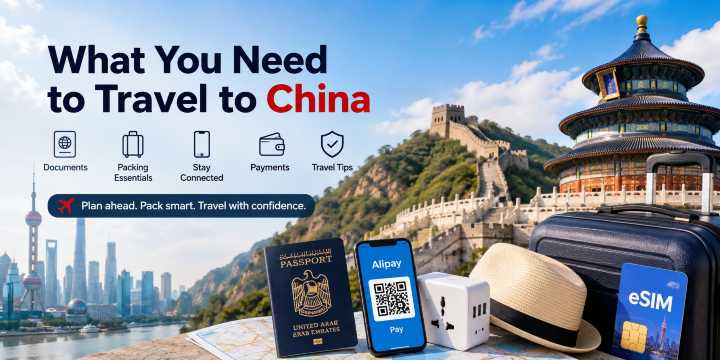
What Documents are Needed to Travel to China?
China Visa Requirements for UAE Residents
UAE citizens hold UAE passports and get a 30-day visa-free entry. However, UAE residents (expatriates living in the UAE who hold passports from other countries, such as India, Pakistan, the Philippines, or Egypt) do not automatically qualify for visa-free entry unless their home country has a bilateral visa-free agreement with China.
The visa-free policy applies throughout mainland China, including Hainan. Visiting Tibet requires a separate Tibet Travel Permit. Hong Kong and Macau operate separate immigration systems, so entering either region counts as leaving mainland China before re-entering. A visa is also still required for employment, study, journalism, and long-term stays.
Passport Requirements
Officially, China requires your passport to remain valid throughout your stay. However, most airlines and travel experts recommend having at least 6 months' validity remaining, especially if you're transiting through Hong Kong, Japan, or South Korea, where separate entry requirements may apply. Your passport should also have at least 2 blank pages.
Children must travel with their own valid passport. If a child is traveling with only one parent, it's advisable to carry a notarized letter of consent from the other parent if required by the airline or UAE immigration authorities.
Before you fly, it's a great idea to make two paper copies of your photo ID page (keep one in your carry-on and one in your checked luggage) and email a scan to yourself.
Electronic Arrival Card
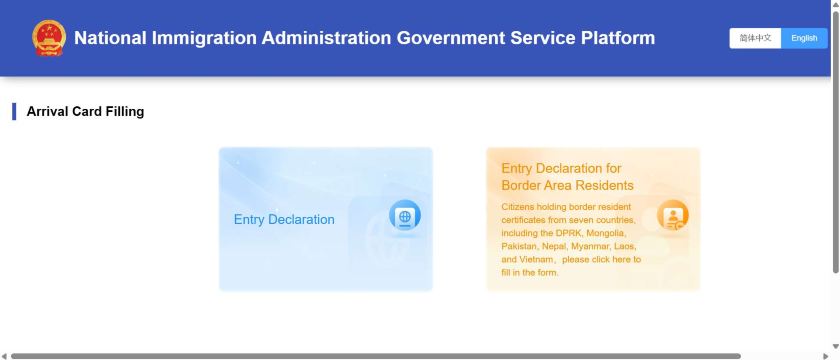
China has introduced an electronic arrival card for most foreign visitors. Completing it online before departure can reduce waiting times at immigration, although paper forms and self-service kiosks are still available at many airports and border crossings.
You can complete the arrival card through:
- Official website
- The National Immigration Administration app: NIA 12367
You'll need to provide:
- Passport details
- Flight number
- Accommodation address in China
- Departure date and method
- Purpose of your visit
The QR code remains valid for 24 hours, so it's best to complete the form on the day of departure rather than several days in advance. Save a screenshot of the QR code on your phone, as you'll need to complete a new arrival card each time you enter China.
Registration at the Place of Stay
Within 24 hours of arrival, foreign nationals are required to register. If you're staying at a hotel, this happens automatically when you present your passport.
For Airbnb or private accommodation, either the guest or the host must visit the nearest police station to handle the registration. If you move to another city and stay overnight, you'll need to register again.
- Not all hotels accept foreigners: Some budget accommodations only accept Chinese IDs. When booking hotels on Trip.com, this risk is eliminated. The platform only features properties with confirmed authorization to host international guests.
 NO.1














































What You Need to Travel to China: Packing List
Mandatory Documents
Your China must-have list of travel essentials starts with documents; without them, the trip won't happen:
- Passport + 2 paper copies of the photo ID page (carry-on and checked luggage) + a scan in the cloud
- Screenshot of the arrival card QR code (generated on the day of departure, saved to your gallery)
- Hotel booking confirmation (printout and digital copy)
- Return flight ticket
- Printed copy of your insurance policy + the insurer's 24/7 hotline number
Clothing, Footwear & Accessories
China's climate varies drastically, from the subtropics of Hainan to the continental frosts of Beijing.
The best time to travel to China depends on your destination. Spring (April-May) and autumn (September-October) are generally the most comfortable seasons for visiting most cities.
A quick cheat sheet for the seasons is as follows:
City | Spring/Autumn | Summer | Winter |
Beijing | Jacket, trousers, thin sweater | Shorts, t-shirt, bucket hat | Down jacket, scarf, beanie |
Shanghai | Trench coat, layering | Light fabrics, umbrella | Warm coat, sweater |
Hainan | Summer clothes + a light sweater | Swimsuit, rash guard | Summer clothes + a light sweater |
Tech & Gadgets
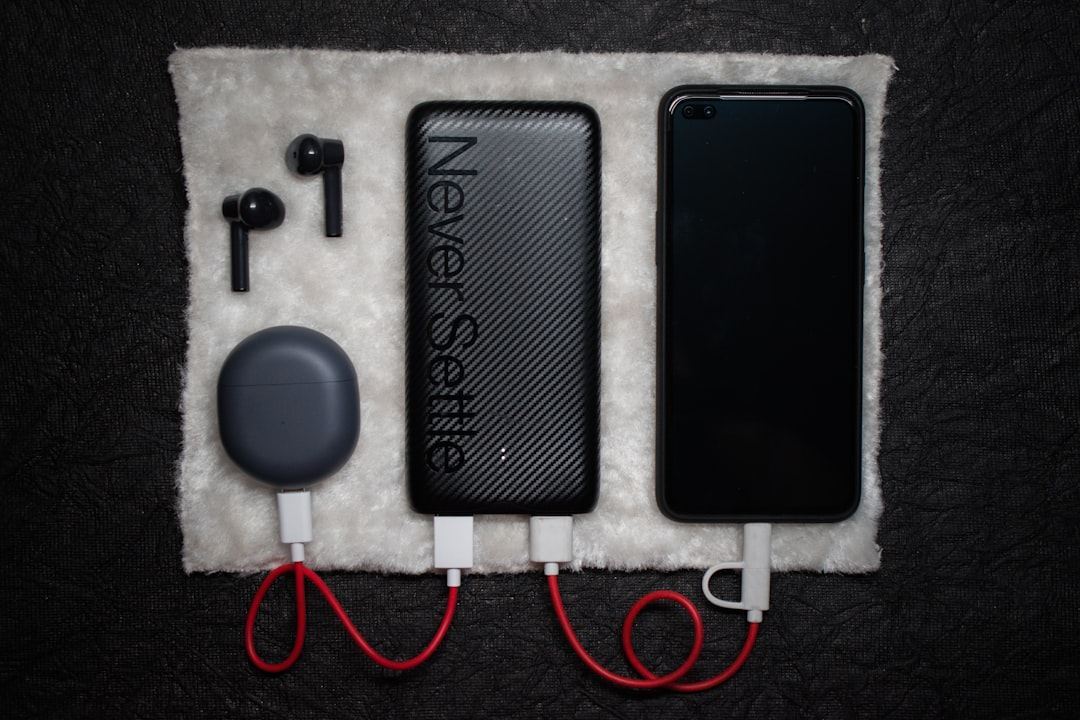
Unsplash (by Atharva Whaval)
The power bank is one of the biggest traps for travelers.
Since 28 June 2025, power banks used on domestic flights within China must carry the 3C (CCC) certification mark. Power banks without this certification may be confiscated during security screening, even if they were purchased overseas.
Capacity limits are:
- Up to 100 Wh with a 3C mark: Allowed in carry-on baggage.
- 100-160 Wh: Only with airline approval.
- Above 160 Wh: Prohibited.
Power banks are not permitted in checked baggage, regardless of capacity.
If you're planning to take domestic flights within China, it's worth checking whether your power bank carries the required 3C certification. If not, you can easily buy one from brands such as Xiaomi, Huawei, or Baseus after arrival for around ¥100-200.
Remember to pack a universal travel adapter, charging cables, and, if possible, a compact power strip if you're travelling with multiple devices.
What's Better Left at Home
Now that you know what you need to travel to China, some stuff is better left at home, such as:
- Selfie stick and bulky tripod: They’re banned in many museums and just slow you down at security.
- Full-size cosmetic bottles: A no-go due to airline liquid limits.
- Large amounts of cash: Most purchases are now made via QR code
How to Pay in China as a Foreigner?
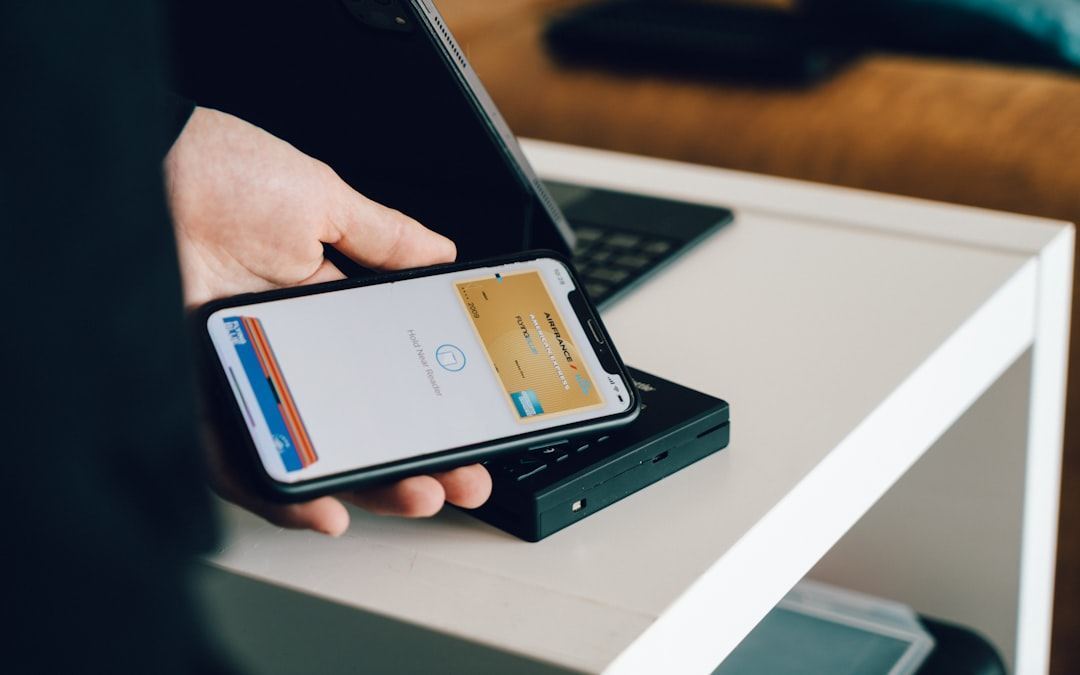
Unsplash (by CardMapr.nl)
Unsplash (by Markus Winkler)
China is the most "cashless" country in the world. Over 90% of everyday transactions are made via QR code: from a street stall selling jianbing pancakes to the reception desk of a 5-star hotel.
It can be tough for a traveler without a mobile payment setup.
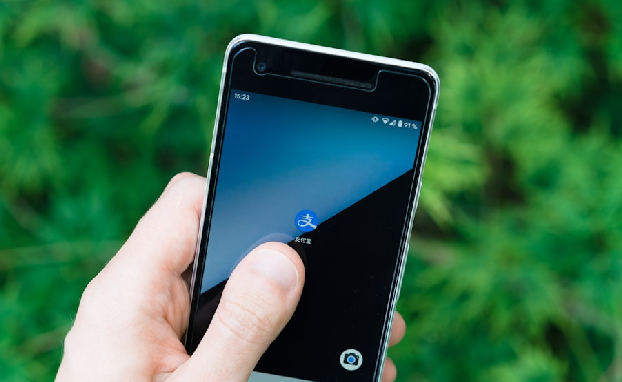
Alipay App: Can Cards Work in China without Alipay?
The setup process is simple:
1. Register using your mobile number
2. Verify your identity with your passport
3. Link an international Visa or Mastercard
Most travelers from the UAE can use their bank cards directly through Alipay for payments across China. It's also worth downloading WeChat Pay, as some shops and restaurants accept one app but not the other.
In some hotels, international retailers, and ATMs, Visa and Mastercard work directly. However, many local restaurants, taxis, and small businesses only accept QR-code payments, making Alipay or WeChat Pay the most convenient option.
Cash Handling: How Much You Should Carry
Although China is largely cashless, it's still a good idea to carry 500-1,000 yuan for taxis, small shops, or emergencies.
Exchange UAE dirhams before departure or withdraw cash from ATMs after arrival



















Internet, Connectivity & eSIM in China
Unsplash (by William Hook)
There are 3 main ways to stay connected while traveling in China:
International eSIM (Recommended)
No need to replace your SIM card. Many eSIM providers use international roaming, allowing you to access services that are normally blocked in mainland China without using a VPN. A compatible smartphone is required, though.
Get the best eSIM for China with VPN!
Local SIM card
Affordable and offers fast 4G/5G internet. You'll need your passport to purchase one, and you'll need a VPN if you want to access services such as Google, WhatsApp, Instagram, YouTube, and Facebook. The typical cost is ¥50-100 per month.
International Roaming
No setup is required. The speed and cost depend on your mobile operator and roaming package.


China's Customs Rules: What You Can Bring In & Take Out
China's customs rules rarely make it into travel guides, even though not knowing the limits can lead to confiscation and fines at the border.
You need to declare goods exceeding the allowance via the "red channel"—declaration forms are available in the arrivals area.
A quick summary of duty-free import allowances:
Category | Duty-free allowance |
Cigarettes | 400 pcs (or 100 cigars, or 500 g of tobacco) |
Alcohol (≥ 12%) | 1,500 ml |
Personal belongings | With a total value of up to ¥5,000 |
Foreign currency | No limits, but amounts over $5,000 require a declaration |
Cash yuan | No more than ¥20,000 |
Prohibited items:
- Fresh meat and meat products
- Fresh fruit and vegetables
- Plants and seeds without quarantine approval
- Live animals without the required permits
- Weapons and ammunition
- Narcotics and controlled substances
- Counterfeit goods
- Materials prohibited under Chinese law
When leaving China, some antiques and cultural relics require an export permit. If you're buying expensive souvenirs, artwork, or antiques, check the export requirements before your departure.
You can also claim a VAT tax refund when shopping at participating stores, provided you meet the minimum purchase requirements. Keep your receipts, as they'll be needed when applying for your refund before leaving China.




Emergency Numbers in China
Local Emergency Services
Emergency service numbers are short and free. Saving this table to your phone takes just a minute.
Service | Number | Note |
Police | 110 | In major cities, interpreter services are available |
Ambulance | 120 | It's better to ask a hotel staff member to make the call for you |
Fire Department | 119 | - |
Traffic police | 122 | In case of a traffic accident |
Information Desk | 114 | Find phone numbers and addresses |
City Hotline | 12345 | Complaints, help, public services |
Contact Details for the Embassy & Consulates of UAE
It's a good idea to save the contact details for the Embassy of the UAE in Beijing and the UAE consular offices before you travel. You may also want to keep a written copy of the emergency numbers in case you lose internet access or your phone during your trip.
City | Number |
Beijing (Embassy) | +86 10 6532 6555 |
Guangzhou (Consulate General) | +86 20 8333 3688 |
Hong Kong (Consulate General) | +852 2827 7888 |
Final Safety Tips
China is generally safe for tourists, with violent crime being a rarity. The main risks you might encounter are pickpocketing in the metro or at popular tourist spots and inflated taxi fares.
One popular scam, however, is called the "Tea House" scam.
A stranger near a landmark invites you to "try authentic tea"—the bill ends up exceeding $200.
The rule: Never accept invitations from strangers to "special" places. Illegal taxis at airports charge 3-5 times more; it's safer to book a car via DiDi.
With Trip.com, you can book flights, hotels, airport transfers, attractions, tours, and eSIMs in one place, making it easier to plan every part of your China travel.
Also, if you plan to travel through China, you can book China Train Tickets Online beforehand.
FAQs About What You Need to Travel to China
-
Do UAE residents need a visa to China?
-
Which cards work in China for foreigners?
-
Is it safe to travel to China right now?
-
Can I use my debit card in China?
-
Do WhatsApp and Telegram work in China?
-
Do I need travel insurance for a trip to China?
-
Can I drink tap water in China?
-
What type of travel adapter do I need for China?
-
How much money do I need for a one-week trip to China?