Isshisoden Nakamura
4.8/5
Amazing31 Reviews

Platinum
No. 11 of Fine Dining in Kyoto
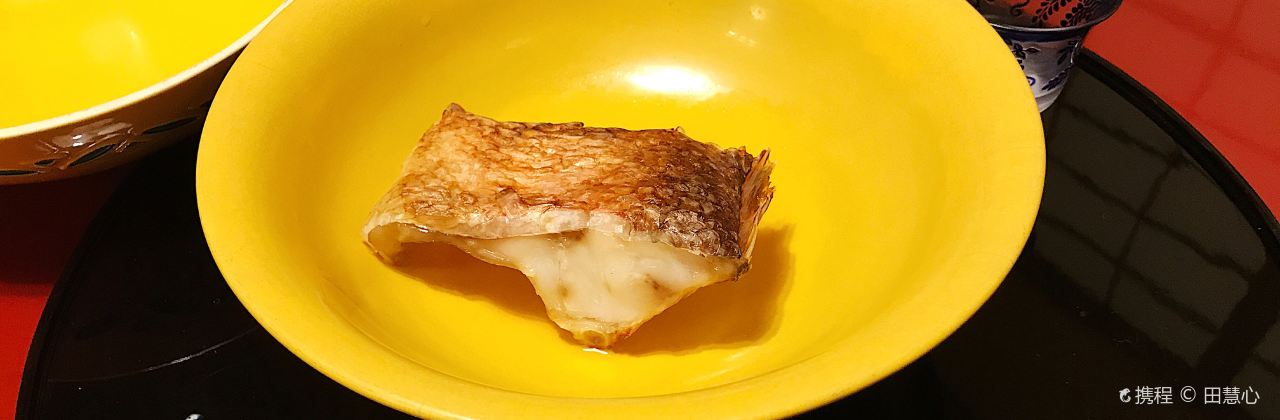
Highlights: Founded in the Edo period and renowned in the industry for its sake-braised sea bream
42
Environment
Overview
Features
Reviews
Currently closed|Open at 12:00 today
Show more
+81-75-2215511
136 Matsushitacho, Nakagyo Ward, Kyoto, 604-8093, Japan
 空空CJTheir cuisine is really creative and delicious, and of course the price is not cheap. As far as Japanese cuisine is concerned, their standard is the highest quality place. Every dish (more than 14 in total) not only looks good, but also tastes great. You can appreciate the ingenuity of each dish, and you can feel the balance of ingredients and seasoning in every bite. Highly recommended, if you can make a reservation among many people, please enjoy it!
Features
Delivery
Reviews of Isshisoden Nakamura
Some reviews may have been translated by Google Translate
4.8/5Outstanding
All (31)
Latest
Photo reviews (5)
Positive reviews (16)
Save this restaurant
Their cuisine is really creative and delicious, and of course the price is not cheap. As far as Japanese cuisine is concerned, their standard is the highest quality place. Every dish (more than 14 in total) not only looks good, but also tastes great. You can appreciate the ingenuity of each dish, and you can feel the balance of ingredients and seasoning in every bite. Highly recommended, if you can make a reservation among many people, please enjoy it!
I went to the yakiniku restaurant honestly. Although the chef used all kinds of stomachs and livers of cows to cook, his creativity was limited after all. The seasonings of several dishes were very similar, and the combination of traditional Japanese food methods was also average. I was tired because there was no surprise halfway through the meal. The only thing that caught my eye was the last oxtail skewer. It was simply seasoned with salt, boiled first and then grilled. The delicate fibers were wrapped in fat and melted in the mouth. It was the most delicious oxtail I had since coming to Japan. I want to tell the chef that you will definitely be popular if you open an oxtail specialty store. The last dessert was a tomato. When I saw it, I thought, well, this is similar to the sugar-mixed tomatoes in my great China. Take a bite, it's so sweet! Take another bite, oh, it's actually sprinkled with salt! Instantly understand the mystery of using tomatoes as desserts
This is a very cute tea house that sells green tea products, as well as some light meals and snacks. We ordered the matcha parfait, which was delicious. The products here are very layered, including ice cream, tea jelly, rice crackers, berries, jams, etc.
The ingredients, products and service are extremely exquisite. You don't need to order dishes, just order a set meal. The chef will prepare dishes according to the fresh ingredients of the season. The service is very surprising Japanese service. The service staff should be a family. In fact, we arrived more than 10 minutes early, and a waiter was already kneeling and waiting for customers. After eating, we went downstairs. The chef and his family were waiting on the first floor to see us off. When we walked more than 100 meters, we looked back and saw them waving at us. We quickly turned around and left their sight to avoid them waving again.
Nakamura was founded in the late Edo period. The first founder was a merchant who transported seafood from the Wakasa area to Kyoto. After nearly 200 years of inheritance, it has now been passed down to the sixth generation manager, Nakamura Motokei. It is well known that the kaiseki cuisine of Kyoto ryotei uses different seasonal ingredients according to the change of seasons. If you visit this restaurant in summer and autumn, you will most likely encounter sweetfish in the grilled food section.