Things to do in Angola
Explore top experiences
Top 10 attractions in Angola


Traveler favorites curated for you


More things to do
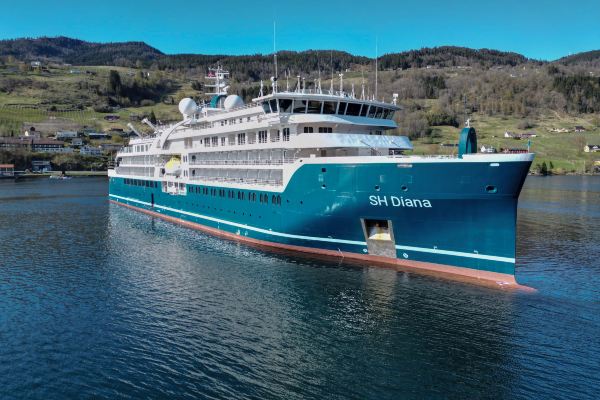
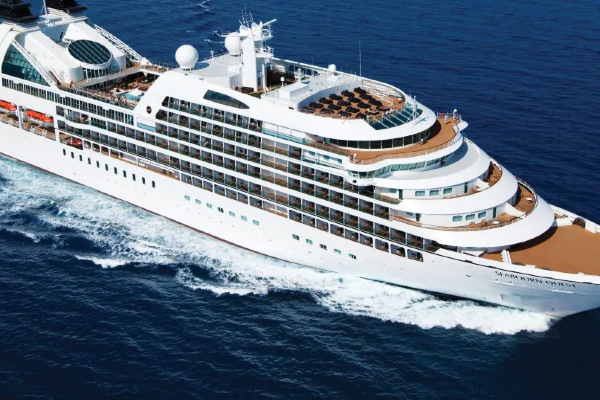
Angola cruises
View all cruises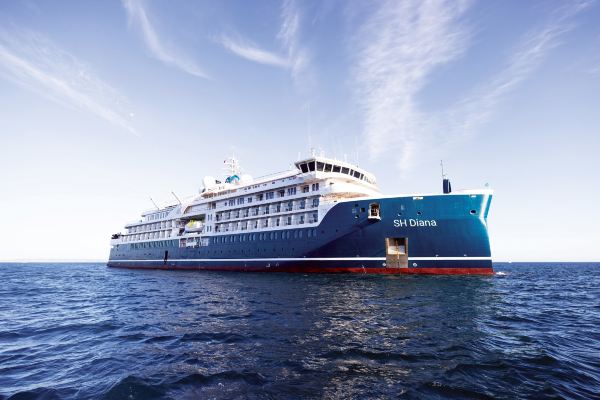



Group Tours in Angola
View More Group Tours in Angola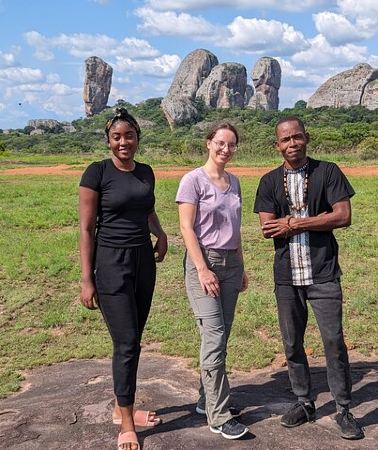

Free things to do in Angola
What travelers say about Angola

jnnr20 December 2024
5.0
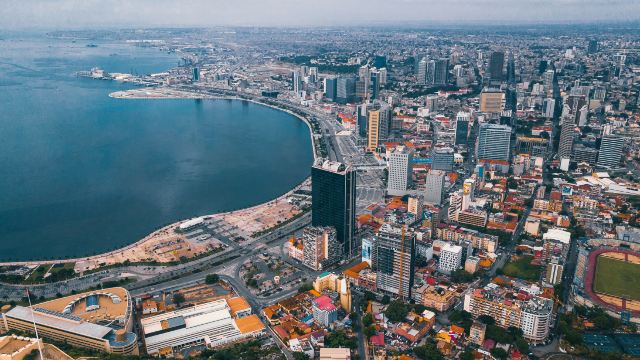
You can overlook the panoramic view of Luanda's west district, with a very good view.
Museum of the Armed Forces

M23***522 October 2021
4.0
It's OK. I went there once. I ate at a buffet restaurant. It was still relatively primitive at that time, and many small villas were still under construction. There were not many tourists. The sun was very strong when walking on the beach, but it was very cool in the leisure area.
Mussulo

Dr. Kudrin Travel2 September 2026
5.0
I decided to stop by the National Museum of Anthropology (Museu Nacional de Antropologia). And you know what? It was the best decision of the entire trip.
The museum is located in the Ingombota neighborhood, in an old 19th-century colonial building. It opened in 1976—it was the first museum established in Angola after independence. Today, its collection contains over 6,000 objects. It's the world's largest ethnological collection dedicated to Angola. Everyday objects, ritual masks, musical instruments (including the marimba), photographs, and tools—all of this tells a story about the cultures of the country's diverse peoples.
What struck me? The first hall contains traditional exhibits: wooden figurines with elongated faces, clay jugs, and shell jewelry.
The second hall offers an unexpected surprise: works by contemporary Angolan artists. Paintings, sculptures, and photographs sit alongside ancient masks. The museum even has an ancient metal smelting furnace, demonstrating traditional blacksmithing techniques.
Practical Information:
🕐 Opening Hours: Mon–Fri: 9:00–15:30, Sat: 9:00–15:00, Sun: Closed
⏳ Recommended Time: 2 hours
Tip:
If you don't speak Portuguese, it's best to bring a guide or use a translator—there's little information in English. Allow at least an hour and a half to explore everything without rushing.
I spent about an hour there. And you know, even for someone who's not a fan of museums, this place felt unexpectedly vibrant. You can feel the pulse of modern Angola here. The past and present intertwine like vines in the Mayombe jungle.
National Museum of Anthropology
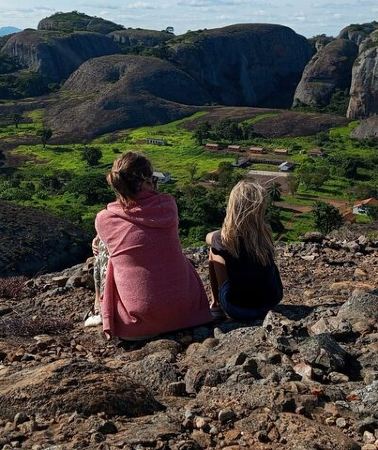
Trip Moments in Angola