Changting

Things to do in Changting

Search attractions or local attractions & tours
Search

Explore top experiences

Top 10 attractions in Changting

View all Attractions
The ancient town of Changting
No. 2 of Night Attractions in Longyan

The ancient town of Changting

6.4
4.6/5
433 reviews

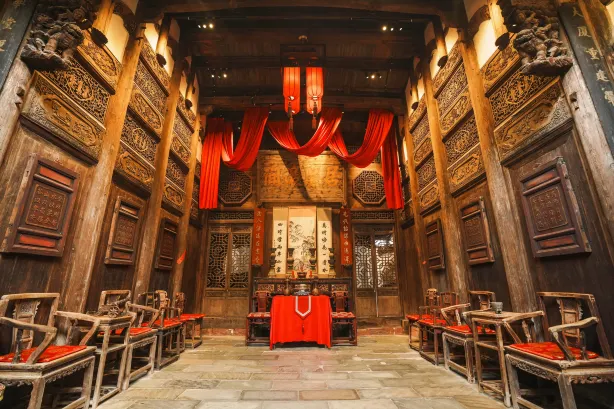
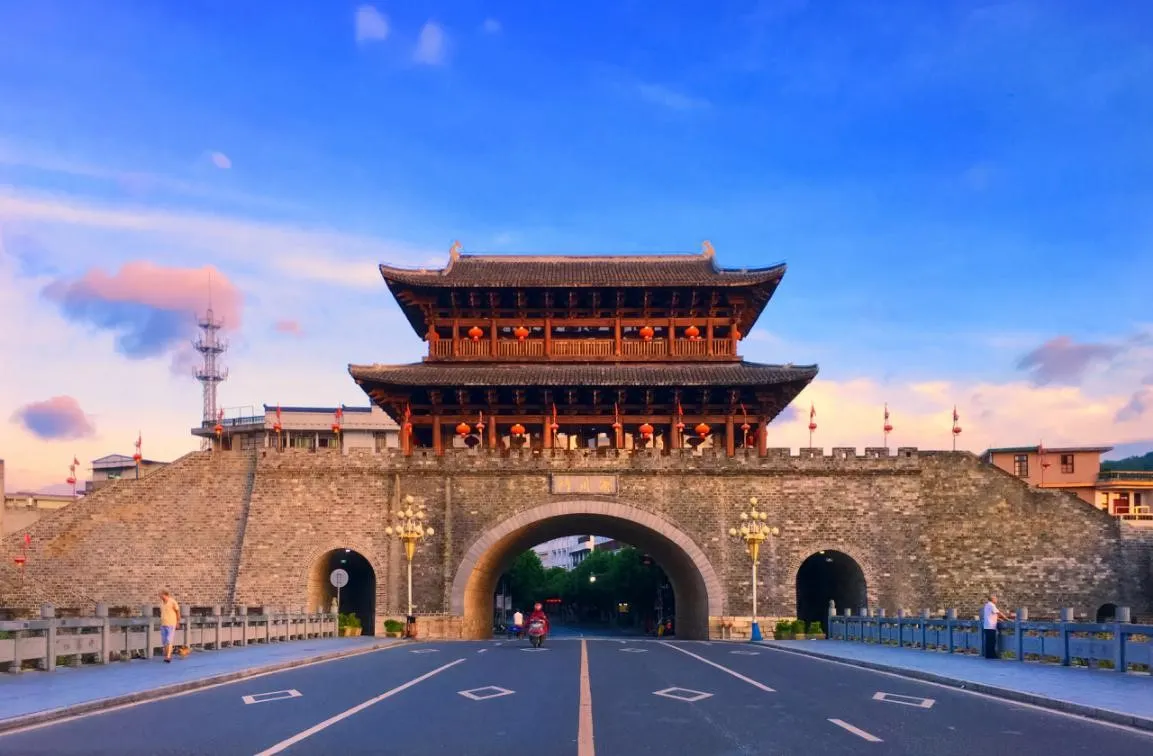
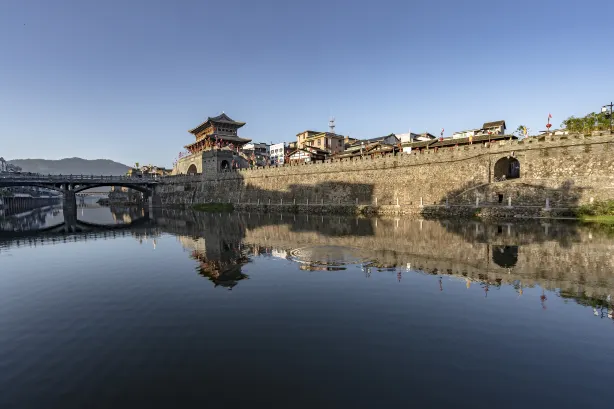
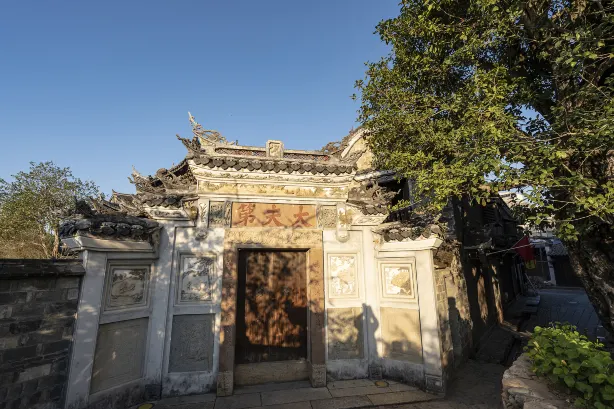
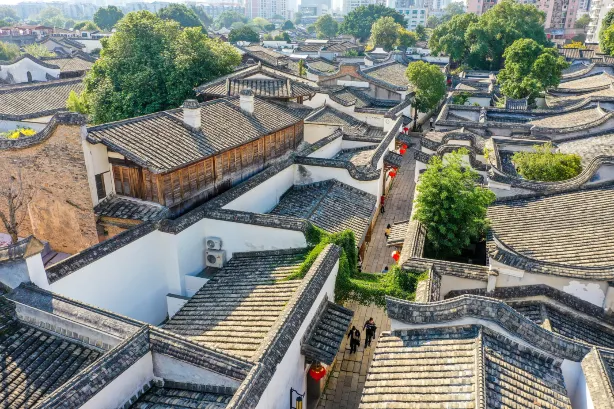
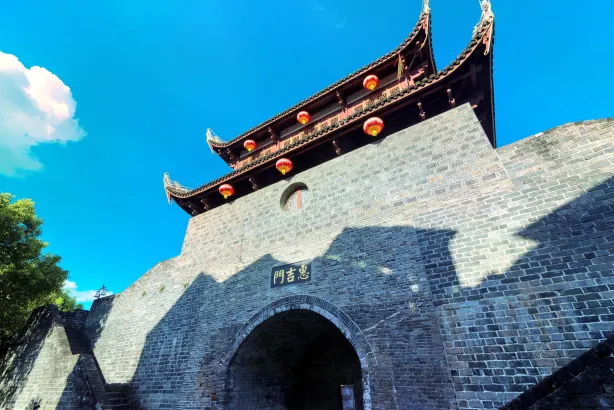
The ancient city of Changting is located in Tingzhou Town, which is located in the western mountainous area of Fujian Province. It has always been the base of the Hakka people. The ancient city of Changting is surrounded by mountains and rivers. There are many Hakka dwellings in the Song and Ming Dynasties preserved in the city. Walking in the alleys or visiting those traditional shops, you can see the authentic life scenes of local residents everywhere. Climb the ancient city wall, recall the long river of history, go to the historical attractions in the city to find old traces, or follow the taste to search for delicious snacks on the streets and alleys, and enjoy your own rest time. The ancient city of Changting is not big, you can visit famous historical sites such as Tingzhou Examination Institute, Tingzhou Confucian Temple, Tingzhou City God, Tianhou Palace, Nanchan Temple, etc., or go to Shangguan Zhou Former Residence, Ziyun Gong Temple, Yunxiang Pavilion and other scenic spots Shop around. The Baozhumen Gate Tower in the south of the city is the best place to see the whole picture of the ancient city. It is also a good choice to climb the ancient city wall to view the ancient city from a higher perspective. As early as the Tang Dynasty, the city wall was built in the city of Changting. The ancient city wall is the symbol of the ancient city of Changting. Today, most of the city walls are modern reconstructions. On the city wall, you can see the life scene between the wells in the ancient city. You can climb the city wall from Huiji Gate in the south of the city, walk north along the Tingjiang River to Chaotian Gate, and pass through several city towers and beacon towers on the way. Among them, Shuidong The section of the city wall near the bridge is a historical relic. In addition to many historical sites, there are also many memorial halls and former residences of historical celebrities in the ancient city of Changting.

Changting · 149m from downtown
Free attraction
Tingjiang River Night Cruise
Selected for Best Things to Do in Longyan

Tingjiang River Night Cruise

5.2
4.4/5
125 reviews

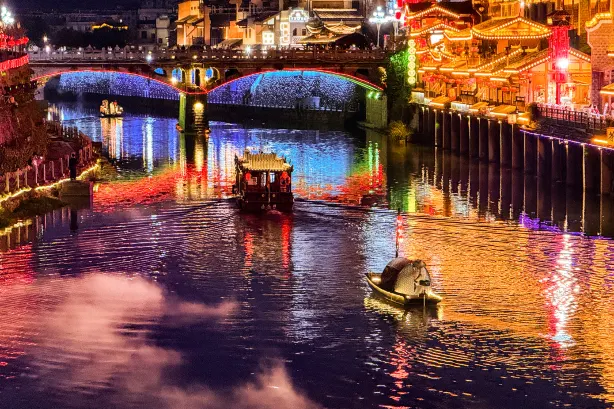
The "One River, Two Banks, Night Tour of Tingjiang River" project is located in the core area of ​​Tingzhou Ancient City, Changting County, a national historical and cultural city, the capital of Hakka people, the hometown of the Red Army, and the mother river of Hakka people - Tingjiang River, with a total length of about 5 kilometers; The two banks of the Ting River are beautiful and run through the city. The "Dream Back to Tingzhou" themed technology light show, created with modern technology such as sound, light and electricity, integrates Changting's long cultural history and beautiful natural landscape. Taking a pleasure boat, you can directly feel the unique cultural heritage and connotation of this thousand-year-old ancient city of Changting! "Ten thousand households on both sides of the river, green willows and smoke lock the Jichuan Bridge", merchant ship docks, oars and shadows, "three thousand on the upper river and eight hundred on the lower river" is a microcosm of the prosperous water transportation and commercial scene in Tingzhou at that time. Take a pleasure boat for an immersive experience and appreciate the "ancient color", "red" and "green" of the thousand-year-old Tang and Song Dynasty ancient city Changting, and feel the long history and culture, unique Hakka culture, profound red culture and rich ecological culture. Operating route: Huijimen Wharf (starting point) - Songci Painting Boat - Wutongmen Tower - Banpianjie Wharf - Jichuanmen - Longtan Park - Mother's Square - Huijimen Wharf (end point, single line Round-trip)

Changting · 497m from downtown
Tingzhou Ancient City Wall

Tingzhou Ancient City Wall

3.9
4.7/5
106 reviews

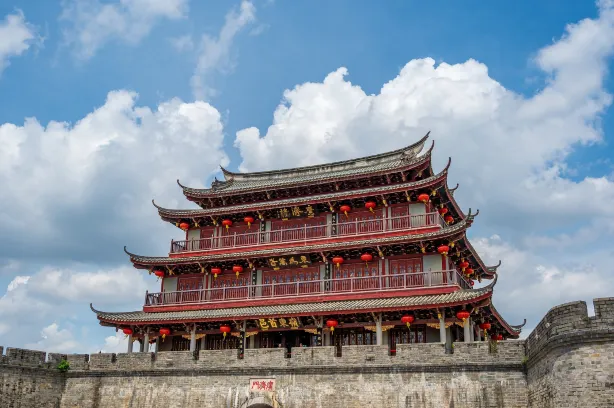
The ancient city wall of Changting has a peculiar shape, which is called "blue clothes hanging beads" by the folks, which means that it is like a beautiful Buddha bead draped in Changting City, making it form a beautiful landscape. Changting attaches great importance to the protection of the ancient city wall. In the 1990s, part of the ancient city wall was built, and further construction has been carried out recently. The ancient city wall of Changting was built in the fourth year of the Dali calendar in the Tang Dynasty, that is, in AD 769. Later, it was expanded in the successive dynasties due to the expansion of the city. The current ancient city wall was built according to the ruins of the Ming Dynasty. The city wall was built on the sun of Wolong Mountain. It runs down the foothills of the mountain in the east, and stretches to the south near the Tingjiang River. It runs along the foothills of the mountain in the west, passes through Xiwai Street and Xipaoping, and reaches Luofang in the south, surrounding the whole city. If you stand on the top of Wolong Mountain for a bird's-eye view, the ancient city wall is really like a "blue clothes hanging beads", which is very beautiful. The ancient city wall used to have four gates. Chaotian Gate is one of the four gates of Tingzhou Prefecture. The building is high and the situation is majestic, so it was renamed Chaotianmen. In the Qing Dynasty, the prefect of Tingzhou, Yan Yiming, was rebuilt again. The main building of the city tower was built on the high platform of the city gate, with layers of eaves and high ceilings. Located on South Street, Baozhu Gate is named Yuzhu Gate because of the Southern Dynasties. Ming Chongzhen has been repaired for ten years and is divided into inner and outer layers. It is a relatively special ancient city gate, and it is still well preserved. The city wall on the west side of Shuidong Bridge was originally a strong city gate, formerly known as Huichuan Gate. According to records, in the 40th year of Jiajing in the Ming Dynasty, the prefect Yang Shifang led the magistrate Wang Miao to supervise the construction of the city tower and changed its name to Yiqing Gate. When the Qing troops entered Fujian, Emperor Longwu fled to Changting with his accompanying officials and concubines in the palace. The city was heavily guarded and the gates were closed. The Qing soldiers set fire to the Yiqing Gate, and the guards died in battle on the gate. Later, the gatehouse was demolished due to the expansion of the road, but the west end of the Shuidong Bridge is still used to call it "Yiqingmentou". Today, Sanyuan Pavilion Gate Tower is a relatively old city gate. It was originally named Yinjiang Gate and later changed to Guangchu Gate. It was the gate of Tingzhou Inspector Chen Jian during the Dali period of the Tang Dynasty when he moved to the state building Tucheng. It has been repaired in all dynasties. It was replaced by a three-story city tower. The base of the pavilion is the original gate of the ancient city. In the past dynasties, the ancient city wall has been continuously repaired and expanded, and many city gates have also been added, such as the South Gate of Gujun, Wutongmen, Shuijinmen, Ximen, etc. Some of them were later demolished during the road expansion, and some were still preserved and became historic sites. It is listed as a county-level cultural relic protection.

Changting · 280m from downtown
Free attraction
Changting Museum

Changting Museum

3.2
4.6/5
45 reviews

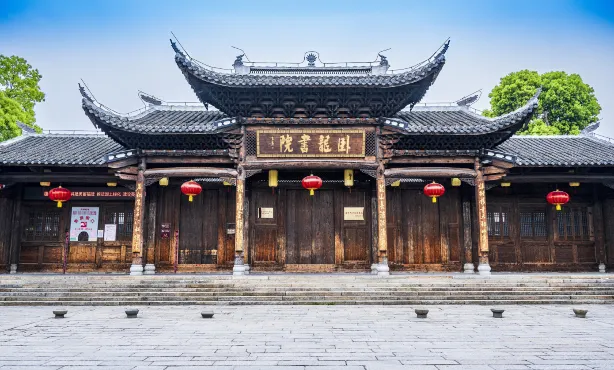
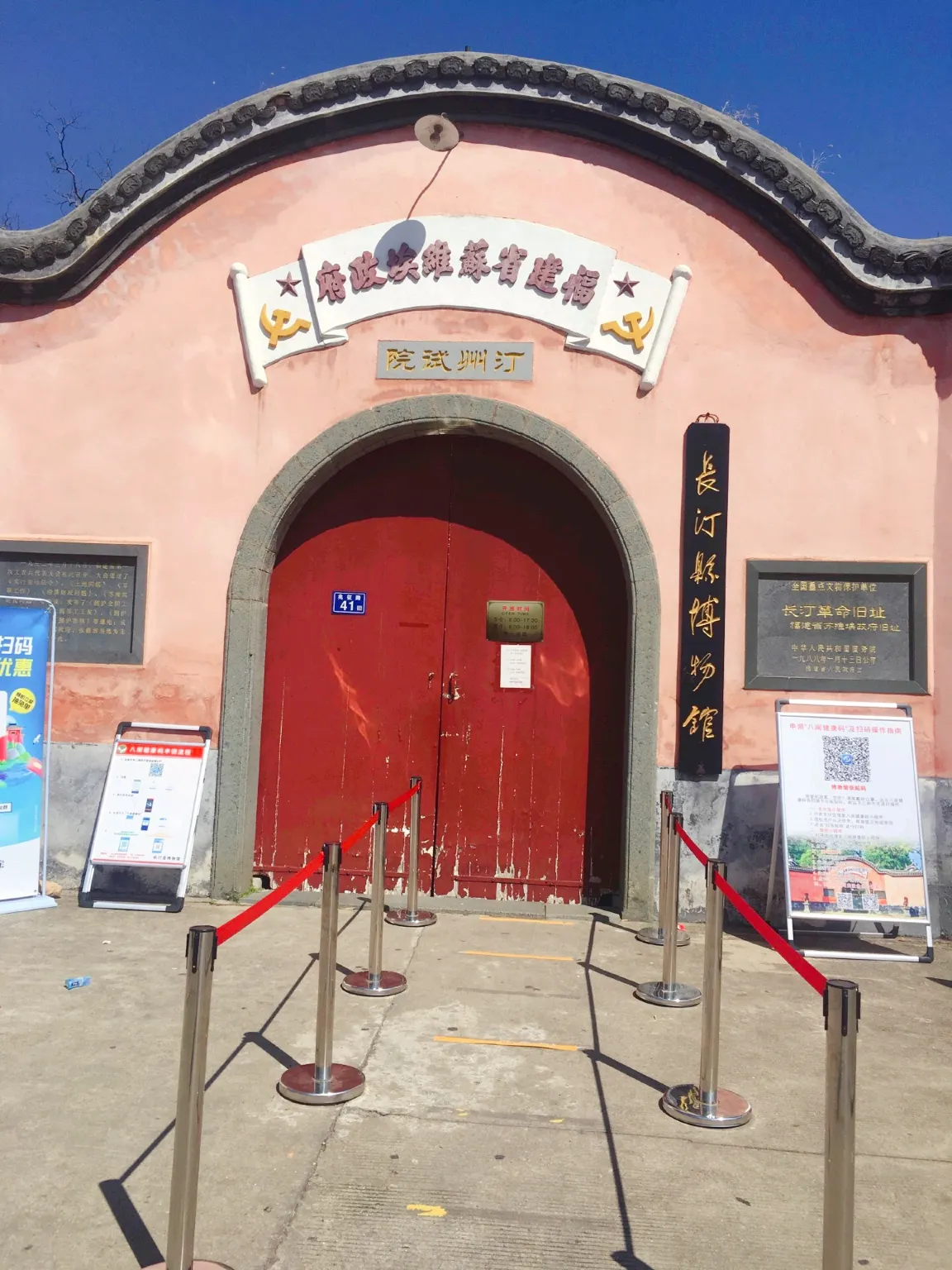
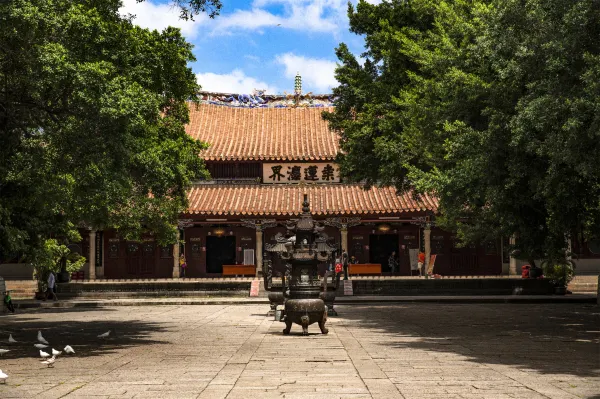
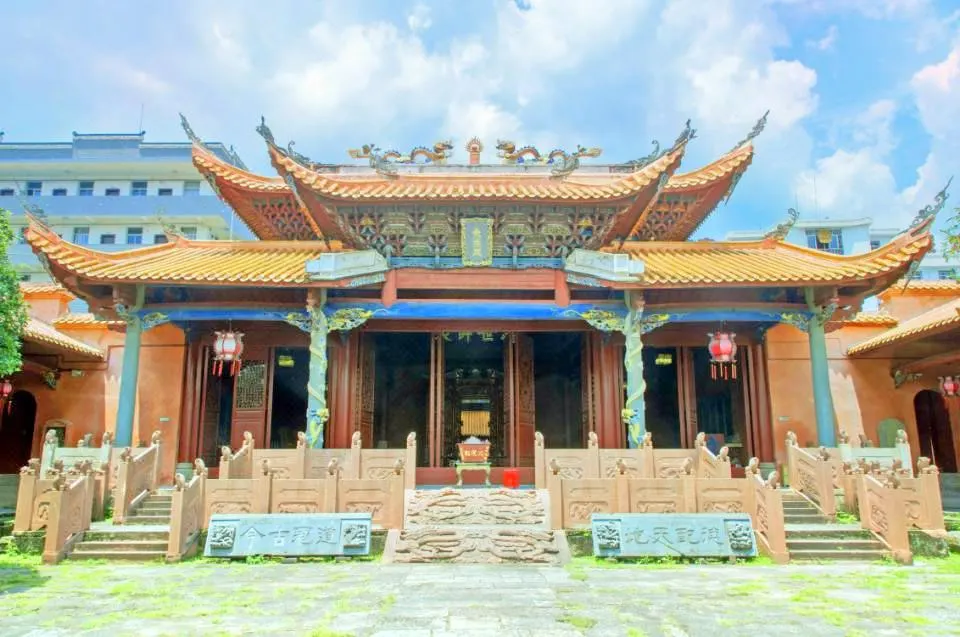
Changting County Museum was rated as a national key cultural relics protection unit in 1995. The museum is solemn and magnificent, with green grass, ancient cypress flowers and beautiful environment. There are "Tingzhou Hakka Museum Exhibition", "Changting Revolutionary History Exhibition", "Qu Qiubai Imprisonment", "Tingzhou Test Institute Site" and Tang Dynasty ancient cypress and other tour content. As soon as you enter the museum, you will be faced with the "Old Site of the Tingzhou Examination Institute". It is located on the central axis of the historical buildings of the ancient city of Tingzhou, and the construction of the ancient city of Tingzhou expands to both sides. The Tingzhou Test Institute covers an area of more than 10,000 square meters and consists of a gatehouse, an empty floor, a lobby, a back hall, a wing and a bungalow. In front of the test house are two lush and vigorous cypress trees, which are ancient cypresses planted in the Tang Dynasty and have a history of more than 1,200 years according to experts. The age of the trees is exactly the same year as Tingzhou City. It can be concluded that these two cypress trees were planted in the early years of the Dali calendar in the Tang Dynasty and are historical witnesses of the ancient city of Tingzhou. The trunk is thick and the height of the tree is about 12 meters. It is an extremely precious ancient cypress in Changting County. On both sides of the Tingzhou Examination Institute are the Tingzhou Hakka Museum and the Changting Revolutionary History Exhibition. The entire exhibition hall of Tingzhou Hakka Museum covers an area of 700 square meters and is divided into four exhibition rooms. The exhibition is divided into five parts. The first part is "the famous Hakka capital of China"; ; "Hakka culture with a long history"; "The world's Hakka belongs to one family"; "The rising and forging ahead Changting".

Changting · 261m from downtown
Free attraction
Changting Today's weatherClear 7-23℃
Changting weather for the next 2 days11/29: 7-24℃, 11/30: 8-25℃

Free things to do in Changting
What travelers say about Changting

user-avatar
Anonymous user22 August 2026
5.0
Wolong Academy, founded during the Shaoding era of the Southern Song Dynasty, is located at the southern foot of Wolong Mountain. It is the oldest academy in the eight counties of Tingzhou and the highest institution of learning in western Fujian. Song Dynasty Neo-Confucian philosopher Zhu Xi and Ming Dynasty scholar Wang Yangming both lectured and taught here, nurturing the cultural heritage of Tingzhou. Over 300 scholars from the area have passed the imperial examinations here throughout history. The academy is conveniently located on the west side of Xinmin Street in the ancient city of Changting, a 5-minute walk from Sanyuan Pavilion. The grounds feature pavilions and towers, as well as introductions to the academy and Neo-Confucianism, offering both fun and educational opportunities, making it ideal for family visits. Walking out of the academy towards the river leads to Jichuan Gate, the most bustling area of ​​the ancient city of Tingzhou.

The ancient town of Changting
user-avatar
浪淘沙carol21 July 2025
4.0
Several scenic spots seem to be carefully built by the local cultural tourism. They are clean and sanitary, and the environment decoration is as beautiful as possible, which is refreshing. However, the traces of the ancient buildings are very heavy, and everything looks very new, lacking the ancient charm. Another fatal point is that the content is too thin and too little. It is not worth visiting specifically, but you can come and see it on the way.

Wolong Academy
user-avatar
旅行算法师5 October 2024
5.0
Night Tour of Tingjiang River: A Light and Shadow Feast Through Time and Space As night fell and the lights came on, I had the honor of experiencing the Night Tour of Tingjiang River in Tingzhou Ancient City, Changting County, Longyan City. It was an unforgettable journey. Starting from Huijimen Wharf, I took a pleasure boat and slowly sailed into the embrace of Tingjiang River. The river surface was sparkling, and the lights on both sides of the river and the stars in the sky complemented each other, as if I was in a flowing painting. As the pleasure boat moved forward, I appreciated the cultural charm of Song Ci's pleasure boat, the magnificence of Jichuan Gate, the tranquility and beauty of Longtan Park, and the warm atmosphere of Mother's Square. Night Tour of Tingjiang River is not only a visual feast, but also a spiritual baptism. In the busy pace of life, such a quiet night trip gave me the opportunity to slow down and feel the historical precipitation and cultural heritage of the ancient city. The tour guide on the pleasure boat was vivid and interesting, which gave me a deeper understanding of the history and culture of Tingjiang River. It is particularly worth mentioning that the ticket price for the night tour of Tingjiang River is very affordable, and the ticket purchase method is also very convenient. Whether adults or students, you can find your own fun here. In addition, the service of the scenic spot is also very thoughtful, and the staff is warm and friendly, which makes me feel the warmth of home. In general, the night tour of Tingjiang River is a very recommended travel experience. It not only allows me to appreciate the beautiful scenery of Tingjiang River, but also allows me to feel the cultural charm of the ancient city. If you also want a unique night trip, then why not come to Tingzhou Ancient City and experience a wonderful trip to the night tour of Tingjiang River! I believe you will be like me,

Tingjiang River Night Cruise
user-avatar
孤独的看客大橙子26 May 2025
4.0
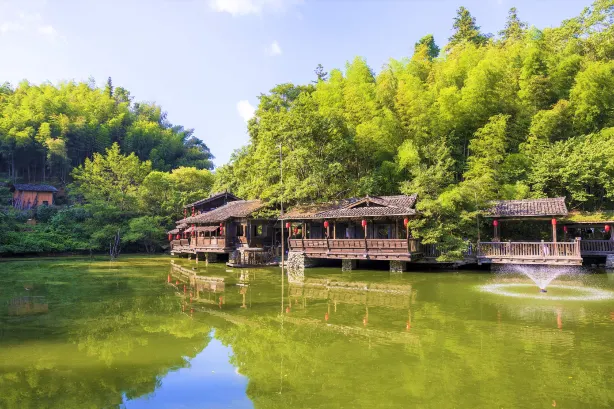
净化心灵,很有回忆感。至少让我想起了,童年在村子里和小伙伴一起疯跑,渴了就喝溪水,累了就依在大树下歇息。

Dingwuling

user-avatar
凯恩9911025 July 2026
5.0
Overall, it was super nice! The colors were vibrant and bright, with the red being particularly eye-catching and having a strong Hakka flavor. There are three floors, each with different fun games. You get a ticket before entering, which you can use to play the games. The service was also excellent, and the price was very reasonable. I opted for a combined ticket.

Hakka Baxi Building

user-avatar
M59***195 May 2025
5.0
A must-visit place for traveling in Changting, the landmark building of ancient Tingzhou! Especially the night view, it is very photogenic. There are crowds of people under the tower. You must climb the tower to overlook the Tingshui River and the night view of the ancient city. It is absolutely beautiful! Walking along the river at night and blowing the wind can make you forget all your worries!

Jichuan Gate

user-avatar
petitedragon19 November 2025
5.0
Jizhou Gate is a landmark building in the ancient city of Changting. The reconstructed structure recreates the magnificent scene of the Song Dynasty: "Ten thousand households on both banks of the stream, green willows shrouding the Jichuan Bridge in mist." As an important city gate of the ancient Tingzhou Prefecture, its saying, "Nine out of ten city gates are locked, only Jichuan Gate is unlocked," reflects the unique wisdom of ancient city management. Combined ticket: ¥98; Senior citizen half-price ticket: ¥15. You can go up to the city wall to see it.

Tingzhou Ancient City Wall

user-avatar
知宛6 April 2025
5.0
The two scenic spots are located in the core area of ​​the ancient city. They are very convenient to reach on foot. They have beautiful scenery and you can see the river view. Both places are worth visiting. They are rich in cultural heritage and are indispensable places for understanding southern Fujian culture. They are recommended as must-visit places.

Dafidi

user-avatar
wnYYY15 January 2022
5.0
The museum is located in the south of Tingzhou Ancient City, and there are Wolong Academy, ancient city walls, towers and ancient streets nearby, which are worth visiting. The museum is large in area and rich in collections, including both historical and cultural collections and red education exhibition halls.

Changting Museum
user-avatar
bjbillyjiao30 January 2023
5.0
Sanyuan Pavilion is located in the ancient city of Tingzhou. It was first built during the Dali period of the Tang Dynasty. It was originally named Yinjiang Gate, and later renamed Guangchu Gate. In the 12th year of Hongzhi in the Ming Dynasty, a city tower was built. In the Qing Dynasty, it was renamed "Sanyuan Pavilion". "Sanyuan" means the top scholar, the first scholar, and the first scholar. Sanyuan Pavilion was originally an ancient city gate in the Tang Dynasty. It was first built during the Dali period. It was the southern gate when Chen Jian, the governor of Tingzhou, moved the state and built the city. It was originally named Yinjiang Gate. In the fourth year of Hongwu in the Ming Dynasty, Wang Gui, the commander of Tingzhou Guard, changed the name to Guangchu Gate. In the 12th year of Hongzhi, the commander of Tingzhou Guard built the Guangchu Gate Tower. It was expanded and renovated during the Chongzhen period of the Ming Dynasty and was named Sanyuan Pavilion. At present, there is a square in front of Sanyuan Pavilion, where fireworks can be set off during the New Year. Opposite it is Changting Museum.

Sanyuan Pavilion

Trip Moments in Changting

Popular cities near Changting

Frequently asked questions

How can I contact Trip.com customer support?

Get help anytime, anywhere within 30 secondsContact customer support

Change and cancellation policies vary by attractions and tours. Please check the product details page for more information.

Ticket prices may vary between weekdays and weekends, as well as during peak and off-peak seasons. When booking with Trip.com, you can also use Trip Coins to get extra savings. For more tips on booking discounted tickets, please visit Trip.com for the latest information.