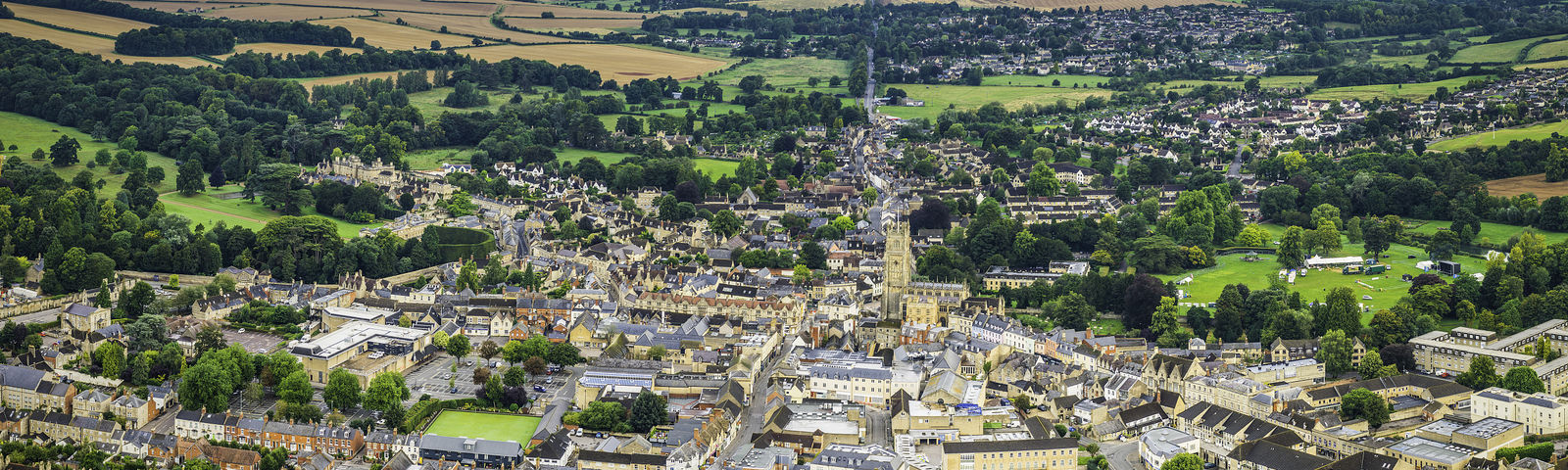
Top picks for Cirencester Day tours
Discover 251 Day tours in Cirencester on Trip.com, updated April 11, 2026, with experiences lasting from 1 to 13 hours. Find the perfect adventure for your day!
From SGD 47.86 per person, with an average total of SGD 262.45. Choose the option that suits your plan.
With 16.594k verified reviews, Day tours Cirencester boast an average rating of 4.8.
This week's most popular Day tours: "Windsor Castle, Stonehenge, and Oxford Day Trip from London", with 3.653k reviews and a 4.7 rating.
Now on Trip.com: "Cotswolds Villages and Oxford Full Day Tour from London", a 10-hour adventure in Cirencester!
The next available day tour departs on April 12, 2026. Book now to secure your spot!
Cirencester Day tours usually take about 10 hours — perfect for a relaxed, immersive experience!
96% of Cirencester Day tours now offer English-speaking guides
April is the perfect time to visit Cirencester! Choose from Day tours available day tours, including seasonal favorites like Windsor Castle, Stonehenge, and Oxford Day Trip from London.
Your trip, worry-free! All day tours are run by licensed suppliers with verified reviews, and many include free cancellation before departure.
251 results for Cirencester Day tours
 Trip.Select
 Duration: 10 hrsEnglish4.7/5Outstanding· 666 reviews· 117 bookedFromSGD 137.36
 Trip.SelectDuration: 690 minsEnglish4.7/5Outstanding· 2.4k reviews· 53 bookedFromSGD 154.69
 Duration: 11 hrsEnglish4.8/5Outstanding· 130 reviews5% offLimited-time saleFromSGD 128.72SGD 135.5
 Duration: 5.2 hrsEnglish5.0/5Perfect· 1 reviewFromSGD 199.95
 FromSGD 137.11
![London + Cotswold Way + University of Oxford 1-day tour [Private charter route I Chinese-speaking driver-guide]](https://ak-d.tripcdn.com/images/0356312000hkdazah874B_C_568_320.png?_fr=wc) FromSGD 855.71
FromSGD 855.71 Duration: 2 hrsEnglish4.9/5Perfect· 2.4k reviews· 26 bookedFromSGD 51.52
 Duration: 10 hrsEnglish4.7/5Outstanding· 832 reviews· 36 bookedFromSGD 154.86
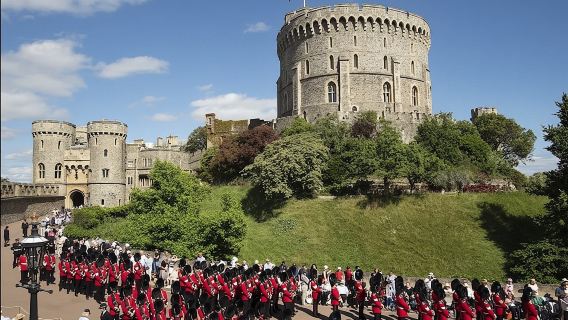 Duration: 690 minsEnglish4.7/5Outstanding· 3.7k reviews· 29 bookedFromSGD 154.69
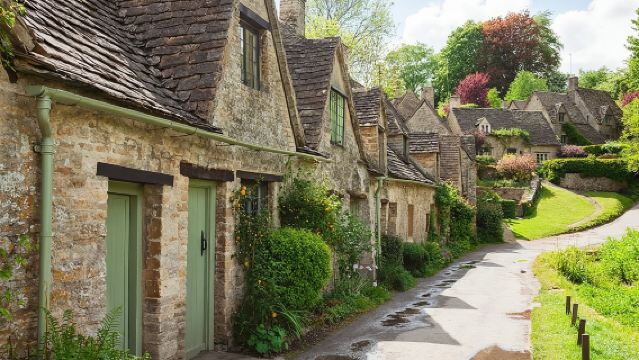 FromSGD 224.20
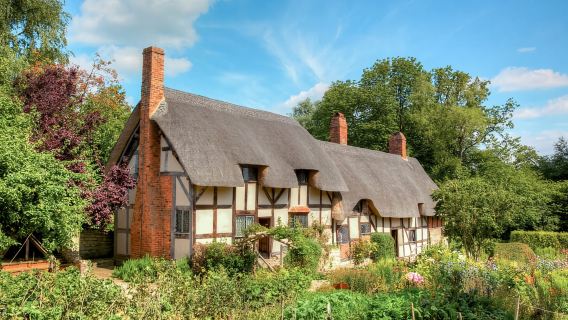 Duration: 10.5 hrsEnglish4.8/5Outstanding· 733 reviews5% offLimited-time saleFromSGD 128.69SGD 135.47
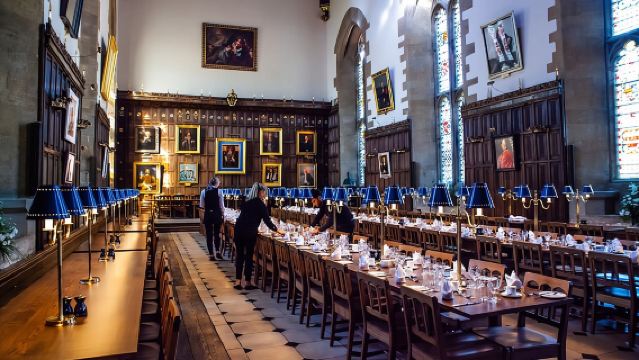 Duration: 3 hrsEnglish4.9/5Perfect· 391 reviewsFromSGD 139.03
 FromSGD 47.86
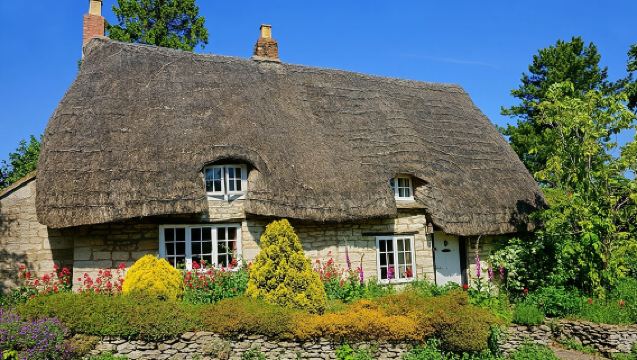 Duration: 630 mins4.6/5Excellent· 851 reviewsFromSGD 154.69
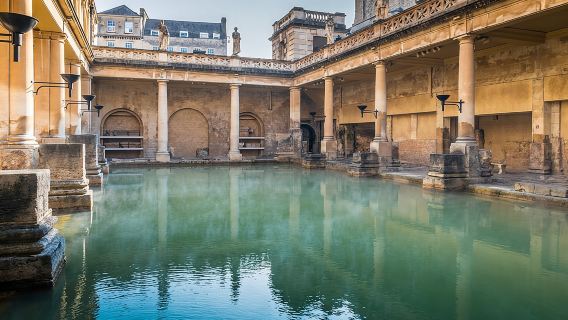 Trip.SelectDuration: 11 hrsEnglish4.7/5Very good· 703 reviews· 40 bookedFromSGD 132.83
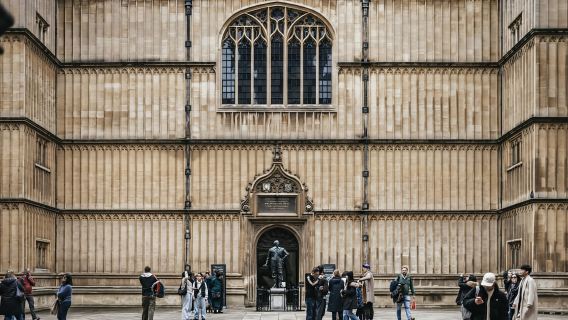 Duration: 10 hrsEnglish4.7/5Very good· 179 reviews5% offLimited-time saleFromSGD 97.65SGD 102.79
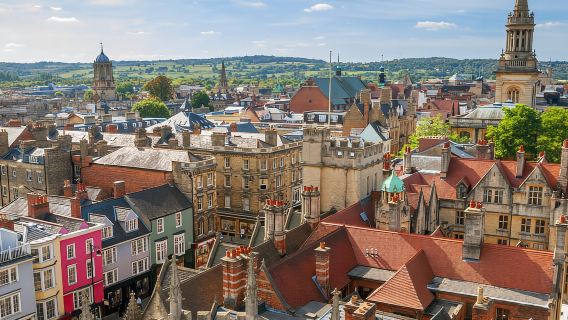 5% offLimited-time saleFromSGD 95.34SGD 100.36
 5% offLimited-time saleFromSGD 138.09SGD 145.36
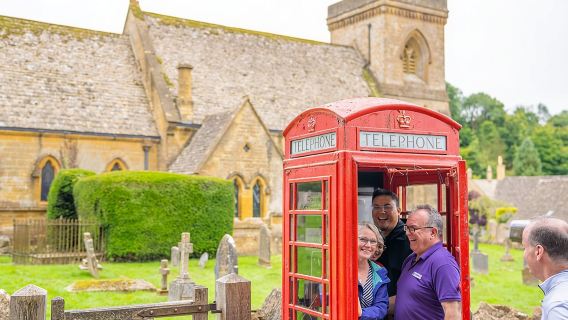 Duration: 435 minsEnglish4.9/5Excellent· 894 reviewsFromSGD 140.69
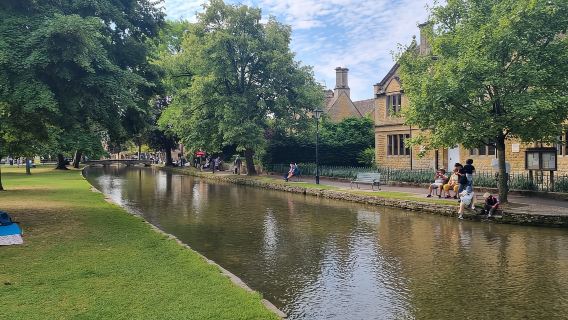 Duration: 10.5 hrsEnglish4.9/5Excellent· 133 reviews5% offLimited-time saleFromSGD 114.10SGD 120.11
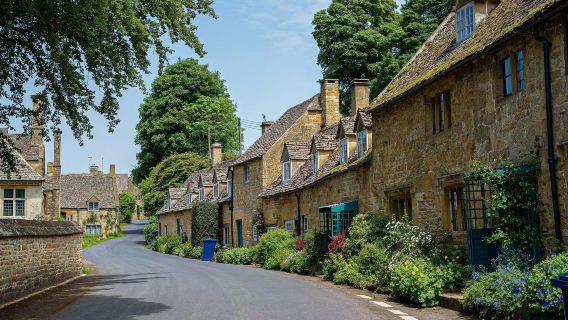 FromSGD 305.27
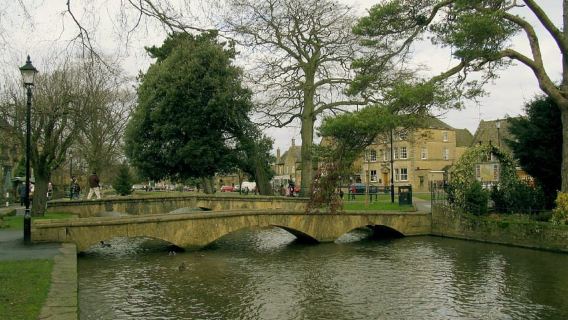 5% offLimited-time saleFromSGD 131.67SGD 138.61
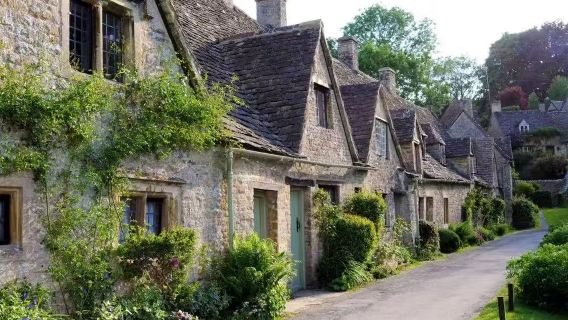 FromSGD 213.69
![Cotswold Way + London Day Tour [Private Charter | Chinese-Speaking Guide | Customizable Itinerary]](https://ak-d.tripcdn.com/images/0352y12000hm0fxin74FA_C_568_320.png?_fr=wc) FromSGD 840.71
FromSGD 840.71 Duration: 11.1 hrsEnglishFromSGD 227.94
 5% offLimited-time saleFromSGD 258.05SGD 271.64
 FromSGD 290.23
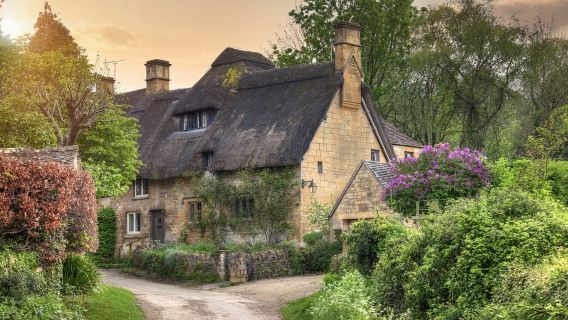
Explore top experiences
See what other travelers love, based on ratings and bookings
Frequently asked questions about Cirencester Day tours
How many Day tours are available in Cirencester on Trip.com?
What are the best Day tours in Cirencester?
What are the top-rated Day tours in Cirencester?
What are the recommended itineraries in Cirencester?
How can I contact Trip.com customer support?
Can I change or cancel my booking?
How can I get discounted prices?
Trip.com picks
Popular products
Popular activities
More popular destinations
Reviews/Trip Moments


About




Site Operator: Trip.com Travel Singapore Pte. Ltd.