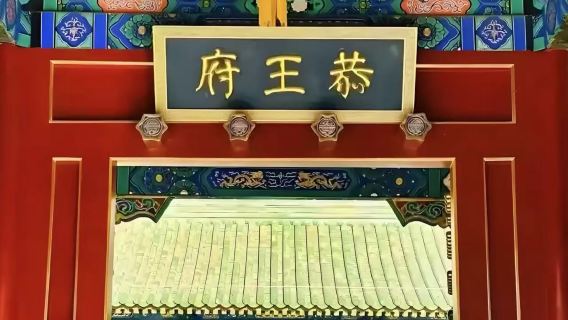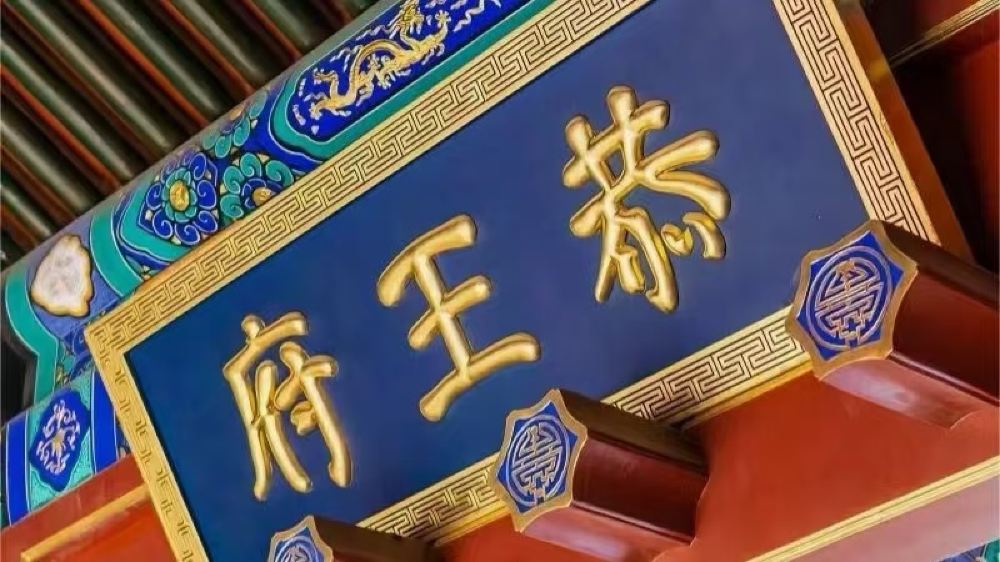
▲ Location Prince Kung's Palace Museum was meticulously situated. Legend has it that Beijing has two dragon veins: one is the "earth dragon," referring to the central axis of the city, where buildings were typically reserved for imperial use. The other is the "water dragon," formed by the interconnected line of Shichahai, Houhai, and Beihai lakes. Compared to the earth dragon, construction along the water dragon faced fewer restrictions, and its shape was less conspicuous, allowing Heshen to exploit this loophole.
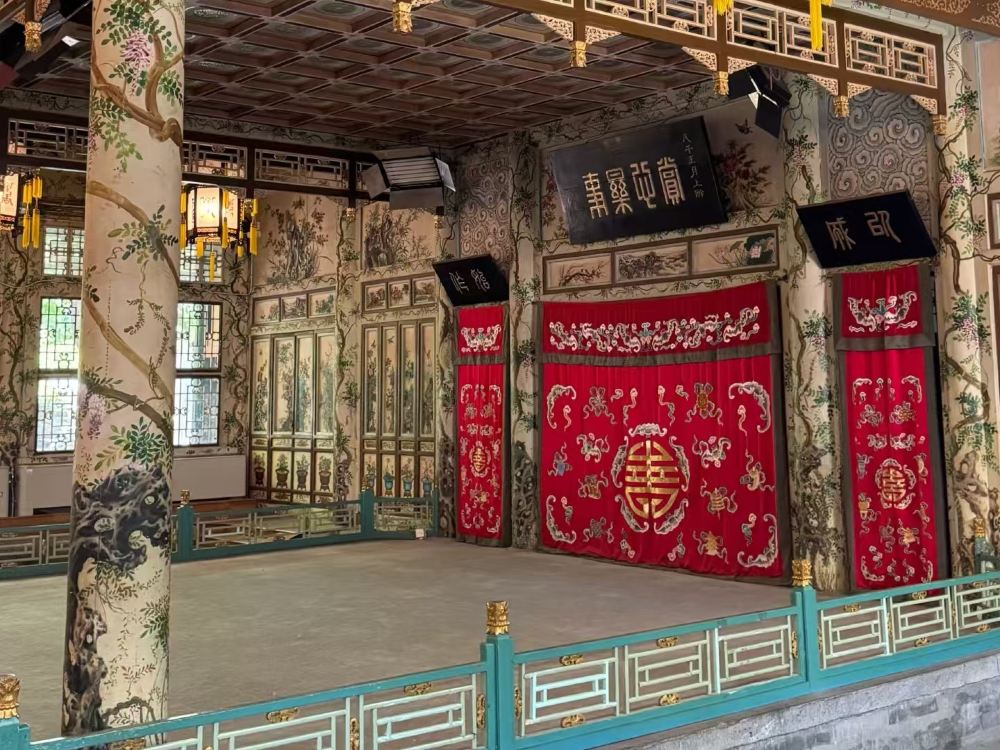
▲ The Grand Theater was constructed using special sound-amplifying wood with a unique internal structure, allowing performers to be heard clearly without microphones and ensuring excellent visibility from every seat—one of the three marvels.
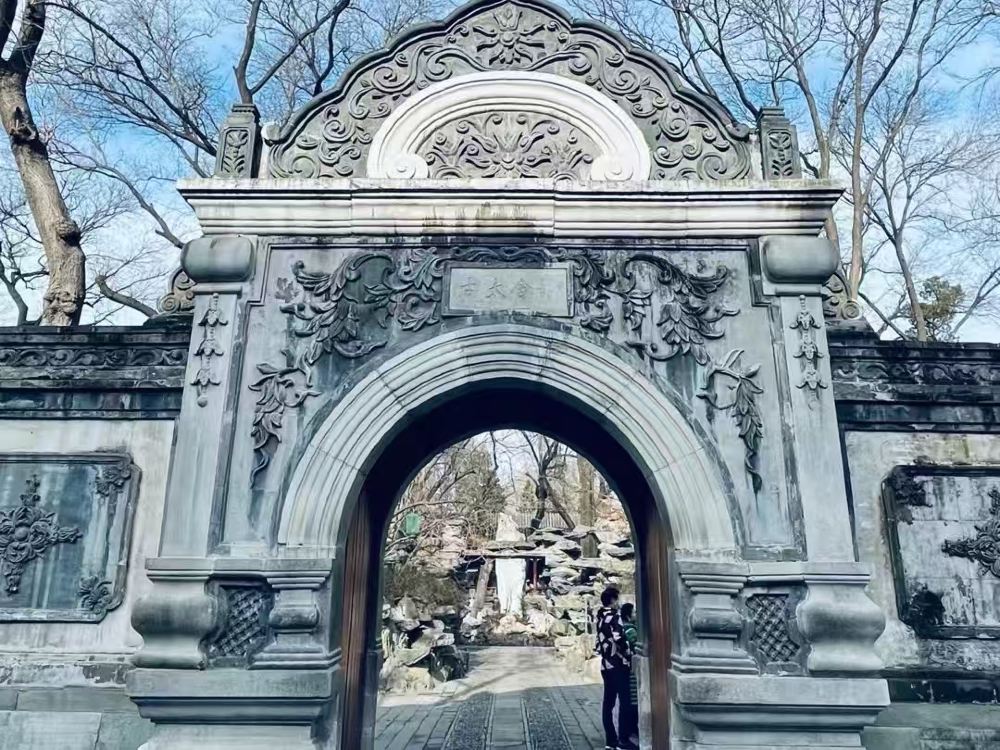
▲ The Xiyang Gate is also the only Western-style structure in the garden, reflecting the owner's hope of saving Qing dynasty rule by learning Western culture and technology. It is also one of the three highlights of Prince Kung's Palace Museum.
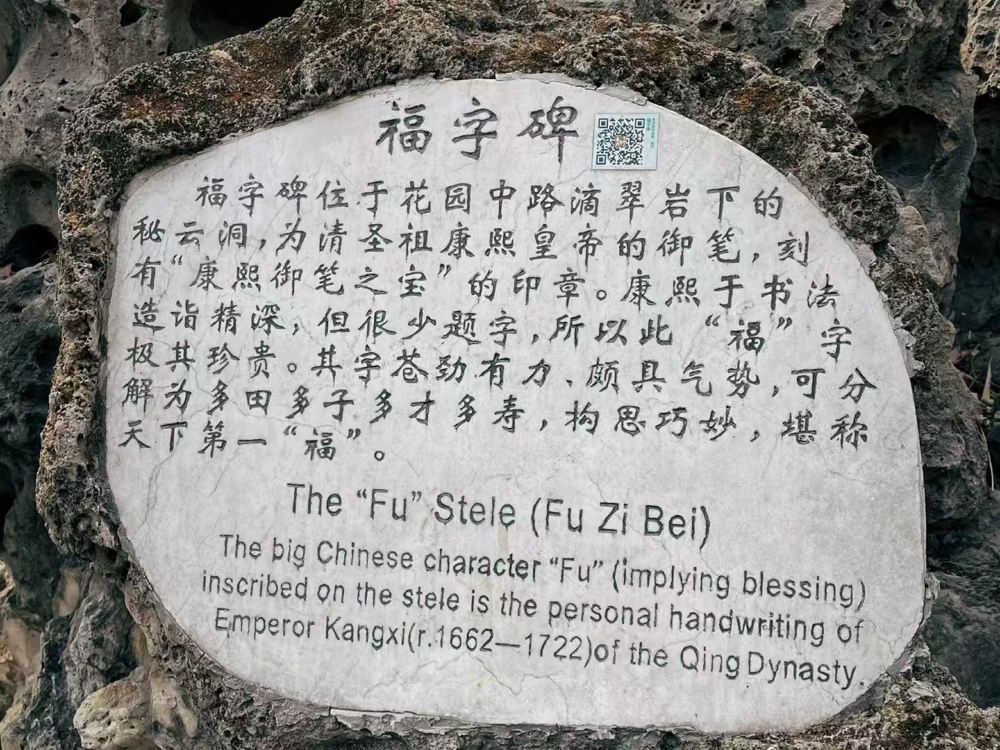
▲ The "Fu" Stele at Prince Kung's Palace Museum is renowned as the "Number One Source of Blessings in the World." Located in the Miyun Cave of the palace garden in Beijing, this stele bears the Chinese character "Fu" (meaning "blessing") personally inscribed by Emperor Kangxi and stamped with his imperial seal "Treasure of Kangxi's Imperial Brush." It represents one of the "Three Wonders and One Treasure" of the palace.
▲ Historical Background Prince Kung's Palace Museum is located on Liuyin Street in Xicheng District, Beijing. Built in 1776 during the 41st year of Emperor Qianlong's reign in the Qing Dynasty, it was originally the private residence of Heshen, a high-ranking official. After Heshen was prosecuted for corruption by Emperor Jiaqing, the property changed hands and was eventually bestowed upon Prince Gong Yixin during the Xianfeng era, hence the name "Prince Kung's Palace." The palace not only served as Heshen's residence but also stands as an important witness to Qing Dynasty history, earning the saying, "One Prince Kung's Palace tells half the history of the Qing Dynasty."