![[Christmas Market] Old Town Square + Museum + St. Vitus Cathedral Day Tour](data:image/webp;base64,UklGRhYNAABXRUJQVlA4WAoAAAAgAAAAZAQAZAQASUNDUCQCAAAAAAIkYXBwbAQAAABtbnRyUkdCIFhZWiAH4QAHAAcADQAWACBhY3NwQVBQTAAAAABBUFBMAAAAAAAAAAAAAAAAAAAAAAAA9tYAAQAAAADTLWFwcGzKGpWCJX8QTTiZE9XR6hWCAAAAAAAAAAAAAAAAAAAAAAAAAAAAAAAAAAAAAAAAAApkZXNjAAAA/AAAAGVjcHJ0AAABZAAAACN3dHB0AAABiAAAABRyWFlaAAABnAAAABRnWFlaAAABsAAAABRiWFlaAAABxAAAABRyVFJDAAAB2AAAACBjaGFkAAAB+AAAACxiVFJDAAAB2AAAACBnVFJDAAAB2AAAACBkZXNjAAAAAAAAAAtEaXNwbGF5IFAzAAAAAAAAAAAAAAAAAAAAAAAAAAAAAAAAAAAAAAAAAAAAAAAAAAAAAAAAAAAAAAAAAAAAAAAAAAAAAAAAAAAAAAAAAAAAAAAAAAAAAAAAAAAAAHRleHQAAAAAQ29weXJpZ2h0IEFwcGxlIEluYy4sIDIwMTcAAFhZWiAAAAAAAADzUQABAAAAARbMWFlaIAAAAAAAAIPfAAA9v////7tYWVogAAAAAAAASr8AALE3AAAKuVhZWiAAAAAAAAAoOAAAEQsAAMi5cGFyYQAAAAAAAwAAAAJmZgAA8qcAAA1ZAAAT0AAACltzZjMyAAAAAAABDEIAAAXe///zJgAAB5MAAP2Q///7ov///aMAAAPcAADAblZQOCDMCgAAMC0BnQEqZQRlBD51OplKpKMiIaASCBiQDolpbuF3YR69H8pb0WcX4fAAVphqqTZMQ6qk2TEOqpNkxDqqTZMQ6qk2TEOqpNkxDqqTZMQ6qk2TEOqpNkxDqqTZMQ6qk2TEOqpNkxDqqTZMQ6qk2TEOqpNkxDqqTZMQ6qk2TEOqpNkxDqqTZMQ6qk2TEOqpNkxDqqTZMQ6qk2TEOqpNkxDqqTZMQ6qk2TEOqpNkxDqqTZMQ6qk2TEOqpNkxDqqTZMQ6qk2TEOqpNkxDqqTZMQ6qk2TEOqpNkxDqqTZMQ6qk2TEOqpNkxDqqTZMQ6qk2TEOqpNkxDqqTZMQ6qk2TEOqpNkxDqqTZMQ6qk2TEOqpNkxDqqTZMQ6qk2TEOqpNkxDqqTZMQ6qk2TEOqpNkxDqqTZMQ6qk2TEOqpNkxDqqTZMQ6qk2TEOqpNkxDqqTZMQ6qk2TEOqpNkxDqqTZMQ6qk2TEOqpNkxDqqTZMQ6qk2TEOqpNkxDqqTZMQ6qk2TEOqpNkxDqqTZMQ6qk2TEOqpNkxDqqTZMQ6qk2TEOqpNkxDqqTZMQ6qk2TEOqpNkxDqqTZMQ6qk2TEOqpNkxDqqTZMQ6qk2TEOqpNkxDqqTZMQ6qk2TEOqpNkxDqqTZMQ6qk2TEOqpNkxDqqTZMQ6qk2TEOqpNkxDqqTZMQ6qk2TEOqpNkxDqqTZMQ6qk2TEOqpNkxDqqTZMQ6qk2TEOqpNkxDqqTZMQ6qk2TEOqpNkxDqqTZMQ6qk2TEOqpNkxDqqTZMQ6qk2TEOqpNkxDqqTZMQ6qk2TEOqpNkxDqqTZMQ6qk2TEOqpNkxDqqTZMQ6qk2TEOqpNkxDqqTZMQ6qk2TEOqpNkxDqqTZMQ6qk2TEOqpNkxDqqTZMQ6qk2TEOqpNkxDqqTZMQ6qk2TEOqpNkxDqqTZMQ6qk2TEOqpNkxDqqTZMQ6qk2TEOqpNkxDqqTZMQ6qk2TEOqpNkxDqqTZMQ6qk2TEOqpNkxDqqTZMQ6qk2TEOqpNkxDqqTZMQ6qk2TEOqpNkxDqqTZMQ6qk2TEOqpNkxDqqTZMQ6qk2TEOqpNkxDqqTZMQ6qk2TEOqpNkxDqqTZMQ6qk2TEOqpNkxDqqTZMQ6qk2TEOqpNkxDqqTZMQ6qk2TEOqpNkxDqqTZMQ6qk2TEOqpNkxDqqTZMQ6qk2TEOqpNkxDqqTZMQ6qk2TEOqpNkxDqqTZMQ6qk2TEOqpNkxDqqTZMQ6qk2TEOqpNkxDqqTZMQ6qk2TEOqpNkxDqqTZMQ4Q4e4y8Rz16MvEc9ejLxHPXoy8Rz16MvEc9ejLxHPXYLrUl+0HaQA25DjLxHPXoy8Rz16MvEc9ejLxHPXoy8Rz16MvEZSAd+wyzHgIewW2Zlbas3+3QFqFHDvvz16MvEc9ejLxHPXoy8Rz16MvEc9ejLw9Oem0o0qUTd1njpSTxxvz+UIQ1SwN06+JGENVSbJiHVUmyYh1VJsmIdVSbJiHVUmyYh1ZEroH+qqbFYBP9f+zCmdQQ1VJsmIdVSbJiHVUmyYh1VJsmIdVSbJiHVTZQWid8vIAW6B5hydBNyCGqpNkxDqqTZMQ6qk2TEOqpNkxDqqTZMQ6qbKv34rDoky1oQFUQTontcIK0gBlWiXHIIaqk2TEOqpNkxDqqTZMQ6qk2TEOqpNkxDeQjCloCfdCs6qOS6zziWUYb7RZRbJluW8Rz16MvEc9ejLxHPXoy8Rz16MvEc9ejLxHKF4xmqUFetnXkhUW0VQPJl0/FzGoYKM9KJBJsmIdVSbJiHVUmyYh1VJsmIdVSbJiHVUmyCVP4Ff+iUBKzVlwfT5jYIyEgFVbFymfEgcFXFCAtNuYTLqbxGHiOevRl4jnr0ZeI569GXiOevRl4jnr0ZeI8SaOPt4QO5srn1JnYtiWrv0luwNavZsv1JgWnxWDljXjkENVSbJiHVUmyYh1VJsmIdVSbJiHVUmyYhvLJVIe3OSgh82JeTBxV/nYynNBDVUmyYh1VJsmIdVSbJiHVUmyYh1VJsmIdVSbKCl7789ejLxHPXoy8Rz16MvEc9ejLxHPXoy8Rz16MvEc9ejLxHPXoy8Rz16MvEc9ejLxHPXoy8Rz16MvEc9ejLxHPXoy8Rz16MvEc9ejLxHPXoy8Rz16MvEc9ejLxHPXoy8Rz16MvEc9ejLxHPXoy8Rz16MvEc9ejLxHPXoy8Rz16MvEc9ejLxHPXoy8Rz16MvEc9ejLxHPXoy8Rz16MvEc9ejLxHPXoy8Rz16MvEc9ejLxHPXoy8Rz16MvEc9ejLxHPXoy8Rz16MvEc9ejLxHPXoy8Rz16MvEc9ejLxHPXoy8Rz16MvEc9ejLxHPXoy8Rz16MvEc9ejLxHPXoy8Rz16MvEc9ejLxHPXoy8Rz16MvEc9ejLxHPXoy8Rz16MvEc9ejLxHPXoy8Rz16MvEc9ejLxHPXoy8Rz16MvEc9ejLxHPXoy8Rz16MvEc9ejLxHPXoy8Rz16MvEc9ejLxHPXoy8Rz16MvEc9ejLxHPXoy8Rz16MvEc9ejLxHPXoy8Rz16MvEc9ejLxHPXoy8Rz16MvEc9ejLxHPXoy8Rz16MvEc9ejLxHPXoy8Rz16MvEc9ejLxHPXoy8Rz16MvEc9ejLxHPXoy8Rz16MvEc9ejLxHPXoy8Rz16MvEc9ejLxHPXoy8Rz16MvEc9ejLxHPXoy8Rz16MvEc9ejLxHPXoy8Rz16MvEc9ejLxHPXoy8Rz16MvEc9ejLxHPXoy8Rz16MvEc9ejLxHPXoy8Rz16MvEc9ejLxHPXoy8Rz16MvEc9ejLxHPXoy8Rz16MvEc9ejLxHPXoy8Rz16MvEc9ejLxHPXoy8Rz16MvEc9ejLxHPXoy8Rz16MvEc9ejLxHPXoy8Rz16MvEc9ejLxHPXoy8Rz16MvEc9ejLxHPXoy8Rz16MvEc9ejLxHPXoy8Rz16MvEc9ejLxHPXoy8Rz16MvEc9ejLxHPXoy8Rz16MvEc9ejLxHPXoy8Rz16MvEc9ejLxHPXoy8Rz16MvEc9ejLxHPXoy8Rz16MvEc9ejLxHPXoy8Rz16MvEc9ejLxHPXoy8Rz16MvEc9ejLxHPXoy8Rz16MvEc9ejLxHPXoy8Rz16MvEc9ejLxHPXoy8Rz16MvEc9ejLxHPXoy8Rz16MvEc9ejLxHPXoy8Rz16MvEc9ejLxHPXoy8Rz16MvEc9ejLxHPXoy8Rz16MvEc9ejLxHPXoy8Rz16MvEc9eioAAP7/4vC2LEQAAAAAAAAAAAAAAAAAAAAAAAAAAAAAAAAAAAAAAAAAAAAAAAAAAAAAAAAAAAAAAAAAAABps4ATP0udazyHzBxVasdQajicYP97oruYQAXhittIvZot8O6bZlPg5MPkP1xm8kLCuntWV2Q4gF8bX0AGuY6RZaVpoUzaeFlE3lCqAqWpLgDnmhngAT2DovvpGMvyA78nzjPcKAYbg0oWvLfZ0gvK2MlQIAVO85VUeHh36OfDS9qFDVkgeQMRgQB4TTZK5HzzIyPyf3NtaKWqLEEcagCmiWjkz0Nxm3CPuBAACWaov5j+tGVnVHZ3hQBD8cA3MTW1L5m7w3NDAQ4WHBYspHl48O/AgBvye7T71zxOUOLz7NKj0sC8VKkIAAAAAAAAAAAAAAAAAAAAAAAAAAAAAAAAAAAAAAAAAAAAAAAAAAAAAAAAAAAAAAAAAAAAAAAAAA==)




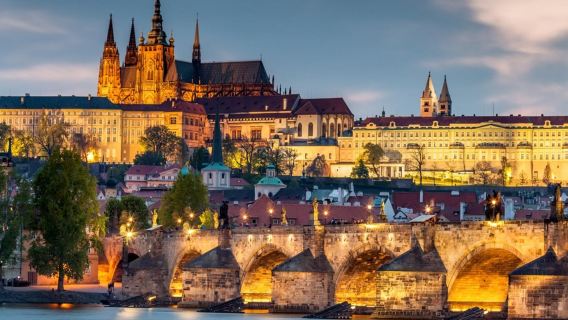
▲ The Old Royal Palace is located in the Third Courtyard of Prague Castle, adjacent to St. Vitus Cathedral. Built upon ancient Roman foundations and expanded over time, it gradually incorporated Gothic and Renaissance architectural elements, making it a living fossil that witnesses the evolution of European architectural styles.


▲ The Old Royal Palace was built in the 12th century and served as the residence of Bohemian kings until the Habsburg dynasty took over. Compared to the ornate St. Vitus Cathedral, the white-walled, red-roofed Old Royal Palace appears more simple and rustic, lacking elaborate gilded decorations or extensive relief murals.


▲ The palace features an asymmetrical layout, having been continuously renovated by successive rulers with layers added upward. It can now be roughly divided into three levels, with the most prominent being The Vladislav Hall - the centerpiece of the entire Old Royal Palace. Since its completion in the 16th century, this hall has hosted various important activities and celebrations. Its exquisite Gothic ribbed vaulting, intricately intertwined like vines, represents the architectural essence of the Old Royal Palace and is truly worth seeing.

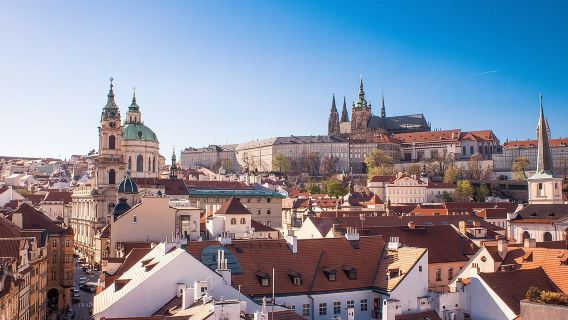
▲ St. Vitus Cathedral is Prague's largest and most significant church, serving as the coronation site and final resting place for royalty. Located within the Third Courtyard of Prague Castle, this architectural masterpiece began construction in the 14th century and took over six centuries to complete. The painstaking efforts of countless architects have resulted in a profoundly intricate work of art that continues to captivate visitors.

▲ As you step inside the church and look up, you'll notice the interior is supported by ancient stone pillars, with towering arches intersecting in a peculiar zigzag pattern. The exquisite stained glass windows make the space more luminous, while wood and stone carvings from different eras and styles complement each other perfectly, transforming the entire church into a museum-like spectacle that dazzles the eyes. In the third small chapel on the left, you can admire the stained glass window created by Czech Art Nouveau master Alfons Mucha in the 20th century, depicting the missionary scene of Saints Cyril and Methodius.

▲ The tomb of St. John of Nepomuk on the southeast side of the church is another highlight. This magnificent saint's tomb, crafted in 1736 by renowned Austrian architect Joseph Emanuel von Erlach, was made with 2 tons of pure silver. The statue of St. John features remarkably lifelike facial expressions and gestures, with guardian angels carved above it.

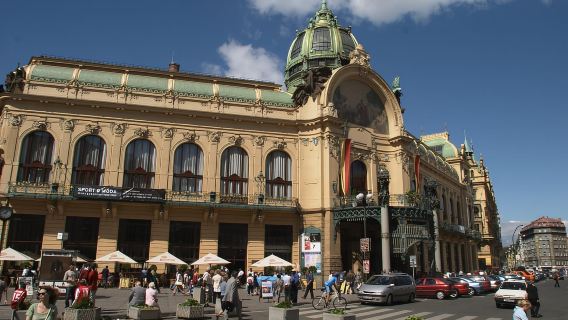
▲ The National Museum-Prague is a public museum in Prague and one of the larger and older museums in the Czech Republic. Its collection comprises up to 14 million items, covering various fields such as history, art, nature, and music, distributed across dozens of buildings.

▲ The National Museum-Prague is located at the top of Wenceslas Square, comprising a main building and a new wing. The main building, constructed in 1885 after the French Revolution, was designed by renowned Czech Neo-Renaissance architect Josef Schulz. From a distance, the structure resembles a massive "matchbox," while closer inspection reveals exquisite and delicate sculptural decorations, beautifully showcasing Neo-Renaissance architectural style. The museum suffered damage during multiple bombardments, and its scarred facade stands as a poignant testament to history.

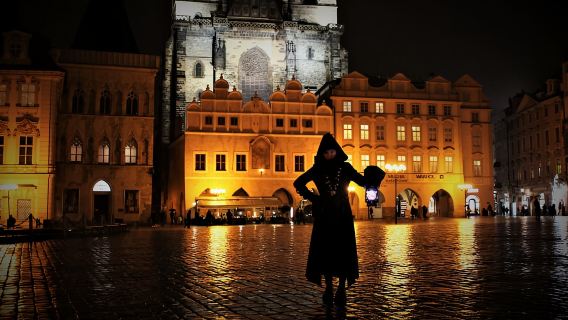
▲ Prague's Old Town Hall is a historically significant building constructed in the 14th century, located in Prague's Old Town.

▲ As an early center of municipal administration in Prague, this building has witnessed centuries of the city's development and transformation. The Old Town Hall attracts numerous visitors with its exquisite architectural details and rich historical stories. The exterior of the building is solemn and elegant, while the interior preserves many original stone carvings, murals, and ancient council chambers, showcasing the unique style of medieval European civic architecture.

▲ This venue has hosted numerous significant municipal activities and historical events, serving as an important window into Prague's political, social, and cultural transformations. Today, the Old Town Hall has become an integral part of Prague's historical heritage and is a must-visit destination for history enthusiasts and cultural explorers.

▲ The Prague Astronomical Clock is a medieval astronomical clock installed on the southern wall of the Old Town Hall in Old Town Square. It has not only become a popular tourist attraction but also a favored spot for locals to take wedding photos. On the hour, the procession of the Twelve Apostles appears accompanied by the chime of the clock, making it a particularly captivating sight to behold.

▲ Legend has it that to ensure no identical clock would ever exist, the craftsmen who built this clock were even blinded. During World War II, the clock was nearly destroyed by fire. It wasn't until 1948 that the astronomical clock was restored, followed by a second restoration in 1979. After a thousand years, this grand clock still keeps accurate time, and locals often stop by to synchronize their watches with it.

▲ The astronomical dial represents the positions of the sun and moon in the sky and displays various astronomical details. The Walk of the Apostles is a clockwork mechanism that displays the apostles and other moving statues every hour. Additionally, there is a calendar dial composed of medallions representing the months.

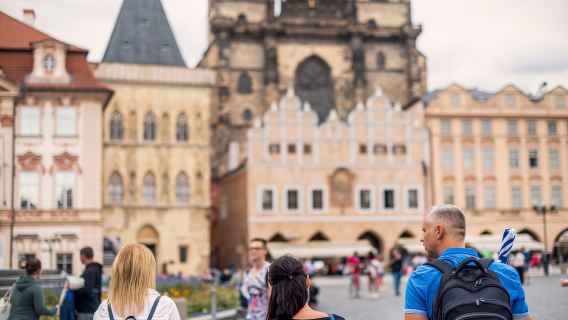
▲ "I stood in the square at dusk in Prague, casting hope into the wishing pool..." You must have heard Jolin Tsai's "Prague Square," right? This song describes the Old Town Square surrounded by medieval ancient buildings.


▲ In the center of the square stands a statue of Hus erected in 1915 to commemorate the 500th anniversary of the birth of Hus, the rector of Charles University. The surrounding buildings showcase diverse architectural styles, ranging from the Gothic masterpiece like the Church of Our Lady before Týn to the Baroque-style St. Nicholas Church. A major attraction for visitors is the Prague Astronomical Clock on the facade of the Old Town Hall. At every full hour, the clock chimes, the windows above it open, and the 12 apostles appear in procession, bowing to the onlookers.


▲ Old Town Square is not only a popular tourist destination but also frequently hosts New Year celebrations, holiday markets (Christmas and Easter), and various activities. On regular days, the square features performances by street artists and is a favorite spot for local youth to take wedding photos.