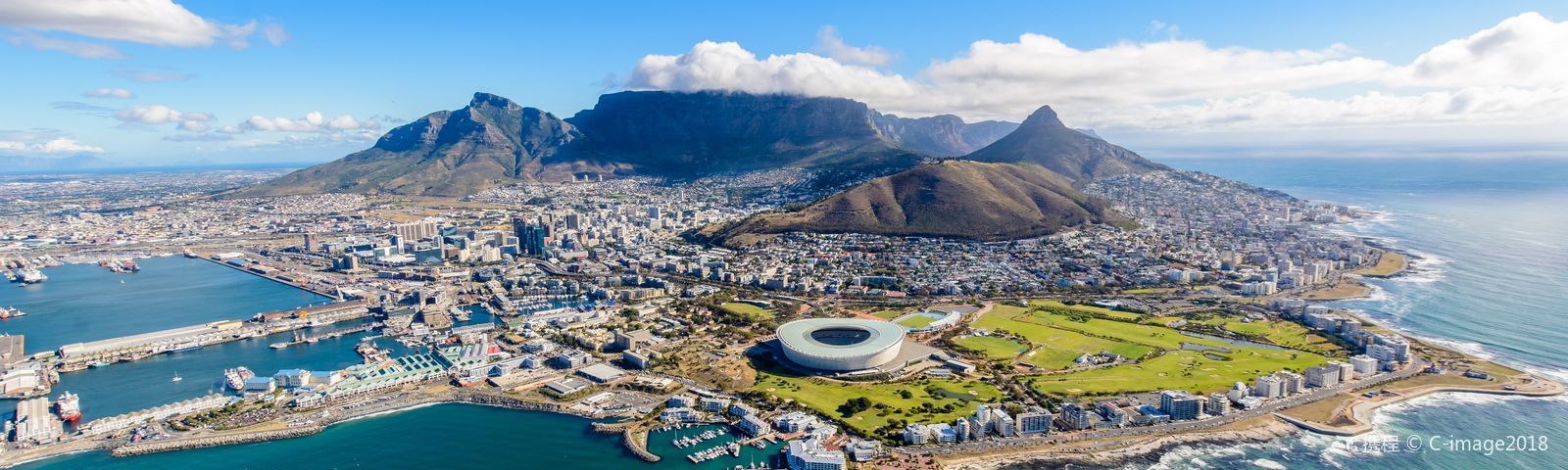
Top picks for Cape Town Day tours
Discover 422 Day tours in Cape Town on Trip.com, updated February 18, 2026, with experiences lasting from 1 to 12 hours. Find the perfect adventure for your day!
From HKD 37.17 per person, with an average total of HKD 956.88. Choose the option that suits your plan.
With 677 verified reviews, Day tours Cape Town boast an average rating of 4.8.
This week's most popular Day tours: "Cape Town: Hop-On Hop-Off Bus Tour with Optional Cruise", with 380 reviews and a 4.8 rating.
Now on Trip.com: "Cape Town Half-Day City Share Tour & Table Mountain ticket", a 4-hour adventure in Cape Town!
The next available day tour departs on February 19, 2026. Book now to secure your spot!
Cape Town Day tours usually take about 4 hours — perfect for a relaxed, immersive experience!
100% of Cape Town Day tours now offer English-speaking guides
February is the perfect time to visit Cape Town! Choose from Day tours available day tours, including seasonal favorites like Cape Town: Hop-On Hop-Off Bus Tour with Optional Cruise.
Your trip, worry-free! All day tours are run by licensed suppliers with verified reviews, and many include free cancellation before departure.
422 results for Cape Town Day tours
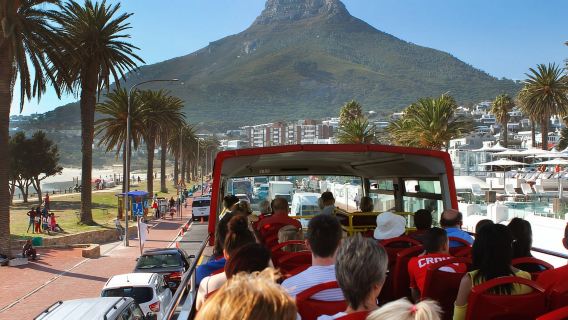 42 consecutive positive reviewsFree cancellationEnglish4.8/5Very good· 380 reviews5% offLimited-time saleFromHK$155.82HK$164.03
 Choose from premium experiences like whale watching, paragliding, or divingFree cancellationEnglish4.9/5Excellent· 7 reviews5% offLimited-time saleFromHK$1,765.88HK$1,858.83
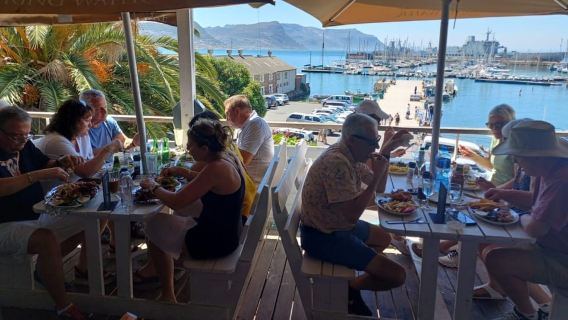 See the monuments of Adderley Street and visit the Castle of Good HopeFree cancellationBook now for todayDuration: 4 hrs5% offLimited-time saleFromHK$697.48HK$734.19
![Grand Canyon West Rim + Hoover Dam 1-day tour with English guide [Optional lunch, Skywalk]](https://ak-d.tripcdn.com/images/0353j12000re9b5d65687_C_568_320.jpg?_fr=wc) Trip.Select
Trip.Select 147 travelers savedFree cancellationDuration: 9.8 hrs4.6/5Satisfied· 18 reviews· 315 bookedFromHK$868.21
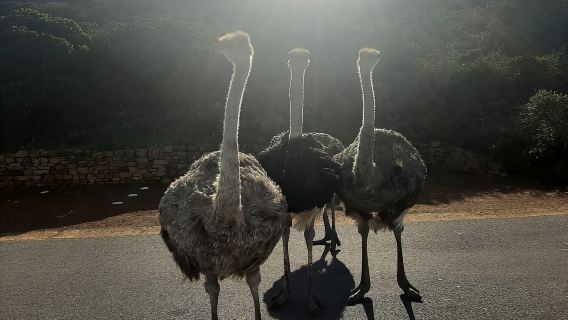
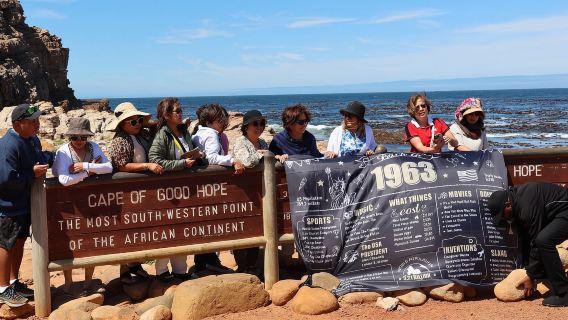
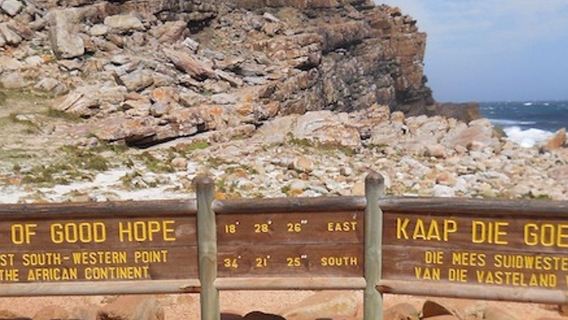
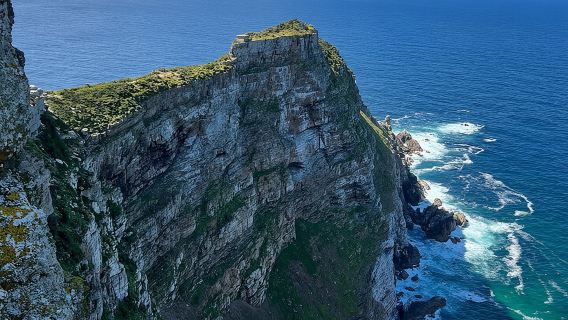
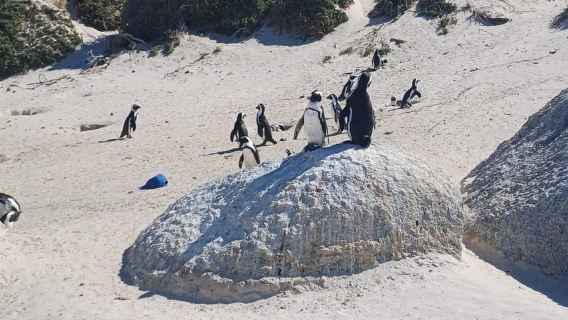 Discover the Cape of Good Hope and Cape Point where sea and mountains collideFree cancellationDuration: 9 hrs5% offLimited-time saleFromHK$480.78HK$506.09
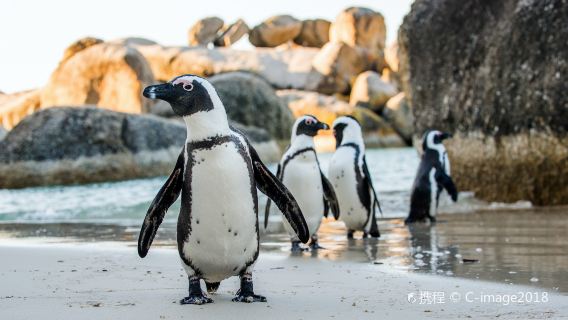
 Stop to see the African penguin colony at Boulders BeachFree cancellationBook now for todayDuration: 9 hrs5.0/5Excellent· 3 reviews5% offLimited-time saleFromHK$383.62HK$403.82
 Chinese private charter service, seamless communication, guaranteed travel experience!Free cancellationDuration: 11 hrsFromHK$124.49
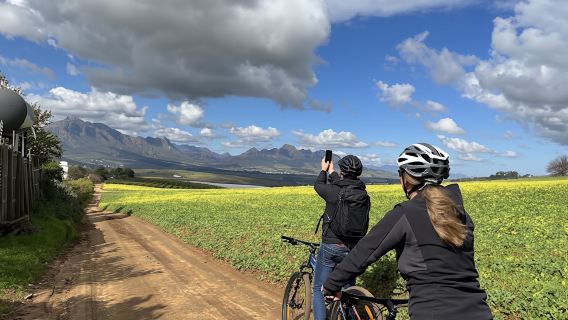
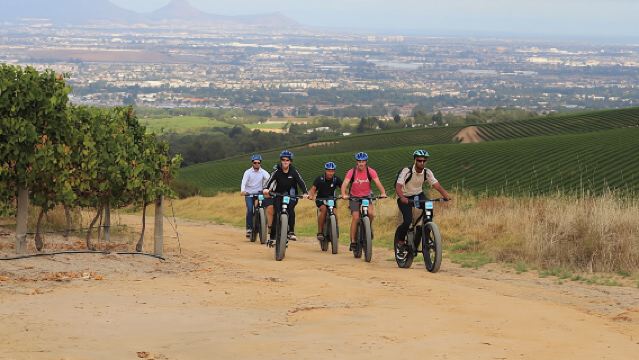
 Constantia Valley Wine Tours from Cape TownFree cancellationDuration: 5 hrs5% offLimited-time saleFromHK$1,162.93HK$1,224.14
 Enjoy Camps Bay BeachFree cancellationDuration: 8 hrs4.0/5Good· 2 reviews5% offLimited-time saleFromHK$1,023.40HK$1,077.27
 AFROGEM is our first stop from Cape Town Central or from your hotelFree cancellationDuration: 8 hrs5% offLimited-time saleFromHK$1,837.50HK$1,934.22
 Enjoy panoramic views of Cape Town from Dead Man's TreeFree cancellationBook now for todayDuration: 1.5 hrs5.0/5Excellent· 1 review5% offLimited-time saleFromHK$534.25HK$562.37
 Discover Nelson Mandela's historyFree cancellationBook now for todayDuration: 5 hrs4.5/5Satisfied· 6 reviews5% offLimited-time saleFromHK$930.03HK$978.98
 Cape Town Bo-KaapFree cancellationDuration: 7 hrs5.0/5Excellent· 1 review5% offLimited-time saleFromHK$604.72HK$636.55
 Discover Franschhoek, South Africa's Gourmet capital city.Free cancellationDuration: 8 hrs5% offLimited-time saleFromHK$814.11HK$856.96
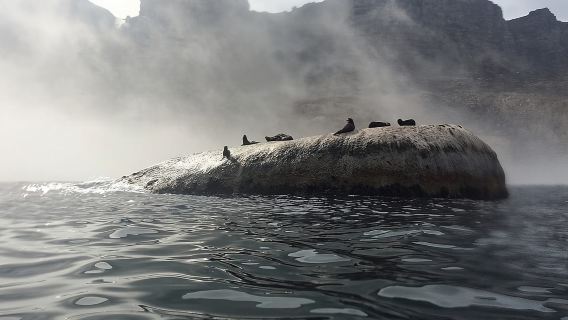 Enjoy a journey on a luxury catamaranFree cancellationBook now for todayDuration: 1.5 hrs4.6/5Satisfied· 41 reviews5% offLimited-time saleFromHK$511.70HK$538.64
 30 consecutive positive reviewsFree cancellationEnglish4.8/5Very good· 30 reviews5% offLimited-time saleFromHK$719.68HK$757.56
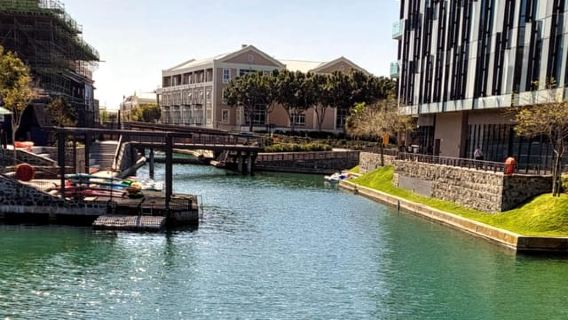 Enjoy a fun and safe pedal boat ride at the V&A Waterfront in Cape TownFree cancellationDuration: 30 mins4.9/5Excellent· 14 reviews5% offLimited-time saleFromHK$69.76HK$73.44
 Stop to see the African penguin colony at Boulders BeachFree cancellationBook now for todayDuration: 9 hrs5.0/5Excellent· 2 reviews5% offLimited-time saleFromHK$418.24HK$440.26
 Free cancellationBook now for todayDuration: 8 hrsFromHK$1,563.04
 Free cancellationBook now for todayDuration: 8 hrsFromHK$1,128.26
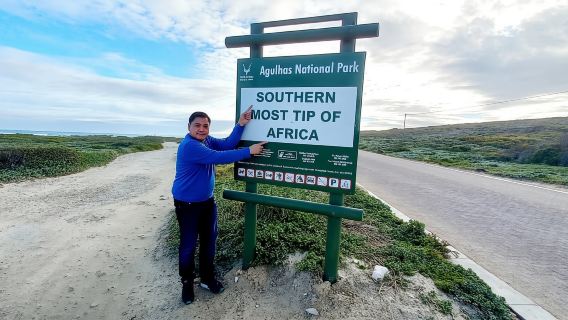 Cape Agulhas - to see where two oceans, Indian Ocean and Atlantic Ocean meet.Free cancellationBook now for todayEnglish5% offLimited-time saleFromHK$1,627.50HK$1,713.16
 Free cancellationBook now for todayDuration: 30 mins4.6/5Satisfied· 9 reviewsFromHK$1,164.27
 Discover the vibrant Bo-Kaap neighborhood and its colorful houses and streetsFree cancellationDuration: 8 hrs5% offLimited-time saleFromHK$1,395.04HK$1,468.47
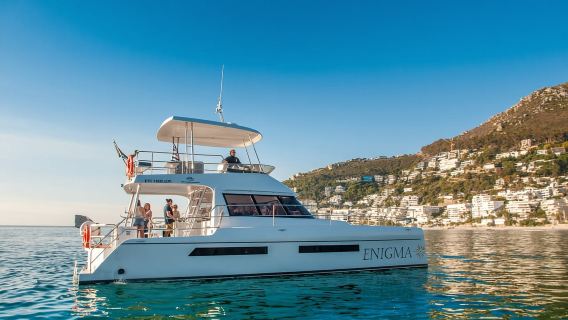 95% of travelers recommendFree cancellationBook now for todayDuration: 1 hr4.8/5Very good· 60 reviews5% offLimited-time saleFromHK$190.71HK$200.75
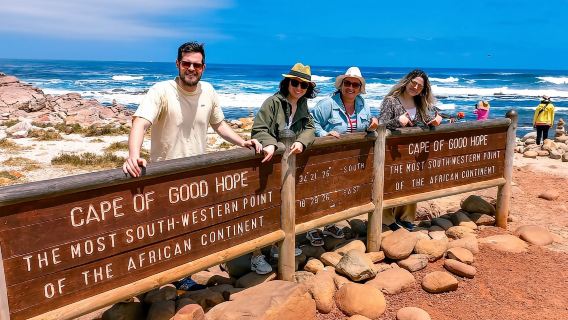 Avoid wasting time waiting for outsiders because the tour is only for your groupFree cancellationEnglish5.0/5Excellent· 3 reviews5% offLimited-time saleFromHK$1,115.98HK$1,174.72
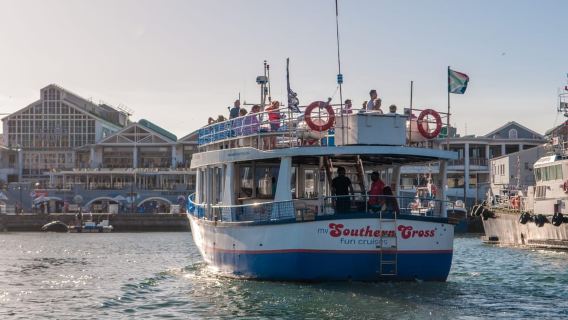 45 consecutive positive reviewsFree cancellationBook now for todayDuration: 30 mins4.6/5Satisfied· 78 reviews5% offLimited-time saleFromHK$37.17HK$39.13
 Visit Joshua Tree National Park's unique desert landscape.Free cancellationDuration: 6 hrsFromHK$1,133.02
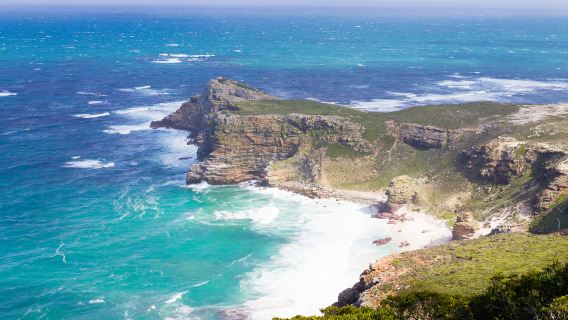 Duration: 12.5 hrs4.2/5Good· 5 reviews· 46 bookedFromHK$825.47
 Duration: 3.5–5 hrs5.0/5Excellent· 5 reviewsFromHK$448.83
 FromHK$570.55
 FromHK$1,274.62











Frequently asked questions about Cape Town Day tours
How many Day tours are available in Cape Town on Trip.com?
What are the best Day tours in Cape Town?
What are the top-rated Day tours in Cape Town?
How can I contact Trip.com customer support?
Can I change or cancel my booking?
How can I get discounted prices?
Reviews/Trip Moments
Trip.com Picks
Popular Cape Town Tours
Best Cape Town Experiences
Popular Products
Popular Activities
More Popular Destinations


About




Site Operator: Trip.com Travel Singapore Pte. Ltd.