![[Shanghai-Gusu Water Town] Master-of-Nets Garden(Wangshi Garden) + Surging Waves Pavilion(Canglang Pavilion) + Couple's Retreat Garden(Ouyuan Garden) + Xiyuan Temple + Cruise Sightseeing](data:image/webp;base64,UklGRhYNAABXRUJQVlA4WAoAAAAgAAAAZAQAZAQASUNDUCQCAAAAAAIkYXBwbAQAAABtbnRyUkdCIFhZWiAH4QAHAAcADQAWACBhY3NwQVBQTAAAAABBUFBMAAAAAAAAAAAAAAAAAAAAAAAA9tYAAQAAAADTLWFwcGzKGpWCJX8QTTiZE9XR6hWCAAAAAAAAAAAAAAAAAAAAAAAAAAAAAAAAAAAAAAAAAApkZXNjAAAA/AAAAGVjcHJ0AAABZAAAACN3dHB0AAABiAAAABRyWFlaAAABnAAAABRnWFlaAAABsAAAABRiWFlaAAABxAAAABRyVFJDAAAB2AAAACBjaGFkAAAB+AAAACxiVFJDAAAB2AAAACBnVFJDAAAB2AAAACBkZXNjAAAAAAAAAAtEaXNwbGF5IFAzAAAAAAAAAAAAAAAAAAAAAAAAAAAAAAAAAAAAAAAAAAAAAAAAAAAAAAAAAAAAAAAAAAAAAAAAAAAAAAAAAAAAAAAAAAAAAAAAAAAAAAAAAAAAAHRleHQAAAAAQ29weXJpZ2h0IEFwcGxlIEluYy4sIDIwMTcAAFhZWiAAAAAAAADzUQABAAAAARbMWFlaIAAAAAAAAIPfAAA9v////7tYWVogAAAAAAAASr8AALE3AAAKuVhZWiAAAAAAAAAoOAAAEQsAAMi5cGFyYQAAAAAAAwAAAAJmZgAA8qcAAA1ZAAAT0AAACltzZjMyAAAAAAABDEIAAAXe///zJgAAB5MAAP2Q///7ov///aMAAAPcAADAblZQOCDMCgAAMC0BnQEqZQRlBD51OplKpKMiIaASCBiQDolpbuF3YR69H8pb0WcX4fAAVphqqTZMQ6qk2TEOqpNkxDqqTZMQ6qk2TEOqpNkxDqqTZMQ6qk2TEOqpNkxDqqTZMQ6qk2TEOqpNkxDqqTZMQ6qk2TEOqpNkxDqqTZMQ6qk2TEOqpNkxDqqTZMQ6qk2TEOqpNkxDqqTZMQ6qk2TEOqpNkxDqqTZMQ6qk2TEOqpNkxDqqTZMQ6qk2TEOqpNkxDqqTZMQ6qk2TEOqpNkxDqqTZMQ6qk2TEOqpNkxDqqTZMQ6qk2TEOqpNkxDqqTZMQ6qk2TEOqpNkxDqqTZMQ6qk2TEOqpNkxDqqTZMQ6qk2TEOqpNkxDqqTZMQ6qk2TEOqpNkxDqqTZMQ6qk2TEOqpNkxDqqTZMQ6qk2TEOqpNkxDqqTZMQ6qk2TEOqpNkxDqqTZMQ6qk2TEOqpNkxDqqTZMQ6qk2TEOqpNkxDqqTZMQ6qk2TEOqpNkxDqqTZMQ6qk2TEOqpNkxDqqTZMQ6qk2TEOqpNkxDqqTZMQ6qk2TEOqpNkxDqqTZMQ6qk2TEOqpNkxDqqTZMQ6qk2TEOqpNkxDqqTZMQ6qk2TEOqpNkxDqqTZMQ6qk2TEOqpNkxDqqTZMQ6qk2TEOqpNkxDqqTZMQ6qk2TEOqpNkxDqqTZMQ6qk2TEOqpNkxDqqTZMQ6qk2TEOqpNkxDqqTZMQ6qk2TEOqpNkxDqqTZMQ6qk2TEOqpNkxDqqTZMQ6qk2TEOqpNkxDqqTZMQ6qk2TEOqpNkxDqqTZMQ6qk2TEOqpNkxDqqTZMQ6qk2TEOqpNkxDqqTZMQ6qk2TEOqpNkxDqqTZMQ6qk2TEOqpNkxDqqTZMQ6qk2TEOqpNkxDqqTZMQ6qk2TEOqpNkxDqqTZMQ6qk2TEOqpNkxDqqTZMQ6qk2TEOqpNkxDqqTZMQ6qk2TEOqpNkxDqqTZMQ6qk2TEOqpNkxDqqTZMQ6qk2TEOqpNkxDqqTZMQ6qk2TEOqpNkxDqqTZMQ6qk2TEOqpNkxDqqTZMQ6qk2TEOqpNkxDqqTZMQ6qk2TEOqpNkxDqqTZMQ6qk2TEOqpNkxDqqTZMQ6qk2TEOqpNkxDqqTZMQ6qk2TEOqpNkxDqqTZMQ6qk2TEOqpNkxDqqTZMQ6qk2TEOqpNkxDqqTZMQ6qk2TEOqpNkxDqqTZMQ6qk2TEOqpNkxDqqTZMQ6qk2TEOqpNkxDqqTZMQ6qk2TEOqpNkxDqqTZMQ6qk2TEOqpNkxDqqTZMQ4Q4e4y8Rz16MvEc9ejLxHPXoy8Rz16MvEc9ejLxHPXYLrUl+0HaQA25DjLxHPXoy8Rz16MvEc9ejLxHPXoy8Rz16MvEZSAd+wyzHgIewW2Zlbas3+3QFqFHDvvz16MvEc9ejLxHPXoy8Rz16MvEc9ejLw9Oem0o0qUTd1njpSTxxvz+UIQ1SwN06+JGENVSbJiHVUmyYh1VJsmIdVSbJiHVUmyYh1ZEroH+qqbFYBP9f+zCmdQQ1VJsmIdVSbJiHVUmyYh1VJsmIdVSbJiHVTZQWid8vIAW6B5hydBNyCGqpNkxDqqTZMQ6qk2TEOqpNkxDqqTZMQ6qbKv34rDoky1oQFUQTontcIK0gBlWiXHIIaqk2TEOqpNkxDqqTZMQ6qk2TEOqpNkxDeQjCloCfdCs6qOS6zziWUYb7RZRbJluW8Rz16MvEc9ejLxHPXoy8Rz16MvEc9ejLxHKF4xmqUFetnXkhUW0VQPJl0/FzGoYKM9KJBJsmIdVSbJiHVUmyYh1VJsmIdVSbJiHVUmyCVP4Ff+iUBKzVlwfT5jYIyEgFVbFymfEgcFXFCAtNuYTLqbxGHiOevRl4jnr0ZeI569GXiOevRl4jnr0ZeI8SaOPt4QO5srn1JnYtiWrv0luwNavZsv1JgWnxWDljXjkENVSbJiHVUmyYh1VJsmIdVSbJiHVUmyYhvLJVIe3OSgh82JeTBxV/nYynNBDVUmyYh1VJsmIdVSbJiHVUmyYh1VJsmIdVSbKCl7789ejLxHPXoy8Rz16MvEc9ejLxHPXoy8Rz16MvEc9ejLxHPXoy8Rz16MvEc9ejLxHPXoy8Rz16MvEc9ejLxHPXoy8Rz16MvEc9ejLxHPXoy8Rz16MvEc9ejLxHPXoy8Rz16MvEc9ejLxHPXoy8Rz16MvEc9ejLxHPXoy8Rz16MvEc9ejLxHPXoy8Rz16MvEc9ejLxHPXoy8Rz16MvEc9ejLxHPXoy8Rz16MvEc9ejLxHPXoy8Rz16MvEc9ejLxHPXoy8Rz16MvEc9ejLxHPXoy8Rz16MvEc9ejLxHPXoy8Rz16MvEc9ejLxHPXoy8Rz16MvEc9ejLxHPXoy8Rz16MvEc9ejLxHPXoy8Rz16MvEc9ejLxHPXoy8Rz16MvEc9ejLxHPXoy8Rz16MvEc9ejLxHPXoy8Rz16MvEc9ejLxHPXoy8Rz16MvEc9ejLxHPXoy8Rz16MvEc9ejLxHPXoy8Rz16MvEc9ejLxHPXoy8Rz16MvEc9ejLxHPXoy8Rz16MvEc9ejLxHPXoy8Rz16MvEc9ejLxHPXoy8Rz16MvEc9ejLxHPXoy8Rz16MvEc9ejLxHPXoy8Rz16MvEc9ejLxHPXoy8Rz16MvEc9ejLxHPXoy8Rz16MvEc9ejLxHPXoy8Rz16MvEc9ejLxHPXoy8Rz16MvEc9ejLxHPXoy8Rz16MvEc9ejLxHPXoy8Rz16MvEc9ejLxHPXoy8Rz16MvEc9ejLxHPXoy8Rz16MvEc9ejLxHPXoy8Rz16MvEc9ejLxHPXoy8Rz16MvEc9ejLxHPXoy8Rz16MvEc9ejLxHPXoy8Rz16MvEc9ejLxHPXoy8Rz16MvEc9ejLxHPXoy8Rz16MvEc9ejLxHPXoy8Rz16MvEc9ejLxHPXoy8Rz16MvEc9ejLxHPXoy8Rz16MvEc9ejLxHPXoy8Rz16MvEc9ejLxHPXoy8Rz16MvEc9ejLxHPXoy8Rz16MvEc9ejLxHPXoy8Rz16MvEc9ejLxHPXoy8Rz16MvEc9ejLxHPXoy8Rz16MvEc9ejLxHPXoy8Rz16MvEc9ejLxHPXoy8Rz16MvEc9ejLxHPXoy8Rz16MvEc9ejLxHPXoy8Rz16MvEc9ejLxHPXoy8Rz16MvEc9ejLxHPXoy8Rz16MvEc9ejLxHPXoy8Rz16MvEc9ejLxHPXoy8Rz16MvEc9ejLxHPXoy8Rz16MvEc9eioAAP7/4vC2LEQAAAAAAAAAAAAAAAAAAAAAAAAAAAAAAAAAAAAAAAAAAAAAAAAAAAAAAAAAAAAAAAAAAABps4ATP0udazyHzBxVasdQajicYP97oruYQAXhittIvZot8O6bZlPg5MPkP1xm8kLCuntWV2Q4gF8bX0AGuY6RZaVpoUzaeFlE3lCqAqWpLgDnmhngAT2DovvpGMvyA78nzjPcKAYbg0oWvLfZ0gvK2MlQIAVO85VUeHh36OfDS9qFDVkgeQMRgQB4TTZK5HzzIyPyf3NtaKWqLEEcagCmiWjkz0Nxm3CPuBAACWaov5j+tGVnVHZ3hQBD8cA3MTW1L5m7w3NDAQ4WHBYspHl48O/AgBvye7T71zxOUOLz7NKj0sC8VKkIAAAAAAAAAAAAAAAAAAAAAAAAAAAAAAAAAAAAAAAAAAAAAAAAAAAAAAAAAAAAAAAAAAAAAAAAAA==)


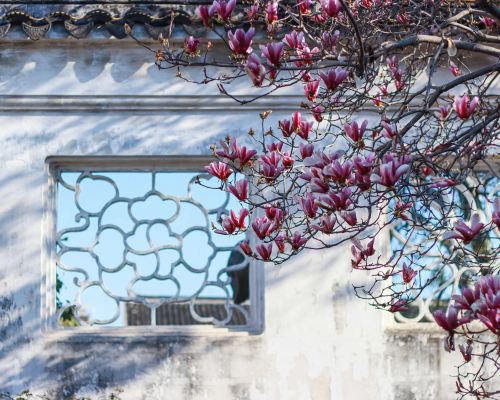
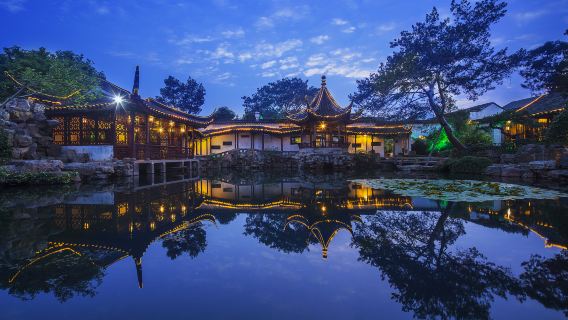
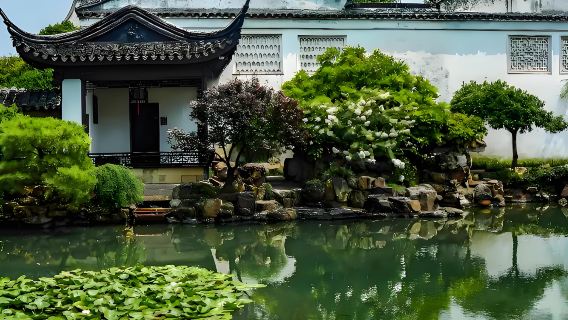
▲ The Master-of-Nets Garden (Wangshi Garden) is a quintessential Suzhou garden. Though its area is less than one-sixth of the Humble Administrator's Garden, its ingenious layout creates an expansive atmosphere with winding streams, bridges, and pavilions, exemplifying the concept of "seeing grandeur in smallness." Beyond appreciating its design marvels, another highlight is enjoying traditional performing arts during the annual Night Garden opening season.
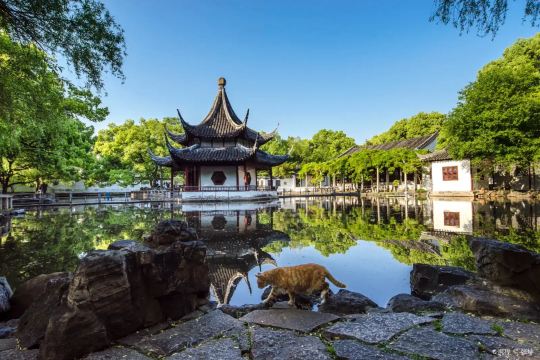
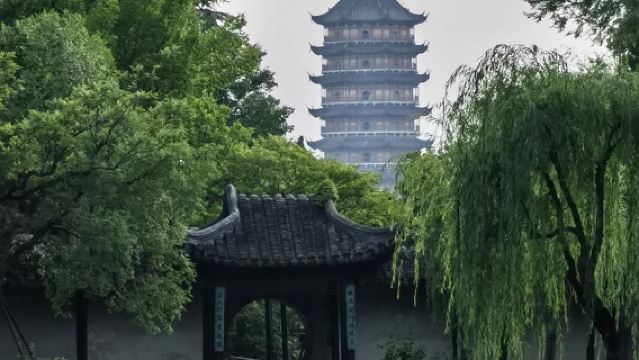
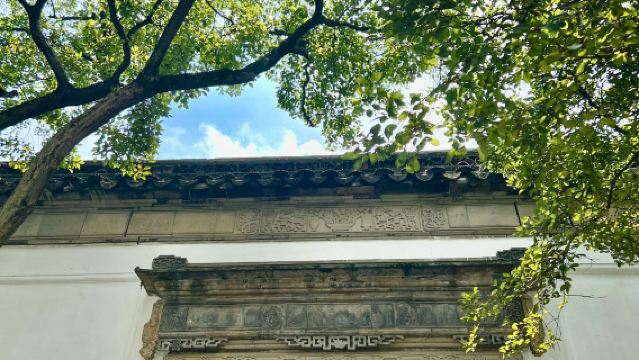
▲ Among Suzhou's existing gardens, the Surging Waves Pavilion (Canglang Pavilion) boasts the longest history. Alongside the Lion Grove Garden, Humble Administrator's Garden, and Lingering Garden, it represents Suzhou's garden styles from the Song, Yuan, Ming, and Qing dynasties respectively, collectively known as Suzhou's Four Great Gardens. Compared to other popular gardens, this tranquil spot offers fewer crowds. Its rockery landscapes are particularly outstanding, and the exquisite lattice windows along its double corridor are also worth admiring.
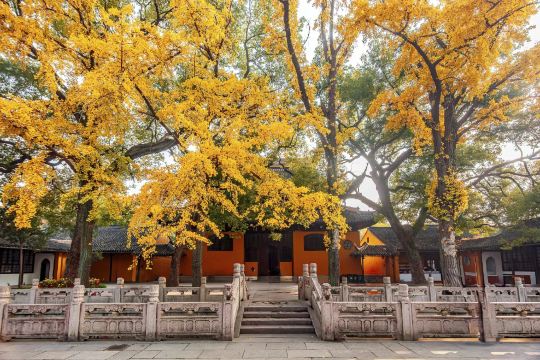
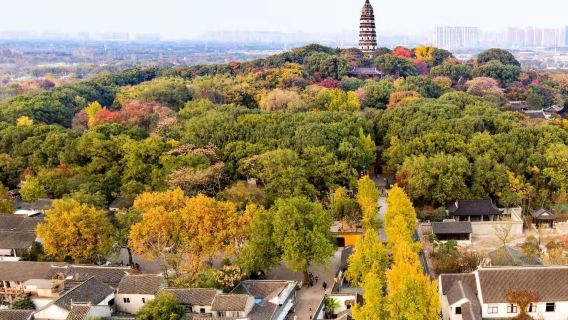
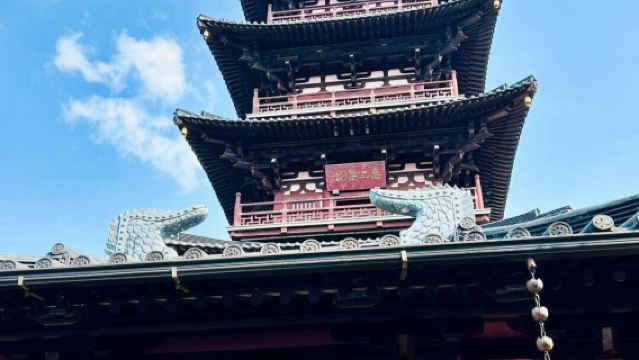
▲ Xiyuan Temple was originally built during the Zhizheng era of the Yuan Dynasty (1264-1294 AD) and was initially named Guiyuan Temple. The current structures were reconstructed during the Qing Dynasty. During the Jiajing era of the Ming Dynasty, it was temporarily converted into a private garden by Xu Taishi, the Minister of the Court of Imperial Stud who also built the Lingering Garden.
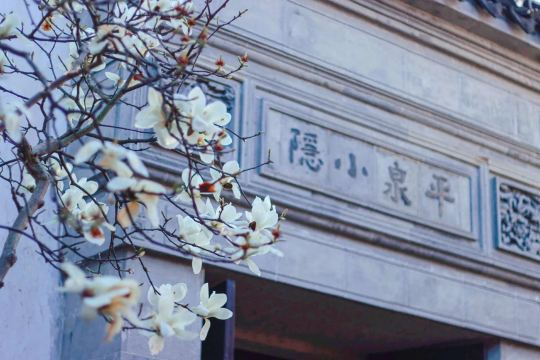
▲ Originally named She Garden, the Couple's Retreat Garden (Ouyuan Garden) was renovated by Shen Bingcheng during the Tongzhi reign of the Qing Dynasty into its current layout. The name "Ouyuan" carries dual meanings: first, it refers to the garden's structure resembling a lotus root, with residential quarters in the center flanked by east and west gardens; second, it symbolizes Shen's encounter with the talented Yan Yonghua during his life's low point, as the couple lived in seclusion here for eight years, embodying the notion of a "perfect match."