





▲ The itinerary goes to Tamborine National Park in the Gold Coast hinterland, not the Natural Bridge in Springbrook National Park. Although both are rainforest areas within the Gold Coast hinterland, the viewing locations, walking trails, and geological environments are different, so please pay attention to distinguishing them when booking.
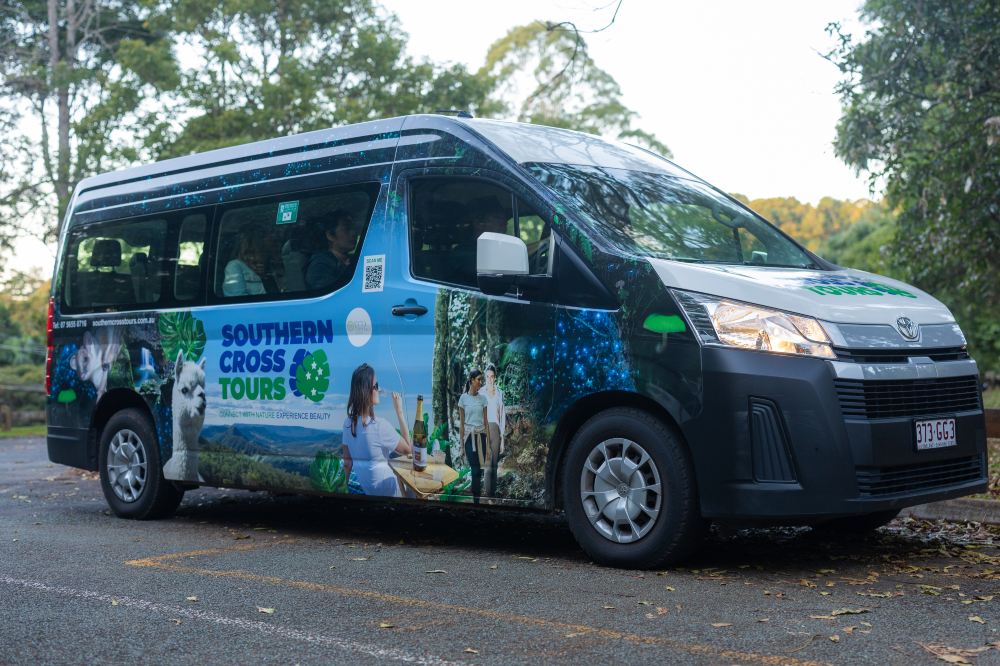
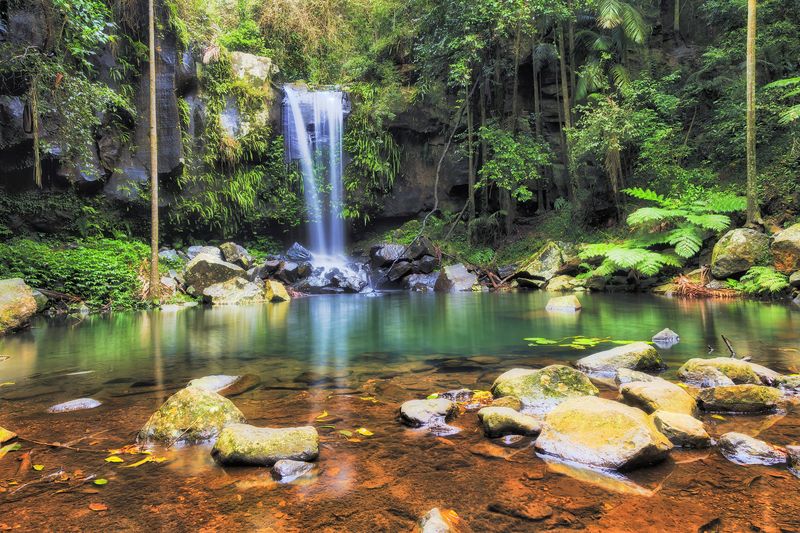
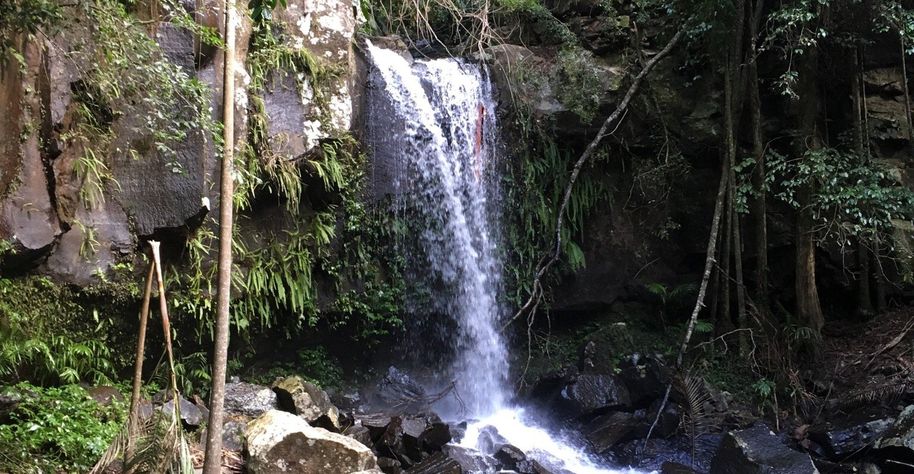
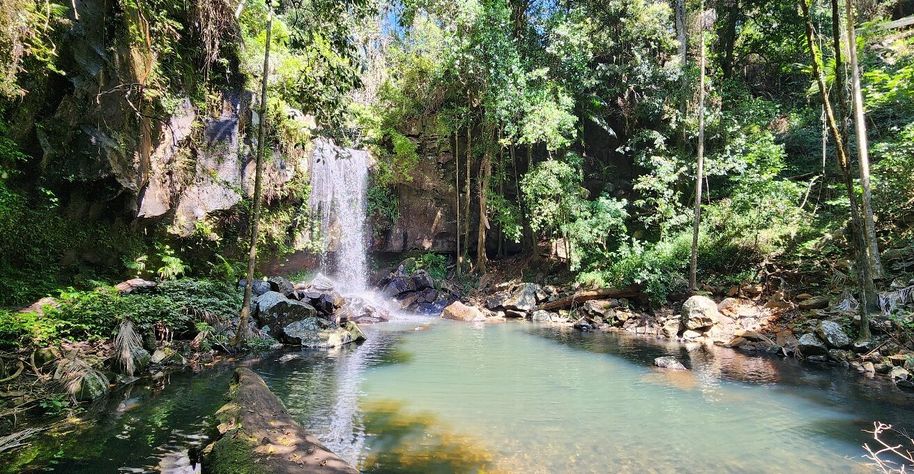
▲ Departing from Gold Coast, step into the subtropical rainforest of Tamborine Mountain after dark and observe the faint glow of blue light fireflies in their natural habitat beside the rock face of Curtis Falls. Small-group travel with a maximum of 16 people: the itinerary is conducted in small groups, with relatively ample space in the vehicle and on the walking trails, and a higher ratio of interaction between the guide and each traveler
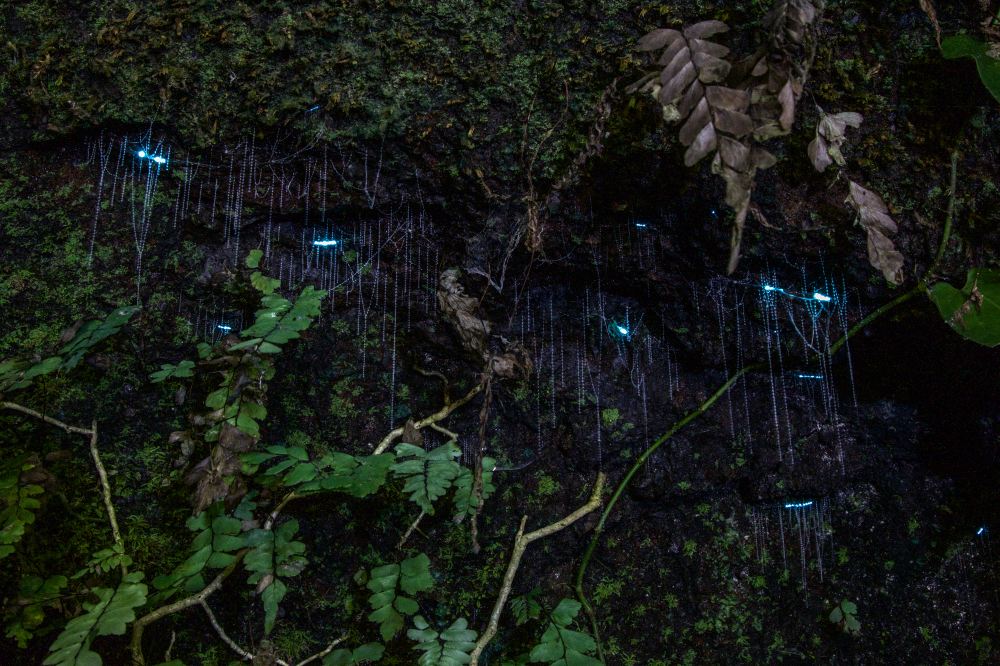
▲ The viewing subject is the blue glow worm (scientific name Arachnocampa flava), unique to the east coast of Australia. It is not the flying firefly we commonly see, but the larval stage of a predatory fungus gnat. The larva has a light organ at its tail, emitting a blue-white bioluminescence to attract prey into its hanging sticky silk threads. This bioluminescence forms fine specks of light on dark rainforest rock walls, presenting a distribution closer to the natural state, unlike the dense "starry sky" view found in caves. The area around Curtis Falls in Tamborine Mountain is one of the common locations for observing this species, with the glow worms inhabiting the damp rock surfaces near the waterfall.
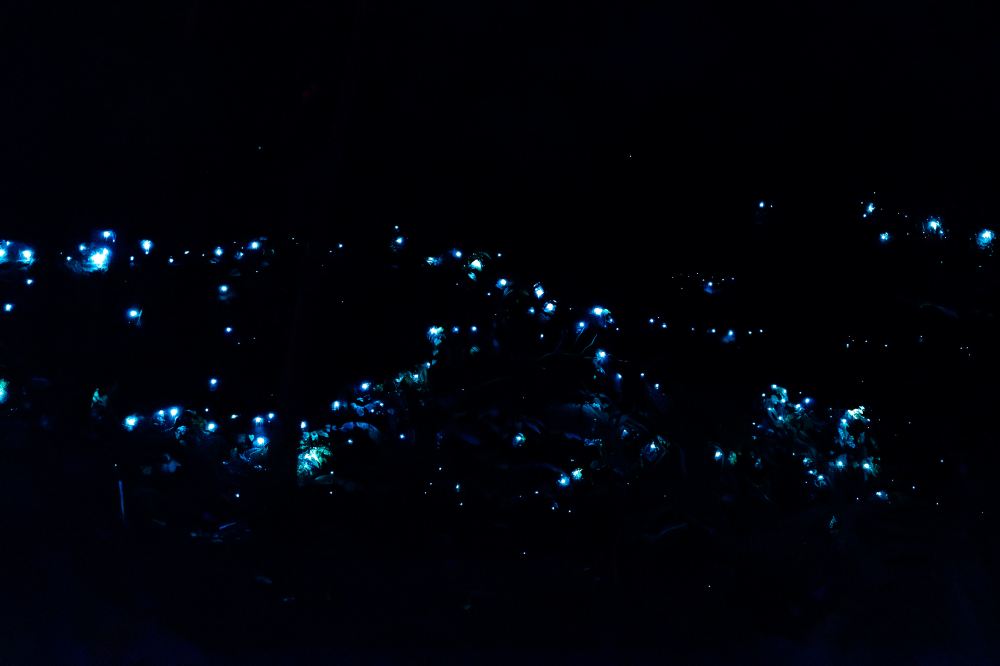
▲ The viewing subject is the blue glow worm (scientific name Arachnocampa flava), unique to the east coast of Australia. It is not the flying firefly we commonly see, but the larval stage of a predatory fungus gnat. The larva has a light organ at its tail, emitting a blue-white bioluminescence to attract prey into its hanging sticky silk threads. This bioluminescence forms fine specks of light on dark rainforest rock walls, presenting a distribution closer to the natural state, unlike the dense "starry sky" view found in caves. The area around Curtis Falls in Tamborine Mountain is one of the common locations for observing this species, with the glow worms inhabiting the damp rock surfaces near the waterfall.
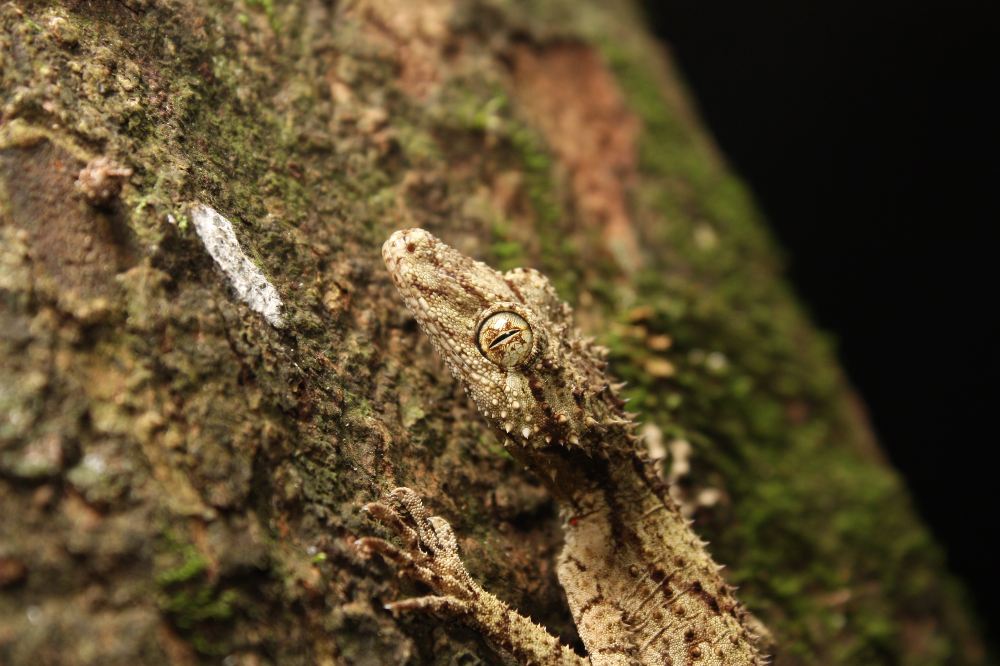
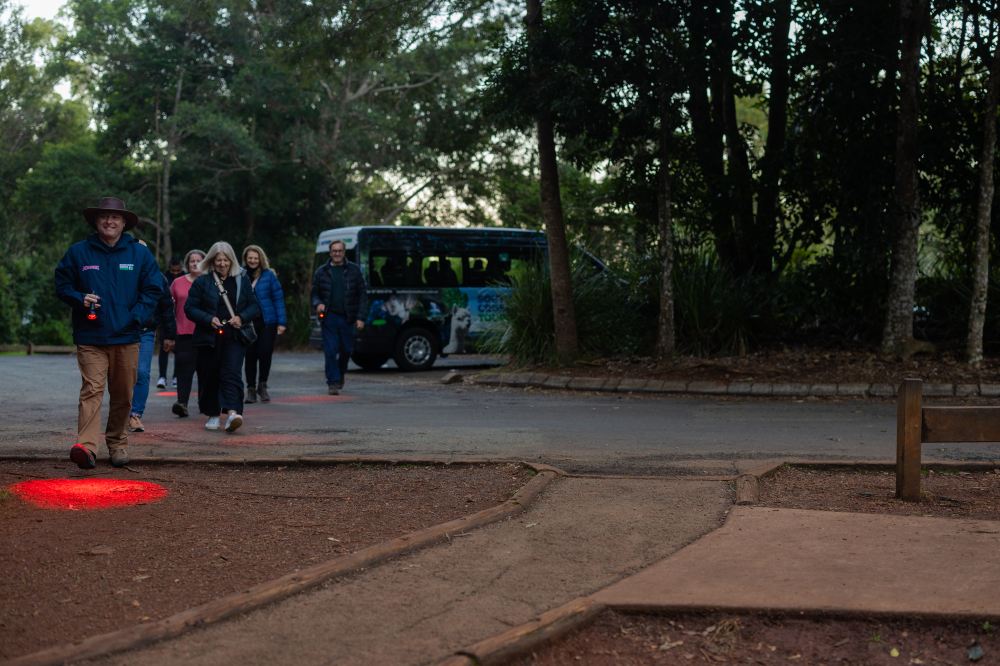
▲ Guide-led rainforest night walk: accompanied by a local guide throughout, walking approximately 1.2 km, with introductions along the way to the rainforest ecosystem, nocturnal animals, and the life cycle of blue glowworms; this is not a self-guided walk on the trail
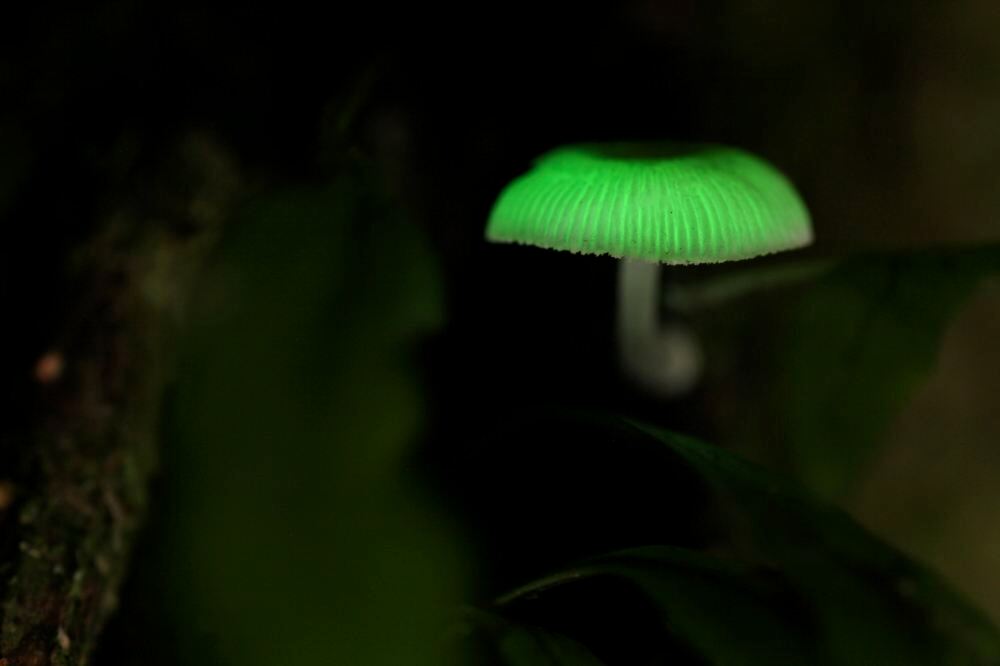
▲ Guide-led rainforest night walk: accompanied by a local guide throughout, walking approximately 1.2 km, with introductions along the way to the rainforest ecosystem, nocturnal animals, and the life cycle of blue glowworms; this is not a self-guided walk on the trail

▲ Mountain-top refreshment stop: Stop at Tamborine Mountain before entering the rainforest trail, where cake and coffee, tea, or hot chocolate are provided as a refreshment before the night walk
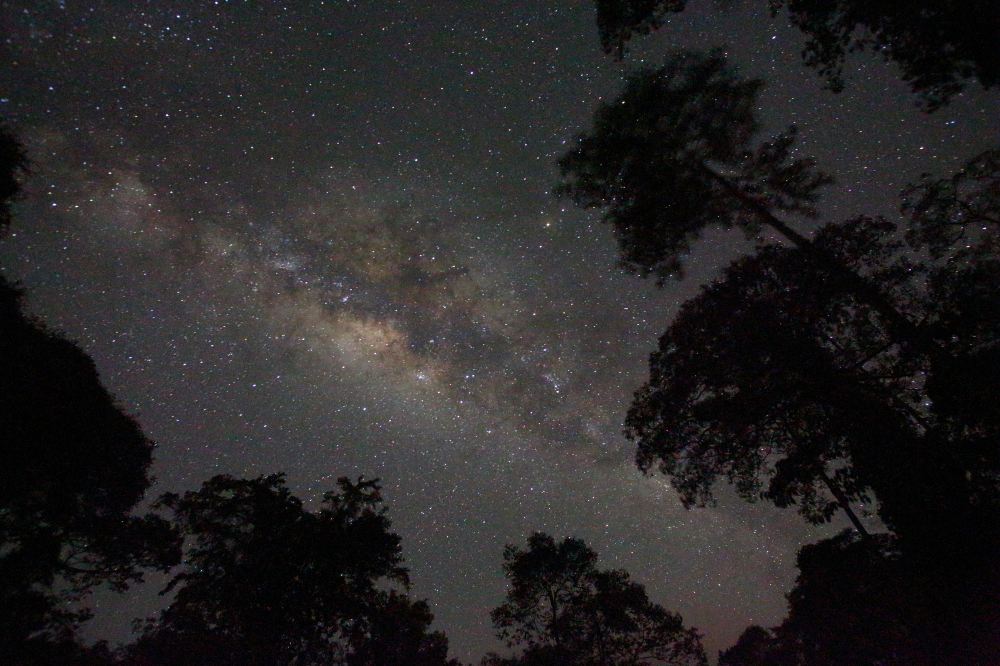
▲ Stargazing possible in clear weather: During the return or stay, in mountainous areas with low light pollution, southern hemisphere constellations such as the Southern Cross can be identified when weather conditions permit, but the stargazing segment is subject to cloud cover and does not constitute a guarantee of the itinerary