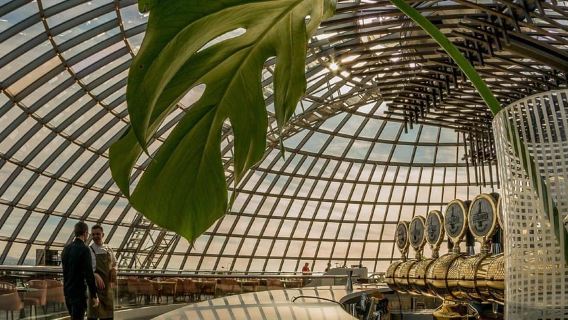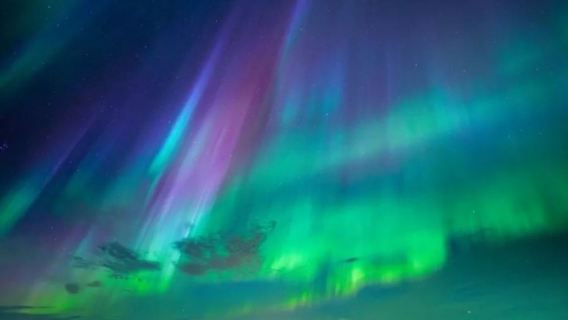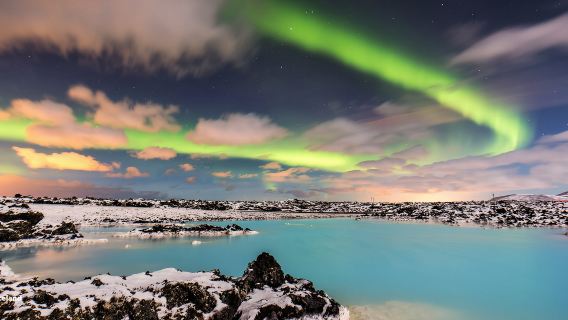
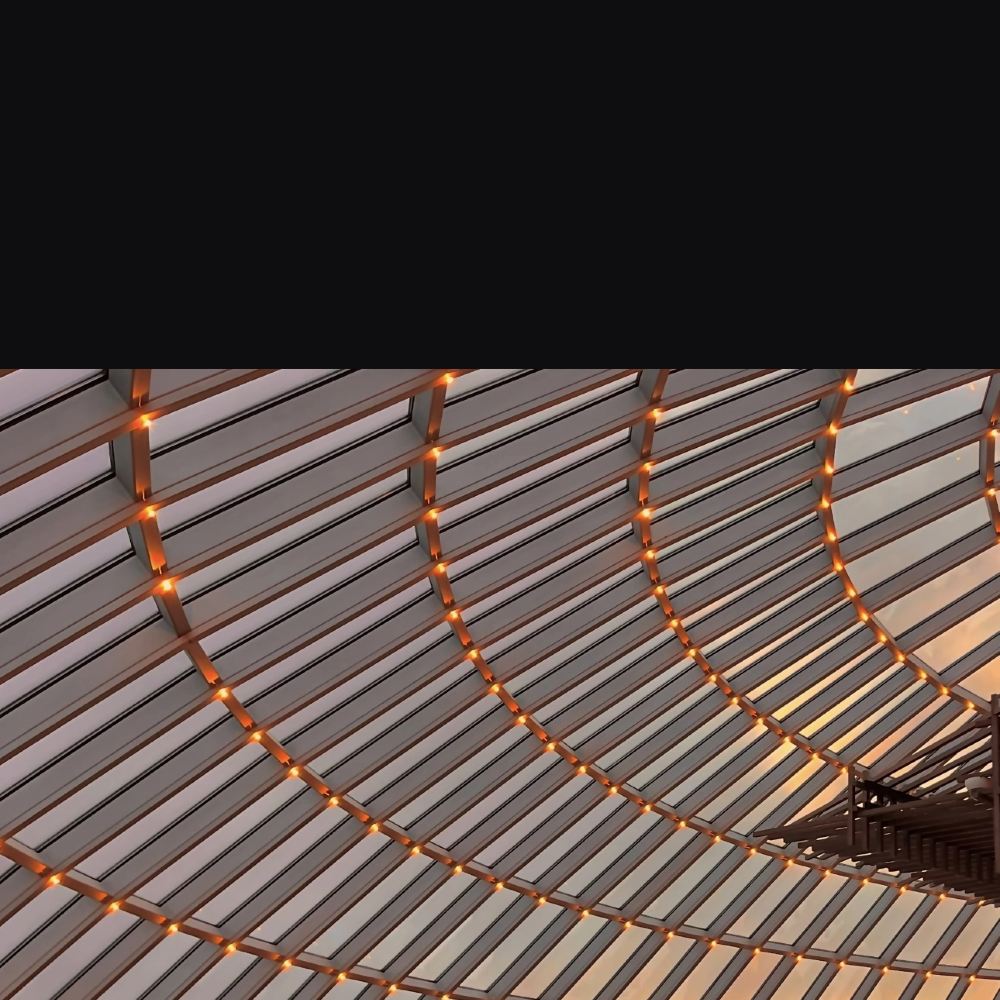


▲ Perlan is located atop Öskjuhlíð hill on the outskirts of Reykjavik, Iceland's capital, covering 3,700 square meters as the city's highest structure. Designed based on Icelandic artist Jóhannes Kjarval's 1930s concept, the building was converted from six geothermal water storage tanks (each holding 4 million liters at 85°C). Completed in 1991 while retaining its original heating function, its steel-framed dome features a semicircular design with 1,176 glass panels - using hot water for winter heating and cool water for summer temperature control. The mushroom-shaped structure contains three functional floors at its base, with a fourth-floor observation deck offering 360-degree views of the city and volcanic landscapes. The surrounding area provides ideal conditions for observing the Northern Lights in winter.
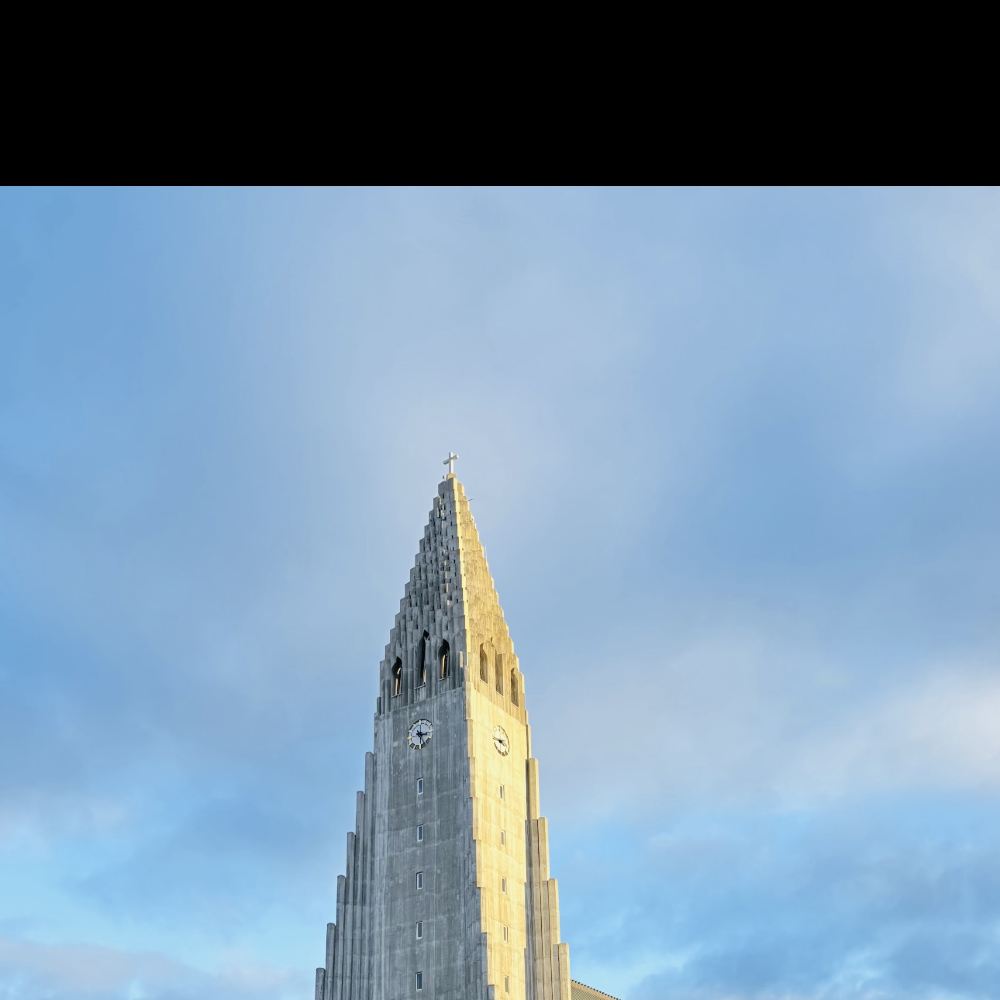

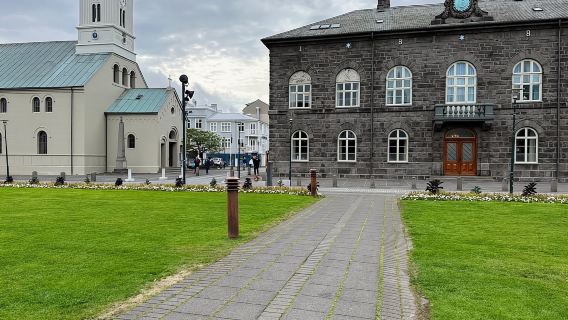
▲ Hallgrímskirkja Church is located on a hill in downtown Reykjavik, Iceland, with construction beginning in 1930. Named after 17th-century Icelandic poet Hallgrímur Pétursson and designed by architect Guðjón Samúelsson, its 72-meter main tower serves as a landmark of Reykjavik, featuring an exterior inspired by Iceland's volcanic lava formations and basalt column structures. The church's main hall stands over 30 meters high with a capacity for 1,200 people, while its observation deck offers panoramic city views. The design was proposed in 1937, with the cornerstone laid in 1940. Main construction continued until the late 1960s, with completion in 1986. The architecture adopts an organ-like silhouette and abstract basalt column design, resembling a normal distribution curve in profile.
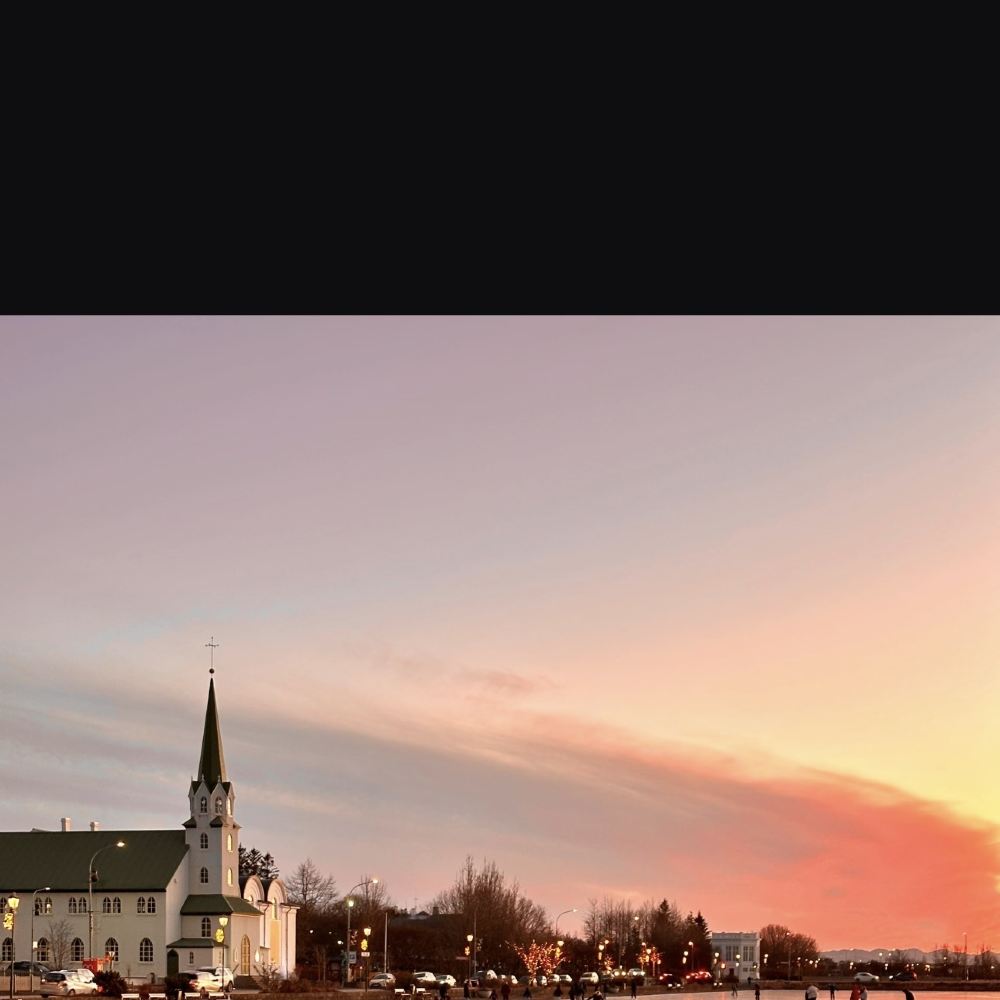


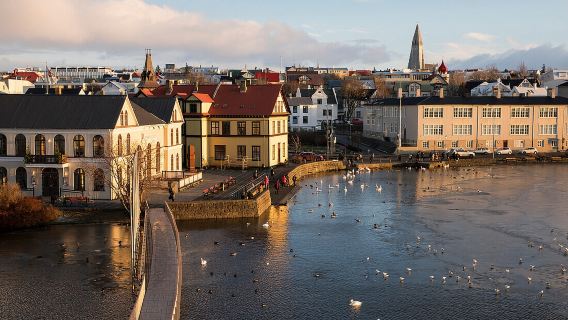
▲ Lake Tjornin is a small lake located in the center of Reykjavik. Although it's not one of Iceland's larger lakes, it is indeed quite famous. The Reykjavik City Hall sits by its shore, and due to geothermal activity, the lake never freezes even in winter. As a result, many wild birds such as ducks, seagulls, and swans spend their winters here.
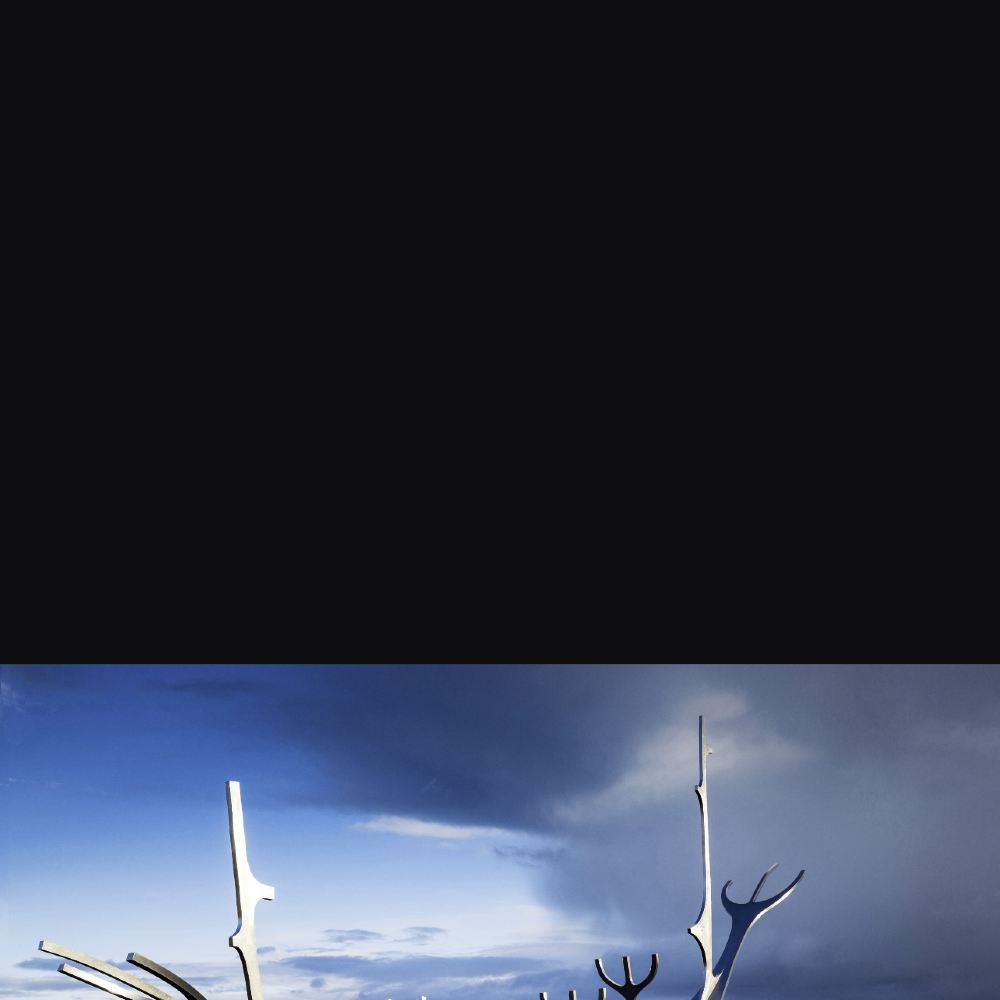


▲ Completed in 1990, the Sun Voyager is a skeletal Viking ship sculpture created by renowned Icelandic artist Árnason. Positioned along Reykjavik's northern coastline, it serves as an iconic landmark of this "smoke-free city." The ocean-facing statue also embodies the untamed spirit of Viking explorers.