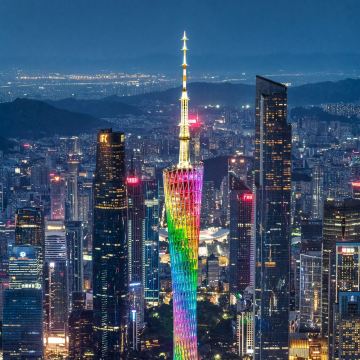

▲ The Canton Tower is a landmark in Guangzhou, standing at 600 meters tall including its antenna, making it one of the most famous high towers in China. Visitors can enjoy a panoramic view of Guangzhou from top to bottom. With its slender waist and balanced proportions, it is affectionately nicknamed "Little Waist." The tower lights up at night, offering a stunning sight even for those who choose not to enter, perfect for photography and memories. [If you wish to enter the tower, admission tickets are at your own expense.]
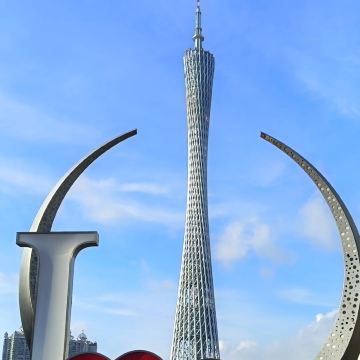

▲ From bottom to top, it is divided into five functional zones labeled A to E. The base section, Zone A of the Canton Tower, showcases Guangzhou's history, culture, economy, and tourist attractions, along with supporting tourism facilities. The crown section, Zone E of the Canton Tower, features dining, entertainment, and observation decks. [Admission tickets are required if you wish to ascend the tower.]
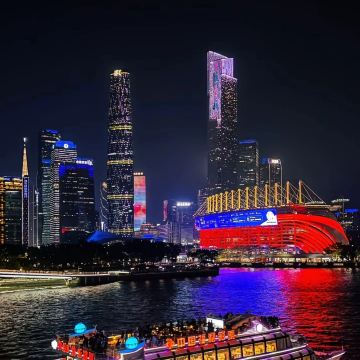

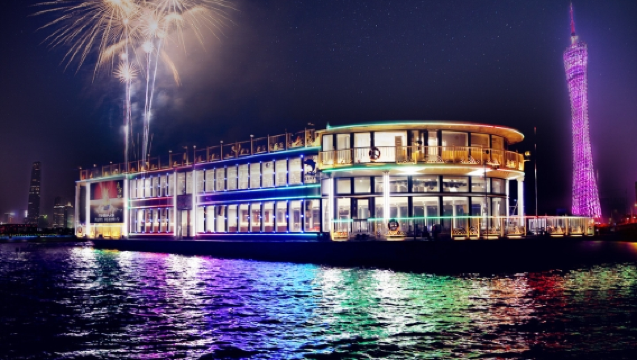
▲ The Pearl River, with its tributaries including the Dongjiang, Xijiang, and Beijiang rivers, converges in the Guangzhou section. At night, the shimmering waters and dazzling lights create an enchanting scene. The Pearl River Night Cruise offers breathtaking views of Guangzhou's iconic sights such as the Pearl River's "Heart of Pearl," Canton Tower, and "Autumn Moon over the Pearl River." Along the way, you'll also pass cultural and historical landmarks like the Nanfang Building, Oi Kwan Hotel, Guangzhou Hotel, Hotel Landmark Canton, Gitic Riverside Hotel Guangzhou, Ersha Haizhu Square Garden, and the colonial-style villas of Sha Mian, immersing you in the city's vibrant local culture. [Admission ticket for the night cruise is not included if boarding is required.]
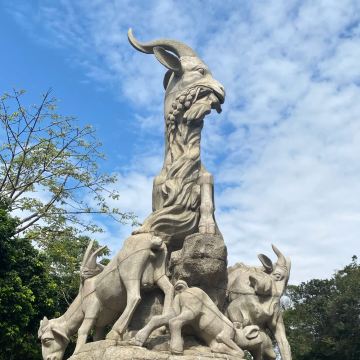

▲ Yuexiu Park is one of the largest parks in Guangzhou and offers free admission! With its beautiful natural scenery, it's perfect for leisurely walks and exercise. The park's most iconic feature is Guangzhou's landmark - the Five Rams Statue, making it a great spot for photo opportunities.
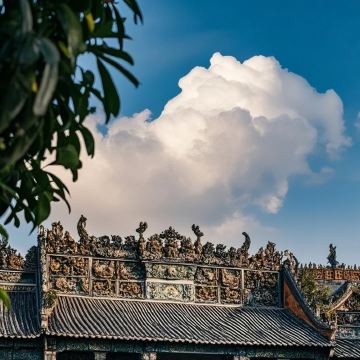

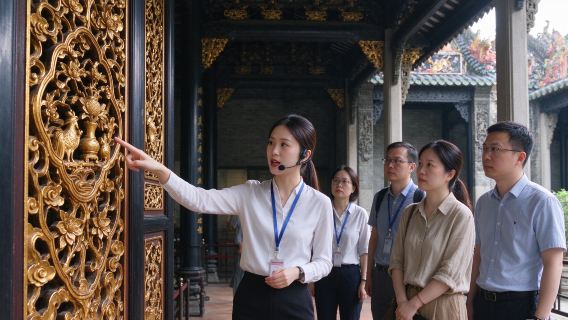
▲ The Chen Clan Ancestral Hall was originally built in the 14th year of the Guangxu reign during the Qing Dynasty (1888 AD). As one of Guangdong's most well-preserved and representative folk architectural complexes from the late Qing period, it features remarkably distinctive sculptures. In addition to the architectural wonders, visitors can enjoy various art exhibitions and photo displays within the historic complex, experiencing cultural refinement amidst these ancient halls. [Admission tickets are at visitors' own expense]
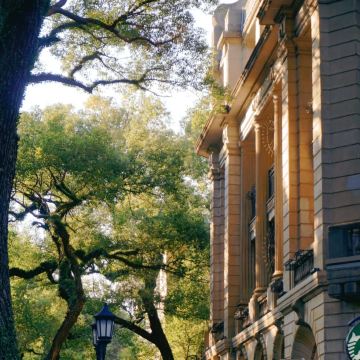

▲ Sha Mian is a fascinating place in Guangzhou, primarily known for its architecture. The buildings here showcase the European charm of 19th-century Guangzhou, with an incredibly beautiful environment perfect for leisurely strolls or photography sessions for artistic youth. Every corner is picturesque, and you'll often encounter couples taking wedding photos. If you're in the mood, wait until the lights come on in the evening, find a café to reminisce while gazing at Swan Lake, and enjoy a unique ambiance.
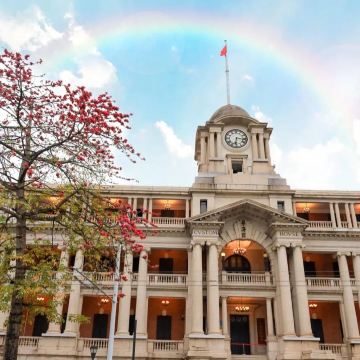

▲ The streets and alleys of Sha Mian are adorned with Western-style elements such as statues, pavilions, flower beds, wooden benches, and fountains. The island boasts over 150 European-style buildings, including 42 distinctive structures in Neo-Baroque, Gothic Revival, Arcade, Neoclassical, and Sino-Western fusion styles, making it a collection of exotic European architecture in Guangzhou.
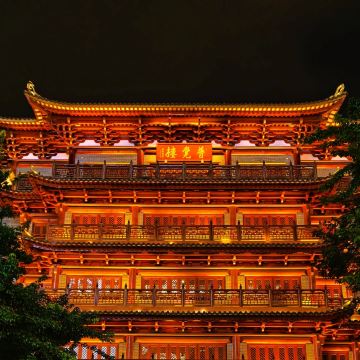

▲ The Big Buddha Temple in Guangzhou is located in the core area of Beijing Road Cultural Tourism Zone in Yuexiu District, serving as a historic Buddhist temple. The Mahavira Hall within the temple preserves the architectural style of the Ming Dynasty. The modern expansion, Pujue Tower, integrates multiple functions including the Vairocana Hall, a library, and a vegetarian restaurant. At night, the temple is brilliantly illuminated, resembling scenes from "Spirited Away," making it a popular spot for nighttime photography.
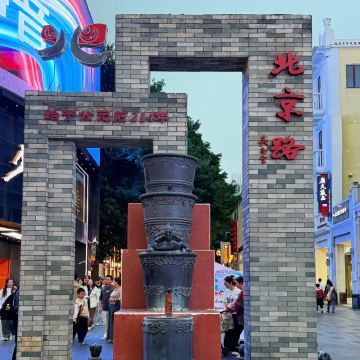

▲ Located in the city center, Beijing Road Cultural Tourism Zone is where Guangzhou originated. While Shangxiajiu is comparable to Beijing's Qianmen Dashilan, Beijing Road Cultural Tourism Zone resembles Wangfujing Street in Beijing. When visiting Guangzhou, you can consider this area as the starting point to explore the city. Additionally, it offers a variety of local snacks, such as cuttlefish balls, squid, radish and beef brisket offal stew, and cotton candy.
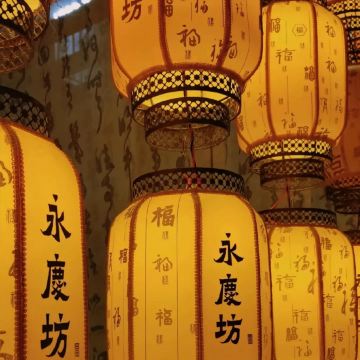

▲ Yongqing Lane is a national AAAA-level tourist attraction located in the core area of Enning Road, Xiguan, Liwan District, Guangzhou. It serves as a cultural landmark of Guangzhou's old city revitalization, preserving distinctive Lingnan architectural elements such as blue-brick houses and swing doors, and boasts the most well-preserved arcade building complex in Guangzhou.
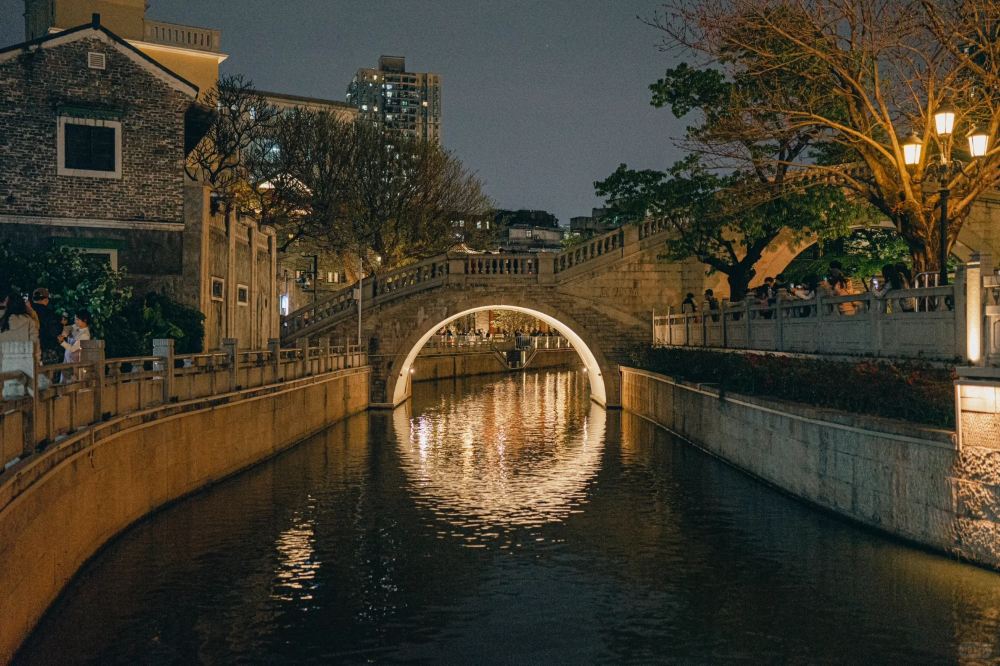
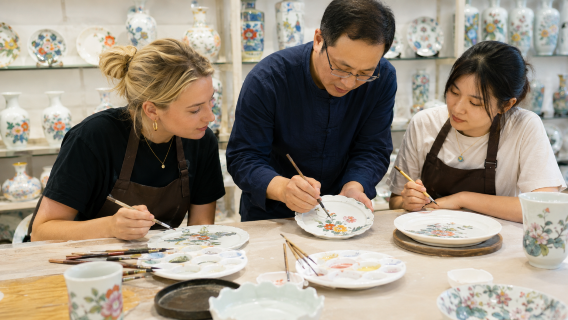
▲ This area boasts a profound historical and cultural heritage, gathering intangible cultural heritages such as Cantonese opera, Guangzhou colored porcelain, and Guangzhou embroidery, along with historical buildings like the Bruce Lee Ancestral Home and the Zhan Tianyou Memorial Hall. Additionally, Yongqing Fang integrates trendy cultural and creative industries, showcasing the "new vitality of old Xiguan."
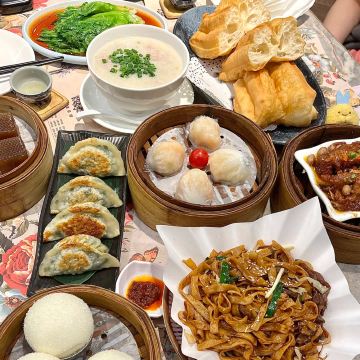

▲ Guangzhou morning tea is a local culinary tradition and an important reflection of Lingnan culture. It is said to have originated during the Tongzhi era, evolving from "one-cent teahouses" that served tea and pastries. Locals often refer to the practice as "one pot, two pieces" - where "pot" signifies a lidded teacup and "two pieces" generally refers to dim sum items.
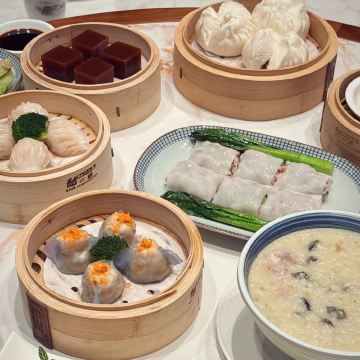

▲ Morning tea features carefully selected ingredients and meticulous preparation, with a light and delicate flavor. Classic dim sum includes shrimp dumplings, barbecue pork buns, rice noodle rolls, and shaomai. Today, morning tea is not just about food—it's an essential way for Guangzhou locals to relax and socialize. People gather with family and friends at teahouses, chatting and enjoying leisurely moments together.
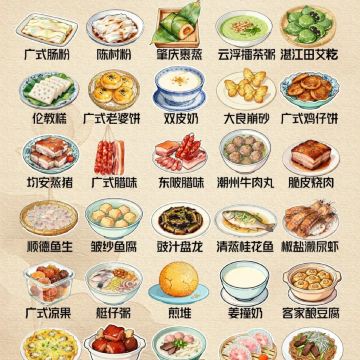

▲ "Eating in Guangzhou" lives up to its reputation, with Cantonese cuisine showcasing fresh, original flavors at its core, ranging from banquet delicacies to dim sum and street food. Among the classic dishes, white-cut chicken features tender meat with crisp skin, while crispy roast goose offers a juicy crunch, perfectly complemented by plum sauce to cut through the richness. Honey-glazed char siu balances sweet and savory notes, and slow-boiled Cantonese soups simmered for hours nourish and soothe. The local tradition of "one pot, two pieces" dim sum includes classics like shrimp dumplings, steamed pork buns, chicken feet in black bean sauce, and silky rice noodle rolls—all with thin wrappers and flavorful fillings. Street snacks capture the city's vibrant spirit, from springy wonton noodles with bamboo-pressed dough to slow-cooked beef offal with radish, sizzling clay pot rice with crispy crust, and comforting desserts like double-layer milk pudding and ginger milk curd, excelling in both sweet and savory delights.