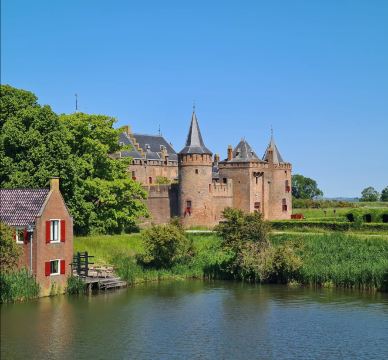
▲ Built in 1280, it is a well-preserved moated castle in the Netherlands, also known as the "Amsterdam castle." This former military fortress guarded inland river trade and successively served as a noble residence, courthouse, and prison. During the Dutch Golden Age, literati lived here in seclusion for extended periods to create works, making it rich in historical significance.
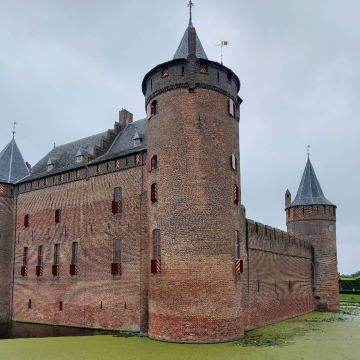

▲ Muiden is located at the mouth of the Vecht river, just 15 km from Amsterdam, and is an important part of the Amsterdam defense line world heritage site.
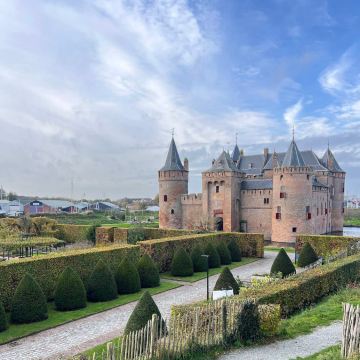

▲ The entire town is built by the water, free from bustling crowds, offering a quiet and quaint atmosphere. It is one of the few well-preserved medieval waterfront towns in the Netherlands. The town's central landmark is Muiderslot Castle


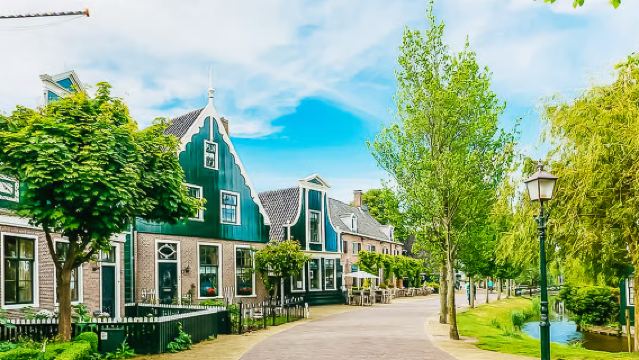
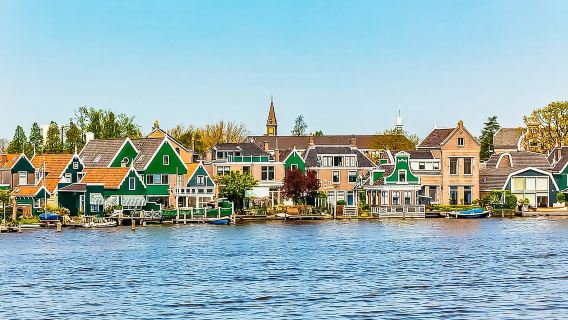
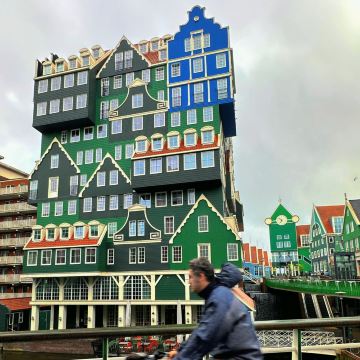
▲ Zaandam is adjacent to Zaanse Schans windmill village, just 12 minutes by train from Amsterdam. This town preserves traditional 17th-century wooden houses from the Zaan region, featuring vibrant colors and staggered stacked shapes resembling giant Lego bricks. It went viral on the Internet and has been dubbed by tourists as "the real-life Lego town".
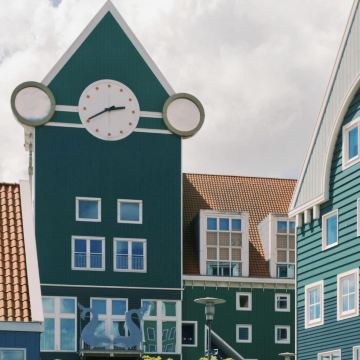

▲ This was where impressionist painter Monet stayed and sketched, with the town's vibrant colors providing endless inspiration for the master. The small district is perfect for a short stop to take photos.

▲ The heart of the town – Inntel Hotel Amsterdam Zaandam. The entire building is composed of over 70 stacked traditional Dutch wooden houses, featuring a striking color-blocked facade in green, blue, and beige. Its staggered pointed roofs culminate in a blue cottage at the top, paying homage to Monet's famous painting "The blue house".

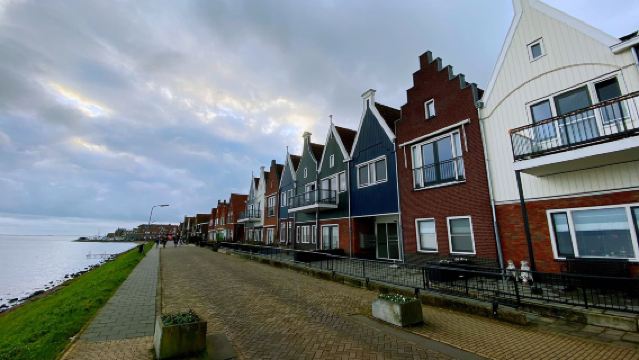
▲ The entire street is lined with candy-colored wooden houses, paired with rainbow zebra crossings and waterside wooden bridges. Each residence features bright colors and unique designs. The street is clean and tidy, with fewer crowds than popular attractions, making every shot an Instagram-worthy fairy-tale masterpiece. The neighborhood preserves the original appearance of old wooden houses, fully retaining the ancient architectural style of the Zaandam region.
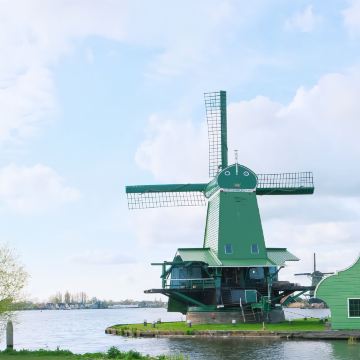

▲ Zaanse Schans is adjacent to the Zaandam Lego town, serving as an authentic 17th-century open-air folk museum and the world's earliest industrial area in modern times. At its peak, it boasted over 600 windmills used for oil pressing, pigment grinding, lumber sawing, and mustard production.
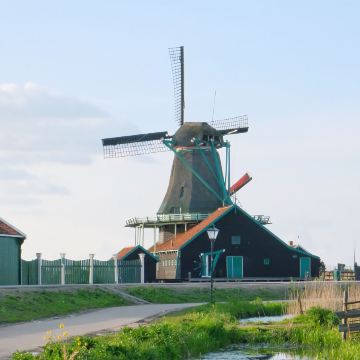

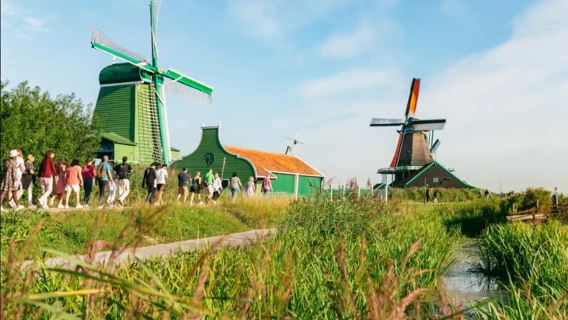
▲ Today, eight original windmills are still in operation, with rows of dark green wooden houses lining the river. Monet once lived here for several months, leaving behind dozens of oil paintings of the windmills. The village is still inhabited by local residents, full of lively atmosphere, and is not a purely man-made attraction.
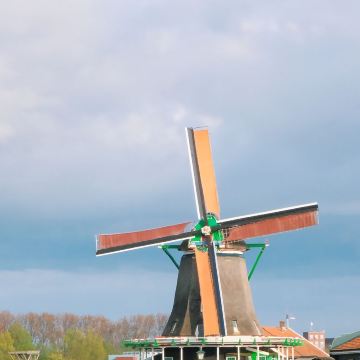

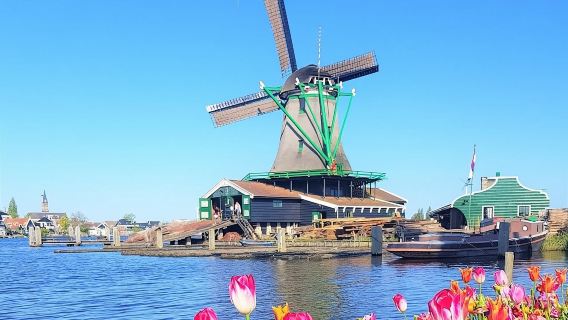
▲ Several windmills standing along the river are still operational today: the dye mill grinds mineral pigments, the oil mill presses vegetable oil, and the sawmill cuts logs. Visitors can step inside the windmills to witness the massive wooden gears turning slowly up close, experiencing the awe of ancient wind-powered machinery. At sunset, the windmills blend with their reflections on the river, creating a classic Dutch postcard scene.
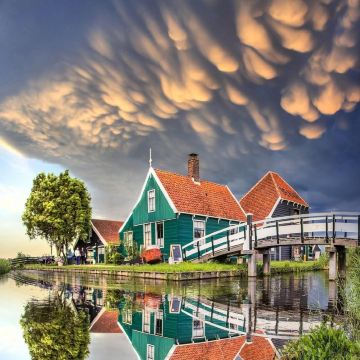

▲ The entire village is surrounded by lawns and waterways, with green wooden houses scattered throughout. The river water is clear, and cattle and sheep graze leisurely. Strolling along the riverside trail, you'll encounter picturesque pastoral scenes everywhere. The soft lighting during sunset makes it perfect for concluding your photography session.
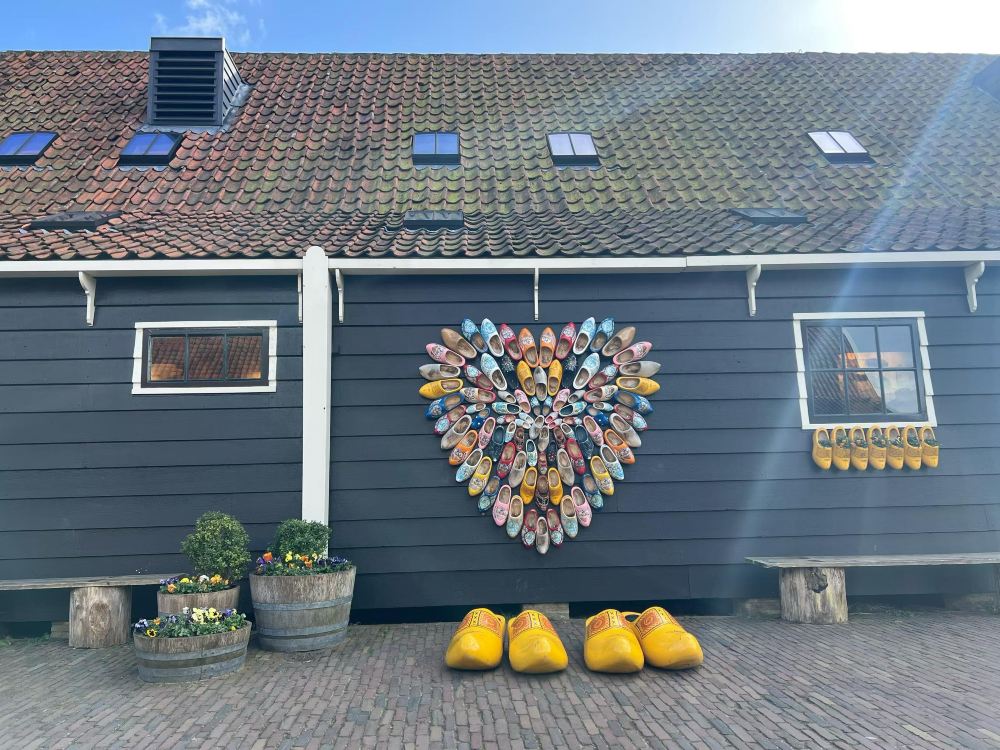
▲ Zaanse Schans windmill village (living industrial folk village)
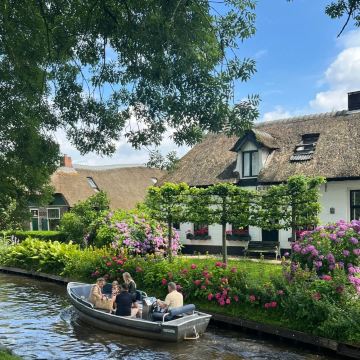

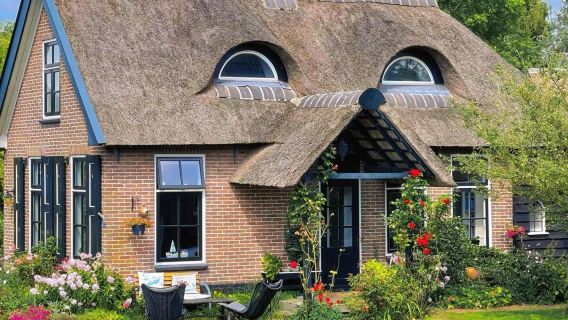
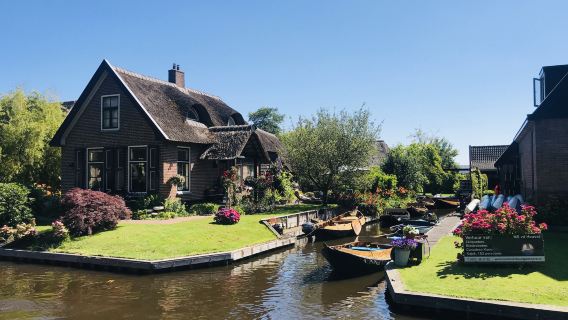
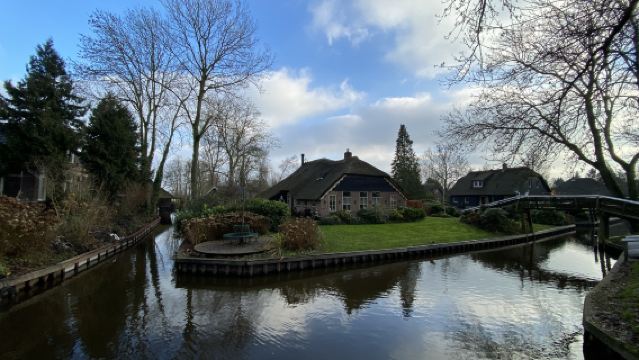
▲ Giethoorn is located in the wetland reserve of Overijssel province in the Netherlands, originating from medieval peat extraction. Early settlers excavated peat to form a network of waterways, gradually developing this car-free village where boats replace roads. Over 170 wooden bridges connect scattered islands, earning it the nickname "Venice of the North".
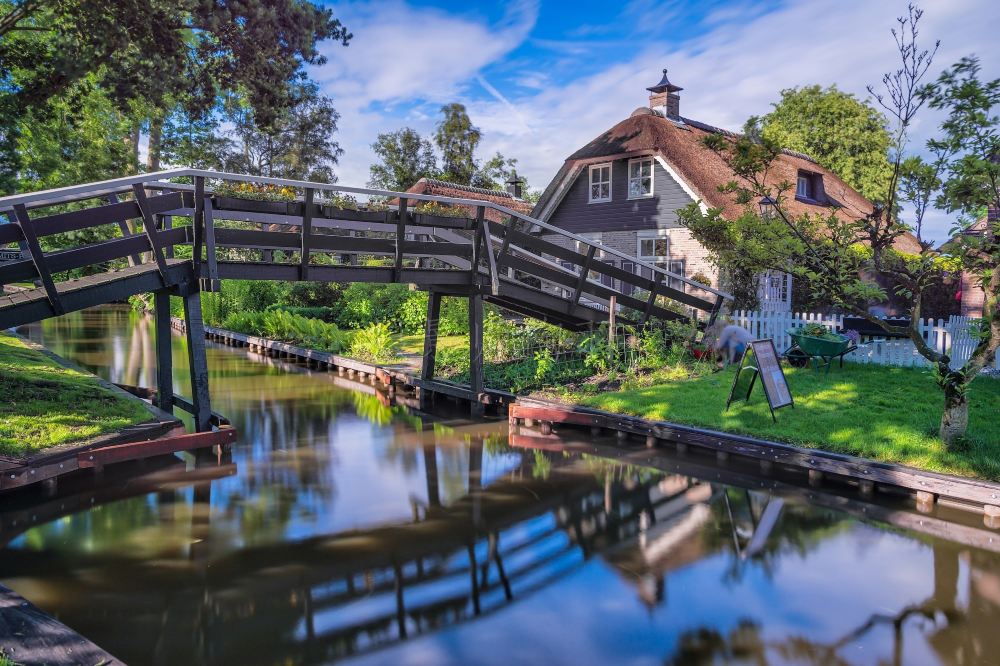
▲ The village prohibits motor vehicle traffic, with only canals, footpaths and small boats surrounded year-round by reeds, lawns and flowers. It's a healing Dutch countryside water town, far from the hustle and bustle of traffic.
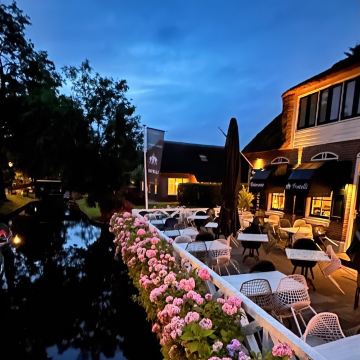

▲ Hike along the riverside trail, visit the century-old chapel and folk museum at the village center to learn about the ancestors' history of reclaiming land from peat bogs. The village borders a vast wetland national park with lush aquatic plants and excellent ecology. Stop by a waterfront farmhouse to taste freshly baked Dutch syrup waffles and farm-fresh meals, immersing yourself in the slow-paced lifestyle of the lowlands.