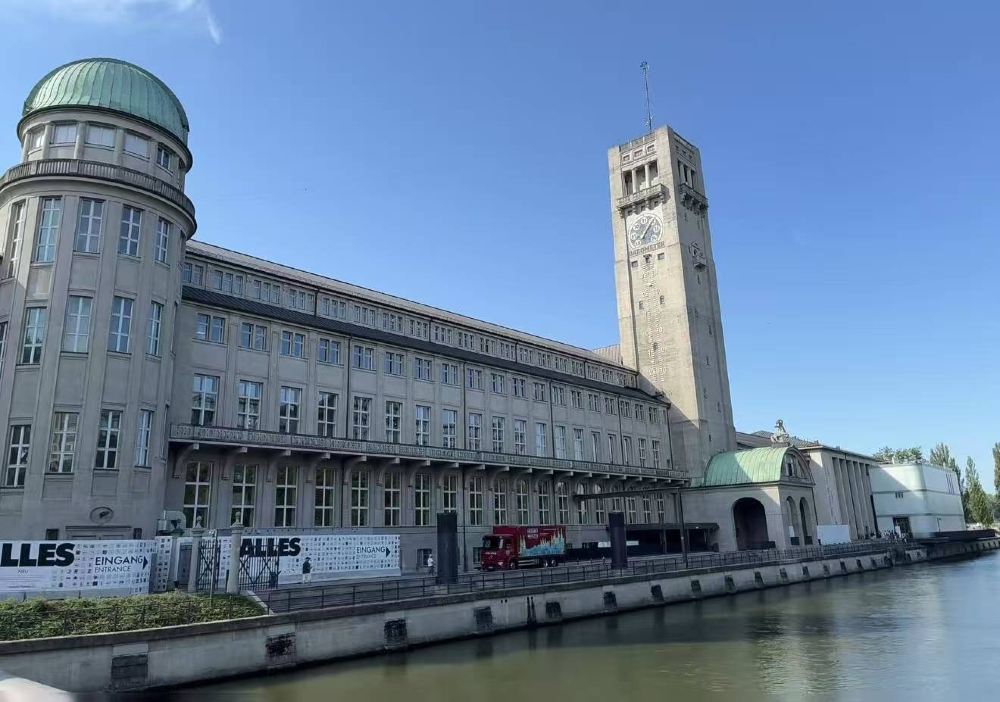
▲ The Deutsches Museum is located on the museum island of the Isar River. Founded in 1903, it is one of the world's largest and oldest museums of natural science and industrial technology, as well as a cultural landmark in Munich. The museum's main building features an iconic clock tower standing by the river, with over 20 themed exhibition halls and a collection of more than 100,000 items spanning aerospace, mechanical engineering, physics and chemistry, ships, mining, communications, musical instruments, biomedicine, and other fields. Highlights include original vintage passenger aircraft, rocket spacecraft, early human submarines, the world's first diesel engine, a replicated underground mine, as well as numerous interactive installations such as Foucault pendulums and high-voltage electrical experiments, offering a dynamic experience beyond static viewing.
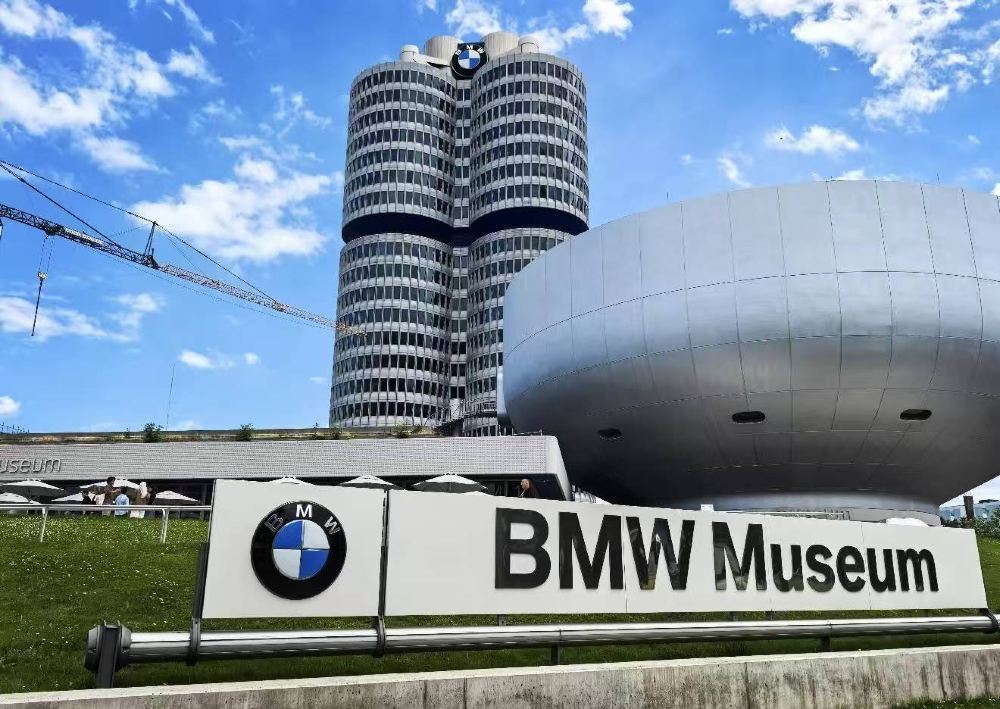
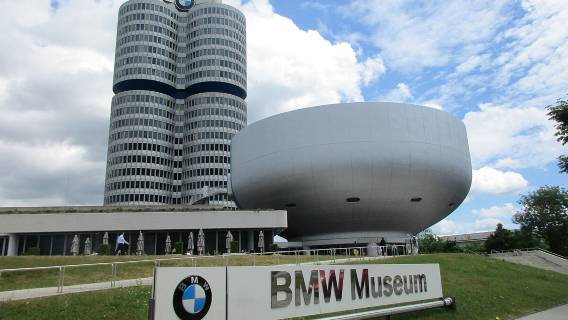
▲ The BMW Museum is located in the Munich Olympic Park. Officially opened in 1973 and adjacent to the BMW headquarters "Four-Cylinder Building," its highly recognizable silver bowl-shaped flying saucer architecture is a classic industrial landmark in Germany. The venue takes the century-long brand history as its main theme, comprehensively narrating BMW's evolution from aircraft engine manufacturing to the gradual transition into motorcycle and automobile production. The circular spiral exhibition path unfolds along a chronological timeline, displaying over 120 precious collections: early aircraft engines, vintage motorcycles, classic vintage cars, legendary race cars, Elvis Presley's iconic BMW 507, as well as generations of M performance sports cars and cutting-edge concept vehicle types, complemented by multimedia materials showcasing Germany's precision automotive craftsmanship.

▲ BMW Welt is located in the Olympiapark München area and officially opened to the public in 2007. It is a futuristic architectural landmark, forming a renowned automotive cultural complex with the BMW headquarters "Four-Cylinder Building" and the BMW Museum. Designed by the renowned Coop Himmelb(l)au, the building features a signature double-cone steel structure paired with a 16,500㎡ floating cloud roof. Its expansive transparent glass curtain walls with dynamic lines make it a popular photography spot. As BMW Group's global vehicle delivery center, it also serves as an open brand experience space, free to the public.
▲ Olympiapark München is located in the north of Munich and was the venue for the 1972 Summer Olympics. It is a world-renowned modern architectural landmark, adjacent to BMW Welt and the BMW Museum, making it suitable for a combined visit. The highlight of the park is the tent-like tensile roof, designed by master architect Frei Otto. The translucent, mesh-like roof spans the Olympic Stadium, the arena, and the swimming pool, appearing light and avant-garde, and has become a classic of 20th-century architecture. The Olympic Stadium once hosted the opening and closing ceremonies of the Olympics and was the home stadium of Bayern Munich in its early years.
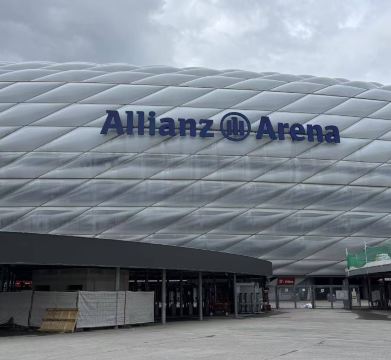
▲ Allianz Arena is located in the northern part of Munich and serves as the home stadium of FC Bayern Munich. It is a landmark of modern architecture, officially opened in 2005, and has hosted major events such as the opening match of the 2006 World Cup and the Champions League final. The stadium's most recognizable feature is its facade, composed of 2,874 diamond-shaped inflatable ETFE cushions, which support color-changing lighting: it lights up in Bayern's iconic red for their matches and switches to white for German national team games, creating a visually stunning spectacle at night. With a capacity of over 75,000 spectators for domestic matches, its bowl-shaped interior structure amplifies the roar of the crowd, creating an electrifying atmosphere.