


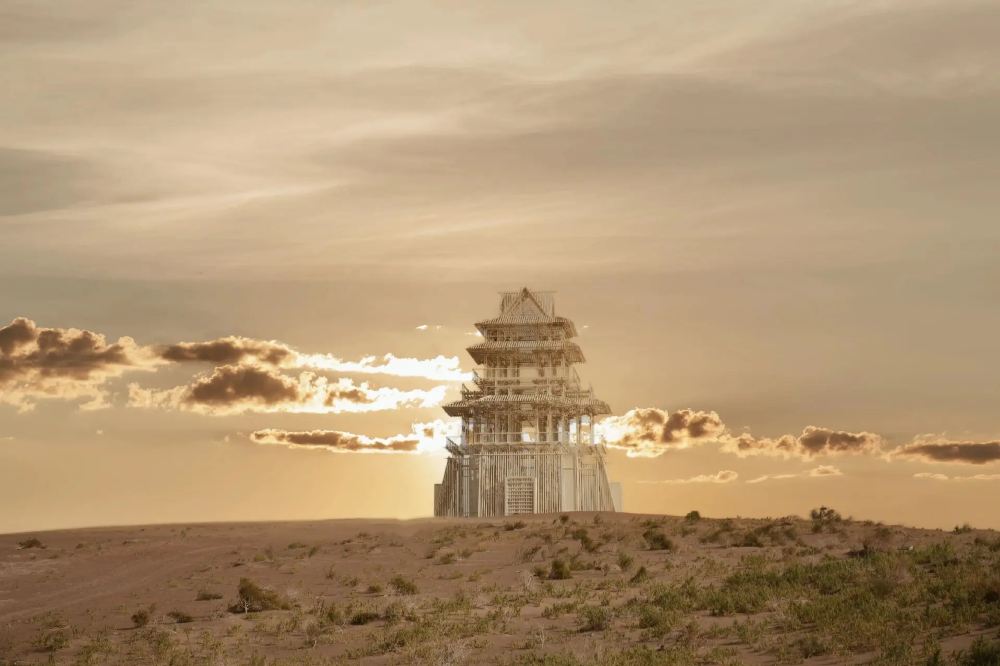
▲ Minqin Desert Park quietly guards the boundary between yellow sands and oasis. Rolling dunes stretch and undulate, where the wind leaves rippling patterns in the sand. The golden desert holds more than vast emptiness—sea buckthorns and saxauls tenaciously take root, weaving a green belt of life across the sandy sea, a moving testament to Minqin's efforts in desert control. As the sun sets in the west, the glow bathes the sea of sand, turning the world into warm gold. When night falls, the wilderness far from the hustle and bustle is draped with a cascade of stars across the sky. Here, you can stroll across the sandy expanse, glide on a sandboat, and listen to the whispers of the wind. On one side lies the boundless desert, on the other a vibrant oasis—a striking contrast of strength and softness. Touch this land to understand the enduring resilience atop the yellow sands and encounter the unique desert romance of Hexi.
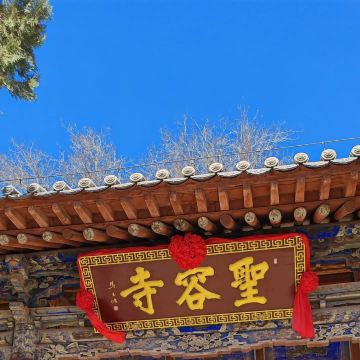


▲ Nestled in the secluded valley of Yushan, Shengrong Temple stands quietly along the ancient Silk Road. Buddhist niches are carved into the cliff face, where stone statues have stood silently for millennia, enduring wind and erosion while retaining their ancient charm. The temple rests between mountains and streams, with a creek winding through the valley, while its twin pagodas face each other from afar, silently witnessing the passage of time. This is an early Buddhist relic of Hexi, where weathered niches bear the echoes of Sanskrit chants along the Silk Road. The mountain vegetation is serene, and the wind through the valley carries whispers of ancient temples. Free from bustling crowds, only the rocks and Buddha statues remain, a wall of Buddhist figures embodying millennia of Zen essence. Strolling here, amidst the desolate wilderness, one touches the tranquility and vicissitudes sedimented by the ancient Silk Road.
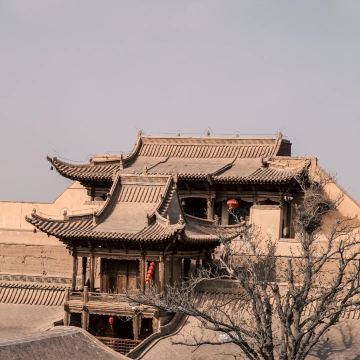

▲ Rui'an Fort stands majestically atop the oasis, often hailed as the "Little Forbidden City on the frontier." This rammed earth fortress from the Republican era features towering walls and watchtowers, its robust earthen ramparts enduring wind and rain while remaining steadfast. Inside, eight interconnected courtyards wind through labyrinthine alleys, complete with halls, secret chambers, and hidden passages—its ingenious defensive layout preserving the survival wisdom of the Hexi Corridor's past. The loess walls bear the traces of time, with every brick and tile telling stories of the frontier past. Within the high walls, there is both the domestic warmth of a residence and the stern defenses of a fortress. Above the wilderness, the ancient fort stands quietly against the Gobi winds and sands, perched on the edge of an oasis. Step into Rui'an Fort, touch the weathered rammed earth, feel the unique gravitas and vicissitudes of this frontier fortress, and read through a chapter of the old days in the Hexi Corridor.
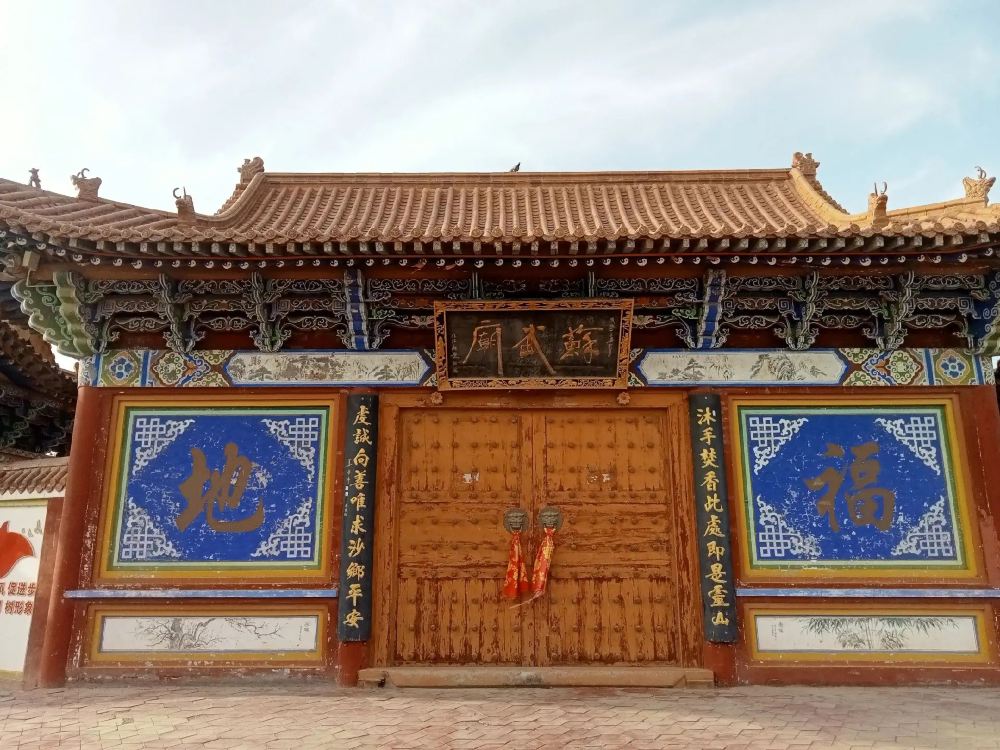
▲ At the foot of Suwu Mountain, Su Wu Temple stands quietly in the sandy countryside west of the river. The ancient shrine was built to commemorate Su Wu, and legend has it that this was where he herded sheep while holding his imperial insignia for nineteen years. Wind and sand sweep across the mountain wilderness as the shrine's solemn red walls enclose statues inside holding Han dynasty insignias, silently recounting the timeless tale of enduring hardship to uphold one's duty without dishonoring the mission. Ancient tablets carve out tales of yore, where time tempers unyielding character. The desert wind sweeps through the temple halls, as if still recounting legends of unwavering loyalty. Standing here amidst the Gobi wilderness, one gazes back across millennia, feeling the indomitable national spirit that remains steadfast through wind and sand.