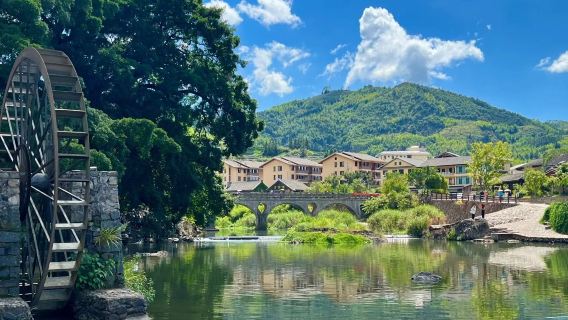
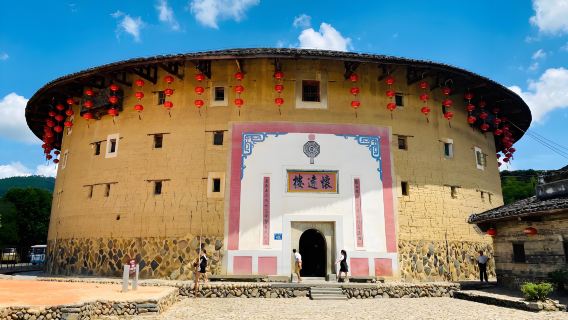
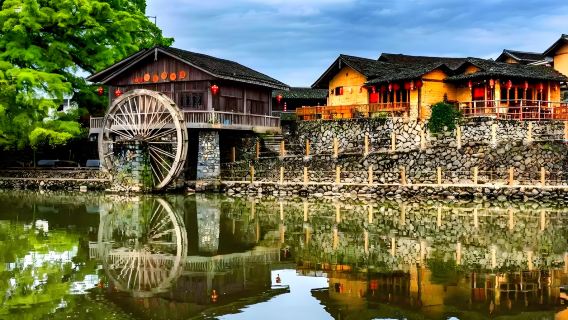
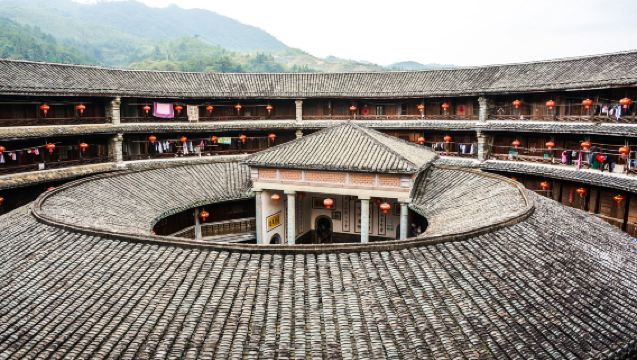
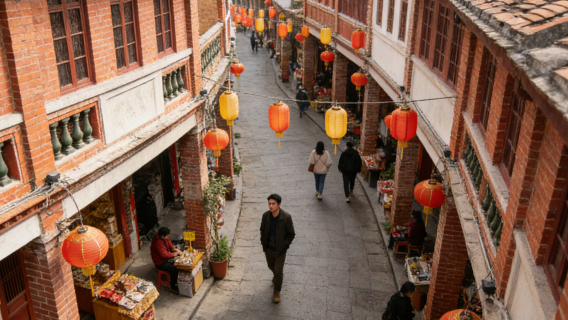
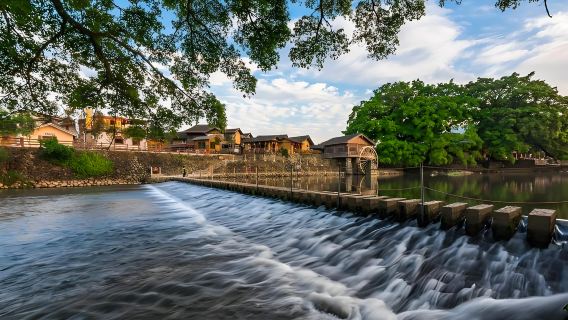
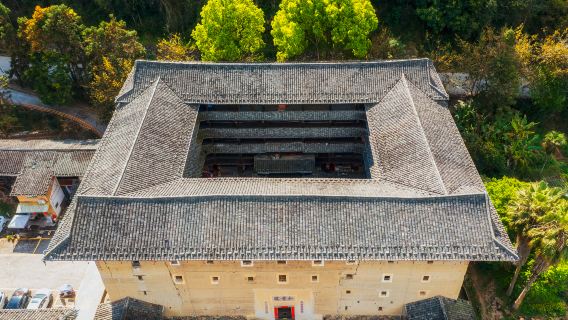
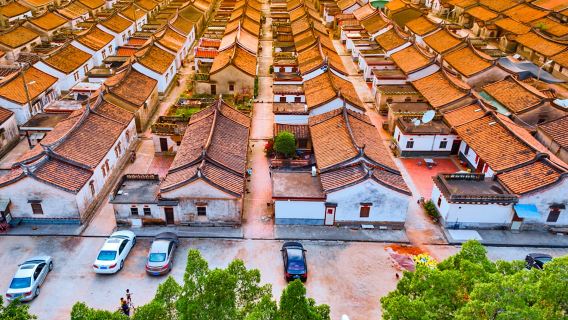
▲ If Quanzhou is "the city where half is worldly hustle and half is divine tranquility," then Zhangzhou is like a guardian of southern Fujian culture, presenting the simple and rich daily life of southern Fujian through a "living" ancient town.


▲ Millennium-old city site: The city site has remained unchanged since its establishment in the second year of the Zhenyuan era of the Tang Dynasty (786 AD). Such continuity over a thousand years is rare among ancient cities in China.


▲ The essence of the ancient city is concentrated in its "nine streets and thirteen alleys", where the spatial-temporal codes of "the Tang and Song dynasty citadel, the Ming and Qing streets, and the Republic of China scenery" are hidden, like a three-dimensional history book waiting to be explored.


▲ We do not know whether lady she taijun in historical novels really existed. But in the development of Zhangzhou city, there was a real-life version of her contributions: the grandmother of Chen Yuanguang, the sage king of Zhangzhou: Wei ma.


▲ The two Ming Dynasty stone archways, "Shangshu Tanhua" and "Sanshi Zaier," are national key cultural relics protection units, featuring exquisite carvings and majestic grandeur.