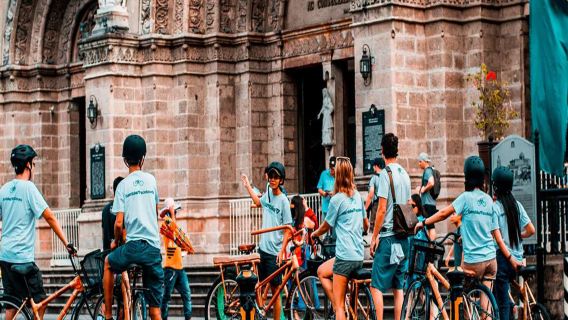
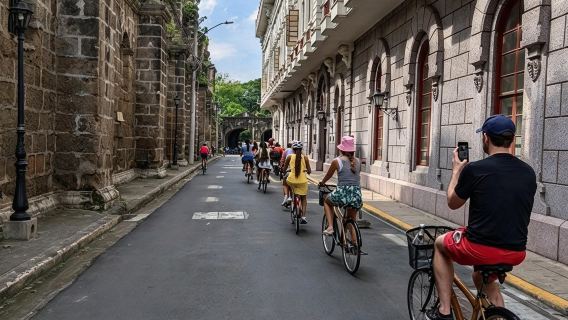
▲ Meeting point: National Museum of Fine Arts Cebu lobby (next to Plaza Independencia, old Aduana customs building)

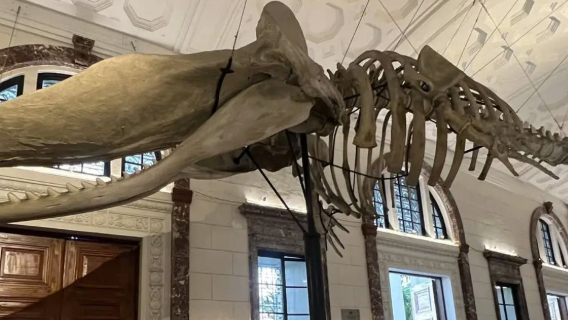
▲ Cebu's natural and marine environment: Guide the geological, marine ecological, native flora and fauna, coral reef, and island geographical foundation of the Visayas Islands to understand the innate conditions of Cebu's "marine civilization"

▲ Archaeological remains: Unearthed stone tools, shell artifacts, and burial remains reveal traces of early human activity in Cebu. Pre-colonial era: Local tribes, social organizations, religious customs, and indigenous crafts recreate the prosperous local civilization of Cebu before the arrival of the Spanish

▲ Maritime trade: Ancient maritime routes in Southeast Asia, shipwreck artifacts, Chinese porcelain, and Southeast Asian trade wares, with a guide to Cebu's status as an ancient commercial hub Arrival of Europeans in 1521: Magellan's arrival in Cebu, and the historical events involving Rajah Humabon and Lapu-Lapu, objectively sorting out the history of this encounter Spanish colonial period: Colonial governance, religious dissemination, urban construction, and changes in economic models: how colonization reshaped Cebu Social changes in Cebu: Late colonial period, modern urban development, commercial transformation, ethnic integration Modern Cebu culture: Contemporary Cebu art, festivals, indigenous folk customs, and urban spirit, to understand the cultural roots of today's Cebu

▲ The guided tour ends here; you may take photos freely or browse cultural and creative shops on your own