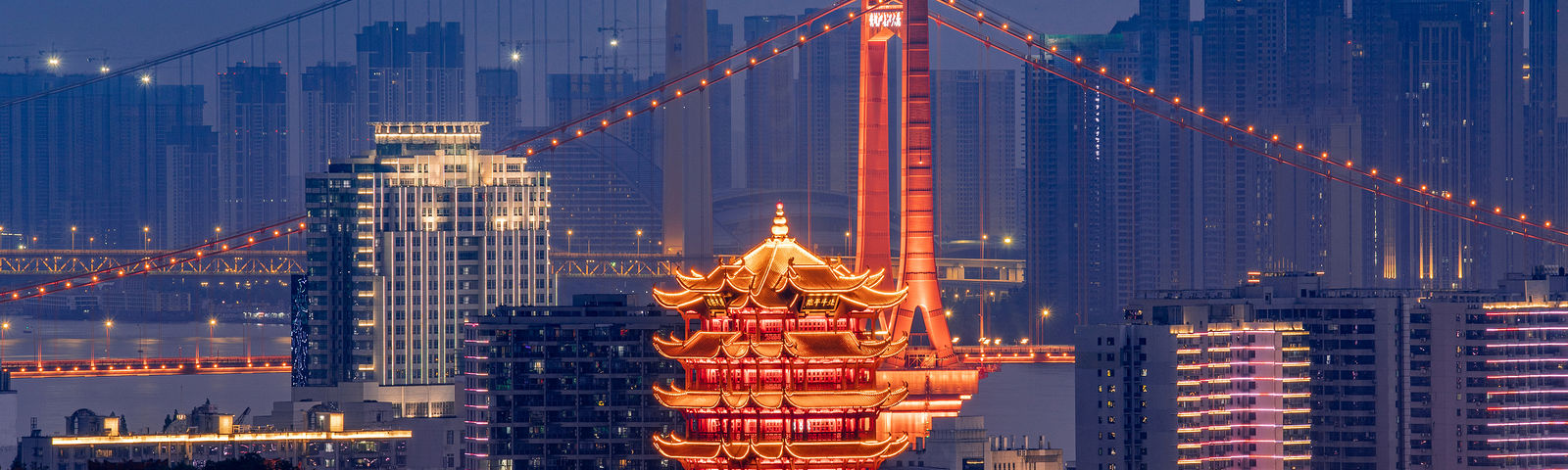
Top picks for Wuhan Day tours
Discover 50 Day tours in Wuhan on Trip.com, updated February 18, 2026, with experiences lasting from 1 to 13 hours. Find the perfect adventure for your day!
From EUR 23.62 per person, with an average total of EUR 121.86. Choose the option that suits your plan.
With 1 verified reviews, Day tours Wuhan boast an average rating of 5.0.
This week's most popular Day tours: "4 hours Walking tour to Wuhan Yellow crane tower and Donghu lake with boat trip", with 1 reviews and a 5 rating.
Now on Trip.com: "Yellow Crane Tower - Yangtze River Bridge - East Lake Scenic Area - Han Street 1-day Tour (Bilingual Service/Multiple Vehicle Types Available)", a 8-hour adventure in Wuhan!
The next available day tour departs on February 19, 2026. Book now to secure your spot!
Wuhan Day tours usually take about 8 hours — perfect for a relaxed, immersive experience!
100% of Wuhan Day tours now offer English-speaking guides
February is the perfect time to visit Wuhan! Choose from Day tours available day tours, including seasonal favorites like 4 hours Walking tour to Wuhan Yellow crane tower and Donghu lake with boat trip.
Your trip, worry-free! All day tours are run by licensed suppliers with verified reviews, and many include free cancellation before departure.
50 results for Wuhan Day tours
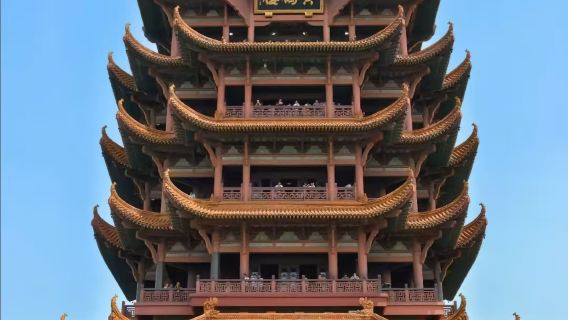 Visit the Yellow Crane Tower and experience ancient charm amidst its upturned eaves and bracket sets.Free cancellationDuration: 8 hrsFrom€140.29
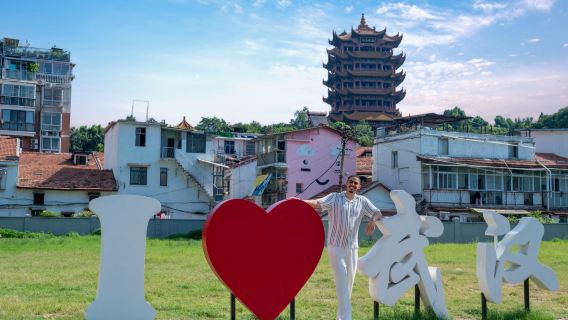 Direct transfer from the airport to the Yellow Crane Tower: Saves time, hassle-free, and won't make you miss your connection.Free cancellationDuration: 2 hrsFrom€76.42
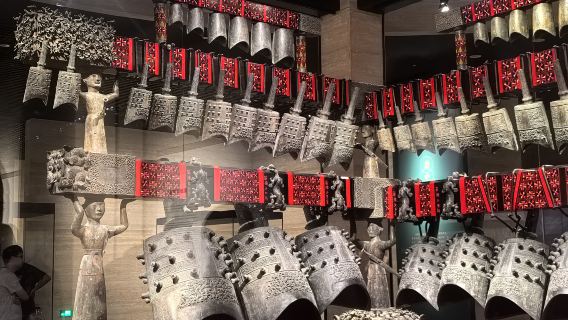 Focus on the Museum's Core Relics, Connect with Millennia of HistoryFree cancellationDuration: 3.2 hrsFrom€85.32
 Dedicated guide and vehicle, flexible itinerary, in-depth narration.Free cancellationDuration: 7.5 hrsFrom€137.83
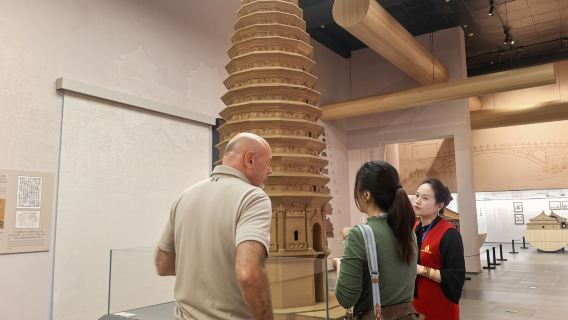 Embrace the wisdom woven in wood and stone; listen to the epic of civilization told by architecture.Free cancellationDuration: 2 hrsFrom€45.77
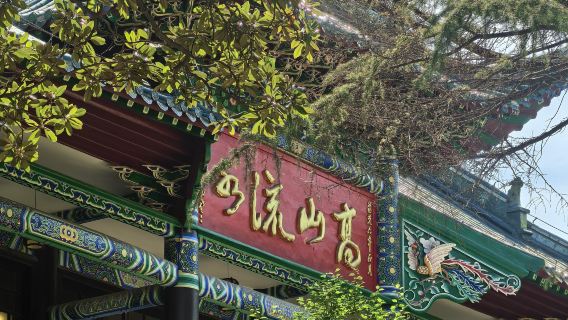 Explore this renowned cultural site, refreshed in 2024, and immerse yourself in its centuries-old heritage.Free cancellationDuration: 2.1 hrsFrom€68.96
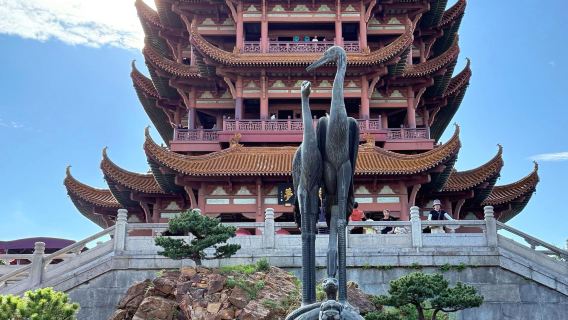 Chinese, English, and other language guide services available - round-trip transfers - optional tour guideDuration: 7 hrsFrom€140.29
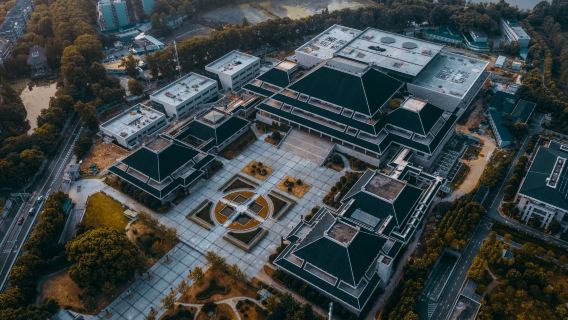 Small group deep Immersion explanation: 5 people form a group, 8 people cap!Free cancellationDuration: 2 hrsFrom€35.15
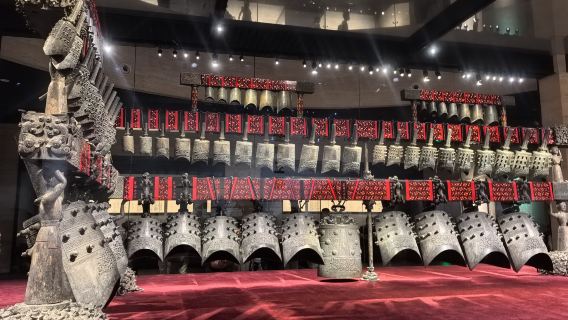 Guided Convenience: Licensed English-speaking guides curate a seamless journey.Free cancellationDuration: 7 hrsFrom€201.38
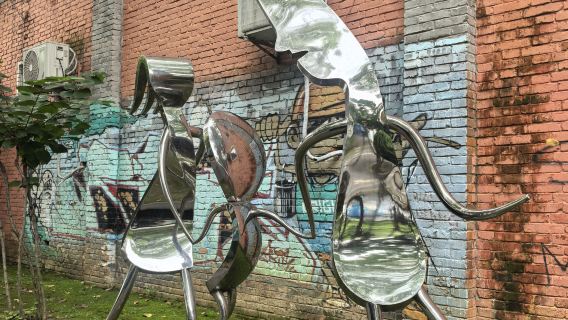 Unique night route: air-raid shelter stories, Yangtze Bridge views, Hanyangzao Art District (industrial history + photo spots).Free cancellationDuration: 2 hrsFrom€61.03
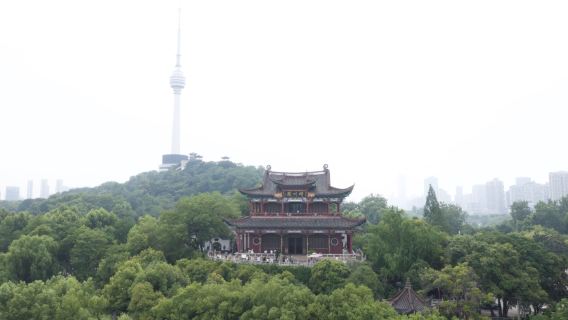 Certified English guides fully escort: Explore Yellow Crane Tower , Yangtze River Bridge , & Qingchuan Pavilion with legend-unveiling commentaryFree cancellationDuration: 3.8 hrsFrom€64.45
 Licensed English guides lead 11h trips, weaving 3,000-yr Chu culture through Yellow Crane Tower, East Lake & Hankow.Free cancellationDuration: 9.7 hrsFrom€268.51
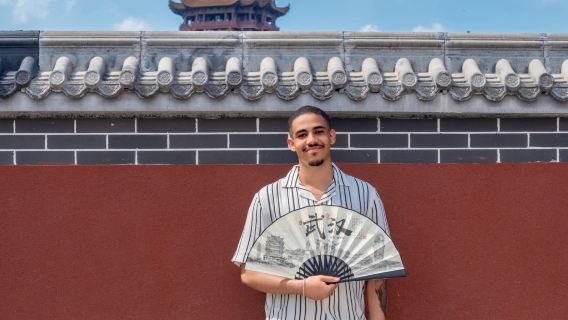 5-hour Wuhan layover tour: See UNESCO-listed Yellow Crane Tower (no entry), enjoy Yangtze views & 1,800-year culture—no flight delays.Free cancellationDuration: 3.2 hrsFrom€85.32
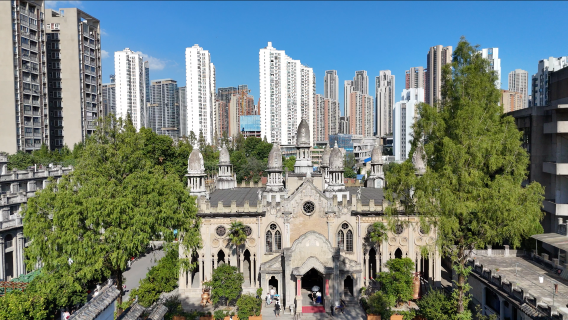 Explore Wuhan's iconic Burmese-style Buddhist temple (photo ops with sacred pigeons!)Free cancellationDuration: 2.5 hrsFrom€61.03
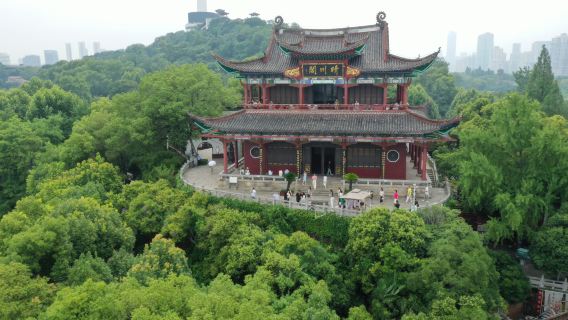 In-depth visits to Qingchuan Pavilion and Guiyuan Temple; encounter Yingtaizhou Bridge during a Robo-Taxi ride.Free cancellationDuration: 2.7 hrsFrom€89.08
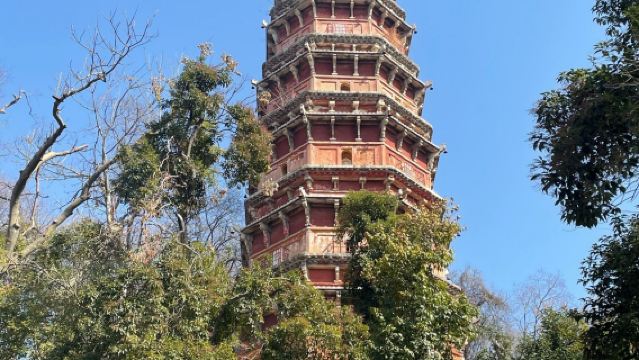 Professional guided tour of Wuhan Changchun Guan, exploring authentic Taoist rituals, philosophy and core customs for international visitors.Free cancellationDuration: 1.5 hrsFrom€39.67
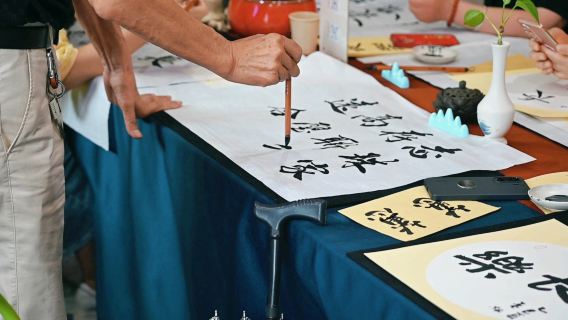 Cultural Immersion: Immerse in Chinese culture via calligraphy and painting, understand their aesthetics and connotations.Free cancellationDuration: 1 hrFrom€44.55
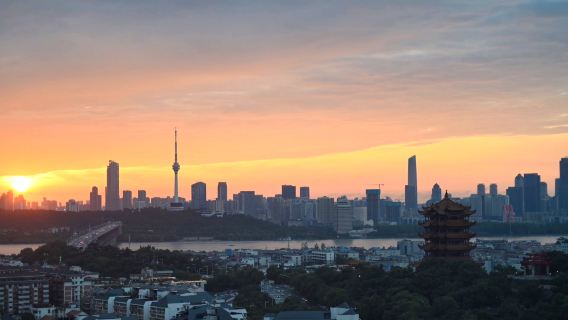 Command panoramic river views from the “First Tower under Heaven”.Free cancellationDuration: 7 hrsFrom€262.40
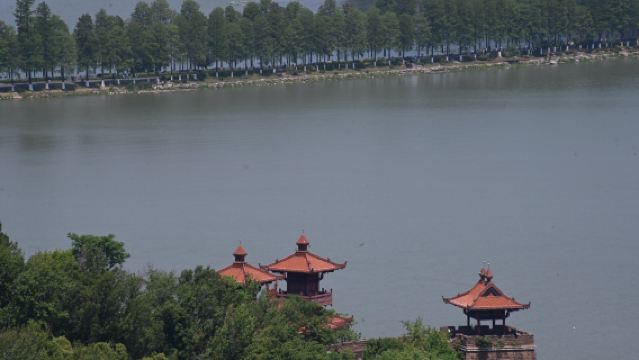 Enjoy breathtaking East Lake panoramic views from Mo Mountain pavilions. Gentle trekking trails wind along the lake, with fresh breezes all the way.Free cancellationDuration: 5 hrsFrom€32.71
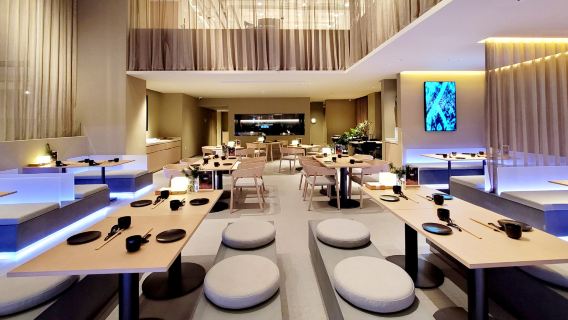 Sky-high tea ceremony (300m deck): Savor Tsar-favored Hubei Qingzhuan Tea, overlook Yangtze tea docks + panoramic views.Free cancellationDuration: 13 hrsFrom€61.03
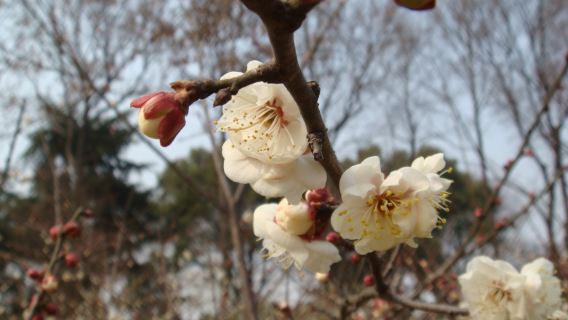 A bilingual guide explains plum blossom culture along the best route, while a photographer captures perfectly composed shots.Free cancellationDuration: 4 hrsFrom€152.71
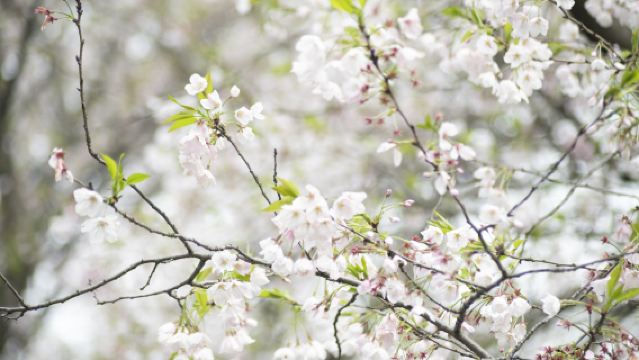 A guide shares campus history and cherry blossom culture while a photographer captures quality images.Free cancellationDuration: 4.5 hrsFrom€152.71
 [Premium Service] Thoughtful 24-hour customer support, dedicated to serving every client with prompt issue resolution for a worry-free tripFree cancellationDuration: 2 hrsFrom€97.40
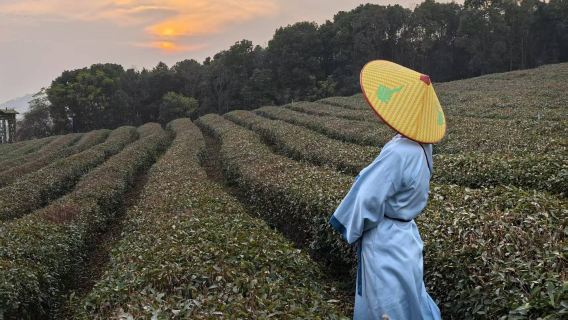 Tea Garden Visit & Tasting – Pick tea with provided tools and witness traditional brick tea production, followed by a tasting session.Free cancellationDuration: 9.6 hrsFrom€117.78
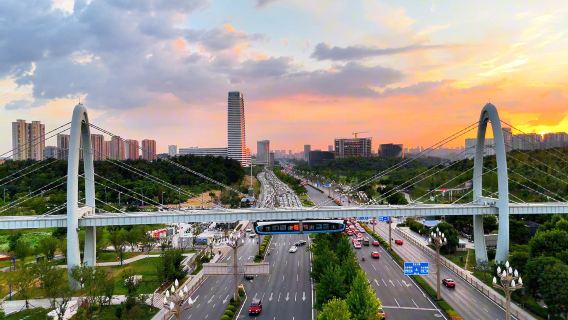 Fully Autonomous Driverless Operation: Experience Future Mobility.Free cancellationDuration: 1.5 hrsFrom€54.93
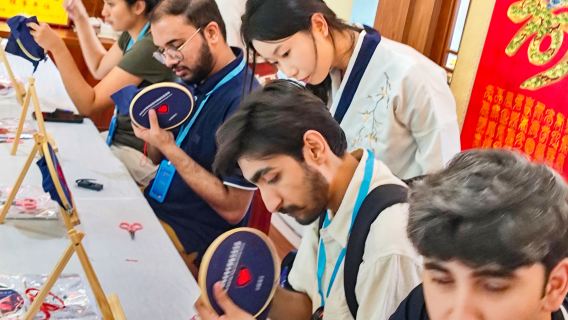 A Han embroidery inheritor guides you through traditional techniques, explaining the vibrant, opulent style of this craft.Free cancellationDuration: 4 hrsFrom€79.34
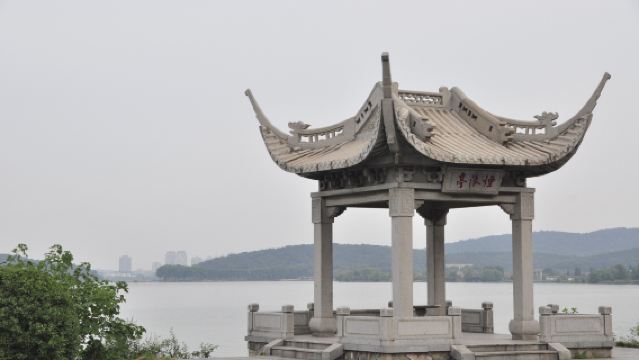 20km Non-Retraceable Ride: Enjoy a smooth 20km lakeside ride through East Lake's classic spots with no repeated paths.Free cancellationDuration: 8 hrsFrom€120.59
 Door-to-door private transfer to/from your Wuhan hotel—no transit stress, guaranteeing a smooth start and end to your night adventure.Free cancellationDuration: 1.5 hrsFrom€88.15
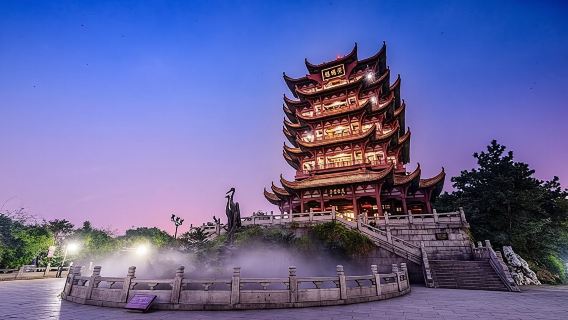 Free cancellationDuration: 4 hrs5.0/5Excellent· 1 reviewFrom€170.17
 Sunset kayaking on Houguan Lake: Glide through lush wetlands, enjoy high water-oxygen serenity away from city bustle.Free cancellationDuration: 3 hrsFrom€104.06
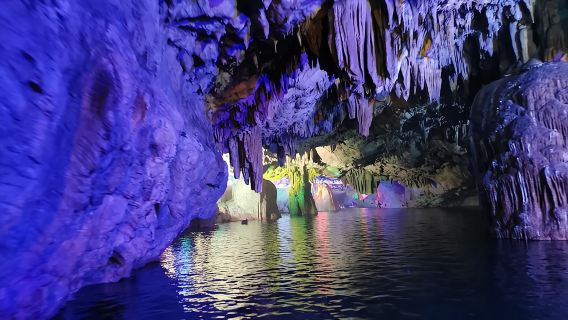 From€443.80
 Free cancellationDuration: 7 hrsFrom€342.04
 Free cancellationDuration: 8 hrsFrom€341.19
 Step inside the historic bunker. Let our certified bilingual guide whisper Wuhan's stories to you.Free cancellationDuration: 2 hrsFrom€23.62
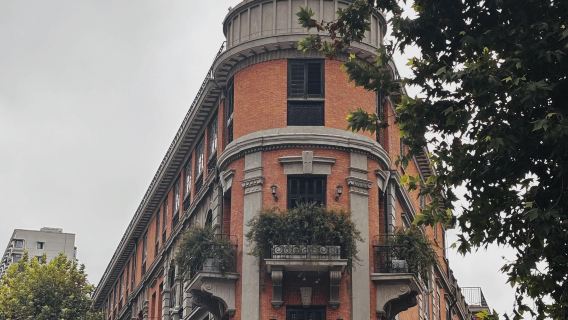 English and other language guide services available - round-trip transfers - optional tour guideDuration: 7.5 hrsFrom€140.72
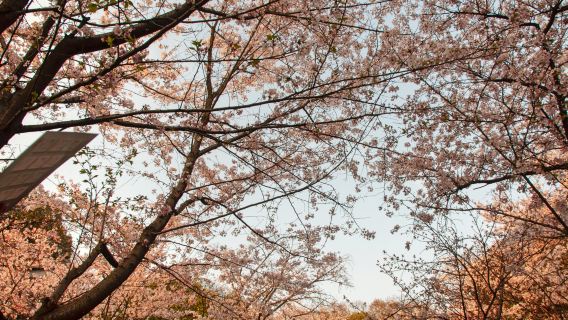 Expert English guides lead 1-day tour of 4 iconic sakura spots: Wuhan University, East Lake , Moshan , &Botanical Garden.Free cancellationDuration: 5.8 hrsFrom€70.36
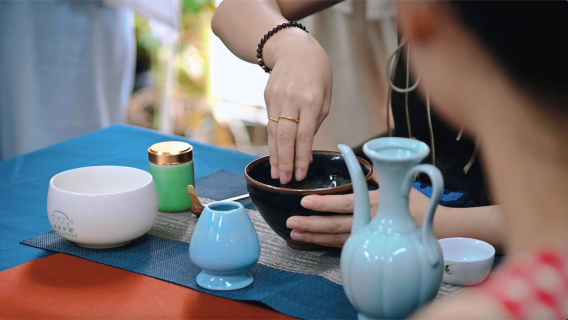 Pro tea artist guides 7-step Diancha mastery—step into Song Dynasty's imperial frothy tea ritual.Free cancellationDuration: 3 hrsFrom€53.26
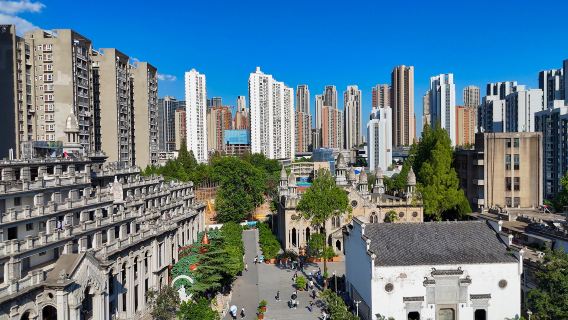 Personalized Small Group (max 8): No crowds, dedicated guide focus.Free cancellationDuration: 1.5 hrsFrom€71.99
 Decode the century-old school history. Licensed English guides analyze its 1893 foundation, linking building stories and academic inheritance.Free cancellationDuration: 2 hrsFrom€79.58
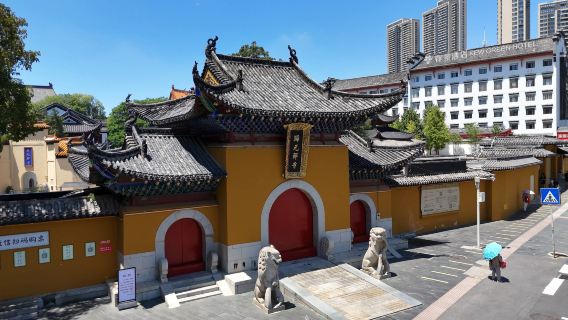 Licensed English guides lead visits to Qingchuan Pavilion (Yangtze views, Chu-style architecture) & Guiyuan Temple (Buddhist art, 500 arhats).Free cancellationDuration: 5.3 hrsFrom€77.74
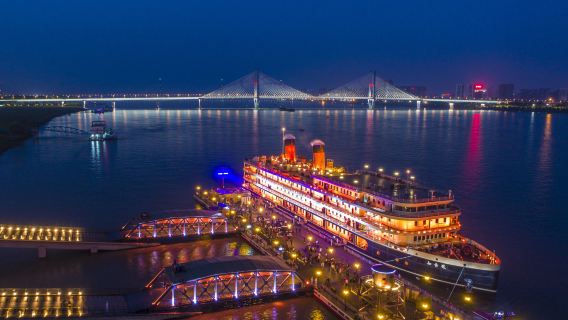 Full Chinese/English/Russian/other language services for seamless communication with adjustable attractionsFree cancellationDuration: 6.5 hrsFrom€175.89
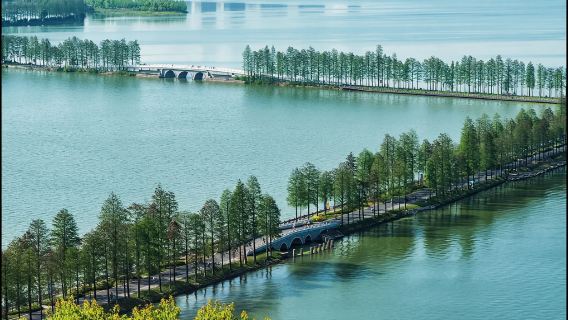 Full Chinese/English/Russian/other language services for seamless communication with adjustable attractionsFree cancellationDuration: 7.5 hrsFrom€182.93
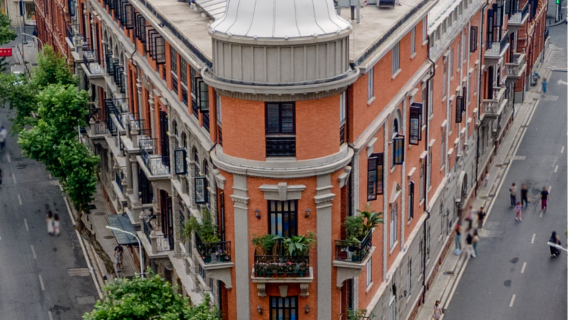 5-12 people in small groups; a Chinese-English guide shares Hankou's century-old tea road and Sino-Western stories for deeper immersion.Free cancellationDuration: 2 hrsFrom€43.59
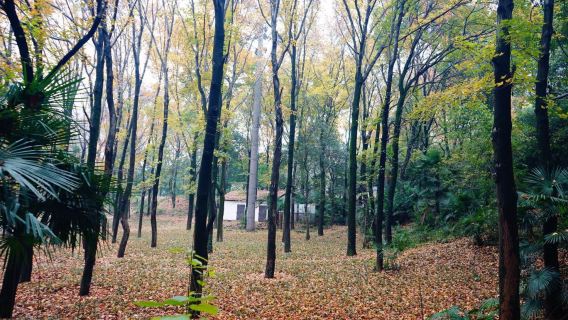 Full Chinese/English/Russian/other language services for seamless communication with adjustable attractionsFree cancellationDuration: 7.5 hrsFrom€175.89
Explore top experiences
See what other travelers love, based on ratings and bookings
Frequently asked questions about Wuhan Day tours
How many Day tours are available in Wuhan on Trip.com?
What are the best Day tours in Wuhan?
What are the top-rated Day tours in Wuhan?
What are the recommended itineraries in Wuhan?
How can I contact Trip.com customer support?
Can I change or cancel my booking?
How can I get discounted prices?
Trip.com Picks
Popular Products
Popular Activities
More Popular Destinations


About




Site Operator: Trip.com Travel Singapore Pte. Ltd.