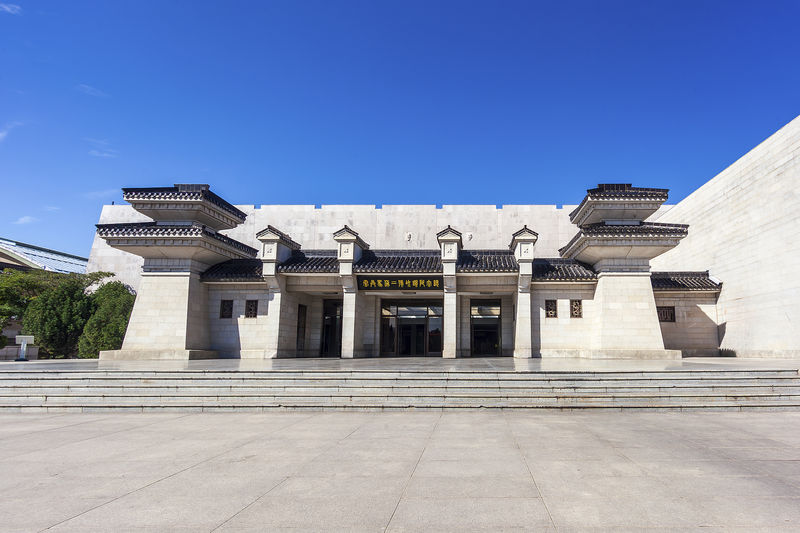


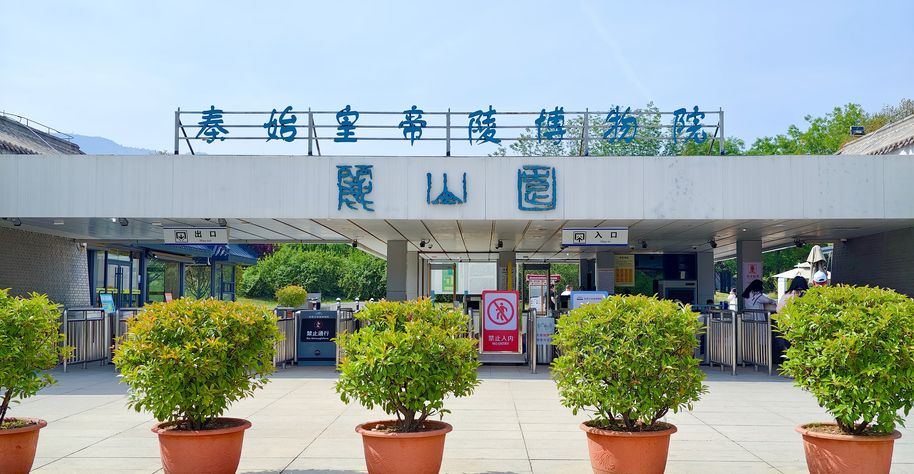
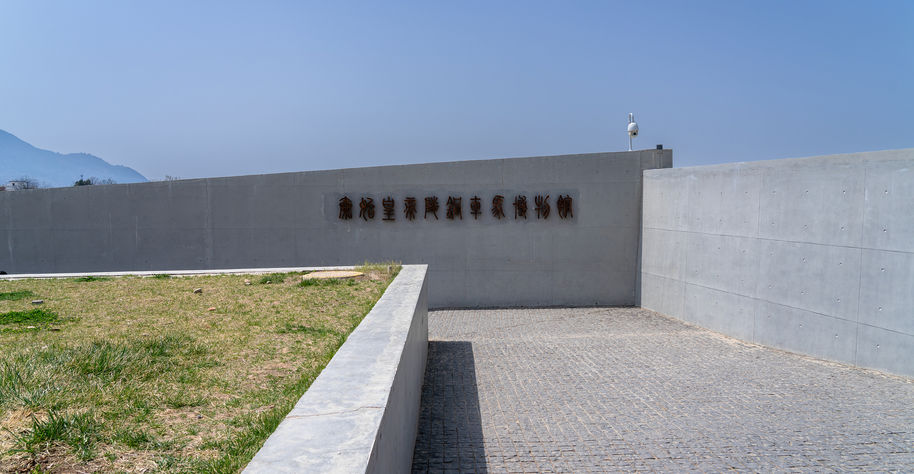
Terracotta Warriors and Horses Scenic Area adoptsReal-name admission, please be sure to reserve the actual traveler's ID information when placing an order,You must bring your original ID card and other relevant valid documents to enter the park on the day of travelIf you are unable to enter the park due to problems with the reserved documents, our company will not be responsible for any consequences. Please understand!

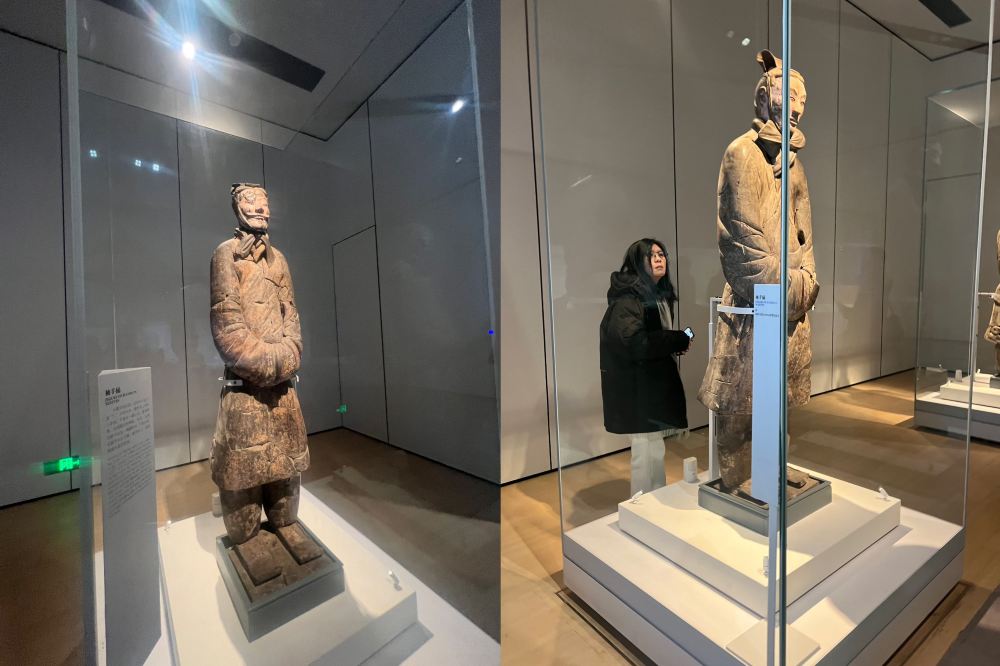
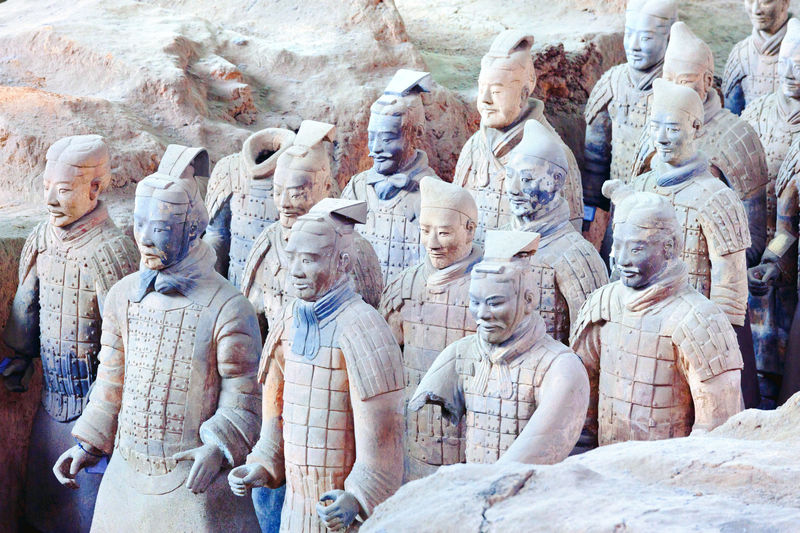
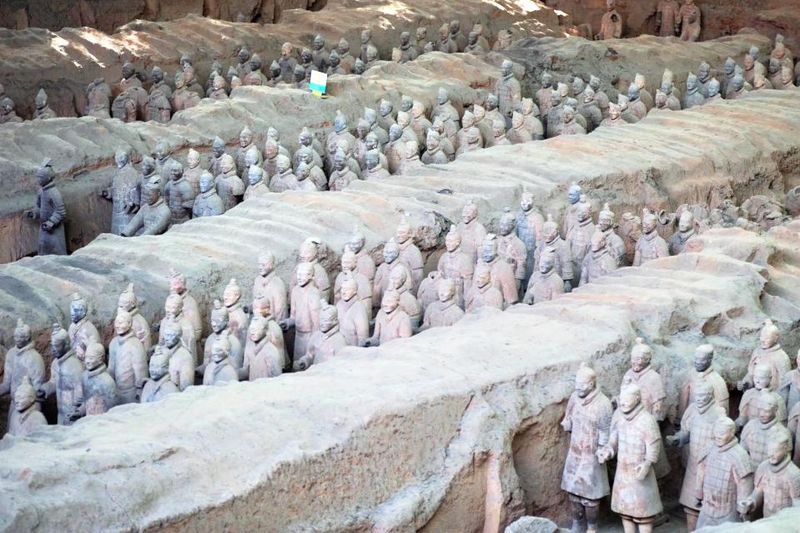
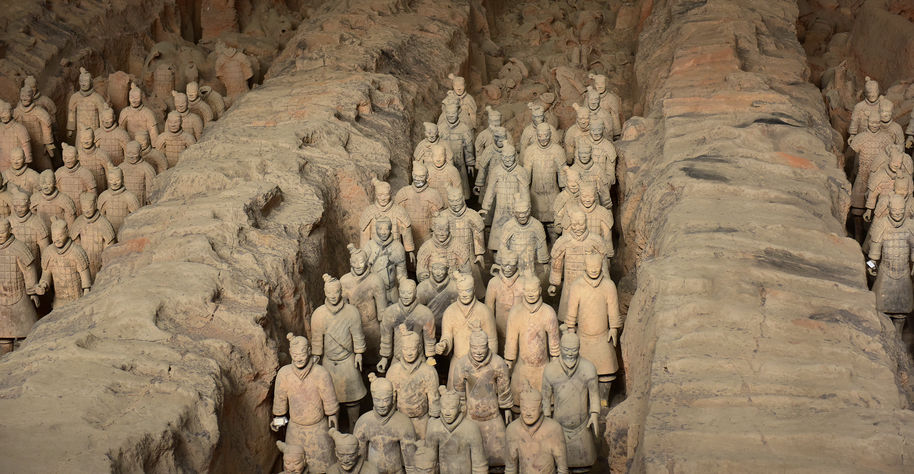
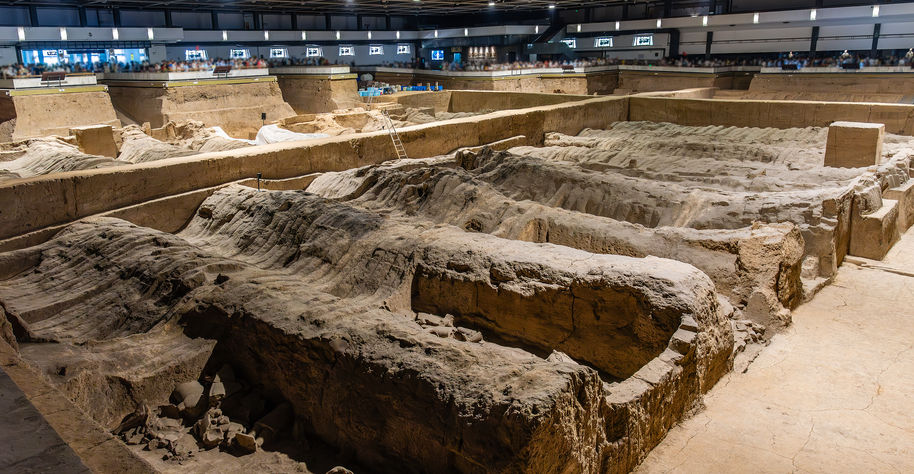
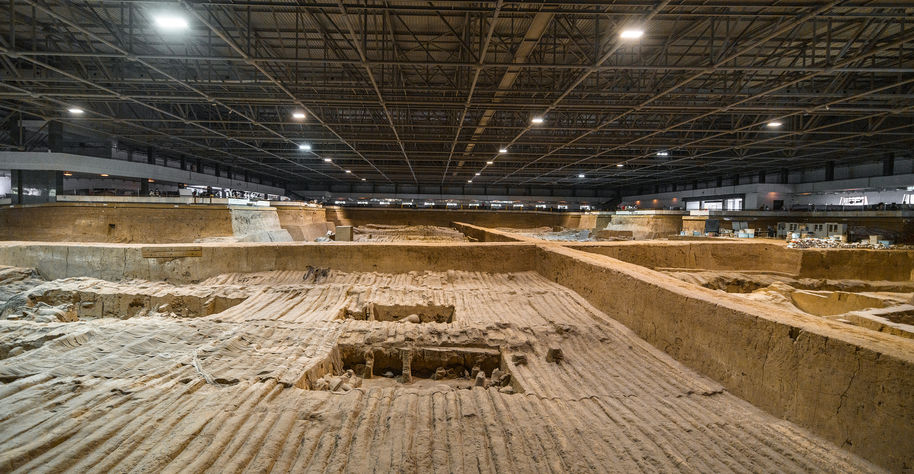
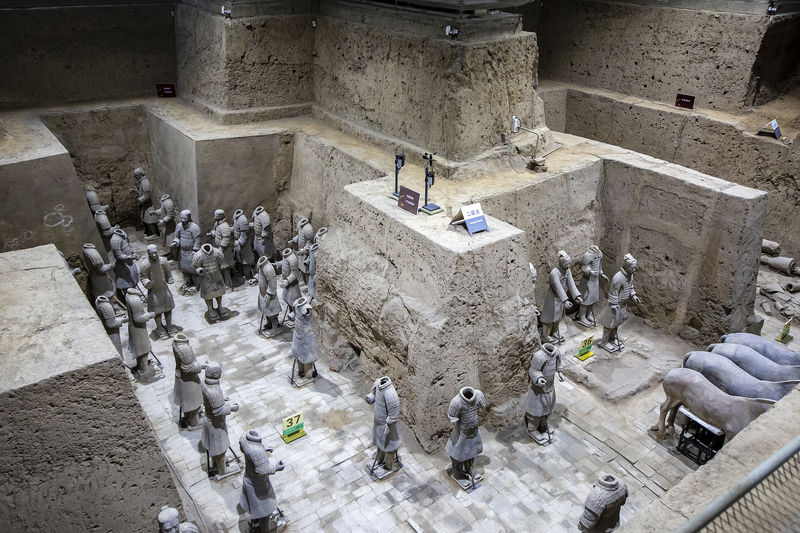
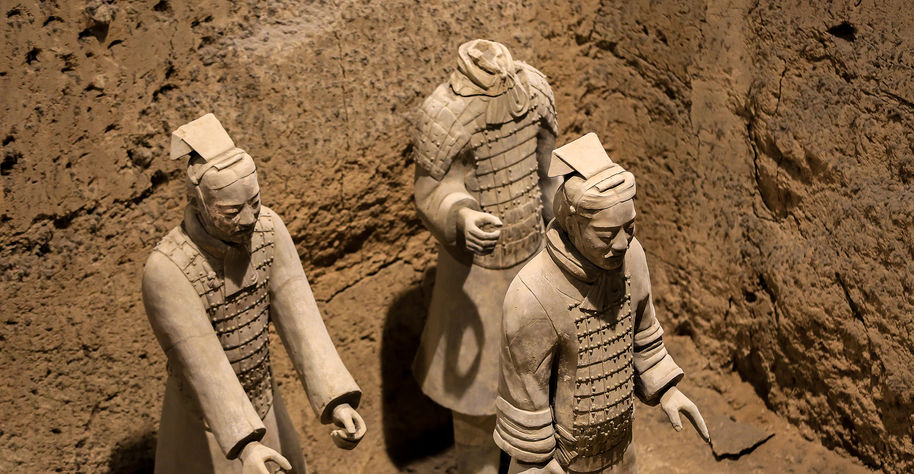
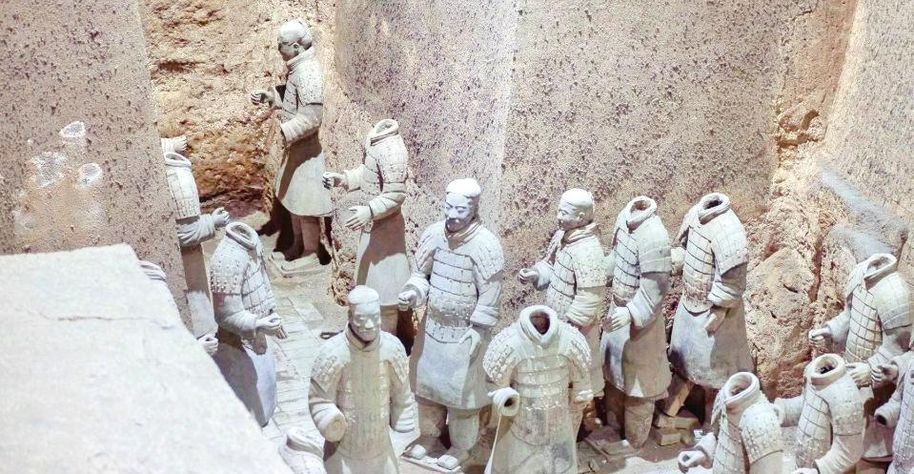
The Terracotta Warriors were discovered by local farmers digging a well in 1974, which was an accidental find that shocked the world. These life - sized terracotta soldiers, horses, and chariots were buried with Emperor Qin Shi Huang to protect him in the afterlife. There are over 8,000 of them in total, and each one is unique. The soldiers have different facial features, hairstyles, and expressions, as if they were real people from 2,000 years ago.
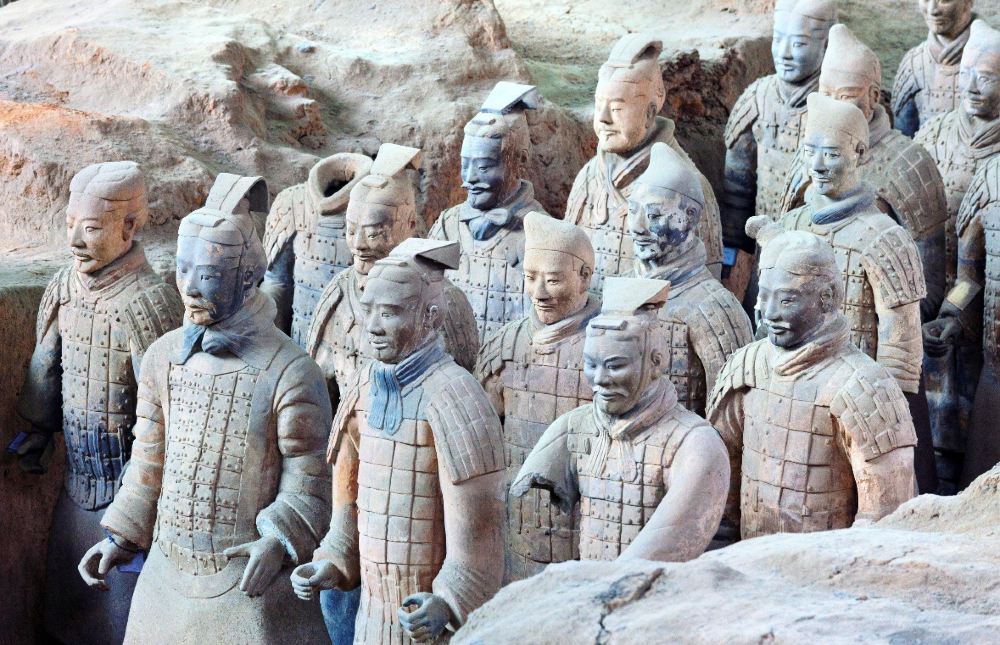
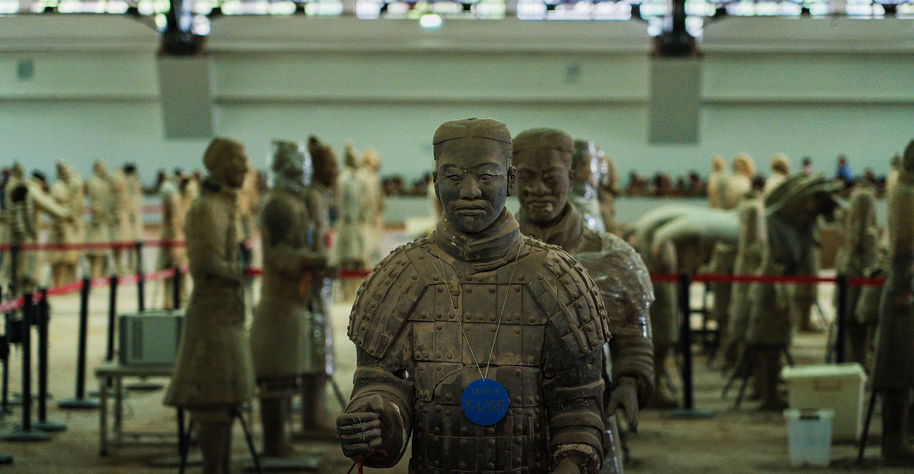
The craftsmanship of the Terracotta Warriors is amazing. The artists at that time used very detailed techniques to show the muscles, clothes, and even the shoelaces of the soldiers. You can see the realistic details on each statue, which makes you feel the high - level sculpture art of ancient China.
In addition, the Terracotta Warriors also provide us with a key to understand the history and culture of ancient China. They were made in the 3rd century BCE, and through them, we can know about the military, art, and burial customs of the Qin Dynasty. It's like a time - machine, taking us back to the ancient Chinese society.
The Terracotta Warriors are not only a treasure of China but also a precious heritage of all mankind. They were listed as a World Heritage Site by UNESCO in 1987. Come and feel the charm of this eighth wonder of the world for yourself!
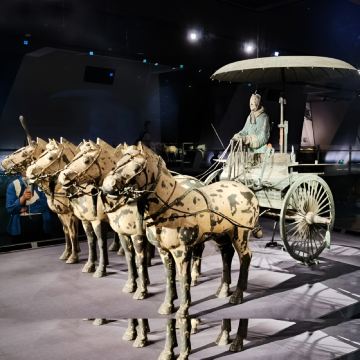
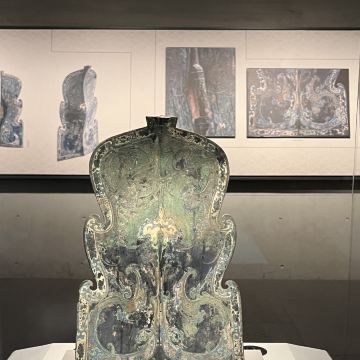
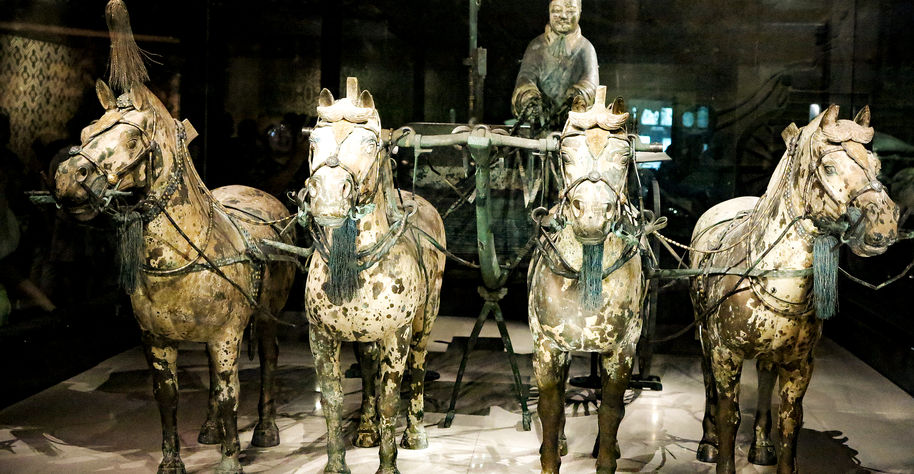
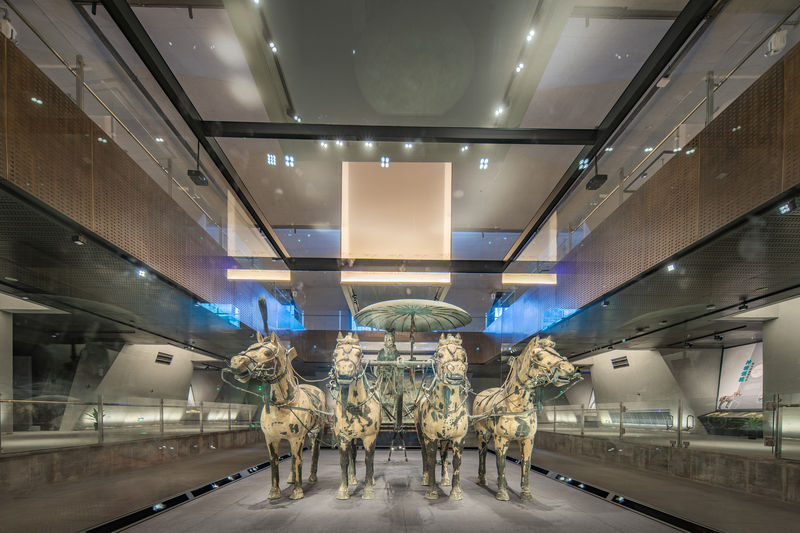
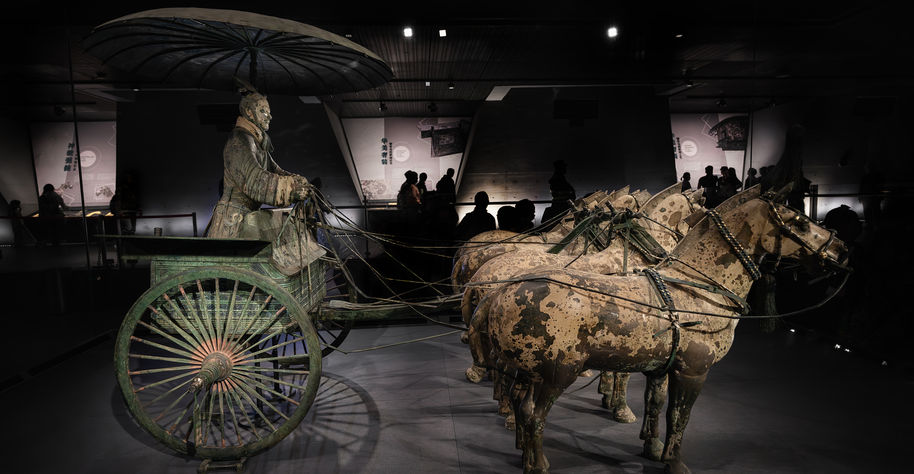
The Bronze Chariots, unearthed in 1980 west of the emperor's mausoleum, are the largest, most complex and well-preserved bronze carriages in Chinese archaeological history. They were buried as the emperor's imperial carriage to accompany him in the afterlife, made in a 1:2 scale of the real royal chariots, with a total weight of over 2 tons and more than 7,000 parts—even the tiny gold and silver accessories weigh 14 kg! What's more amazing? They were broken into 3000 pieces (the smallest is as big as a fingernail) when unearthed, and it took archaeologists 8 years to restore them to perfection, just like solving a giant ancient bronze puzzle.
There are two chariots with totally different "jobs", just like the emperor's "security car" and "luxury sedan":
• No.1 Chariot (the Standing Chariot): It's the emperor's "escort vehicle" with an open carriage, a tall bronze umbrella on it, and a standing driver holding the reins. The umbrella has a clever hidden lock—it can be easily disassembled and assembled, just like a modern foldable umbrella! There are also bronze crossbows, shields and arrows on the chariot, fully showing the majesty of the Qin royal guard.
• No.2 Chariot (the Seated Chariot): This is the emperor's "private luxury car" with a closed two-compartment carriage. The front small room is for the driver, and the back big room is the emperor's exclusive seat. Its most magical design is the hollowed-out windows—they can be slid open and closed smoothly even after 2000 years! Open the windows for cool wind, close them for warmth, it's the earliest "air-conditioned car" in the world!
The craftsmanship of the Bronze Chariots is a miracle of ancient Chinese technology. The craftsmen used more than 10 techniques like casting, inlaying and welding, and made tiny pins (only 0.8-1mm thick, error less than 0.2mm) to connect the parts—these pins are smaller than a needle, but they hold the huge bronze chariots firmly. The chariots were also painted with colorful cloud and dragon patterns with natural mineral pigments, though most colors faded with time. What's even more interesting? Many Chinese words we use today, like "compare" and "save", actually come from the parts of these bronze chariots—they are not only cultural relics, but also a "living dictionary" of ancient Chinese!
Every part of the Bronze Chariots is a perfect combination of precision and art, showing the supreme wisdom of Qin Dynasty's craftsmen. Here in Lishan Garden, you're not just looking at two bronze relics, but touching the real life and top technology of the first unified empire in China 2000 years ago.