
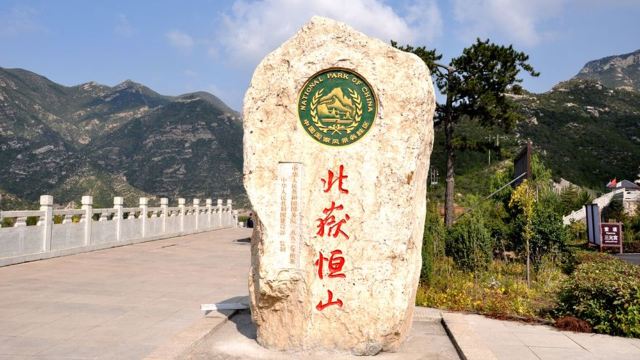
▲ Heng Shan Mountain stands at an elevation of 2,017 meters. Its main peak, Tianfeng Ridge, features a typical woodcut-style fault mountain structure with alternating layers of sheer cliffs and green belts, presenting magnificent scenery primarily composed of carbonate rock formations. The mountain is also home to four ancient pines known as the "Four Great Pines," which grow tenaciously from rock crevices. Additionally, the Eighteen Scenic Spots of Heng Shan, including Golden Dragon Gorge, Bitter-Sweet Well, and Ancient Plank Road, each boast unique characteristics. The great Ming Dynasty traveler Xu Xiake once praised Golden Dragon Gorge, saying, "Even the twin peaks of Yique and the nine bends of Wuyi pale in comparison." Best time to visit: April to October offers pleasant weather—spring for peach blossoms, summer and autumn for escaping the heat, and autumn when the mountain is ablaze with colorful foliage, making it perfect for hiking and photography. Admission ticket reservation: 45 CNY per person. Tickets can be reserved up to 7 days in advance via the official WeChat account "Heng Shan Scenic Area." Online booking is recommended during peak season.
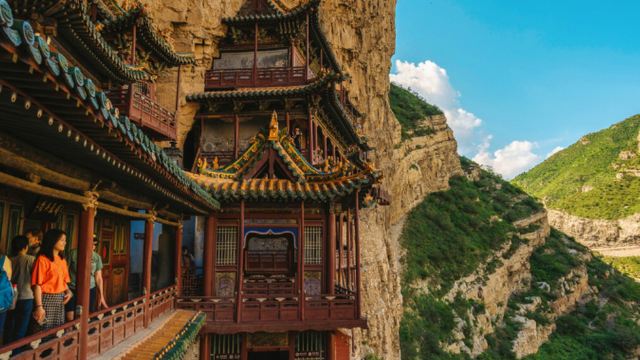
▲ Xuankong Temple, also known as "Xuankong Pavilion," derives its name from "the mystery of Taoism and the emptiness of Buddhism in the form of a pavilion." The current main structures were renovated during the Ming and Qing dynasties. The entire temple is perched on a cliff, with towering rocks above and a deep valley below, creating the illusion of a floating pavilion. Within an area of just over 100 square meters, over 40 halls and pavilions are ingeniously arranged. The architecture neither crowns the summit nor rests at the foot of the mountain but gracefully clings to the steep cliff, appearing delicate and ethereal, as if ready to take flight. The legendary poet Li Bai, after visiting, drunkenly inscribed the word "magnificent," while traveler Xu Xiake praised it as one of the world's grandest spectacles.
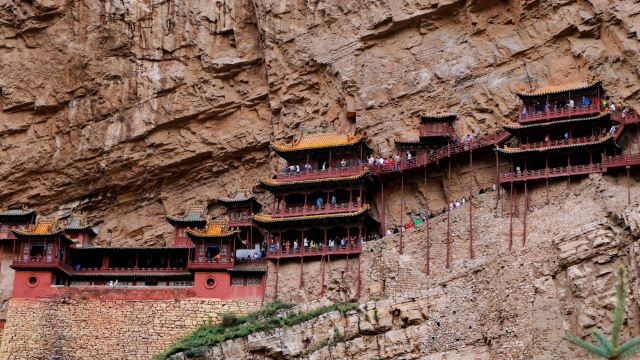
▲ Highlights: 1. Architectural Ingenuity and Precipitousness: From afar, Xuankong Temple appears as a breathtaking cliff relief showcasing exquisite craftsmanship. 2. Shakeable Wooden Pillars: The supporting pillars beneath the beams vary in length—some bear weight while others are merely decorative, with some even being movable. 3. Colored Sculptures and Hanging Sculptures in the Halls: The hanging sculptures are mainly found in the Leiyin Hall, which enshrines the Three Saints of Huayan. 4. The Long Bridge: Spanning approximately 10 meters between the South and North Towers, this bridge features pavilions with halls inside, each housing Buddhist statues. 5. Lotus Patterns on Wooden Stairs: The temple's wooden stairs are adorned with dozens of lotus-shaped patterns formed by iron nails. The iron-clad wooden steps serve both protective and decorative purposes while carrying profound symbolic meaning.
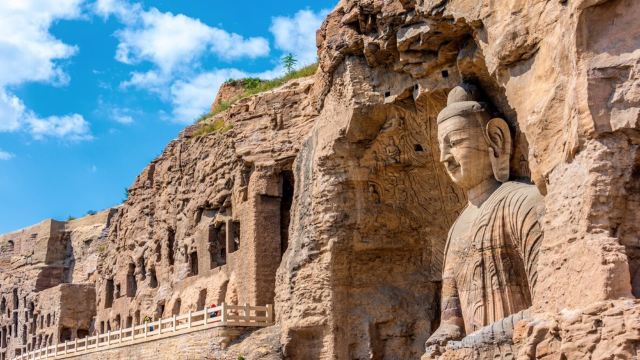
▲ The Yungang Grottoes, originally named Lingyan Temple and Stone Buddha Temple, were first carved during the Northern Wei Dynasty. They are a UNESCO World Heritage Site and one of China's Four Great Grottoes (along with the Mogao Caves, Longmen Grottoes, and Maijishan Grottoes). Opening hours: Peak season (April-October): 8:30-17:30 Off-peak season (November-March): 8:30-17:00 During summer vacation, the last admission is extended to 18:00, and visitors can stay until 20:00. Admission ticket price: 120 CNY/person (100 CNY during off-peak season) Ticket purchase options: Online: Official WeChat account "Yungang Grottoes Official" On-site: Tickets are available at the entrance, but queues can be long during peak season - online purchase is recommended for convenience. Transportation within the scenic area: Electric cart: Round-trip 15 CNY, one-way 10 CNY The departure route is relatively short - walking is feasible if you're able, but round-trip is recommended for families with children.
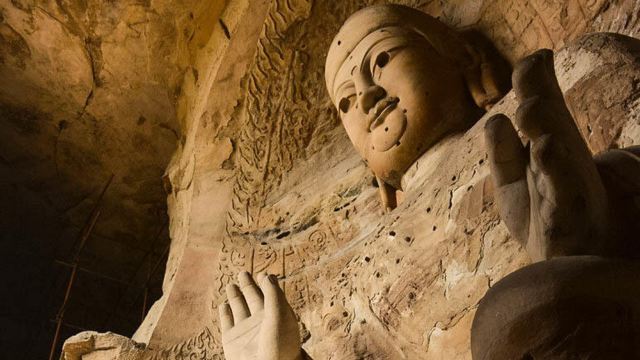
▲ On-site guide services: Standard guide: 180, Bronze guide: 240, Silver guide: 300, Gold guide: 380, Expert guide requires advance booking (1200-1600). Online audio guide: You can also listen to online audio guides via the official WeChat account "Yungang Grottoes Official", but please bring your own headphones. Recommended grotto tour route: Cave 3 (Yungang Grottoes Cave): The largest cave in Yungang Cave 5 (Great Buddha Cave): Features Yungang's largest Buddha statue, seated at 17 meters tall. Cave 6 (Sakyamuni Buddha Cave): Known as Yungang's most magnificent sight, alternates opening days with Cave 5. Cave 7 (First Buddha from the West Cave): Caves 7 and 8 are Yungang's earliest twin caves. Cave 8 (Buddha Smile Cave): Contains the famous statue of the Smiling Bodhisattva. Caves 9-13 (Five Splendors Caves): Named for their colorful painted clay decorations added in later dynasties.