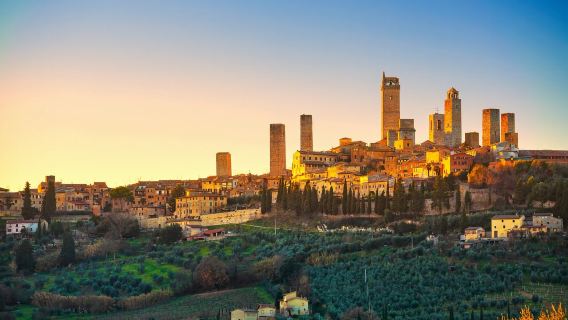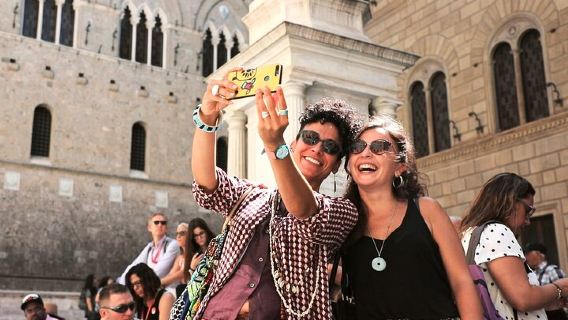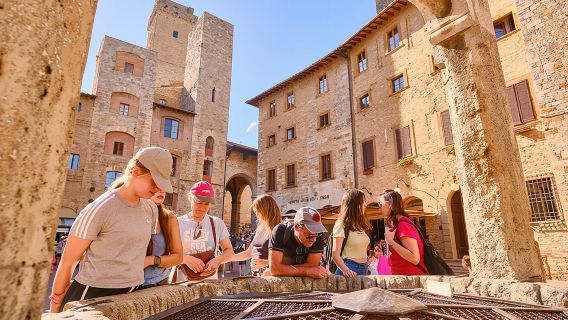

▲ The Historic Center of Siena is one of Italy's medieval towns in the Tuscany region, designated as a UNESCO World Heritage Site. Built on hills, the city is renowned for its distinctive ochre-hued buildings and winding narrow alleys, seemingly frozen in time from the 13th century. The fan-shaped Piazza del Campo, the central landmark, was once a Roman arena and now serves as a social hub for locals and the venue for the Palio horse race. Adjacent to the square stand the Gothic architectural ensemble of Palazzo Pubblico (Town Hall) and Torre del Mangia. The historic center is dotted with cobblestone lanes, ancient fountains, and palaces adorned with family crests, offering visitors an immersive experience in its rich historical atmosphere.


▲ Siena Cathedral (Duomo di Siena) is one of the magnificent Gothic churches in Italy's Tuscany region. Construction began in the 13th century, and it is renowned for its exquisite black-and-white marble striped exterior, resembling a grand work of art. The facade is adorned with intricate reliefs, rose windows, and spires, blending Romanesque and Gothic styles. The interior is even more splendid, with black-and-white striped columns creating a striking visual impact. The floor is inlaid with 56 exquisite marble mosaic panels depicting biblical stories and allegories.


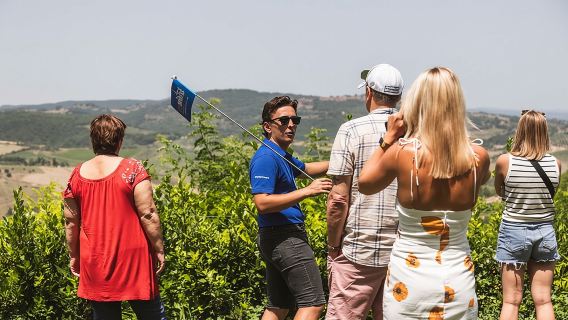
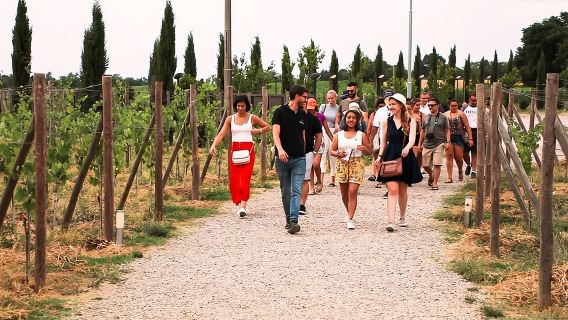
▲ Val d'Orcia is a mesmerizing pastoral paradise in Tuscany, where rolling hills adorned with cypress trees, golden wheat fields, and vineyards resemble a Renaissance oil painting. Renowned for its iconic soft-curved landscapes, the valley transforms colors with the seasons, offering particularly breathtaking views when summer wheat fields ripple in the wind. Beyond its picturesque scenery, Val d'Orcia produces premium wines, cheeses, and olive oil. Visitors can explore charming farmhouses, medieval towns, and thermal springs along the way, experiencing authentic Tuscan rural life. In 2004, this poetic countryside was inscribed as a UNESCO World Heritage Site, becoming a model of harmonious coexistence between nature and human culture.


▲ Chapel Vitaleta (Cappella della Madonna di Vitaleta) is one of the most iconic views in Val d'Orcia. This 16th-century Renaissance-style chapel stands quietly on a cypress-lined hill, forming a picturesque scene with the surrounding pastoral landscape. Nicknamed "Little Ears" for its two small bell towers on either side, the chapel's simple white facade creates a striking contrast against Tuscany's blue skies and green fields, making it a favorite photography spot. Although the interior is not open to the public, its elegant silhouette against the rolling wheat fields and vineyards perfectly captures the classic Tuscan countryside, appearing especially magical during sunrise and sunset.


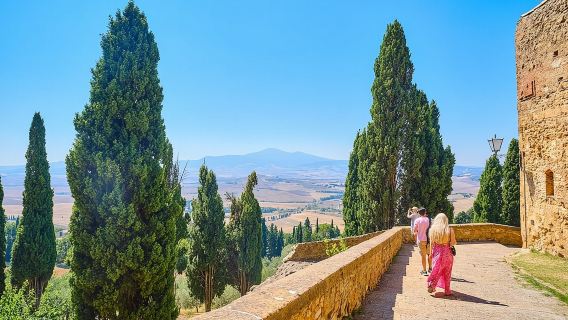
▲ Pienza is one of the most charming Renaissance towns in Tuscany, hailed as a model of the "ideal city." This exquisite town was rebuilt under the order of Pope Pius II in the 15th century, perfectly embodying the humanist urban planning ideals of the Renaissance. Strolling along Pienza's main street, Corso Rossellino, you'll find orderly honey-colored stone buildings, elegant noble palaces, and cozy handicraft shops on both sides. The central Piazza Pio II is surrounded by the cathedral, town hall, and bishop's palace, forming a harmonious architectural ensemble. From the town walls' viewing platform, you can overlook the rolling pastoral landscapes of Val d'Orcia. Pienza is also famous for its specialty Pecorino sheep cheese, making it an ideal destination to experience Tuscan rural life.