A tour of the beaches and viewpoints of Arriba Fossil, getting to know some of the local traditions and being able to choose between several options for lunch or dinner.
History of Costa de Caparica
Background
The history of Costa de Caparica was closely linked to maritime activities, especially artisanal fishing, and subsistence farming, based on small gardens on the dunes, fertilized over several generations with fish species of lesser commercial and nutritional value. Records show that since the 17th century, the place was a destination for fishermen from the Algarve and the Ilhavos in October, November and December. Everything indicates that the Costa de Caparica was settled during the 18th century, and there is documentary evidence of human occupation and social activity on the Costa de Caparica:
In 1747, José Gomes, a resident of Costa de Caparica and a native of Ílhavo, presented a certificate to the Town Hall in order to be able to exercise his trade as a tailor and have an open store.
In 1761, following a fire in a stall, a criminal case was opened, involving testimony from local witnesses. This legal document reveals not only prior settlement, but also social life itself.
25/10/1747 Letter of Examination of the Tailor's Trade
Almada, Municipal Historical Archive, Almada Town Hall, Administrative Services, Fees and Licenses, License Registers, 1747-1753, folios 20 and 20v., no. reg. 1708
25/04/1761 Testimonies of Witnesses in the Criminal Case of Arson in a Barraca, on the Costa de Caparica
Almada, Municipal Historical Archive, Almada District Court, Records of briefs and complaints, book 1, 1759-1765, folios 58-60v., no. reg. 6018
The year 1770 is wrongly referred to as the year of the foundation, but it is no less important, since the first masters of fishing "companhas" gradually began to settle on the Costa de Caparica: the ílhavos neighborhood to the north and the algarvios neighborhood to the south.
If the fishermen from the Ílhavo/Ovar region were responsible for the architecture of the typical Costa de Caparica fishing boats known as "saveiros", also known as "meia-lua" (half-moon), we are sure that the celebrated vegetable gardens of the Costa lands with their pampering, and the acacia forests that populate the dunes along the coast, have the "hand" of the Algarvian "companha" who settled in the south of the territory, experts in the use of agriculture as an alternative or complement to the art of fishing. The techniques used to contain the advance of the dunes by planting acacias are centuries old, and these practices were assimilated during the period of Muslim occupation of the Algarve coastline. It is in this way that the acacia woodland is growing along the sea front in the municipality of Almada, holding back the sands, protecting agriculture and painting the landscape of the Atlantic region with its characteristic flowers.


View all 4 photos
Costa da Caparica
From
DKK 0
Sold out
Highlights
Arriba fossil
Beaches
Gastronomy

Itinerary
Product details
A tour of the 21 km of beaches from Trafaria to Fonte da Telha at sea level with panoramic views from 3 different points.
Show less
What's included
Tour the locals.
Local meals and extras.
Eligibility
Adult: 18–99 years old
Child: 1–17 years old
Change & cancellation policies
If a cancellation request is submitted before 09:00, 1 day(s) prior to the date of use, no cancellation fee will be charged.
If a cancellation request is submitted after 09:00 1 day(s) before the date of use, a fee of 100% will be charged.
If a discount is applied, the cancellation fee will be calculated based on the original price before the discount and will not exceed the amount paid.
Partial refund is not available.
You may also like
Day tours
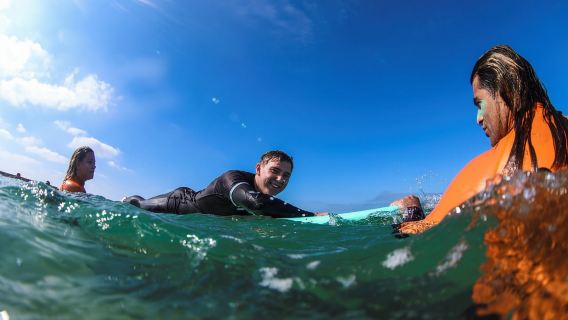
Lisbon: Capafórnia Surf Experience
4.7/5
(13 reviews)Depart from Almada
5% off
DKK 261.43
FromDKK 248.35

Day tours
From Lisbon: Paragliding Tandem Flight
4.8/5
(20 reviews)Depart from Lisbon
5% off
DKK 702.12
FromDKK 667.01

Day tours
Costa de Caparica: Paragliding Tandem Flight
Depart from Almada
5% off
DKK 821.62
FromDKK 780.53
Yachts & sailboats
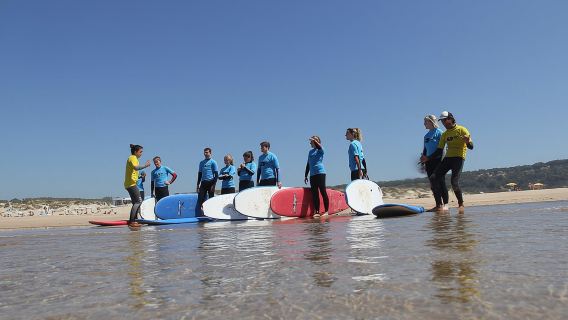
The Surf Instructor in Costa da Caparica
5.0/5
(123 reviews)Depart from Lisbon
FromDKK 377.71
Day tours
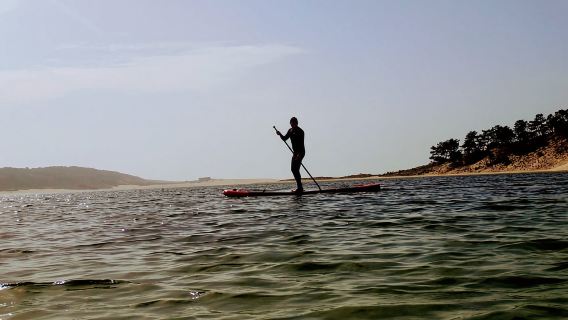
Lisbon: Stand Up Paddle Adventure at Albufeira Lagoon
Depart from Lisbon
5% off
DKK 597.55
FromDKK 567.67
Day tours
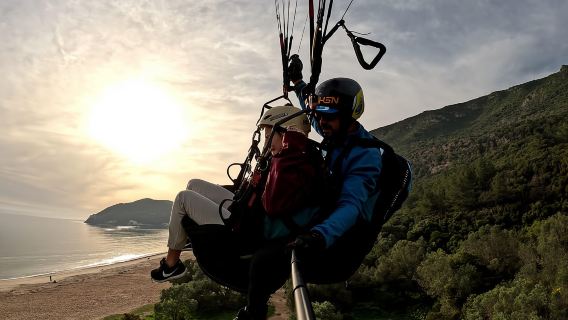
Lisbon: Paragliding Tandem Flight
5.0/5
(32 reviews)Depart from Almada
5% off
DKK 821.55
FromDKK 780.47

Rail passes
Eurail Global Pass [Refundable If Not Activated/Official Agent/Instant Ticket Delivery/Explore 33 European Countries Freely]
4.6/5
(98 reviews) | 4K+ bookedDeparts from Zurich & other locations
FromDKK 2,113.77

Rail passes
Interrail Global Mobile Pass
5.0/5
(1 review) | 30 bookedDeparts from Copenhagen & other locations
FromDKK 2,113.81

Day tours
Group Tour to Sintra, Pena, Regaleira, Cabo da Roca & Cascais
4.9/5
(33 reviews) | 48 bookedDepart from Lisbon
FromDKK 265.16
Day tours
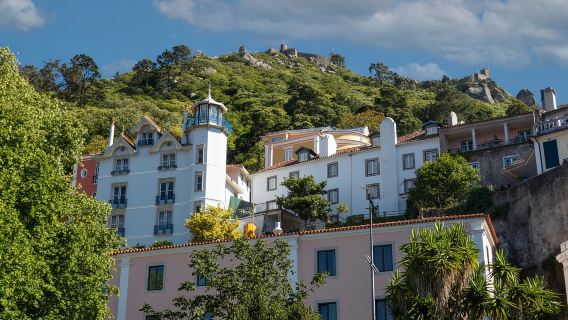
Lisbon: Sintra, Pena, Regaleira, Cabo Roca Coast & Cascais
4.9/5
(2895 reviews) | 1 bookedDepart from Lisbon
5% off
DKK 147.9
FromDKK 140.50
Day tours
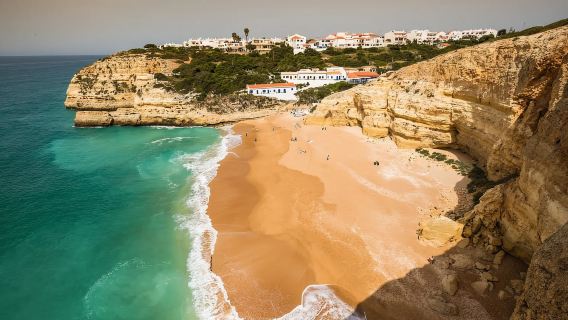
Algarve Adventures from Lisbon + Benagil Cave Boat Tour!
4.9/5
(125 reviews) | 1 bookedDepart from Lisbon
5% off
DKK 994.91
FromDKK 945.16
FAQ
Can I change or cancel my booking?
Please confirm the details on the product details page, as cancellation and change policies depend on the specific product
How can I get discounts?
We suggest keeping an eye on price changes, as prices can vary between working days and weekends as well as during peak and off-peak seasons. We also recommend using Trip Coins and Trip discounts for your purchases. For the latest discounts, visit Trip.com.
Trip.com Picks
Popular Products
Popular Activities
Guangzhou Spa & MassageSri Lanka SIM CardPhu Quoc Island SIM CardHainan SIM CardNaples Day ToursChina Bus TicketsChongqing Spa & MassageVietnam SIM CardShanghai Day ToursLaos SIM Card
Private Forbidden City Tour with English Speaking GuideBus Shared Tranfer From Huanglongjiuzhai Railway Station to Jiuzhaigou|Tikect is availableTerracotta Army TicketsPrivate tour from Lijiang: Jade Dragon Snow Mountain + Glacier Park Cableway + Blue Moon Valley Gulong Gorge Skywalk Glass Bridge and Waterfall View Private Tour2026 Wisteria Story - Ashikaga Flower Park + Ibaraki Nemophila Fields 1-day Tour Including Admission Ticket 89 Show Pattaya TicketPattaya 6996 ShowThe Wake Up Club Adult Show Ticket Phuket Mutianyu Great Wall With English Speaking Driver Service