
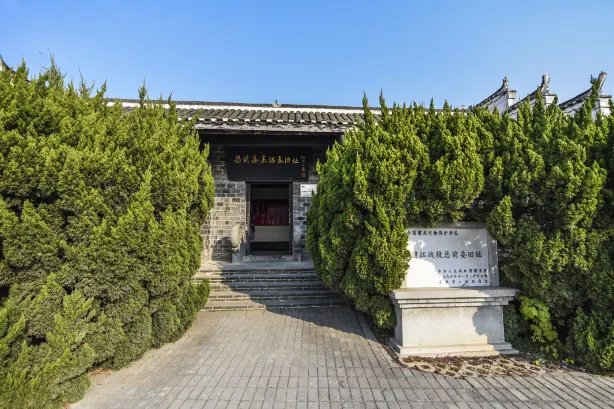
Things to do in Feidong
What's trending in Feidong
- Motan Tourism Resort: Hefei's Motan redwood forest hits peak fall viewing season
- Sanhe Ancient Town: Fall escape to Sanhe Ancient Town's poetic canal-side lanes
- Hefei Wildlife Park: Heye late-fall color fest with limited-time seasonal photo spots
- Mushan Island: Laoshan Island on Chaohu Lake, home of Wenfeng Pagoda
Explore top experiences
Top 10 attractions in Feidong
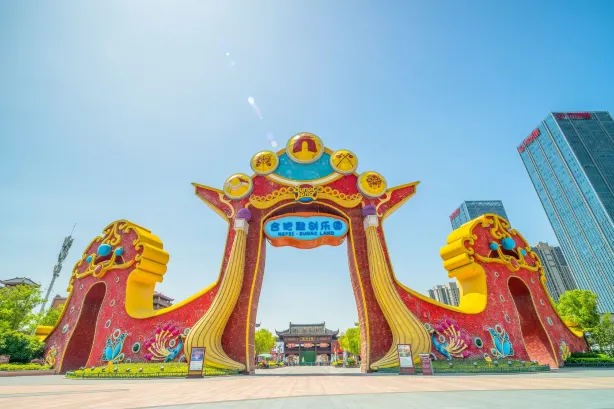

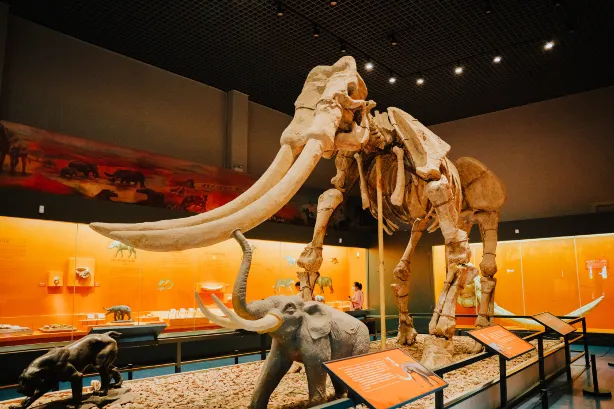

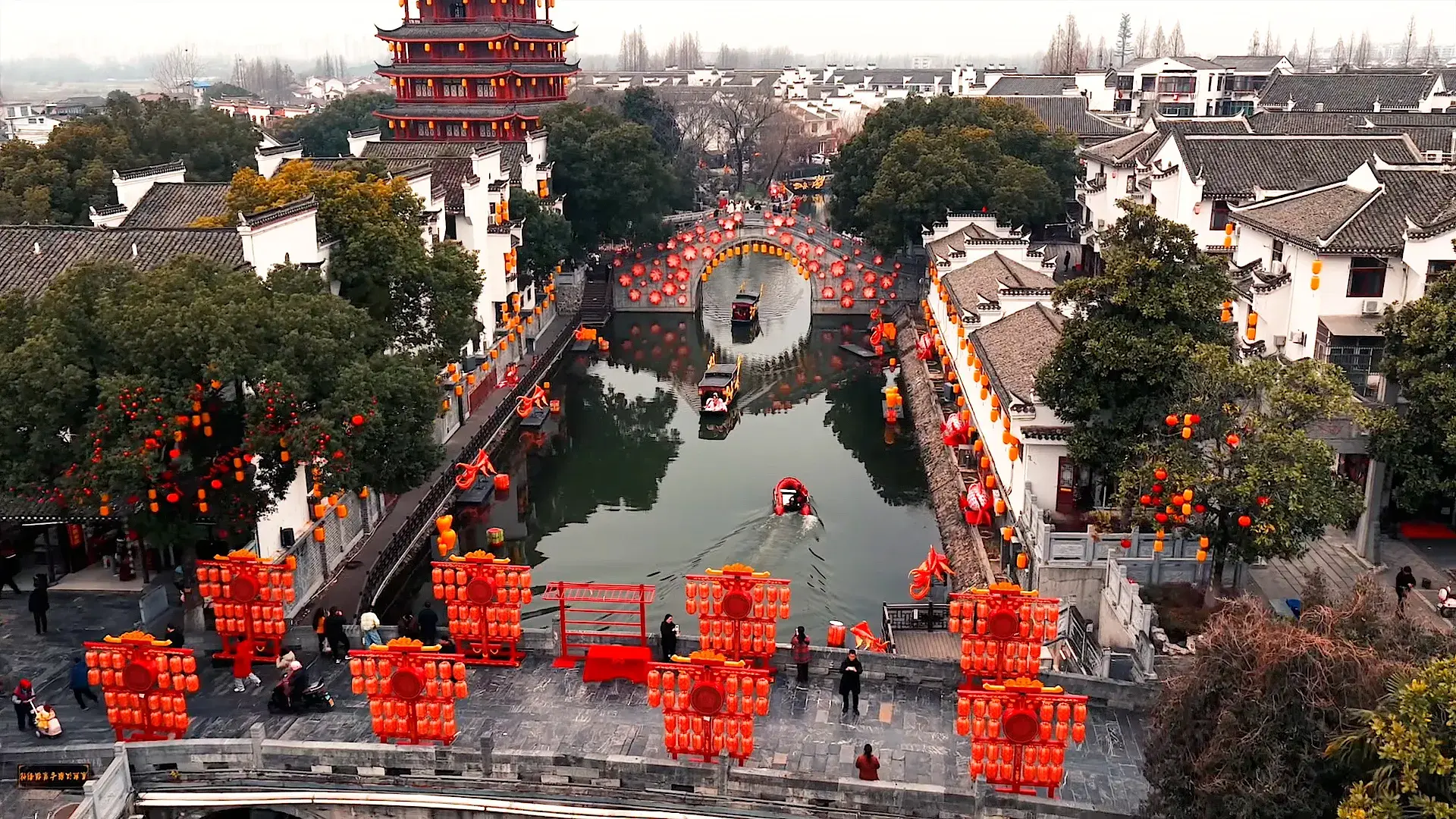





Experiences you can't miss in Feidong
Featured Day tours in Feidong
View all Day tours






Free things to do in Feidong

What travelers say about Feidong

Hefei Sunac Cultural Tourism City

Anhui Museum Luyang (the old one)

Motan Tourism Resort

Sanhe Ancient Town

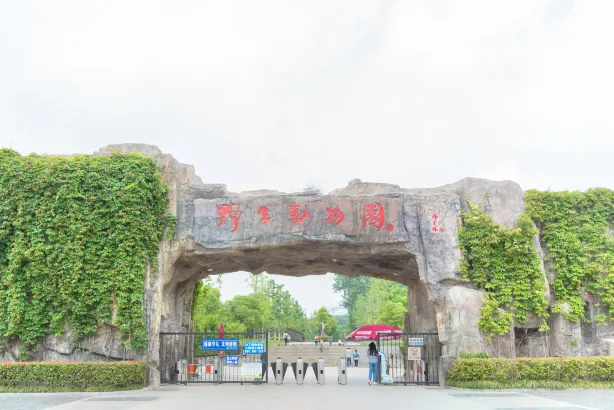
Hefei Wildlife Park

Lord Bao's Tomb

Mushan Island

Crabapple Flower Sea

Yangtze-crossing Campaign Memorial Museum
Trip Moments in Feidong


Popular cities near Feidong


Frequently asked questions
What are the recommended tours and excursions in Feidong?
When choosing a tour, start with how much time you have and the kind of experience you're looking for. Trending options right now include Hefei Bao Gong's Hometown Cultural Park + Leijie Park + Xiaoyaojin 1-day tour with bilingual service (Chinese/English), Hefei Xinqiao Airport departure|1-day tour of Sanhe Ancient Town - English / Chinese-speaking driver optional, and Hefei 1-day Tour: Sanhe Ancient Town + Hechai 1972 + Anhui Museum (Chinese and English Services Available). Check the real-time availability and itinerary before you book.
What's the typical cost of day tours and activities in Feidong?
As of 30 November 2026, the reference price for day tours and activities in Feidong is around TRY 4,580.16 – TRY 19,527.79. Rates vary by duration, group size, transportation, tickets, meals, and any special admission requirements. Before you book, please confirm the billing currency and whether the price is quoted per person or per group.
How can I contact Trip.com customer support?
Get help anytime, anywhere within 30 secondsContact customer support
Can I change or cancel my booking?
Change and cancellation policies vary by attractions and tours. Please check the product details page for more information.
How can I get discounted prices?
Ticket prices may vary between weekdays and weekends, as well as during peak and off-peak seasons. When booking with Trip.com, you can also use Trip Coins to get extra savings. For more tips on booking discounted tickets, please visit Trip.com for the latest information.