
Things to do in India
Explore top experiences
Top 10 attractions in India


Taj Mahal
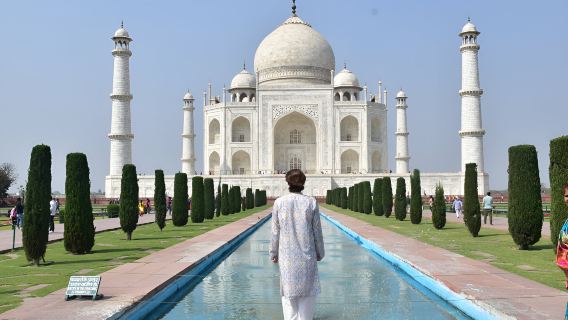
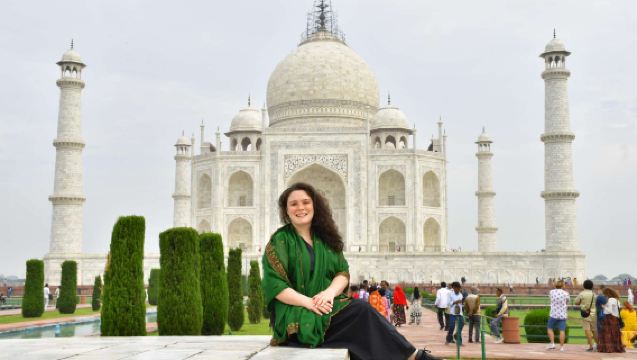
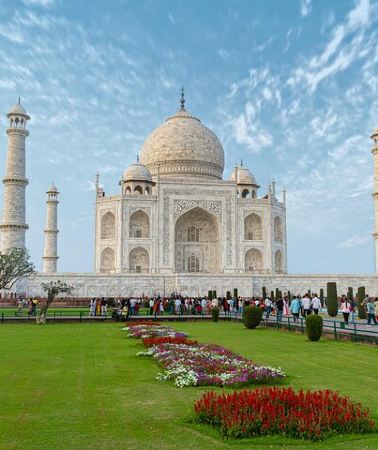
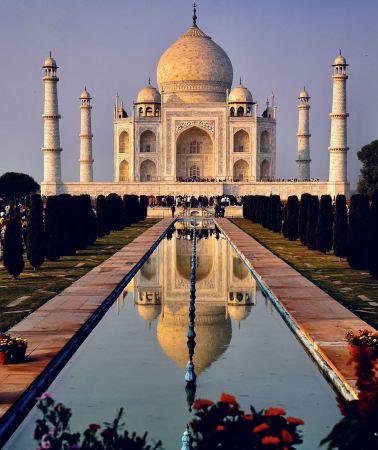
The Taj Mahal is a must-see attraction in India, praised by the poet Tagore as "an eternal teardrop". Completed in 1654, the Taj Mahal was built by Mughal Emperor Shah Jahan for Queen Ajman Banu at a huge cost. This palatial mausoleum is mainly constructed of pure white marble, inlaid with precious stones from all over the world. The Taj Mahal also has a completely symmetrical architectural aesthetic, combining Indian and Persian architectural art. The entire building complex includes the vestibule, the main entrance, the main body of the mausoleum and other attractions. You can enter the vestibule from the west, east and south entrances, and then enter from the main entrance. There is a marble pool in the middle called Hawdal-Kawthar (meaning "Pool of Abundance"), and the reflection of the Taj Mahal in the water is clearly visible. There is a bench next to the pool that attracts many tourists to sit and take pictures. This is where Princess Diana took pictures when she visited the Taj Mahal. At the end of the pool, on the raised marble platform is the Taj Mahal. There is a tower at each corner of the mausoleum. The main body of the mausoleum is octagonal, with a large hemispherical dome in the middle, decorated with lotus flowers, and four small circles around it. top. The walls on both sides of the entrance to the main tomb are engraved with the Book of Songs, and when you enter the interior, you can see two sarcophagi, one large and one small, but Shah Jahan and the queen are buried in another underground crypt. The interior of the mausoleum is illuminated only by the sunlight that penetrates from the outside, and photography is not allowed here. There is a monastery on the east and west sides of the main mausoleum, the west one is used for praying and kneeling, and the east one is mainly for maintaining symmetry. In different time and light, the Taj Mahal has different appearances. It is warm golden-orange in the early morning, white in the sun, and gradually turns from gold to pink and dark red at dusk, and turns silvery white again at the beginning of the moon. In the corner of the temples on both sides, you can take pictures of the Taj Mahal seen through the arcade, which is also interesting.India · Agra

Dhobi Ghat
Dhobi Ghat is an open-air laundry. Even today, with washing machines widely available, this place continues the tradition of manual hand washing: hundreds of concrete washing pens are lined up in neat rows. Every day, laundry workers soak, beat, wring, and hang dry bed sheets and clothes from hotels, hospitals, and homes across Mumbai, while white sheets and colorful fabrics hang across rows of clotheslines, and the sounds of beating paddles and splashing water fill the air. The pedestrian bridge next to Mahalaxmi Railway Station is the place to overlook the laundry. Standing on the bridge, you can see the entire expanse of washing pens and drying areas; the low-rise, dense laundry area is framed against the modern city center with its high-rise buildings in the distance, with a century-old tradition of manual labor on one side and skyscrapers on the other. The sight of laundry workers collaborating to sort and pack clothes provides an intuitive glimpse into the daily workings of this city.India · Mumbai

Hawa Mahal
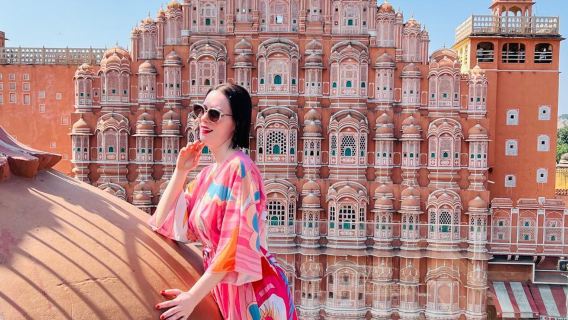
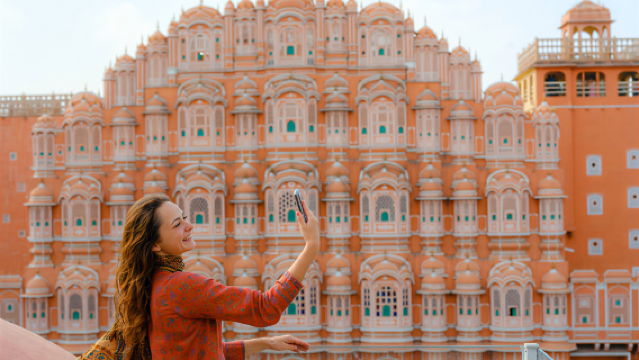
Hawa Mahal was commissioned by the Maharaja of Jaipur and is part of the City Palace complex, extending into the royal women's quarters. It stands along the main road of the old city's commercial district, with a five-story pink sandstone facade that resembles a massive wall, densely packed with 953 honeycomb-shaped latticed windows. These windows served more than just an aesthetic purpose. In the past, royal women were not permitted to appear in public according to custom, so the designer used dense latticework to allow them to overlook the festivals and daily life on the streets without being seen by those outside. The latticework also created a cross-breeze. During the hot season, wind flowed through the front and back windows, cooling the interior, which is how the name Hawa Mahal came to be. The window wall is the back of the palace. The entrance is around the back, through the gate leading to the City Palace side. Upon entering, you first find an inner courtyard, which houses a small archaeological museum. The floors are connected by ramps, and several rooms with stained glass are filled with color when sunlight streams in. Climbing to the top floor and looking out from the small windows, you can take in the old city streets and the nearby City Palace andJantar Mantar in one view.India · Jaipur

Gateway Of India Mumbai
Gateway Of India Mumbai stands at Apollo Bunder on the southern tip of Mumbai, facing the Arabian Sea. This 26m-high basalt arch was completed in 1924. Originally built to welcome King George V to India, it was designed by British architect George Wittet. Its form is inspired by European triumphal arches, while its details incorporate elements of 16th-century Gujarati architecture. Islamic-style arches and indigenous Indian carvings are interwoven on the same facade, making it a representative work of Indo-Saracenic style. Today, the sea breeze under the arch, the ferries traveling back and forth, and the circling pigeons form a common scene on the Mumbai waterfront. Framing it with the Taj Mahal Palace hotel next door is a popular photography angle. You can take a boat from the nearby pier to the Elephanta Caves. After the lights come on at night, it is also a gathering place for local citizens to take a walk and cool off.India · Mumbai

Mysuru Palace
The Mysuru Palace is located in the center of the city of Mysore and is one of the largest palaces in India. Originally built in 1897, the palace was damaged by a fire, and was later rebuilt in 1912 by inviting British architects to spend huge sums of money. The entire palace is magnificent and the outer layer of the dome-shaped roof is covered with gold, which is shiny and extraordinarily beautiful. The interior is even more majestic and solemn. The round arches and colonnades are decorated with colorful patterns and classical patterns. The style of the carpet is very simple and elegant. There is also a collection of exquisite sculptures and murals.India · Mysore

India Gate
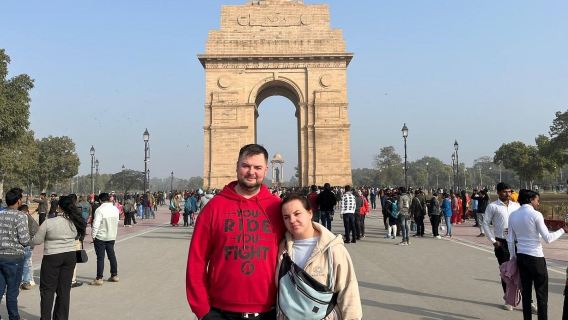
The India Gate is located in the city of Delhi. It commemorates the Indian soldiers who died in the First World War and the Third Anglo-Afghan War, and is also the dividing line between the old and the new Delhi. Under the India Gate flag is the monument to the Unknown Soldier. The monument is made of black marble and has a model of a gun standing on it to commemorate the soldiers. Usually there are many soldiers around the gate of India, tourists can take pictures with the soldiers, but the consent of the soldiers is required. There will also be many small vendors nearby, where you can pick up some small souvenirs. There is also the Parliament Building near India Gate where you can visit and take pictures. If you have more time, you can come back to enjoy the night view. The lights on the white building are very shocking.India · New Delhi

Charminar
Charmina is a landmark building in Hyderabad, built in 1591, its status is the same as the status of the Forbidden City in Beijing. Charminar has four very tall minarets, which are beautiful in shape, and there are many prayer rooms where people can pray and pray.India · Hyderabad

Ganga River
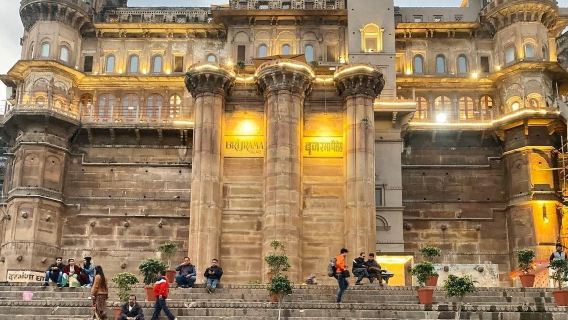
The Ganges is the mother river of India and the source of life in Varanasi. Most tourists come to Varanasi to catch a glimpse of the Ganges. There are more than 60 ghats along the west bank of the Ganges in the old city of Varanasi. The steps on the bank extend all the way into the water. Each ghat has a road connected to the urban area and faces the bank of the Ganges. It is a patchwork of temples with different styles.India · Ghazipur

Ellora Caves
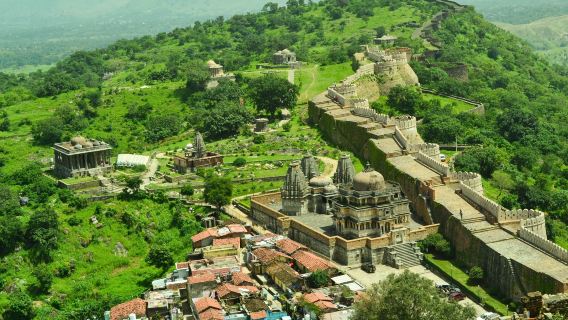
Ellora Caves (Ellora Caves) is located about 25 to 30 kilometers northwest of Aurangabad, a major town in Maharashtra, western India. There are 34 caves in the territory, including 12 Buddhist caves. There are 17 Hindu grottoes and 5 Jain grottoes, with a total length of about 2 kilometers. They are religious buildings from the 7th century to the 11th century AD, that is, the early Chalukya and Rashidharakuta periods. In 1983, the Ellora Caves were inscribed on the World Heritage List. Among these caves, Kailasa Temple is the more famous one. The cave is 33 meters high and 50 meters long. It was built in the late 8th century AD and represents the pinnacle of Indian rock-cut temples. This temple dedicated to Shiva took a total of 150 years to carve out a whole piece of mountain rock. The decoration and carving of the temple are amazing, depicting the myths of Shiva's Purana and the epic "Ramayana", "Mahabharata" and other stories.India · Verul

Sri Harmandir Sahib
The Golden Temple of Amritsar, also known as the Harmandir Temple, is a temple of Sikhism in India, located in the Indian border city of Amritsar. The construction of the entire Golden Temple cost 750 kilograms of gold. This building, known as "the jewel in the Sikh crown", is elegant in style and beautiful in shape.India · Amritsar
Experiences you can't miss in India
Featured Cultural experiences in India
View all Cultural experiences
4.7/5
· 15 reviews· 28 bookedFree cancellation
Instant confirmation
Book now for today
FromHK$313.92
5.0/5
· 1 reviewFree cancellation
Instant confirmation
Book now for tomorrow
FromHK$227.59
Free cancellation
Instant confirmation
Book now for tomorrow
FromHK$86.49
FromHK$273.11
Free cancellation
Instant confirmation
Book now for today
FromHK$819.32
4.5/5
· 2 reviewsFree cancellation
Book now for today
FromHK$445.86

Free cancellation
Instant confirmation
FromHK$227.59
Featured Day tours in India
View all Day tours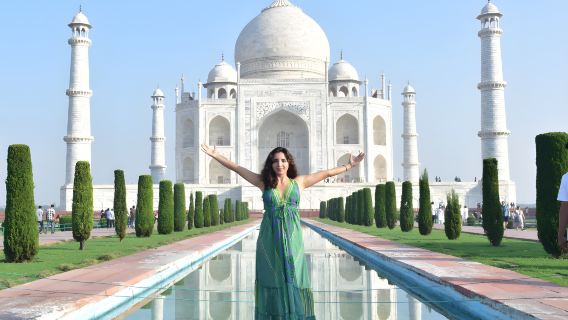
4.8/5
· 51 reviews· 410 bookedFree cancellation
Instant confirmation
Book now for tomorrow
94.1% of travelers recommend
FromHK$637.25
Free cancellation
Instant confirmation
Book now for tomorrow
FromHK$475.21
4.8/5
· 6 reviews· 42 bookedFree cancellation
Instant confirmation
Book now for tomorrow
FromHK$682.77
4.2/5
· 15 reviews· 120 bookedFree cancellation
Instant confirmation
Book now for tomorrow
FromHK$418.77
4.2/5
· 10 reviews· 113 bookedFree cancellation
Instant confirmation
Book now for tomorrow
FromHK$864.84
4.7/5
· 9 reviews· 85 bookedFree cancellation
Instant confirmation
FromHK$910.36
5.0/5
· 6 reviewsFree cancellation
Instant confirmation
Book now for tomorrow
FromHK$273.08
5.0/5
· 1 reviewFree cancellation
Instant confirmation
Book now for tomorrow
10% off
Limited-time sale
FromHK$311.34HK$345.94
Featured Food & drink in India
View all Food & drink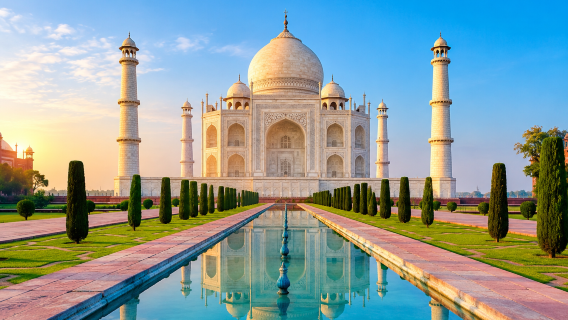
5.0/5
· 1 reviewFree cancellation
Instant confirmation
Book now for today
FromHK$445.29
Free cancellation
Instant confirmation
Book now for today
FromHK$445.29
5.0/5
· 47 reviewsFree cancellation
Book now for tomorrow
47 consecutive positive reviews
5% off
Limited-time sale
FromHK$115.11HK$121.17
Free cancellation
Instant confirmation
Book now for today
FromHK$801.51
Instant confirmation
Book now for tomorrow
FromHK$979.63

Featured Outdoor experiences in India
View all Outdoor experiences
Free cancellation
5% off
Limited-time sale
FromHK$233.80HK$246.11

Free cancellation
Book now for today
FromHK$2,342.76
Free cancellation
Instant confirmation
FromHK$1,554.48
Free cancellation
Instant confirmation
Book now for tomorrow
FromHK$1,638.64

Free cancellation
Instant confirmation
Book now for today
FromHK$7,413.20
Free things to do in India
Dhobi Ghat
India · MumbaiIndia Gate
India · New DelhiGanga River
India · GhazipurSri Harmandir Sahib
India · Amritsar
ISKCON Bangalore
India · Bengaluru
Shree Siddhivinayak Temple
India · Mumbai
Sri Chamarajendra Park
India · Bengaluru
Lake Shore Mall - Thane
India · Thane
Gurdwara Bangla Sahib
India · New Delhi
Kukke Shree Subrahmanya Temple
India · Dakshina Kannada
More ways to travel from India
Private Tours in India
View More Private Tours in India



Group Tours in India
View More Group Tours in India
What travelers say about India

Athambawa Jaleel3 October 2026
5.0
The Taj Mahal in Agra, India, lives up to its reputation as one of the world's most iconic monuments — a UNESCO World Heritage Site and one of the New 7 Wonders of the World, built by Mughal Emperor Shah Jahan as a mausoleum for his beloved wife, Mumtaz Mahal. The white marble structure, with its symmetrical gardens, reflecting pools, and intricate inlay work, is genuinely breathtaking in person, and most visitors — even those who've seen countless photos beforehand — describe the experience as surreal and emotionally striking, especially when the morning light gives the marble a soft golden glow. Reviewers consistently call it a must-see, though several note that without at least basic historical context (either from a guide or a bit of pre-visit reading), it's easy to underappreciate the craftsmanship and the love story behind it, since on-site signage is fairly limited.Practically speaking, nearly every seasoned visitor gives the same core advice: go early, ideally for sunrise entry around 5:30–6 AM, both to beat the heat and the crowds, which build quickly and can make the famous "Diana bench" photo spot involve a 10–20 minute wait later in the day. Tickets should be booked online in advance and come with a 3-hour entry window; strict rules apply once inside, including no food (water is fine), no photography inside the mausoleum itself, shoe covers required, and thorough security screening at the gates — the site is also closed every Friday for prayers/cleaning. Hiring an authorized guide is widely recommended for context and to help navigate touts pushing overpriced "fixed price" shops nearby, which several reviewers flag as a mild annoyance. Overall, despite the crowds, heat, and logistics, the Taj Mahal earns near-universal praise as a bucket-list destination that delivers on its reputation — best paired with a visit to Agra Fort and, for photographers, sunset views from Mehtab Bagh across the river.
Taj Mahal

Jain Jil16 March 2025
4.0
Dhobi Ghat in Mumbai is a fascinating open-air laundromat where hundreds of washermen (dhobis) clean clothes in rows of concrete wash pens. A symbol of Mumbai’s hardworking spirit, it offers a unique glimpse into the city’s traditional laundry system. A must-visit for photographers and culture enthusiasts!
Dhobi Ghat

Vaivka13 April 2026
5.0
An incredible experience to see such a magical wonder of architectural design. The colours, the shapes of the windows, it was so stunning! I had never seen anything of such beauty before.
Hawa Mahal

vikasshah13 September 2023
4.0
it's very famous historical place and gate of India historyyou can take boat ride and go to cave you can even find dolphin during your ridejust opposite the famous Taj hotel and restaurant is located
Gateway Of India Mumbai

Caitlyn 凯琳6 October 2026
5.0
Mysore Palace is one of those places that photographs beautifully but feels even more impressive in person. The Indo-Saracenic architecture, intricate interiors, stained glass, carved doors and enormous courtyards make it feel almost unreal.What I loved most was the sheer opulence of it — every room seems to have another detail competing for your attention. It’s grand without feeling completely sterile, because you can still feel the history of the Wadiyar dynasty throughout the palace.Definitely worth visiting if you’re in Mysore. I’d recommend going slowly rather than simply walking through for the sake of seeing it. There’s far too much detail to take in at once.★★★★★
Mysuru Palace

兔子631 July 2023
5.0
I appreciate the windows of India Gate the most. They are perfect stone carvings! They are shocking. The windows are carved at equal distances. Even if they are processed by modern machines, there will be a large error. But you know, these windows are so exquisite, at least visually, without any difference. It is really shocking.
India Gate

M.M.R. Maruf21 February 2025
5.0
Charminar, the jewel of Hyderabad, stands tall as a symbol of the city’s rich history and stunning architecture. Surrounded by the bustling lanes of Laad Bazaar, it offers a perfect blend of the old-world charm and modern-day energy. Whether you're admiring the intricate details of its arches or experiencing the lively atmosphere around it, Charminar is a must-visit landmark. A trip to Hyderabad isn’t complete without marveling at this architectural wonder.
Charminar

AYOUB AROUND THE GLOBE2 April 2025
4.0
Visiting the Ganges River in Varanasi is a unique experience, filled with spirituality and tradition 🌊🙏. The ghats are bustling with people offering prayers, and the sights are mesmerizing. However, the river is quite polluted, with trash and waste visible in the water 💧🗑️. Despite this, the energy and significance of the place are undeniable. It’s a mix of beauty and struggle, where faith meets reality. Definitely a must-see, but be prepared for the dirtiness!
Ganga River

Alinenok8 May 2025
5.0
Ellora Caves amaze with their rock-cut temples, intricate carvings, and timeless spiritual beauty. A must-see marvel carved in stone.
Ellora Caves

Md Ahnaf Rahman31 August 2024
5.0
In October 2019, I visited the Golden Temple with my wife and son, and it was an incredibly peaceful and moving experience. The temple's stunning architecture and the tranquil atmosphere created by the sacred hymns left us in awe. The kindness and hospitality of everyone we met made the visit truly memorable.
Sri Harmandir Sahib