Monsanto

Things to do in Monsanto

Search attractions or local attractions & tours
Search

Explore top experiences

Top 10 attractions in Monsanto
View all Attractions
Mira de Aire Cave

Mira de Aire Cave

4.1
5.0/5
1 reviews

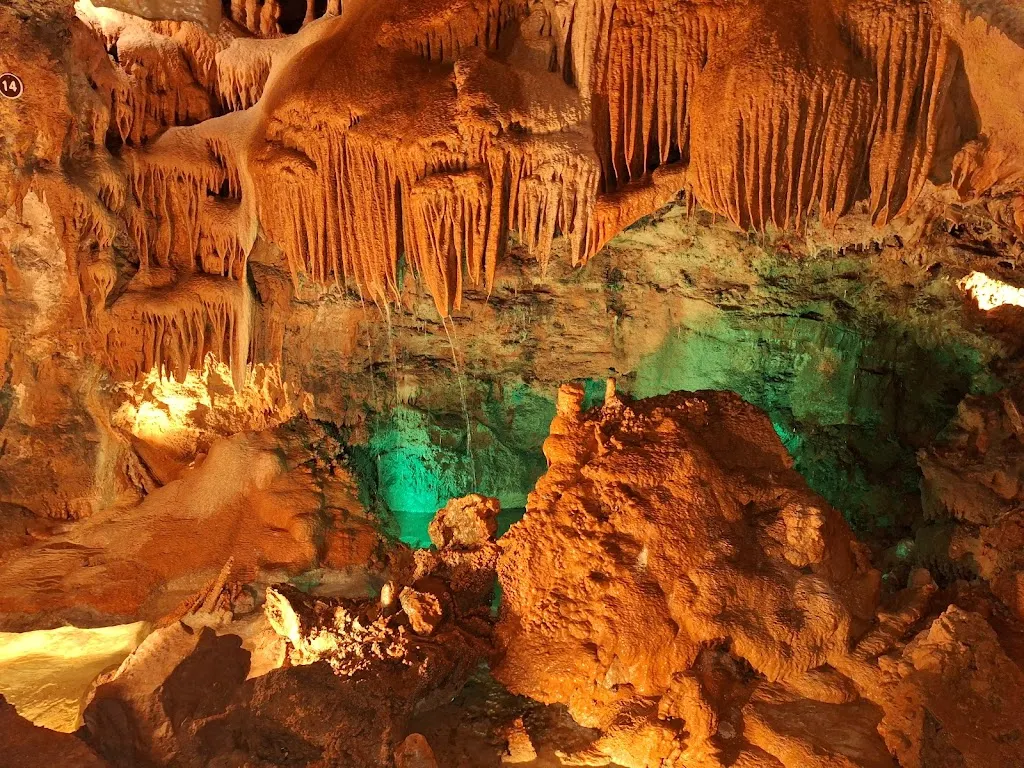
Mira de Aire Cave is located in the karst mountains of central Portugal, at the foot of the Aire Mountains near the town of Mira de Aire. There are almost no rivers on the surface in this area. Rainwater seeps through rock crevices, eroding the limestone formed over 100 million years ago during the Jurassic period, creating a network of cave passages over 10 km long and more than 100 m deep within the mountain. Currently, only about 600 m of this network is open to visitors. In 1947, several local residents first entered the cave through an inconspicuous sinkhole. Initially, they only reached the main hall before turning back. After years of exploration, this world hidden in the belly of the mountain gradually became known. Since officially opening to visitors in 1974, it has become a highly popular tourist cave in Portugal and was named one of the "Seven Natural Wonders of Portugal." The visit begins with a short film, followed by a descent along the walkway with a guide. More than 600 steps connect a series of cave halls: stalactites hang from the ceiling, stalagmites rise from the ground, and where they meet, they form towering stone pillars. Delicate crystals hang on the rock walls like beaded curtains. Halfway along the walkway, you will pass an underground lake with a boardwalk. The light falling on the water is a distinctive sight in the cave. Deep in the cave passages, colonies of bats adapted to the dark environment also reside. The entire itinerary takes about 1 hour. The temperature inside the cave remains constant at around 18°C year-round, and the humidity is high. Even in midsummer, it is recommended to bring a light jacket and wear non-slip, comfortable shoes. At the end of the tour, there is no need to climb back the way you came. You can take an elevator out of the cave. The exit is several hundred meters from the entrance. In addition to the regular guided tour, it also offers deep caving programs where you can wear a headlamp and walk into undeveloped cave passages, allowing you to experience the world inside the mountain in the dark like a real cave explorer.

Mira de Aire · 8.7 km from Monsanto
Basilica of Our Lady of the Rosary of Fatima

Basilica of Our Lady of the Rosary of Fatima

4.3
4.0/5
2 reviews

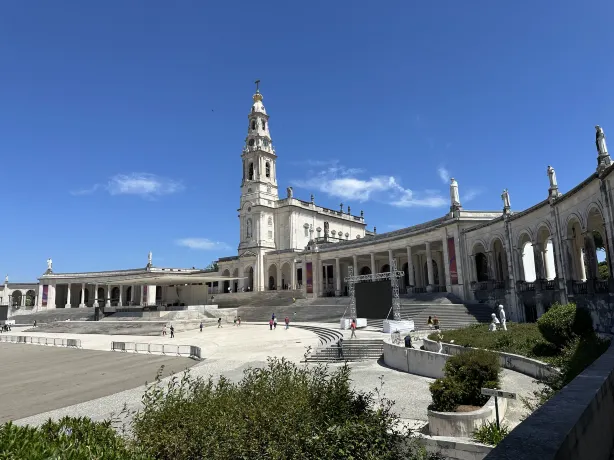
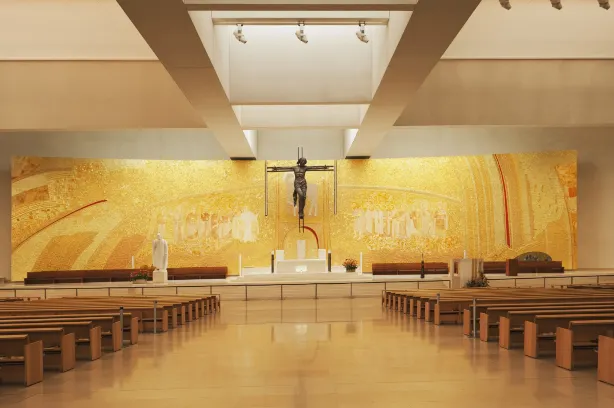
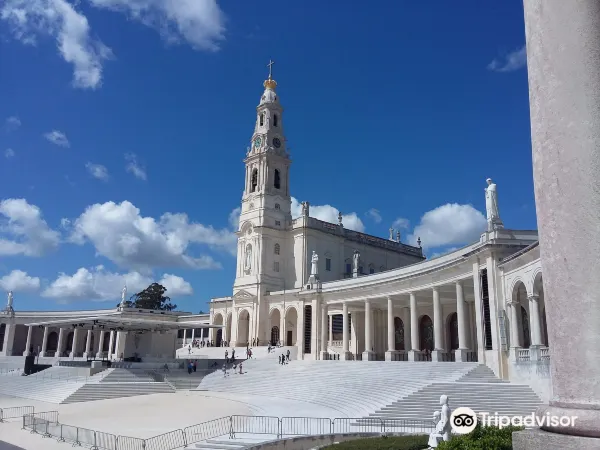
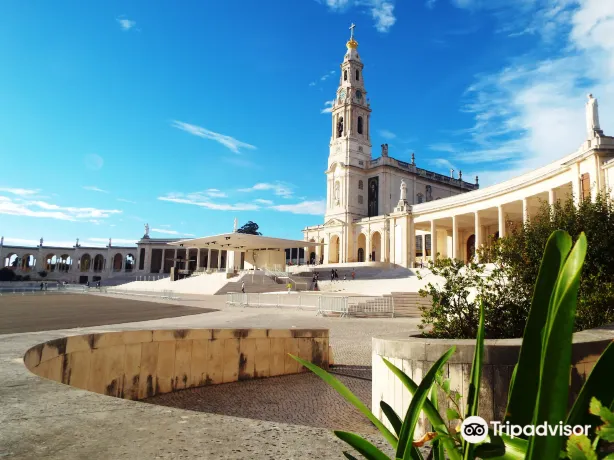
(Basilica of Our Lady of the Rosary) is the central church of the Sanctuary of Fatima in Portugal. In 1917, three shepherd children reportedly witnessed multiple apparitions of the Virgin Mary here. The basilica was built on the site of these events, with construction beginning in 1928 and completion and consecration in 1953. The entire building is in the Neo-Baroque style, built from locally quarried limestone. The curved colonnades on both sides of the facade embrace an expansive pilgrimage plaza. At the top of the approx. 65m bell tower, a bronze crown—cast by a foundry in Porto and weighing approx. 7 tons—is a striking landmark of the basilica. It is topped with a cross that is illuminated at night, visible from anywhere in the plaza when you look up. The highlights inside the basilica are in the details: the mosaic above the main door is from the Vatican workshops and depicts the Coronation of the Virgin by the Holy Trinity. The altars on both sides correspond to the mysteries of the Rosary, with the apse relief depicting the final scene, while the stained glass windows portray scenes of the apparitions. The three shepherd children who witnessed the apparitions—Francisco, Jacinta, and Lúcia—rest in tombs at both ends of the transept, where pilgrims often stop to pray. Around the anniversaries of the apparitions in May and October each year, hundreds of thousands of pilgrims flock to Fatima. The candlelight procession at night is a long-standing tradition here and now takes place almost every evening. The procession of people holding candles circles the plaza in front of the basilica; even if you are not a believer, it is worth staying to experience the quiet and solemnity.

Fatima · 19.2 km from Monsanto
Free attraction
Pena Park
2027 Europe 50 - Family-friendly Attractions

Pena Park

9.8
4.9/5
19 reviews

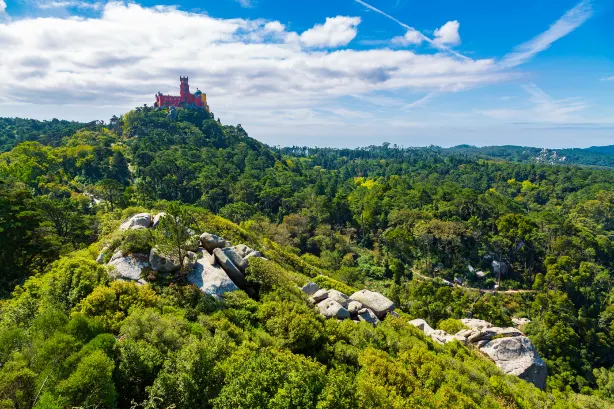
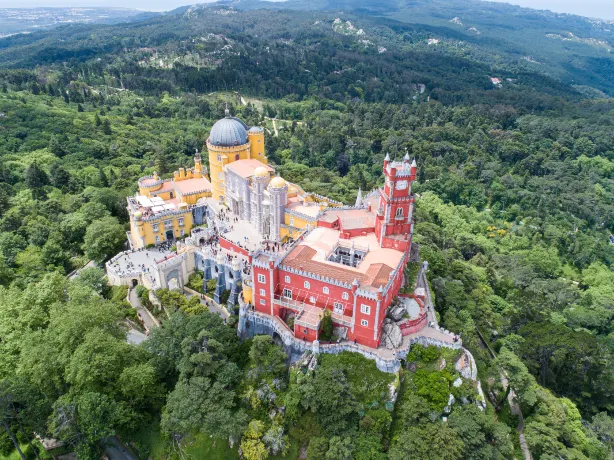
Pena Park is a vast royal woodland garden that embraces the Pena Palace, spreading across the heights of the Sintra hills. Created in the mid-nineteenth century by King Ferdinand II of Portugal alongside the palace, it covers more than two hundred hectares of rolling terrain and deep forest. Paths crisscross the grounds like a maze, linking stone bridges, grottoes, fountains, and trellised pavilions; combined with the mist that often hangs over the hills, wandering here feels much like stepping into a fairy-tale forest. Looking down from one side of the palace, the whole expanse of greenery spreads across the slopes like a sea, with the red-and-yellow palace towers as the focal point of the scene. The garden has a distinctly Romantic character: the king ordered trees brought in from distant continents, and North American redwoods, Chinese ginkgos, Japanese cedars, and magnolias can all be seen here. In the ravine known as the "Queen's Fern Garden," groves of tree ferns from Australia and New Zealand grow along the stream in dense green profusion. On the lakes of the Lake Valley stand duck houses shaped like castles, one of them modeled after the Moorish Castle; in the woods stands a knight-like "Warrior Statue" by the sculptor Rusconi; and on the western side of the park, the "Countess's Chalet" is a Swiss mountain chalet style building, its exterior painted with wood-grain patterns and trimmed with cork, surrounded by camellias and azaleas and set among giant granite boulders—a retreat the king built for his second wife, a former opera singer. Visiting tips: the park is large, with many slopes and dense branching paths, so wear comfortable shoes and allow most of a day to stroll at leisure; don't just rush back and forth to the palace—follow the paths deeper into the woods, where the Lake Valley, the Fern Garden, and the Countess's Chalet are often quieter and more rewarding to explore, and good for photos too; when the camellias bloom in winter, the park's colors are especially rich.

Sintra · 94.9 km from Monsanto
From SGD 16.94
National Palace of Pena
2027 Global 100 - Best Things to Do

National Palace of Pena

9.8
4.6/5
616 reviews

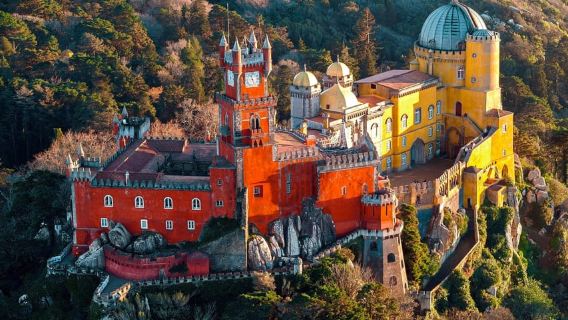
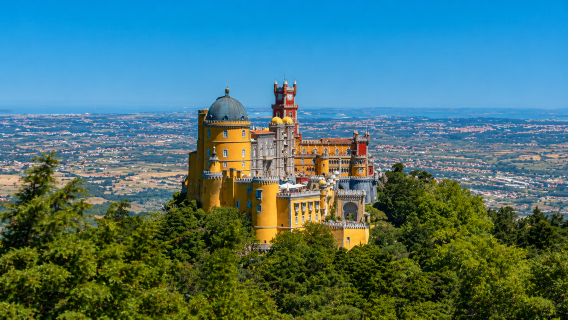
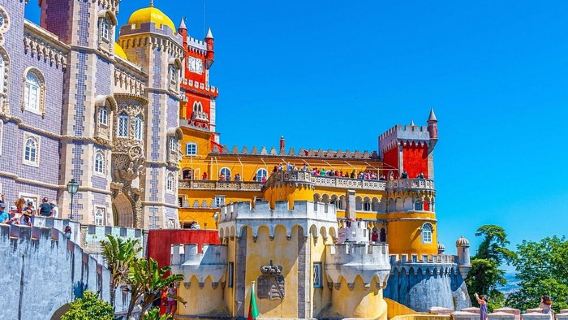
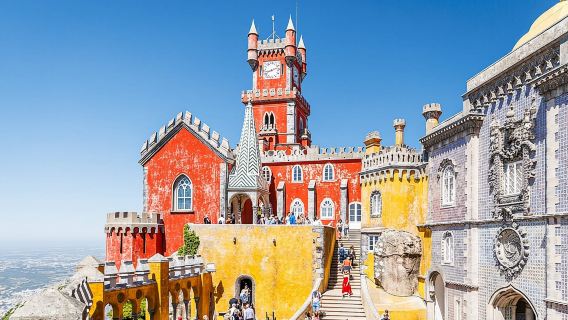
The National Palace of Pena is a royal retreat whose dazzling, eccentric, and ornate silhouette looks like a pleasure-palace castle. The palace itself is a medley of architectural styles, combining Gothic, Renaissance, Moorish, and Manueline (the style of the reign of King Manuel I of Portugal) elements, and it was the brainchild of Ferdinand of Saxe-Coburg-Gotha, husband of Queen Maria II of Portugal in the nineteenth century. It is not only a Portuguese national monument but also one of the Seven Wonders of Portugal, standing on a hilltop in the parish of São Pedro de Penaferrim in the town of Sintra near Lisbon, and on clear days it is clearly visible from the city of Lisbon itself. In 1995, it was inscribed as a World Heritage Site as part of the Cultural Landscape of Sintra. It is now frequently used for state functions by the Portuguese president and other government officials. In the Middle Ages, this site was merely a small chapel of Our Lady. In 1493, King John II and his wife visited, and his successor, Manuel I, built a monastery, which fell into ruins after the great Lisbon earthquake of 1755; Ferdinand II bought the ruins and the surrounding hillside and commissioned the German engineer Eschwege to design a building blending Gothic, Manueline, Moorish, and Renaissance elements, with construction beginning in 1842 and completed around 1854, making it one of the representative works of European Romantic palace architecture.

Sintra · 95.1 km from Monsanto
From SGD 28.23
Jerónimos Monastery
2027 Global 100 - Best Things to Do

Jerónimos Monastery

9.5
4.4/5
499 reviews

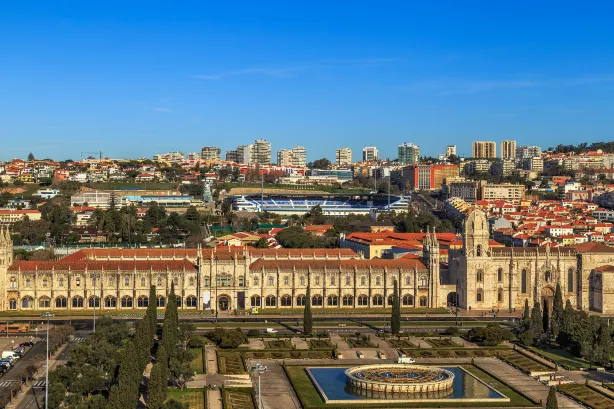
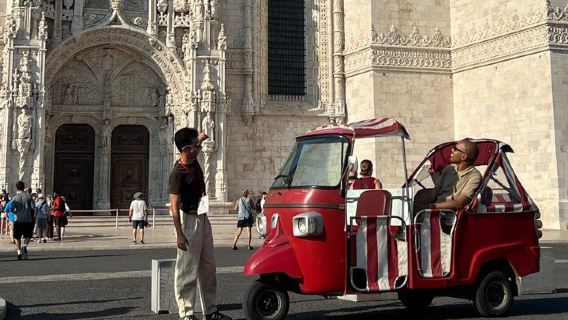
Located in the Belém district of Lisbon, the Jerónimos Monastery is a monumental building that is a masterpiece of Portuguese Manueline architecture and one of the most striking landmarks in the area. Construction of the monastery began in 1501, ordered by King Manuel I to commemorate Vasco da Gama's opening of the sea route to India, and the building process took nearly a century. In 1983, the monastery, together with the nearby Belém Tower, was listed as a UNESCO World Heritage Site. The monastery's exterior walls are covered with exquisite carvings, with lifelike figures such as the Virgin Mary holding the Christ Child and graceful angels. The south portal is especially magnificent, reaching two stories high, with numerous fine reliefs carved above. The Manueline coat of arms can be seen on the spandrels, and the reliefs above the arch depict St. Jerome removing a thorn from a lion's paw and practicing asceticism in the desert. Although the main entrance is less ornate than the south portal, it has its own distinctive character: above the arch is a carving of the Nativity scene, and on either side of the door stand kneeling statues of Manuel I and Queen Maria of Aragon, flanked by the patron saints St. Jerome and St. John the Baptist. Stepping into the Church of Santa Maria within the monastery, the Gothic hall's vaults soar high, creating a spacious and solemn atmosphere. The altars at the end of the side aisles are adorned with gold and green carvings, and one of them features a statue of Saint Jerome made of crimson glazed porcelain. The church houses the tombs of the navigator Vasco da Gama and the Portuguese poet Camões, whose epic works are outstanding representatives of Portuguese literature during the Renaissance. The vault of the church's transept is supported by no columns at all, and the vast column-free space makes it seem as if the roof is floating in midair—a bold feat of Renaissance architectural engineering. The monastery cloister is equally worth savoring, with its exquisite arches and carvings full of maritime imagery and Manueline symbols. From the second-floor cloister, you can overlook the courtyard scenery, so you may want to pause here to take it in. Because space in front of the monastery is limited, capturing a full panoramic view is quite difficult, but the carved details on the exterior walls are enough to make one stop and appreciate them for a long while.

Lisbon · 95.1 km from Monsanto
Batalha Monastery
No. 2 of Best Things to Do in Leiria District

Batalha Monastery

4.5
5.0/5
6 reviews

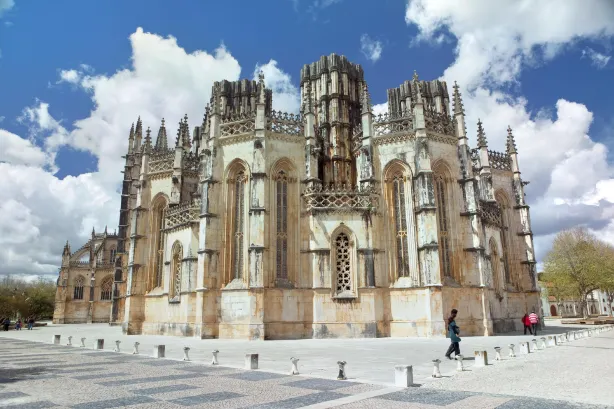
Batalha Monastery, officially known as the "Monastery of Saint Mary of the Victory," is located in Batalha, central Portugal, and is an important representative of Portuguese Gothic and Manueline architecture. In 1385, the Portuguese army defeated the Castilian army at the Battle of Aljubarrota. King John I ordered the construction of this Dominican monastery in gratitude to the Virgin Mary. Construction began in 1386 and took over a century and seven kings to complete. Several core highlights within the monastery are worth a close look. The Founder's Chapel is an early Portuguese royal mausoleum. The joint tomb of King John I and Queen Philippa of Lancaster is placed beneath an octagonal star-vaulted ceiling, surrounded by the tombs of their four sons, including Prince Henry the Navigator. The Royal Cloister blends Gothic tracery with later Manueline arcade decorations. The overlapping of these two styles in the same space makes it the most captivating part of the cloister. The Chapter House is known for its star-vaulted ceiling supported without a central pillar, spanning nearly 20m. It is said that such a bold design required the use of death-row inmates for construction, and the architect even spent the night alone under the vault after the scaffolding was removed to prove its safety. Perhaps the most memorable part of the monastery is the "Unfinished Chapels." This is an independent octagonal structure attached to the rear of the church, accessible only from the outside. It was originally planned as a mausoleum for King Edward and his descendants but was never completed. Regarding the reason for the halt in construction, one theory suggests that the overly bold dome design made progress difficult, while another suggests that the royal family shifted manpower and financial resources to the construction of the Jerónimos Monastery. Although unfinished, the entrance portal of the chapel was transformed by architect Mateus Fernandes into an exquisite piece of Manueline-style stone carving, filled with rope motifs, armillary spheres, cherubs, and intricate floral and leaf decorations. The king's inscription appears repeatedly over 200 times between the vaults and pillars, making the portal itself a work of stone art.

Batalha · 24 km from Monsanto

Experiences you can't miss in Monsanto

Featured Day tours in Monsanto

View all Day tours
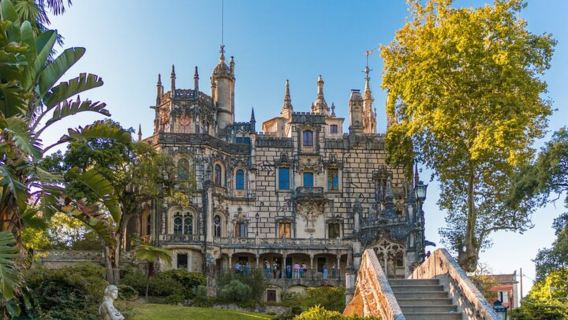
1-day tour to Sintra, National Palace of Pena, Cape Roca and Cascais in Portugal (including admission ticket reservation)
󱌍
4.8/5
· 4 reviews· 42 booked
Duration: 7.1 hrs
English
Free cancellation
67 travelers saved
FromSGD 120.74
Sintra, Portugal: National Palace of Pena + Quinta da Regaleira + Cascais 1-day tour | Reserved admission ticket included
󱌍
FromSGD 147.40
Lisbon: Sintra, Quinta Regaleira, Pena Gardens, Cascais Trip
󱌍
4.7/5
· 21 reviews
Duration: 9 hrs
English
Free cancellation
Book now for tomorrow
FromSGD 91.73
2h, 4h or 8h Lisbon Private Historical Tour by Tuk Tuk
Trip.Select
󱌍
5.0/5
· 17 reviews
Duration: 2 hrs
English
Free cancellation
Book now for tomorrow
FromSGD 73.29
[Departing from Lisbon] 1-day private tour to Sintra | Chinese/English/Cantonese-speaking guide with hotel door-to-door pickup
󱌍
FromSGD 204.63
Lisbon Walking Tour: Alfama, City Walls & Viewpoints
󱌍
4.9/5
· 13 reviews
Duration: 2 hrs
English
Free cancellation
FromSGD 2.12
Lisbon: Food and Wine Small Group Walking Tour
󱌍
4.9/5
· 938 reviews
Duration: 3 hrs
English
Free cancellation
Book now for today
48 consecutive positive reviews
FromSGD 93.14
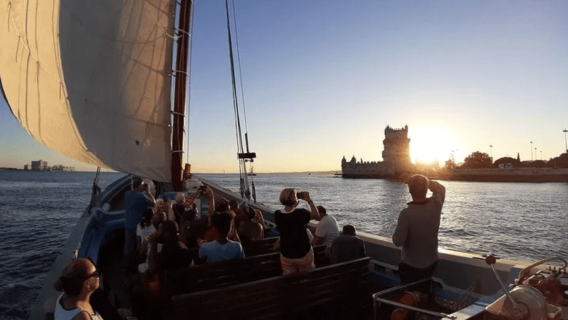
2-hour sunset cruise in Lisbon, Portugal with welcome drink and onboard music
󱌍
5.0/5
· 1 review
Duration: 2 hrs
English
Book now for tomorrow
FromSGD 75.37

Featured Food & drink in Monsanto

View all Food & drink
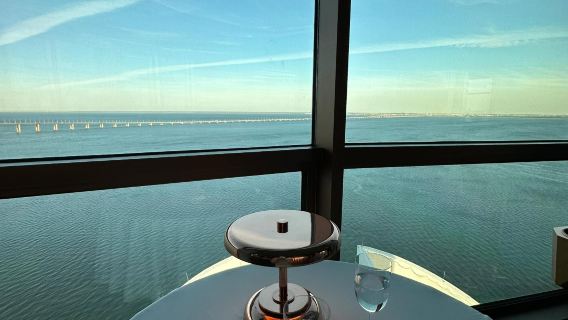
Arrabida Wine Tour - Lisbon: Wineries-Tastings-Tile Factory
󱌍
5.0/5
· 49 reviews
Duration: 9 hrs
English
Free cancellation
49 consecutive positive reviews
FromSGD 127.01
Lisbon: Alfama Charms, Tapas, Wine and Sunset Boat Cruise
󱌍
4.7/5
· 3 reviews
Duration: 4 hrs
English
Free cancellation
FromSGD 169.33
Estádio da Luz & Benfica Museum: Entry Ticket + Meal Voucher
󱌍
Duration: 3 hrs
English
Free cancellation
Book now for today
FromSGD 127.00
Lisbon: Traditional Fado & Port Wine in the Heart of Old Lisbon
󱌍
4.7/5
· 957 reviews· 59 booked
Duration: 50 mins
Free cancellation
Book now for today
46 consecutive positive reviews
FromSGD 14.12

Featured Outdoor & sports in Monsanto

View all Outdoor & sports
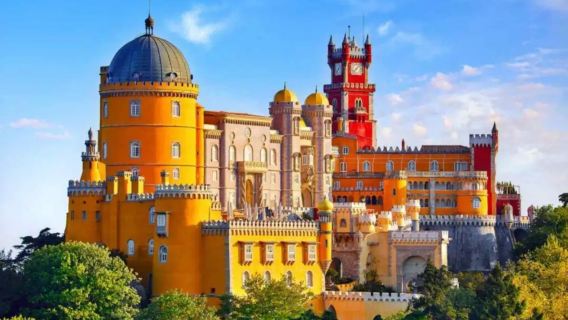
Portugal Lisbon departure Sintra + Cascais 1-day tour National Palace of Pena / Cape Roca
󱌍
FromSGD 166.32
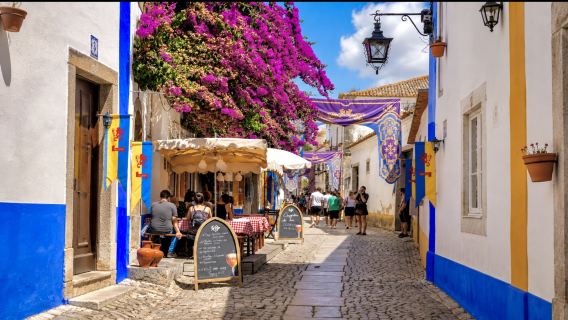
1-day private tour from Lisbon to Fatima sanctuary, Nazare coast and Obidos old town
󱌍
Duration: 8.2 hrs
English
Free cancellation
Book now for tomorrow
FromSGD 196.16
Lisbon Sightseeing Tour by Tram: Príncipe Real to Graça and Vantage Points
󱌍
5.0/5
· 2 reviews
Duration: 3 hrs
English
Free cancellation
Book now for tomorrow
FromSGD 49.40
4x4 Tours in Portuguese Classic Jeeps (UMM) around Sintra
󱌍
5.0/5
· 32 reviews
Duration: 6–8 hrs
English
Free cancellation
Book now for tomorrow
32 consecutive positive reviews
FromSGD 403.60
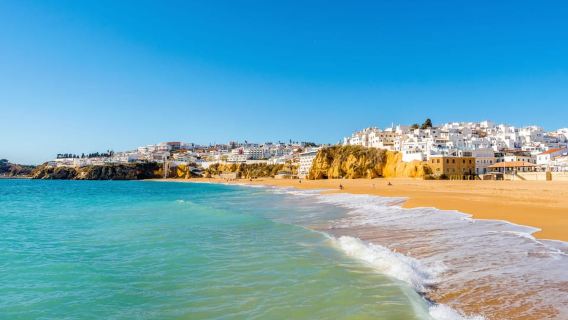
From Lisbon: Lagos & Albufeira Day Tour in the Algarve
󱌍
Duration: 12 hrs
English
Free cancellation
Book now for tomorrow
FromSGD 127.01

Free things to do in Monsanto
What travelers say about Monsanto

user-avatar
137***6614 June 2020
5.0
As we arrived early, we had to wait for the first expedition with a local guide. Meanwhile, the boys had a lot of fun in the small zoo next to the park. The tour started in the lecture hall with an informative video, and then we started the descent with a small group of tourists. The scenery was amazing, enhanced by the illuminated superstructure. There were more than 600 steps leading us to impressive rooms, each with its own unique beauty. Despite the sense of security, the walk did take us to the bottom of the shaft (about 130 meters deep) and back down via the elevator with pleasure. I must admit that I stopped halfway due to the fear of damaging my knees during the contract. But it is possible to get a good charm.

Mira de Aire Cave

user-avatar
Anonymous user7 October 2026
5.0
Definitely worth the visit. It is beautiful. Try to get there later in the afternoon so the clouds will clear and you get to see far.

Pena Park

user-avatar
136***6921 September 2026
5.0
There were no security checks at Pena Palace, so you could bring a selfie stick in—unfortunately, I didn't know that beforehand. The main gate leads to the gardens. Then you have to climb the hill to reach Pena Palace at the top; there are electric carts available for seniors. The time you queue to enter the castle at the top of Pena Palace is based on your reservation time; it takes about half an hour from the gate to the castle. We didn't know this beforehand and were quite late, but they still let us in. Pena Palace is so brightly colored, like a castle from a fairy tale. Pena Palace (Palácio da Pena) – located on a hilltop in Sintra near Lisbon, is a masterpiece of 19th-century European Romantic architecture and one of Portugal's most photogenic landmarks. I. Background: From Monastery Ruins to Royal Summer Palace * Origin: A small chapel dedicated to Our Lady of Pena was built on the hilltop in the 12th century. In the early 16th century, King Manuel I ordered the construction of a monastery on the site. * Disaster: The 1755 Lisbon earthquake almost completely destroyed the monastery; only the chapel survived. * Rebirth: In 1838, Ferdinand II ("King of Arts"), husband of Queen Maria II, purchased the ruins and surrounding land, commissioning the German architect Baron von Eschweg to rebuild the summer palace on the original site. Construction took place between 1842 and 1854. * Status: Predating Neuschwanstein Castle in Germany by about 30 years, it is one of the earliest Romantic palaces in Europe. II. Architecture: A "Hodgepodge" of Four Styles The most captivating aspect of Pena Palace is its blend of Gothic, Manueline, Moorish, and Renaissance styles. The exterior walls are predominantly bright yellow and burgundy, creating a fairytale-like atmosphere when shrouded in mist. * Old Wing: The remains of a 16th-century monastery, including a chapel and cloisters, with a predominantly old rose color scheme. * New Wing: A 19th-century expansion, including the main hall and a circular tower, with a predominantly ochre color scheme. State offices are concentrated here. * **Iconic Gate:** The Triton Gate, with its half-human, half-fish sculpture of Neptune and blue-and-white tiles, is the most iconic feature of Pena Palace. * **Penaeus Sanctuary Chapel:** Located at the heart of the complex, dedicated to Our Lady of Pena, its altar and vaulted ceiling are the palace's most sacred and historically significant parts. III. Must-See Highlights * **Red and Yellow Exterior:** The pale yellow towers, wine-red domes, and blue-and-white tiled arcades create Pena Palace's most classic image. * **Royal Rooms:** The Swan Hall, the Royal Bedroom, and the colorful tiled arcades retain their 19th-century original appearance, exquisitely retro. * **Mounttop Terrace:** Overlooking the town of Sintra and the Moorish Castle, with panoramic views of the Atlantic Ocean on clear days. * **Penaeus Park:** Spanning approximately 200 hectares, it boasts over 500 species of trees from around the world, making it one of the most diverse gardens in Europe. Interestingly, the castle's collection includes a piece of porcelain belonging to an elderly Chinese couple, reflecting their yearning for the mysterious East during the Age of Exploration.

National Palace of Pena

user-avatar
锅里盛钱23 September 2026
5.0
A must-see landmark in Lisbon, the Jerónimos Monastery is a masterpiece of Manueline architecture and a UNESCO World Heritage Site along with the Belém Tower. Features: 1. Double-layered cloisters: The essence of the monastery, the two-tiered arcades are intricately carved with nautical elements. Sunlight filters through the arches, creating layers of interplay of light and shadow, perfect for stunning photos. 2. The cathedral: Its interior columns branch upwards like tree trunks, and its magnificent, open vaulted ceiling houses the remains of navigator Vasco da Gama and poet Luís Camões.

Jerónimos Monastery

user-avatar
浅末回首31 March 2021
5.0
Batalha Monastery has a charming environment and a strong sense of history.

Batalha Monastery

Popular cities near Monsanto

Frequently asked questions

You can give Arrabida Wine Tour - Lisbon: Wineries-Tastings-Tile Factory and Restaurant reservation service for the popular Bairro do Avillez in Lisbon, Portugal a try. Before you go, please check their opening hours and menus online. Reservations are recommended, especially during peak hours.

When choosing a tour, start with how much time you have and the kind of experience you're looking for. Trending options right now include 1-day tour to Sintra, National Palace of Pena, Cape Roca and Cascais in Portugal (including admission ticket reservation), Sintra, Portugal: National Palace of Pena + Quinta da Regaleira + Cascais 1-day tour | Reserved admission ticket included, and Lisbon: Sintra, Quinta Regaleira, Pena Gardens, Cascais Trip. Check the real-time availability and itinerary before you book.

As of 28 November 2026, the reference price for day tours and activities in Monsanto is around SGD 2.12 – SGD 204.63. Rates vary by duration, group size, transportation, tickets, meals, and any special admission requirements. Before you book, please confirm the billing currency and whether the price is quoted per person or per group.

Get help anytime, anywhere within 30 secondsContact customer support

Change and cancellation policies vary by attractions and tours. Please check the product details page for more information.

Ticket prices may vary between weekdays and weekends, as well as during peak and off-peak seasons. When booking with Trip.com, you can also use Trip Coins to get extra savings. For more tips on booking discounted tickets, please visit Trip.com for the latest information.