China public holidays in the Year of the Dragon 2025

Contents
- The Chinese Holiday Calendar
- Makeup Work Days
- China Public Holiday Calendar for Year 2025
- New Year's Day (元旦)
- January 1
- Chinese New Year (春节)
- February 10-17
- Tomb-Sweeping Day (清明节)
- April 4-6
- Labor Day (劳动节)
- May 1-5
- Dragon Boat Festival (端午节)
- June 8-10
- Mid-Autumn Festival (中秋节)
- September 15-17
- National Day (国庆节)
- October 1-7
Show more
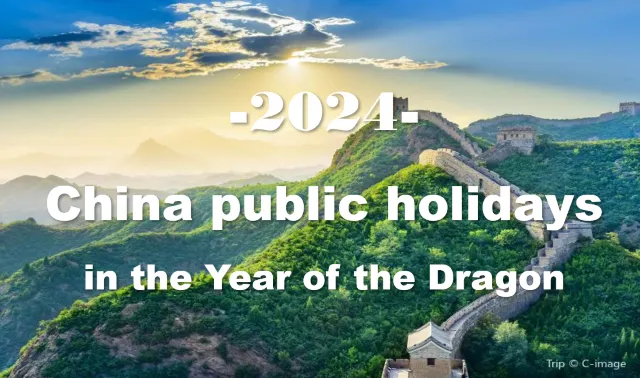

China public holidays include the New Year’s Day, Chinese Spring Festival (from Lunar New Year’s Eve to the sixth day of the New Year), Qingming Festival, Labor Day, the Dragon Boat Festival, Mid-Autumn Festival, and the National Day. Holidays except the Chinese Spring Festival and National Day are usually 3-day holiday that are created by combine the weekends. And two events dominate the holiday calendar: Chinese New Year (winter) and National Day (fall). These are when a majority of people receive significant time off work and return home to be with family or travel. Several additional national holidays round out the annual holiday calendar.
As the Year of the Dragon draws near, Trip.com offers a guide to major holidays in China with a focus on events and celebrations in the Chinese mainland. Are you ready to embrace the Year of the Dragon? Here’s everything you need to know about the huge annual holiday in 2025.
The Gregorian calendar is by far the most common system used to mark the passage of time. Despite its near ubiquity, however, many cultures and religions continue to rely on lunisolar calendars. Lunisolar calendars calculate the passage of time based on astronomical phenomenon such as moon phases. The traditional Chinese calendar is a lunisolar calendar. In Mainland China, many cultural holidays are observed according when they occur on the lunisolar calendar. Each year at the end of November or the start of December, the General Office of the State Council in China publishes the official dates for holidays during the coming year. At present, there are seven official public holidays in the Chinese mainland.
Foreigners working in Chinese mainland are normally shocked to discover so-called makeup work days. During major public holidays, the Chinese government mandates workers make up one or two rest days by working on the weekends either leading up to or following a holiday vacation. This somewhat shocking aspect of Chinese holiday life is begrudgingly tolerated in the Chinese mainland, even while many people routinely express dissatisfaction at the concept. Add to this the way weekends are considered part of provided vacation and you begin to grasp the oddities of holiday time off in the Chinese mainland. Businesses regularly trumpet their generosity in offering employees significant vacations despite including weekends into the total while simultaneously demanding makeup days.
| Date | Day | Holiday |
| January 1 | Monday | New Year holiday |
| February 10-17 | Saturday to Next Saturday | Spring Festival |
| April 4-6 | Thursday to Saturday | Qingming festival |
| May 1-5 | Wednesday to Sunday | Labor day holiday |
| June 8-10 | Saturday to Monday | Dragon Boat festival |
| September 15-17 | Sunday to Tuesday | Mid-Autumn festival |
| October 1-7 | Tuesday to Monday | National Day holiday |
China celebrates New Year's along with the rest of the world on January 1. However, they parallel celebrations elsewhere with festivities culminating at midnight.

The Spring Festival, also known as the Lunar New Year, is the most important and widely celebrated festival in China and other East Asian countries. This is not only a time for family reunions, visiting relatives and friends, but also to exchange greetings and well wishes for the new year. Based on Chinese culture, each lunar year in China corresponds to one of 12 animals in the Chinese zodiac, and the upcoming year is the Year of the Dragon.
Chinese government workers and employees of large corporations traditionally receive 7 days off for Spring Festival; however, many opt to take even longer vacations in order to visit family and mark the full 15-day festival with lavish dinners, gifts, and other practices.
One of the traditions of celebrating the Spring Festival is to watch the Spring Festival Gala on Chinese New Year’s Eve. Usually, the gala intermingle singing, dancing, comic sketches, opera, folk arts and Chinese zodiac elements with harmony and reunion as the main themes.
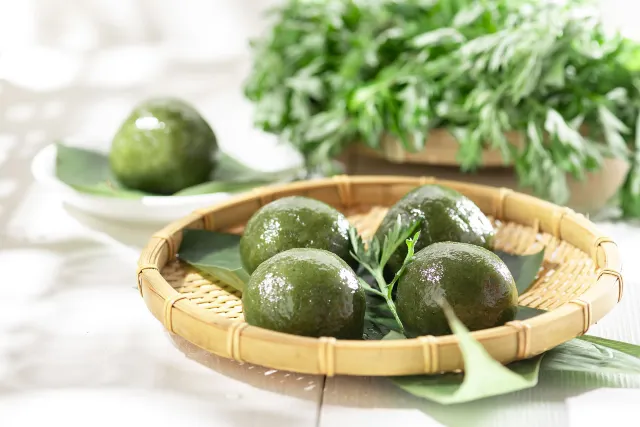
Tomb-Sweeping Day, also known as Qingming Festival, falls on the first day of the fifth solar terms in Chinese traditional calendar. It’s both a natural solar term and a traditional festival when people usually have outings in spring, sweep graves, bring offerings and pray to their relatives and ancestors who have passed away.
People usually prepare foods favored by the deceased or other items thought to be useful in the afterlife. In some places, people prepare elaborate paper-based gifts that include representations of various mundane items such as new glasses, clothing, or even a type of paper currency thought to be useful to the departed.
The Tomb-Sweeping Day observed as a 3-day holiday by the Chinese government and other large businesses.
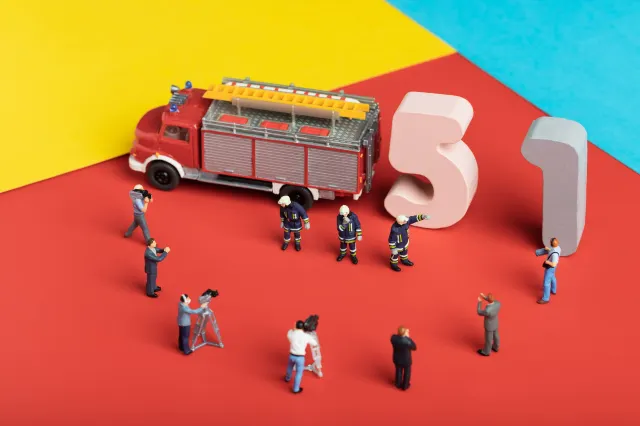
International Worker’s Day, also called Labor Day holiday, is an international holiday that is generally celebrated on May 1 each year in over 80 countries in the world. Interestingly, the Labor Day originated in the United States in the late 1880s.
The vacation period for Chinese employees extends up to 5 days; however, this usually overlaps with a weekend, which means that people generally only receive 3 days off work. Celebrations are mostly individual with some localities holding public ceremonies to bestow recognition on laborers while extolling their contributions to society.

The Dragon Boat Festival, also known as the Duanwu or Tuen Ng Festival, is a traditional Chinese holiday whose origins date back to the Warring States era (475 - 221 BC). Regarded as one of China's major traditional festivals, the Dragon Boat Festival has been celebrated on the fifth day of the fifth month of the Chinese lunar calendar for millennia.
China, as the place of origin, is abundant in celebrations and traditions, with diverse festivities that vary from region to region throughout the country, with ‘zongzi’ – rice dumplings wrapped in bamboo leaves – and dragon boat races being two of the most distinctive and representative elements of the festival.
Many Asian countries, such as Singapore, South Korea, Japan and Vietnam, also celebrate the festival with various activities and customs influenced by traditional Chinese culture. It has also been introduced to countries in Europe and the Americas by Chinese immigrants, and is mainly celebrated with dragon boat races.
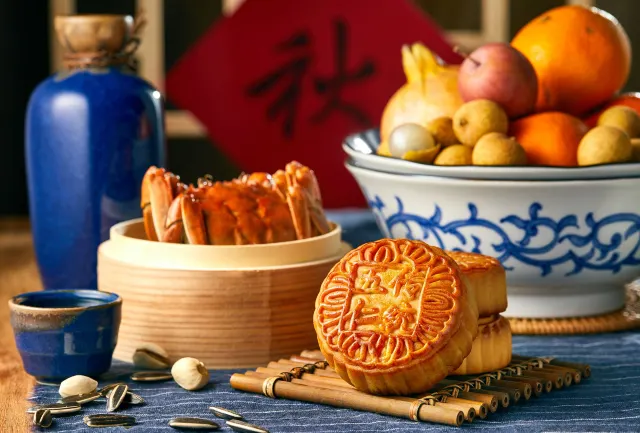
The Mid-Autumn Festival, celebrated on the 15th day of the eighth month of the Chinese lunar calendar, is usually marked by family reunions, enjoying the sights of the full moon and eating mooncakes.
The festival is not just about family reunions, it’s also about the joy of harvesting, romance and the harmony between humans and nature.
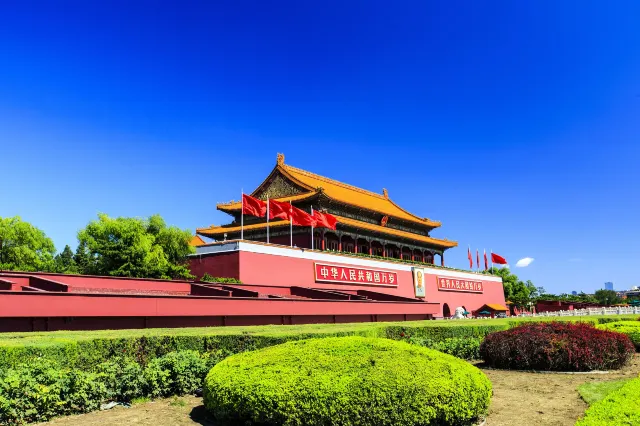
The final public holiday in China is the National Day holiday, which falls every year on October 1. Chinese citizens enjoy a week-long holiday (Golden week) for the National Day.
Chinese National Day is celebrated on October 1 every year to commemorate the founding of People’s Republic of China. On that day, many large-scaled activities are held nationwide.
Falling in autumn season with cool weather and comfortable temperatures, Chinese National Day holiday is a golden time for travel. It is the longest public holiday in China besides the Chinese New Year. The weeklong holiday enables both short-distance and long-distance trips, resulting in a boom of tourist revenue, as well as an overwhelming tourist crowd.
Trending Travelogues
Popular Attractions
Popular Ranked Lists
Recommended Attractions at Popular Destinations


About




Site Operator: Trip.com Travel Singapore Pte. Ltd.