Recent Searches
Popular Attractions
Guiyang
Southwest of China,China,Eastern Asia
Latest Events in Swale District(July Updated)
Are you interested in Tropical Palm Tree Paint Night?
245 people have participated in this
poll
Yes
No


50%


50%
Type
Location
Date
Popularity
New Arrivals
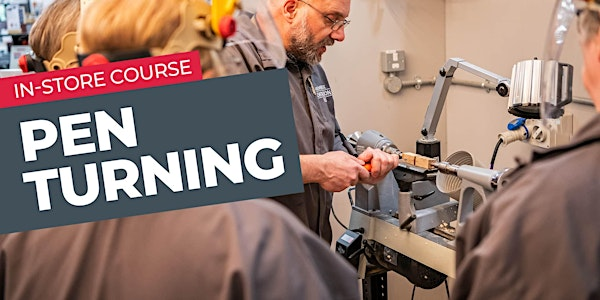
Sittingbourne Store – Pen Turning Course | Axminster Tools - Sittingbourne Store
Join our team in store for this guided session in pen turning.
You will be guided step-by-step in the preparation of your pen blank right through to the turning, finishing and assembly of your selected pen, which you get to take home at the end.
You will learn the basic skills required for between centre turning. You will focus on chisel techniques for roughing down and refining your blank, using a range of woodturning tools, making this is the perfect course for anyone wanting to try woodturning for the first time.
All materials and PPE will be supplied.
The course is being offered at an introductory price £50 (usual price £75).
Please note the following:
Course attendees should wear suitable clothing and sturdy footwear.
This course is not suitable for children below the age of 13.
Children over the age of 13 can take part but should be accompanied by an adult.
There will be a short break during the course where refreshments will be provided, but please note lunch is not included.
As organisers, we reserve the right to change the course content, dates and times at our discretion.
For further information on this course email
courses@axminstertools.com
More course dates will follow (usual price £75). Please follow our events page to be notified of upcoming dates and courses.
Information Source: Axminster Tools | eventbrite

Historic Building Mythbusting - Uncovering Folklore, History & Archaeology | Badlesmere
Historic Building Mythbusting - Uncovering Folklore, History & Archaeology
Step into the intriguing world of historic buildings with
Historic Building Mythbusting – Uncovering Folklore, History & Archaeology
! Held in the picturesque setting of Badlesmere, this captivating event invites you to uncover the truth behind the myths and legends of ancient vernacular architecture.
Dr. Christopher Moore, esteemed heritage expert and founder of The Henrician Castles Archaeological Research Foundation, will introduce award-winning buildings archaeologist Dr. James Wright. Dr. Wright, on his
UK book tour
, will take you on a journey through time, revealing the real stories behind castles, historic pubs, and architectural folklore in Kent and beyond.
Perfect for history enthusiasts and curious minds alike, this event promises to uncover hidden gems and challenge common misconceptions. Don’t miss this unique opportunity to engage with leading experts and delve deeper into the fascinating truths of our built heritage!
Refreshments (teas and coffee)will be served before and during the event. For an additional fee, copies of Dr Wright's book, including personalised autographed copies, will be provided.
Information Source: Christopher Moore | eventbrite

BNI Brands Hatch | Mercure Dartford Brands Hatch Hotel & Spa
Escape the economic uncertainty!
Visit BNI Brands Hatch for a refreshing approach to business growth. Connect with proactive local business owners, build genuine relationships, and unlock a consistent stream of quality referrals.
Discover how our structured, supportive environment empowers members to thrive, regardless of market fluctuations. Stop chasing leads and start generating reliable business through the power of collaboration. Witness firsthand how our proven system fosters tangible results.
Don't let the economy dictate your success – take control. Join us for a visitor meeting and see why BNI Brands Hatch is the smart choice for sustainable business growth. Your next big opportunity could be just a connection away! #BNI #BrandsHatch #BusinessNetworking #KentBusiness
Information Source: BNI Brands Hatch | eventbrite
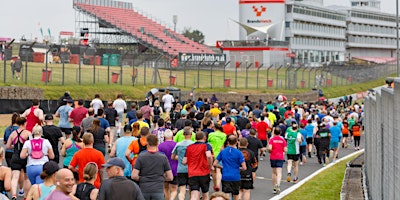
Brands Hatch 10k 2025 | Brands Hatch Circuit
We are back in 2025 with your chance to take on a 10k around the world-famous ex-F1 motor racing circuit. This Friday evening run in the summer is the perfect way to shake off the week and warm up for the weekend. Professionally timed and with pit stops (water points) around the course, it's a rare chance to run the equivalent of a closed-road course.
Information Source: Green for Doors | eventbrite
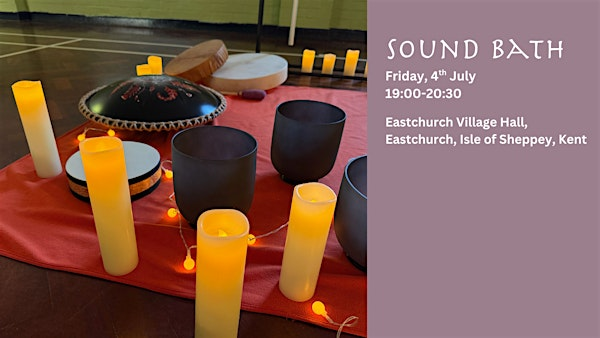
Sound Bath (4th July) | Eastchurch Village Hall
Information Source: Wild Selkie Wellbeing | eventbrite

BNI Brands Hatch | Mercure Dartford Brands Hatch Hotel & Spa
Escape the economic uncertainty!
Visit BNI Brands Hatch for a refreshing approach to business growth. Connect with proactive local business owners, build genuine relationships, and unlock a consistent stream of quality referrals.
Discover how our structured, supportive environment empowers members to thrive, regardless of market fluctuations. Stop chasing leads and start generating reliable business through the power of collaboration. Witness firsthand how our proven system fosters tangible results.
Don't let the economy dictate your success – take control. Join us for a visitor meeting and see why BNI Brands Hatch is the smart choice for sustainable business growth. Your next big opportunity could be just a connection away! #BNI #BrandsHatch #BusinessNetworking #KentBusiness
Information Source: BNI Brands Hatch | eventbrite
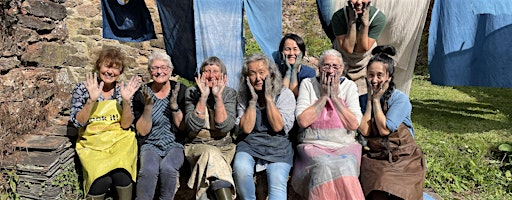
Japan Blue | Root Project
Japan Blue
A Two-Day Introduction to Fermented Indigo Dyeing
WIth Yuki Itaya and Hilary Burns
Saturday 5th July and Sunday 6th July (10am-4pm both days)
On this two-day course, we will explore the slow, traditional process of fermented indigo dyeing, working with naturally fermented Japanese indigo leaf paste (sukomo). This is a hands-on introduction, rooted in practice, but also in an understanding of the deeper connections between dyeing, nature, and sustainability.
Day 1: Understanding & Preparing the Indigo Vat
The first morning begins with introductions and an overview of what fermented indigo dyeing is. We’ll talk about the history of the process, how it differs from other dyeing methods, and why fermentation is key to creating a living, natural vat. We'll take a close look at the materials used, including the indigo leaf paste, how the leaves are turned into a natural starter by composting. We will discuss how
aku –
ash-water, the natural alkaline agent, used to make the lye for the vat is made, the ingredients used to maintain the vat, their roles and how they work together.
In the afternoon, we’ll move on to begin preparing an indigo vat as a group. There is a step-by-step process of building and maintaining a healthy fermentation. We’ll talk about how to care for the vat over time, keeping it alive and in balance. Throughout the session, we’ll also talk about the environmental and health benefits of using natural indigo.
In advance of the workshop, over the course of a month or more, we will have prepared a vat to use for a dyeing session. You will learn how to assess the vat health and make any necessary adjustments in preparation for dyeing.
Day 2: Dyeing & Closing the Cycle
We prepare the fabric for dyeing, and practice the techniques for obtaining a uniform colour, before we begin the first dip in the pre-prepared vat and watch the oxidation as the indigo transforms from green to deep blue. There will be time to experiment with layering and deepening shades, allowing you to develop a feel for the rhythm of dyeing with fermented indigo.
Japanese fabric is supplied. You may like to bring a piece of your own fabric to dye. this must be natural cellulose – cotton/linen/hemp or hank of spun yarn. ½ sq metre maximum. (We will send instructions for pre-scouring. no wool please as that requires a different temperature).
In the afternoon, we’ll explore the wider benefits of natural indigo beyond its beauty. We’ll discuss its antibacterial properties, and how, when the vat is spent, it can be returned to the earth as fertilizer. We’ll share how old indigo liquid on the land can help nourish the soil.
This course is designed to be a grounding, hands-on introduction to a process that connects deeply to the natural world.
You will take away the knowledge on how to make and maintain your own vat. Please feel free to bring a notebook and pen to the sessions.
Oare House, and the Lorna Doone valley:
Your base for the day is Oare House, a regenerative working farm that sits within 170 acres of land with free roaming sheep, two donkeys and quite often a herd of grazing deer. Nestled in the heart of rolling Exmoor countryside and the idyllic hamlet of Oare, with a view of the church that famously featured in R D Blackmore’s romantic novel Lorna Doone. A stunning visual and backdrop for your workshop.
On the menu:
Tea and coffee on arrival, a homemade lunch enjoyed around the table embracing the best of the season, and tea and tisanes served with cake in the afternoon. Please let us know if you have any food allergies when you make this booking.
Information Source: Root Project | eventbrite

Sittingbourne Store - Routing Clinic | Axminster Tools - Sittingbourne Store
This hands on routing session will look at UJK router tables and accessories in more detail.
We will cover the setup and operation of our UJK router table range, working through the various mounting options. Our team will also demonstrate the UJK Router Motor and UJK Router Lift.
A router table can be a very versatile machine in the workshop, and we will be showing other accessories in action such as the new range of UJK router cutters, guide bushes and feather boards to allow you to get the most from your router table.
The session will also provide an opportunity to get hands on with the new UJK rebate cutters and ask any questions you may have about setting up a router table.
Information Source: Axminster Tools | eventbrite

FORS Virtual Reality - Safe Driving - Periodic 7 Hour CPC- Sevenoaks | St. Edmund's Church Centre
FORS Approved Virtual Reality Safe Urban Driving Training
Registration will begin at 7:30 AM.
The training will begin promptly at 8:00 AM. Please plan your arrival accordingly to ensure you don't miss any important information.
Equip your drivers with the skills to navigate urban roads safely with our innovative VR training course.
This DVSA-approved, 7-hour course utilises virtual reality to create a fully immersive learning experience. Drivers will gain a firsthand perspective of the challenges faced by vulnerable road users, such as cyclists, in a safe and controlled environment.
Benefits:
Immersive Learning:
Develop empathy and understanding of vulnerable road users through VR simulations.
Accessible & Risk-Free:
Learn defensive driving techniques without the need for on-road cycling experience.
Consistent Quality:
Get a standardized training experience unlike unpredictable real-world scenarios.
Course Content:
The Changing Urban Landscape
Sharing the Road with Vulnerable Users
Defensive Driving Techniques
Driver Attitude and Perception
Impact of Driver Fitness on Safety
Hazard Recognition for Vulnerable Road Users
Compliance and Recognition:
This course meets the requirements of:
Work Related Road Risk (WRRR)
FORS Silver Level
CLOCS Standard
Invest in your drivers' safety and the safety of vulnerable road users.
Enroll today!
Please review our
Terms and Conditions
for more information.
Information Source: Total Compliance & Training | eventbrite

VIP HOSPITALITY WEEKEND PASS - BRANDS HATCH | Brands Hatch Circuit
An exclusive BSB race-day experience with Macadam Triumph, bringing you closer than ever before to the teams!
Your MACADAM TRIUMPH VIP HOSPITALITY weekend pass provides exclusive access to the following:
· VIP HOSPITALITY PASS including team lanyard.
· Enjoy the action alongside BSB riders and teams with a reserved place on a Triumph table in the heart of the BSB Paddock on Saturday and Sunday.
· Hot and cold breakfast buffet service, served in the Hospitality Suite.
· Buffet style gourmet lunch including a selection of hot and cold food and a range of desserts (vegetarian options available), served in the Hospitality Suite.
· Complimentary drinks which include a wide selection of soft drinks, beers and wine (available from midday onwards over lunch period served in the Hospitality Suite).
· Unlimited access to the tea and coffee station in the Hospitality Suite - choose from a wide range of hot drinks.
· Meet and Greet* - Your chance to meet the Macadam Triumph riders and hear what it is like to be competing in the Quattro Group British Supersport and Pirelli National Sportsbike categories.
· Racing Team Garage Tour* - Head behind-the-scenes to take a look at the inner workings of the Macadam Triumph Racing Team Garage as you learn about what goes into creating a high-performance BSB weekend.
* Subject to availability, access and team manager discretion.
Please note:
racing is a live event, therefore the itinerary and services may be subject to change.
Teen and Child tickets -
Please note that under 16's must be accompanied by a full paying adult.
Information Source: Triumph Racing | eventbrite
More Popular Topics

Latest Events in Edinburgh(July Updated)
3724 event
Latest Events in Liverpool(July Updated)
2677 event
Latest Events in Glasgow(July Updated)
3942 event
Latest Events in Birmingham(July Updated)
4229 event
Latest Events in Haringey(July Updated)
122 event
Latest Events in Leeds(July Updated)
2008 eventMore Popular Events

BTS WORLD TOUR ‘ARIRANG’ IN BANGKOK 2026 | Rajamangala Stadium
Dec 3–Dec 6, 2026 (UTC+7)
Bangkok

BTS WORLD TOUR ‘ARIRANG’ IN HONG KONG 2027 | Kai Tak Stadium
Mar 4–Mar 7, 2027 (UTC+8)
Hong Kong

BTS WORLD TOUR ‘ARIRANG’ IN KUALA LUMPUR 2026 | TM Stadium Nasional
Dec 12–Dec 13, 2026 (UTC+8)
Kuala Lumpur

BIGBANG WORLD TOUR 2026 IN SYDNEY | Accor Stadium
Oct 31, 2026 (UTC+11)
Sydney

BTS WORLD TOUR IN SINGAPORE 2026 | Singapore
Dec 17–Dec 22, 2026 (UTC+8)
Singapore
Hotels near Swale District
7.5
/10
46 Reviews
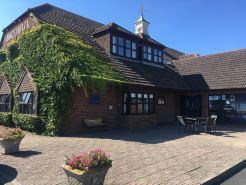
The Abbey Hotel and Conference Centre


€65
9
/10
103 Reviews
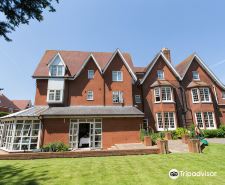
Hempstead House Hotel & Restaurant
€107
5.9
/10
45 Reviews
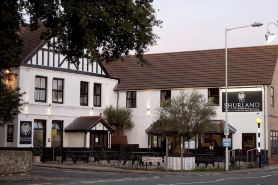
The Shurland Hotel Gym Spa
€48
6.8
/10
40 Reviews
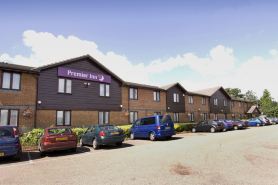
Sittingbourne Kent
€52
8.1
/10
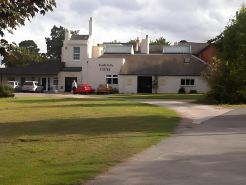
69 Reviews
The Judds Folly Hotel, Sure Hotel Collection by Best Western
€60
10
/10
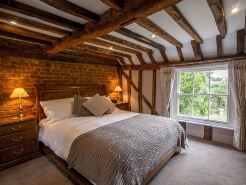
13 Reviews
Green Farmhouse
€1
9
/10
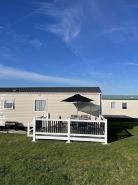
40 Reviews
Holiday Park Caravan Fluffy in Harts Holiday Park
€1
Latest Flight Deals to Swale District
These are the best offers on flights to Swale District you’ll find over the next 60 days, with savings of up to €0. Don’t miss out!