https://ae.trip.com/moments/destination-jiaoling-2925/
2026 Jiaoling Travel Guide: must-see attractions, popular food, hotels, transport & travel experiences (updated in January)
Essential Travel Information for Jiaoling
Jiaoling Today's weather
Overcast 12-22℃
All Trip Moments about Jiaoling | Travel Experiences
Check in at Peihong Villa in Jiaoling, Meixian County, Guangdong
#大湾区住宿 Jiaoling Peihong Country Villa is located in Jiaoling Jiuling Village. It is similar to a resort hotel and is built next to the rural rice fields. If you like to get away from the city and relax, you can come and try it. Peihong Country Villa takes mountains, rivers and countryside as its theme, integrating local architectural aesthetics to create a relaxing and cozy leisure environment. When you "stay" in the country villa, you can look at the mountains and water and express your homesickness. The overall decoration style is elegant and delicate, and the space is lively and flexible. This is a country villa. The room is about 25 square meters in size. It is decorated in natural wood color. It is clean and tidy. The two single beds are quite comfortable. The biggest highlight of the room is that it has a small balcony. When you open the door, you will see a golden rice field, full of rich rural style. It is a place suitable for meditation, recuperation, leisure and vacation. It is worth experiencing. Address: About 190 meters southwest of Jiuling Y134 Wetland Park, Sanzhen Town, Jiaoling CountyDH 20225A tranquil lakeside spot away from the city for taking photos
#January Destinations 2026 Changtan Scenic Area is one of the "Hundred Scenic Spots of Southern Guangdong." The area boasts renowned attractions such as the Rare Tree Fern Garden, the "One Line Sky" (一线天), Penglai Wonderland (蓬莱仙境), Gaotai Temple (高台庵), and the Fujian-Guangdong-Jiangxi Sakyamuni Culture Center. Here, a river flows through lush green waters, its surface rippling, flanked by verdant mountains, earning it the reputation of "resembling the Wu Gorge and the Li River in appearance." Since then, Changtan's fame has spread far and wide, attracting hundreds of thousands of tourists from home and abroad each year, who are captivated and reluctant to leave. Natural landscapes within Changtan, including "One Line Sky," "Tianma Mountain," "Shuangmenque" (双门阙), "Ergu Mountain" (二姑山), "Dishuiyan" (滴水岩), "Fushuiyue" (浮水月), "Apo Beisun" (阿婆背孙), and "Xianren Jiaqiao" (仙人架桥), were designated as the "Eight Scenic Spots of Changtan" during the Qing Dynasty, with "One Line Sky" being the most distinctive and legendary.ITRORELThere's a kind of happiness called: the relaxed feeling of living in a small county town ~ Jiaoling, Guangdong
My "ideal life" and I drove for four hours, from Shenzhen to Jiaoling, from city to countryside. The scenery outside the car window gradually changed from towering buildings to rice paddies and green mountains. My heart, like a cloud returning home, suddenly settled down. Jiaoling, named after a banana grove in the north of the city, is a small town blessed by the title of "World Longevity Town." Here, "relaxation" is not a luxury, but an everyday breath. 🌿 People don't rush to catch the subway, but only for the freshest aroma of vegetables at the morning market; 🌿 They don't worry about sky-high mortgages, but simply tend to their flowers and plants in their own courtyards; 🌿 They don't push their children too hard, but instead pass down the simplest family tradition of farming and scholarship. When I met Mr. Lin, a local entrepreneur, he was nearly sixty, but when he talked about agriculture, his eyes still shone with a youthful light. And then there are my teacher colleagues, and my good friends who returned to their hometowns to run their own small businesses. Though separated by mountains and the passage of time, we still feel like old friends whenever we meet, sharing countless stories of dawn and dusk. The people of Jiaoling possess a kind of grounded and bright spirit, deeply rooted in the land. 【Jiaoling Through the Eyes of Mu|Mu】: 📜 It's very "old," so old that you can touch the patriotic poems of Qiu Fengjia from the late Qing Dynasty, you can walk into the ancestral home of the contemporary mathematical giant Qiu Chengtong, and feel the legendary story of the Hakka people, "one branch spreading its leaves, covering the world." 🏞️ It's very "green," so green that the forest coverage rate is nearly 80%, and the negative oxygen ions in the air seem to cleanse your lungs. 🚄 It's also undergoing "renewal." The Meizhou-Longyan High-Speed Railway is under construction, which will open a new window for this blessed land of health and wellness. Of course, there are also authentic local flavors to tantalize your taste buds: 🍲 A must-try is the provincial-level intangible cultural heritage "Sanjidi Soup," a bowl of which warms and soothes the stomach; 🍛 "Huangban," made with gardenia ash alkaline water, is soft, glutinous, and savory—a unique Hakka wisdom found nowhere else; 🦆 Secretly braised duck, fresh duck eggs, fragrant black pork, crucian carp soup stewed with river yellow grass, Ganoderma lucidum pork balls, naturally ripened bananas… Food is this land's most sincere self-introduction. If you're tired of chasing sunsets amidst the glass curtain walls of the CBD, perhaps you should visit Jiaoling. Here, there's a kind of happiness called "growing up slowly and naturally in your own time zone, becoming what you should be." What is small-town life like in your eyes? 🌟Here, I use my lens to collect the traces of time, to accompany you in seeing the poetry hidden in the everyday, and awaken the "photographer's eye" within you.👀Wright Henry17HenryJiaoling, the World Longevity Hometown, China's Green Famous County
Jiaoling, Guangdong, under the jurisdiction of Meizhou City, is known as the "World Longevity Hometown," "China's Green Famous County," and the "Original Hakka Cultural Homeland." The county's average negative oxygen ion concentration exceeds 3000/cm³, and the proportion of centenarians ranks among the top in the country. Surrounded by mountains and water with a long cultural heritage, it features poetic terraced hillsides, ancient Buddhist grottoes and temples with millennia of Zen spirit, and the Hakka people's spiritual totem of "farming and studying to pass down the family legacy." Below are four of the most representative attractions to take you into this quiet and abundant secret of eastern Guangdong. 1. Changtan Town · Changtan Tourist Area (The Most Beautiful Water in Eastern Guangdong) The largest artificial lake in the upper Han River, the lake stretches 30 kilometers in a winding shape like a jade belt nestled among the mountains, known as the "Sun Moon Lake of Lingnan." Taking a boat tour, you can see wonders such as the "One Line Sky" gorge, Monkey Island, and Mandarin Duck Beach; climbing the "Wangjiang Pavilion," you can gaze at the "Changtan Waterfall" hanging on a cliff, with mist swirling like fairy aura. The lake area is also a wintering ground for the nationally first-class protected Chinese merganser, visible from November to March each year. Boating at dusk, with the sunset melting gold and fishing lights twinkling, every scene is picturesque. 2. Sanzhen Town · Fangxin Village · Former Residence of Qiu Fengjia (The Spiritual Homeland of the Patriotic Poet) Qiu Fengjia, a late Qing dynasty patriot who resisted Japanese invasion and an educator, was born here. His former residence is a typical Hakka walled house with blue bricks and gray tiles arranged in a quadrangle courtyard. Inside is a life exhibition hall displaying manuscripts, poetry collections, and historical materials on "resisting the Japanese and protecting Taiwan." Behind the house is the "Peilan Study Room," where he studied as a child, still retaining the fragrance of ink. The village also preserves the "Fengjia Memorial Pavilion," the old site of Jiaoling Middle School, and a thousand-mu ecological tea garden—visitors can experience tea picking and making while reciting the poem "Spring Sorrow": "Four million people weep as one, cutting Taiwan on this day last year..." Here, historical warmth and pastoral poetry blend. 3. Wenfu Town · Yangnai Village · Former Residence of Lin Fengmian (The Hometown of the Founder of Modern Chinese Art Education) The birthplace of Lin Fengmian, a pioneer of modern Chinese painting. The former residence is a Qing dynasty Hakka house, renovated into the "Lin Fengmian Memorial Hall," exhibiting ink wash paintings, manuscripts, and interpretations of his "East-West fusion" artistic philosophy. The village features the "Fengmian Art Trail," with murals and installation art along the way echoing his classics like "Spring Sunshine" and "Ladies"; even more surprisingly, the entire village’s rice fields are planted in color zones inspired by his paintings—spring yellow, summer green, autumn gold, and winter brown—creating a flowing "earth oil painting" all year round. 4. Nanzhai Town · Huangyoubǐ Nature Reserve (A Biodiversity Treasure in Eastern Guangdong) Located on the southern slope of the Lotus Mountain Range, the main peak Huangyoubǐ rises 1170 meters, with 96% original forest coverage. It is one of the few vertical ecological belts in eastern Guangdong featuring fir, rhododendron, and moss. The area has crystal-clear streams, including "Fairy Pool," "Nine-Tier Waterfall," and the largest contiguous wild cycad forest in South China. Over 1,800 species of vascular plants have been recorded, including rare species like Bole Tree and Southern Yew; 237 bird species are present, with white pheasants and red-billed leiothrixes frequently seen year-round. Recommended light hiking route: Huangyoubǐ Mountain Trail (about 2.5 hours). At the summit, you can watch the sea of clouds surge and peaks roll like waves; in the morning mist, you might spot squirrels leaping and tits flitting—truly a "forest breathing" sanctuary. 📌 Practical Tips: Jiaoling is accessible by high-speed rail (Meishan High-Speed Rail "Jiaoling Station"), about 2 hours from Guangzhou/Shenzhen; county attractions are scattered, so self-driving or booking a local guide is recommended. Must-try foods: Jiaoling stuffed tofu (smooth and fragrant), Sanzhen beef balls (springy and crisp), Changtan braised rice, and high mountain cloud mist tea. Best seasons: March to May (flower viewing and tea picking), October to December (colorful autumn and hot spring wellness). Come to Jiaoling to see a lake reflecting green mountains, visit two former residences to understand family and country, walk a mountain path listening to birdsong, and savor a cup of clear tea to keep your heart true—here, quietly, the secrets of longevity, cultural roots, and the spirit of the landscape are all subtly written into every leaf vein and every mountain breeze.KARA WYATTGuangzhou Art Museum, Intangible Cultural Heritage Museum, Guangzhou, China (Metro Line 11)
#NovemberDestinations2025 #China #Guangdong #ArtMuseum #IntangibleCulturalHeritageMuseum A visit to the Guangzhou Art Museum. These ceramic sculptures are quite impressive, aren't they? A scene from the Guangdong Intangible Cultural Heritage Museum, also very captivating. The abandoned building next to the Guangzhou Garden Hotel has finally opened. The new building is very grand, with retro streets and remaining old neighborhoods of Guangzhou. Over twenty years ago, I stayed at the White Swan Hotel across the river and also on the newest Guangzhou Metro Line 11, which has the most carriages! #GardenHotel #GuangdongMetro #WhiteSwanHotel同畫世界1In Meizhou! How is this different from Dali! It's so photogenic
Here with good friends for a second visit! I checked in once before and had a really great experience, very relaxing. This time on the second visit, I found many changes since the first time, even more surprising 🥳 I heard many artists have come to create here. Recommended sightseeing routes 🔱: Around Mixiang Heti and around Mixiang Rice Fields 【🌾Around Mixiang Heti】: Light Breeze Fan Dance → Guangqi Bamboo Realm → Breathing Mountain House → Hulu 【🌾Around Mixiang Rice Fields】: Nature - Traces → Mixiang Art Museum → Photo with Jolele → Ancient Style Beast in the Rice Fields → Hanging Sky Mirror → Mobile Bar in the Rice Fields → Drinking in the Countryside → Mixiang Mini Train ✅【Breathing Mountain House】 This place is really worth recommending for a check-in! So so so beautiful! It’s like arriving at a paradise 🥹 On a good weather day, the blue water and sky with the whole lake is just stunning!! ✅【Nature — Traces】 Who understands the finishing touch of these traces? Inside the guesthouse, every stroke is different, making it even better for check-ins! Every casual shot looks great! ✅【Grain Wind Beast in the Rice Fields】 Walking in the rice fields with a little cart, you can enjoy the slow life experience of Meizhou. Leisurely and relaxing, it doesn’t get better than this~ ✅【Photo with Jolele】 You really can’t miss taking a photo with Jolele when visiting Mixiang. The 3-meter-tall Jolele is so photogenic! ✅【Hanging Sky Mirror】 This design is amazing. Each mirror faces the sky directly, reflecting the blue sky and white clouds blending perfectly with the rice fields, making it great for photos 📷 ✅【Mobile Bar in the Rice Fields】 A bar moving through the rice fields, it feels like the atmosphere would be even better at night~ Chatting and drinking with friends in the mobile little bar is so relaxing! ✅【Jiaoling Welcomes You】 I saw this in a video! It talks about artists paying the toll fees for travelers randomly visiting Jiaoling at the highway toll station ✌️ I look forward to seeing the artists when passing the toll station 🙋♀️ hahaha Put down your fatigue and worries, stay here for two or three days, and enjoy the slow life experience, it’s so comfortable! There are also many check-in spots for photos 🤳 I recommend driving here to play. It’s about an hour and a half from Xingning to Jiaoling ⏰RoamingDreamerExplore Meizhou with 1000 Yuan
One Day and One Night Tour in Meizhou (Budget: 1000 Yuan) Highlights Experience Hakka culture Enjoy natural scenery Taste authentic local cuisine Relax and deeply feel the charm of Meizhou 1. Preparation Before the Trip Transportation: It is recommended to take the high-speed train or bus to Meizhou. Book tickets in advance to save costs. Accommodation: Choose cost-effective hotels or homestays in the city center, with a budget of about 200-300 Yuan per night. Clothing: Comfortable walking shoes, bring a camera or phone as backup. 2. Itinerary Day 1 Morning: Arrive in Meizhou and start the cultural journey Transportation: High-speed train/bus to Meizhou (depending on departure location) Breakfast: Enjoy local specialty breakfast near the station (about 20 Yuan) Attraction 1: Meixian Ketiantian Tourist Area (ticket about 80 Yuan) Features: Experience Hakka cultural village, traditional handicrafts, Hakka walled houses Duration: 2-3 hours Transportation: Taxi or bus (about 20 Yuan) Noon: Taste Hakka cuisine Recommended restaurant: Local Meizhou specialty Hakka restaurant Per capita cost: about 50-80 Yuan Signature dishes: stuffed tofu, braised pork with preserved vegetables, Hakka stuffed glutinous rice balls, Hakka stuffed tofu, etc. Afternoon: Natural scenery and cultural exploration Attraction 2: Meizhou Meijiang Park Features: Leisurely walk, lake and mountain views Admission: Free Duration: 1-2 hours Attraction 3: Meizhou Xishan Scenic Area (optional) Features: Mountain and water scenery, great for photos Admission: about 30 Yuan Transportation: Taxi or bus (about 20 Yuan) Evening: Shopping and night market Location: Bustling area in downtown Meizhou Experience: Local night market, try various snacks (budget about 50 Yuan) Special snacks: Meizhou fried rice noodles, beef offal, sweet soup, specialty fruits Accommodation arrangement Recommended stay: Budget hotel or homestay in Meizhou city center Budget: 200-300 Yuan per night (book early for discounts) 3. Day 2 Morning: Taste Hakka breakfast Recommended: Hakka stuffed tofu, rice noodles, porridge Budget: about 20-30 Yuan Morning: Cultural experience Attraction 4: Meizhou Hakka Walled Houses (e.g., Jiaoling Walled House, Wuhua Walled House) Features: Learn about Hakka living, admire ancient architecture Admission: about 50 Yuan Duration: 2 hours Noon: Prepare for return trip Lunch: Simple meal (about 30 Yuan) 4. Budget Overview (approximate) Item Cost (Yuan) Transportation (high-speed train/bus) 200-300 (depending on departure) Accommodation 200-300 Tickets 150 (Ketiantian + walled houses + scenic area) Food 150-200 Local transportation 50-80 Snacks and souvenirs 50-80 Total ~800-1000 Yuan 5. Tips Book transportation and accommodation in advance to enjoy discounts. Adjust the order of attractions based on your interests to save time. Travel light and avoid carrying too much luggage. Use public transportation more often to save money and protect the environment. Hope this guide helps you have an unforgettable time in Meizhou!EnchantedSoul123456781Hidden Gems of Guangdong! These 5 Stunning Small Counties Will Blow Your Mind—Visiting Just 2 Makes You a Winner
It's 2025, and you still think Guangdong is only about bustling cities? Wrong! Tucked away in Guangdong's corners are 5 breathtaking small counties—less crowded, picture-perfect, and refreshingly cool 💦 Visiting just two will make you feel like you've hit the jackpot. Save this treasure list now 👇 🌿 1. **Shixing County**—Northern Guangdong's "Secret Paradise" Nestled among green mountains and clear waters, Shixing hides ancient villages dating back millennia 🌾 Stroll through the **Mantang Hakka Grand Enclosure**, where the sturdy Hakka architecture echoes with history—every brick and tile tells a Hakka story. Craving nature? Head to **Chebaling National Nature Reserve** to breathe in fresh air and maybe spot adorable wildlife—like stepping into a real-life "Zootopia"! Perfect for summer escapes and fun. 🏞️ 2. **Deqing County**—Where Ancient Charm Meets Scenic Beauty Deqing embodies timeless elegance 📜 The **Longmu Ancestral Temple**, with its lingering incense and centuries-old blessings, brings serenity to the soul. The **Deqing Confucian Temple** showcases the grace of Lingnan-style ancient architecture—a photographer's dream. Don’t miss **Panlong Gorge**! Thrilling rafting, breathtaking waterfalls, and summer water fun make it a true "mountain-water playground" 🎢 🍃 3. **Liannan County**—Discover a Thousand-Year-Old Yao Village Want unique Yao culture? Liannan delivers! The **Nanqian Yao Village**, perched on a mountainside, looks like a "floating Yao city" in the morning mist ☁️ At dusk, sunsets paint the stone paths like an oil painting. Join the Yao people in long-drum dances, savor Yao cuisine, and immerse yourself in their vibrant traditions—living like a local has never been more exciting! 🎍 4. **Pingyuan County**—The "Emerald" of Guangdong, Fujian, and Jiangxi Pingyuan’s **Wuzhi Stone** is jaw-dropping! Its Danxia landforms are awe-inspiring, with cliffside walkways offering heart-pounding views—every snapshot is epic 📸 Then drift along **Songxi River** on a bamboo raft, soaking in the lush scenery as summer heat melts away—nature’s own "air-conditioned retreat" ❄️ 🏕️ 5. **Jiaoling County**—Slow Living in the "Longevity Village" As a "World Longevity Village," Jiaoling exudes tranquility 🍵 **Qiu Fengjia’s Former Residence** shares tales of patriotism, while **Changtan Lake Resort** invites lakeside strolls and bike rides—so relaxing, you’ll never want to leave. Feast on longevity cuisine (fresh and healthy!) and let time slow down. Ideal for unwinding and recharging. 💡 **Key Takeaway**: These 5 counties offer uncrowded beauty, cool escapes, and Guangdong’s best-kept secrets 🌄 Whether you’re into history, culture, summer fun, or pure relaxation—they’ve got you covered! Skip the tourist crowds—bookmark this guide and escape to these hidden gems on your next weekend or holiday 🌿 Visiting just two will give you bragging rights for years. Total win!ALEAH STRICKLAND1#激流 The wa
#激流 The water quality is so good that it explodes💦 It is as clean as soaking in Nongfu Spring, you can play in the water with confidence~ There are dense shades on both sides of the river, and you are no longer afraid of being sunburned! The key point is that it drifts automatically throughout the whole process, and you don’t need to row the boat with effort at all. You can enjoy the coolness and stimulation while lying down~ Safety is directly maxed out🔐The river has been professionally renovated, and it is difficult to capsize! Whether it is playing with friends or taking children on a parent-child tour, it is super suitable~ From the starting point to the end, the screams never stopped, and the 8-star experience is really not exaggerated! This summer, those who haven’t gone rafting yet, hurry up! Jinshan Extreme Rafting will definitely make you play until you don’t want to go ashore~ #夏日玩水上封 #福建圍游 #父子游攻略 #金山极限漂流 #广东漂流 #梅州漂流 #夏日玩水好地方奶酪991First time Expience China Safari zoo.❤️
The visit today was fantastic! This place more than met our expectations! It was super easy to find. This is so much better than a traditional zoo as most of the animals are active and you can get 5 feet from them! You stay on a sidewalk and most of the park is shaded by trees. They had lions, tigers, bears, wolves, hyenas, monkeys, porcupines, and some other animals.We had a great time! And you can tell everyone there definitely cares for the animals and that they are happy! * Ticket price About 50 yuan per head. * Free Parking * Eco-Friendly * Have Food install inside. *Take note bring water and wear comfotable clothers #naturalwonders #travel #zoo #trip #china #guangzhoudong #meizhouLucky_oneChangtan Scenic Area
The Changtan Tourist Area, located in Changtan Town, Jiaoling County, Meizhou City, Guangdong Province, is a national 4A-level tourist attraction and a provincial nature reserve. Here's a detailed introduction: Features Natural Beauty: Changtan is renowned for its stunning scenery, often compared to the Wu Gorge and the Li River. The area boasts wide, clear waters, surrounded by lush mountains and forests, with a high concentration of negative oxygen ions, earning it the title of "natural oxygen bar." Biological Resources: Changtan is rich in flora and fauna, with 1,092 species of vascular plants, 264 species of wild animals, and over 40 species of fish. Particularly noteworthy are the national second-class protected Alsophila spinulosa, the ancient white fringed flower tree, and the thousand-year-old Mucuna birdwoodiana. Cultural Attractions: The area features several cultural sites, such as Gaotai Nunnery (also known as "Golden Turtle Hanging on the Cliff") and the Min-Yue-Gan Sakyamuni Cultural Center. Main Attractions Yixiantian (一线天): Located to the right of the Changtan entrance, this narrow passage features two peaks facing each other, with steep cliffs and a waterfall cascading down. Gaotai Nunnery (高台庵): Situated halfway up the mountain, this nunnery offers breathtaking views of the Changtan landscape. Changtan Lake Boat Tour: Visitors can take a boat tour on Changtan Lake to admire the picturesque scenery along the shore. Millennium Mucuna Birdwoodiana Viewing Point and Maple Viewing Platform: These are excellent spots for enjoying the natural scenery. Travel Guide Opening Hours: Open all day. Transportation: Visitors driving from Fujian, Shenzhen, and other locations can navigate to the Wenfu Town expressway exit in Jiaoling County and then drive for about 20 minutes to reach the scenic area. Best Time to Visit: Summer is an ideal time to escape the heat at Changtan, perfect for swimming, water activities, and picnics. Additionally, from September to October, egrets circle and perch on the lake and in the forest, creating a spectacular sight. Changtan Tourist Area is a destination that combines natural beauty, ecological wellness, and cultural attractions, making it suitable for leisure vacations and outdoor activities.Phoenix_9_Starthorn*67A poetic and idyllic villa.
The villa is located on the southwest side of Jiuling Wetland Park, Sanzhen Town, Jiaoling County, Meizhou City, Guangdong Province. It is surrounded by rice fields and lotus ponds. The villa is nestled between green mountains and rivers, with a poetic and picturesque setting and modern decor. It is stylish yet retains the charm of "Oriental Zen". The beauty of nature and humanistic atmosphere are perfectly integrated here! The villa has 108 rooms in different styles, including double rooms and twin rooms, which can accommodate 204 people at the same time. It is the best choice for group convalescence. The rooms are spacious, clean and tidy, and worth revisiting.Isaac.Simmons^43Passionate autumn nights, warmth in full bloom - Hakka Farmer "BBQ Beer Music Square".
Passionate autumn nights, warmth in full bloom - Hakka Farmer "BBQ Beer Music Square" is waiting for you to party! When the coolness of autumn quietly descends, under the night sky of Meizhou Jiaoling Sanzhen Jiuling, a feast about food, music and comfort is quietly beginning. Hakka Farmer "BBQ Beer Music Square", this holy place of joy in autumn night, is ready to go, waiting for your arrival, to ignite the infinite warmth of this season together! Here, every bite of barbecue is the ultimate temptation to the taste buds. Select the best ingredients, match with secret sauce, carefully roasted by charcoal fire, each string exudes an attractive aroma, making people drool. Whether it is tender roast meat, crispy roast wings, or golden crispy roast corn, you can feel the harvest and satisfaction of autumn in the taste. And refreshing beer is an indispensable good product for autumn nights. Pick up a bottle of iced beer, take a light sip, and the coolness instantly fills the whole body, as if even the coolness of autumn is swept away, leaving only full comfort. Here, you can drink freely, toast with friends, and share the joy of life. Of course, music is the soul of this autumn night. The melodious rhythm and warm melody spread as the night gradually spreads. Let you swim freely in the ocean of music, release the fatigue and pressure of the day. Sway gently with the rhythm of the music, let the body and soul dance with the notes. Passionate autumn nights, warmth in full bloom, all in Hakka Farmer "BBQ Beer Music Square". There is not only the temptation of food, the refreshment of beer, but also the warmth and freedom of music.Seeker-SerenityI found the secret garden hidden in the corner of the green field!
Today, I will take you to Changtan Town, Jiaoling County, Meizhou, to unlock the secret garden hidden in the green mountains and rivers - Yunqi Valley 1978! Walking on the stone road, the small shops and cafes on both sides are all good places to take pictures. Remember to bring your camera and capture these beautiful moments! If time permits, why not stay here for one night. The homestays in Yunqi Valley are all different, each full of design sense, allowing you to feel a different warmth and romance at night!Seeker-SerenityMeizhou Reverse Tourism | Jiaoling Changtan
| Jiaoling Changtan. Jiaoling is not big, personally, I think the spots to visit are: Changtan, Yixiantian, and the Shizhai Tulou (just personal opinions, no offense). Jiaoling county town is small, with a slow pace, lots of food, and when you come to Jiaoling, you must try Sanjidi and Rouyuan! I can say that Jiaoling's Sanjidi soup is the best I've had so far in the Meizhou area, not too salty and without any fishy taste. I recommend Xinshan Original Fresh Sanjidi, and for Rouyuan, I recommend Anxiuzhen Rouyuan (Xinjie Store)! Let's talk about tourism in Jiaoling: Changtan boat tickets are 50$, departing from Changtan pier, it takes about 10min to reach 'Rare Island' where there's some tropical primitive forest vegetation, mainly to see some fern plants, and then take the boat back, the water is very clean and green. Yixiantian is about 4km away from ChangtanJocastaGEMZui Mei Academy - A homestay with more than just a vast collection of books
If you go in spring, the view outside the window is a vast expanse of greenery🌿, with large rooms and a flat green landscape outside that stretches to the Shiku River, where you can feel the gentle light of the sun falling without any dust. Just stay on the spacious balcony, sit and breathe in the oxygen-rich green environment, very suitable for a leisurely and quiet holiday. You can also stay in the academy to practice calligraphy, the owner plays golf, so there is an indoor practice range, which can be booked in advance. You can also play table tennis🏓, there is a coffee shop☕ in the front yard, a backyard, hammocks, and a tea pavilion🍵 for drinking tea... Counting them, it feels like everything is complete..... For breakfast😙, remember to have the breakfast at Zui Mei, which is reserved the night before for the next day, and if you decide to have it on a whim, there might be none left..... Hakka people eat pickled noodle breakfast with San Ji Di soup, which you must try. If you don't want to eat goji leaves in the soup, you can switch to bitter melon tomato or pickled vegetables (typing this makes my mouth water, that's how much I miss it). Behind the villa, there is a garden for tea drinking, and there are also single-family villas for rent, which are very suitable for company meetings and staff gatherings. The restaurant is also very large, where you can cook for yourself, catch a fish from the river, and ask the academy's chef to process it, all possible, as Hakka people are warmly welcoming. City : Jiaoling County, Jiaocheng Location : Zui Mei Academy (4A Scenic Area, Changtan Town, Jiaoling County, Meizhou City, Guangdong Province)ELAINA PITTMANMeizhou's Great Outdoor Camping Spot | Jiankeng Village Chenwu
📍 Navigation: Chenwu, Jiankeng Village, Jiaoling County 🅿️ Parking: Cars can go down, and there is space for more than 10 cars! ⛰ Road: It takes about 50 minutes to drive there from the city area, all on national and township roads. I suggest everyone to take these roads. If you are coming from Meicheng, there's no need to take the highway, the scenery on the township road is super nice, very comfortable! 🚨 Reminder: After navigating to Chenwu, on the right hand side there is a high embankment, there is a slope where you can drive up or down, and opposite Chenwu is the Shiku River. Once you reach Chenwu, you will see the embankment! 💁♂️ Additionally: This place is still under construction, it is estimated that there will be staff telling everyone not to drive down, just cooperate with them! Remember to take care of the environment and take your trash with you! 🏕 Experience: This place is really comfortable, suitable for camping, picnicking, and relaxing! There is water, cows, sun, and lawns, it really is my dream place for walking my dog and having a picnic! ⏰ Warm Reminder: Friends, please remember to consciously take your trash with you! Take your trash with you! Take your trash with you! Do not leave any trash on this mountain! Let's all take care of the environment together!INDIGO FARMERLotus Garden 🌺The tranquility and elegance of a Chinese courtyard 🏮🌳
The Lotus Garden is a tourist attraction with a traditional Chinese courtyard style. The architecture and scenery here exude a sense of simplicity and elegance. I strolled through the grounds, admiring the ancient and beautiful buildings and gardens. These buildings and courtyards combine traditional Chinese design and art, making me feel as if I were in an ancient palace. 🏮🏯 There are various flowers, plants and trees planted around the courtyard. I felt the beauty of nature here. The sunlight shines through the gaps in the leaves, creating a peaceful atmosphere! 🌸🌳 The entire lotus garden is filled with an ancient tranquility and elegance, and the buildings and natural scenery here seem to be ancient Chinese paintings. Coming here, I can not only appreciate the ancient buildings and natural scenery, but also taste Chinese food and culture. This was a refreshing trip that gave me a deeper experience of China's courtyard culture. 🌳🏮 #Must-visit spots in the Greater Bay Area愛玩的社蓄🌿🦆 Meizhou Wetland Park ~ Nature’s Secret Garden🌿🦆🌳
🌿🦆🌳📸 The lush trees and clear lakes in Meizhou Wetland Park make me feel like I’m in a natural garden. I couldn't help but marvel at the ecological beauty of the wetland park. In this wetland wonder place, I explored different ecological attractions. I strolled the park's trails, admiring the beauty of the various wildlife and plants. Birds fly in the sky and fish play in the lake. These creatures show the vitality of nature. This secret garden where people can get along with nature not only makes me immersed in the beauty of nature, but also gives me a deeper experience of ecological protection. If you want to explore the wonders of wetlands, Meizhou Wetland Park is definitely a place worth visiting! 🌿🦆🌳📸 #Greater Bay Area must-visit check-in spots愛玩的社蓄There is s
There is such a place in Meizhou, which has the beauty of idyllic wonderland, has continuous mountains and rivers, has dense forests, has thousands of Hakka houses, has tens of thousands of fields and mountains, and is still curious The secret of longevity, and where is it? It is the ancient town of Jiaoling in Meizhou, which combines beauty and mystery. Jiaoling is a county under the jurisdiction of Meizhou City. It is surrounded by mountains, with beautiful natural landscapes, beautiful scenery, and lakes and rivers. It is a national green model county. In fact, it was only an ordinary county in Meizhou City a long time ago. But since there has been such a news here, it has been out of control. This news is the secret of longevity in Jiaoling County. There are as many as 44 centenarians living here. For the population of Jiaoling County in the same period, 19 of 100,000 people are centenarians, and more than 100,000 have 15 centenarians. Since the standard of longevity, since then, Jiaoling County has become the "hometown of longevity" in people's mouths. But this is not without reason. In addition to the clear and beautiful scenery of Jiaoling County, there is also fresh air here. The large area of forest coverage is green everywhere it goes. Just walk in here, just like being in a natural oxygen bar, you can breathe 100% of the pure air that nature brings.Hehe_Hexiaoxi.2Looking
Looking at such a beautiful living environment, I feel happy, how can I not live longer? Walk on the newly built country road, the pleasant air is coming, the clean road is pleasing to the eye The success of the new rural construction makes the White Horse Village realize "beautiful "Transformation" let this village once again renewed the power of vigorous Next, we came to the village of Baima, this is another place full of poetry. In Baima Village, Changtan Town, Jiaoling County, in just a few years, this unknown small village has built a contiguous flower sea. The appearance of the village has changed greatly, attracting tourists from all over the world. Walking into Baima Village, I saw a spacious and clean village road, and I could hardly see a piece of paper or fallen leaves. Such a beautiful ecological village must come!timetrees.

Popular Travel Topics in Jiaoling

2026 Recommended Guides in Jiaoling (Updated January)
15 posts

2026 Recommended Attraction in Jiaoling (Updated January)
14 posts
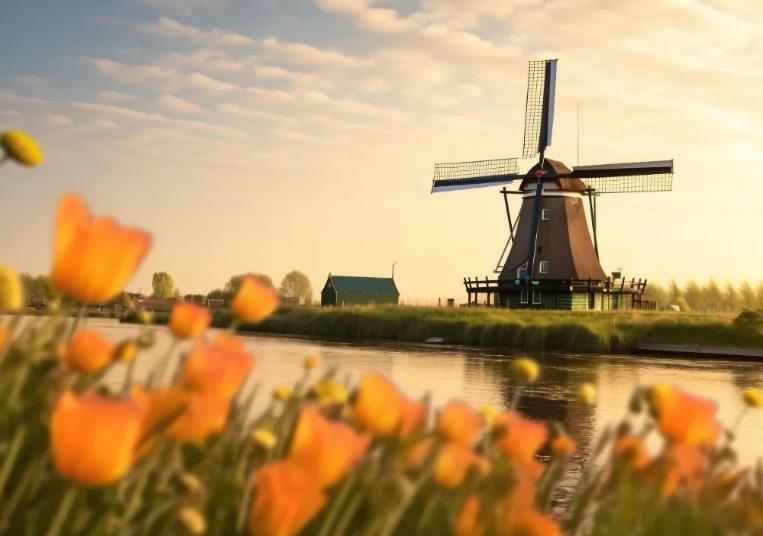
2026 Recommended Comprehensive guides in Jiaoling (Updated January)
5 posts

Popular Destinations Near Jiaoling
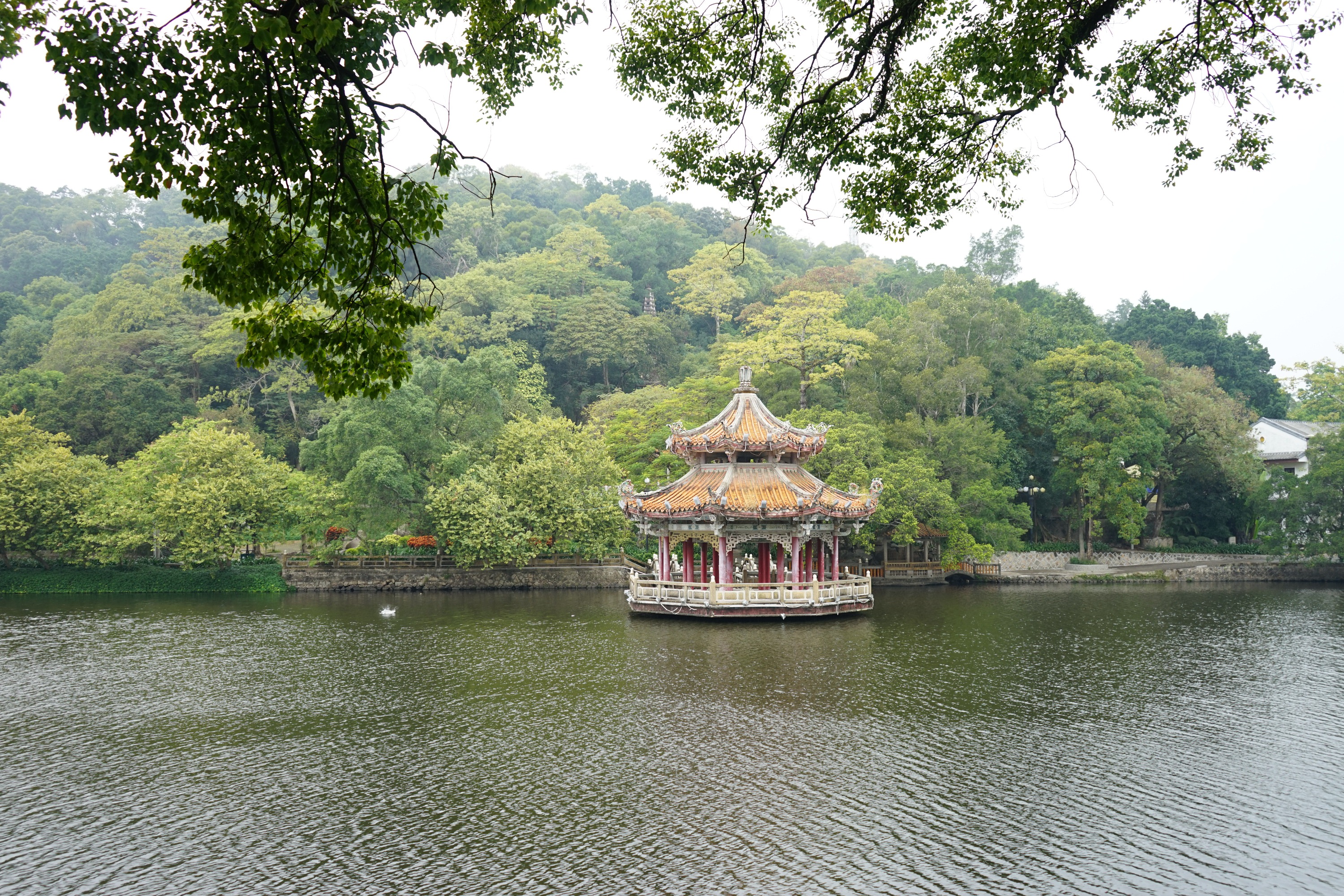
2026 Chaozhou Travel Guide: must-see attractions, popular food, hotels, transport & travel experiences (updated in January)
1479 posts
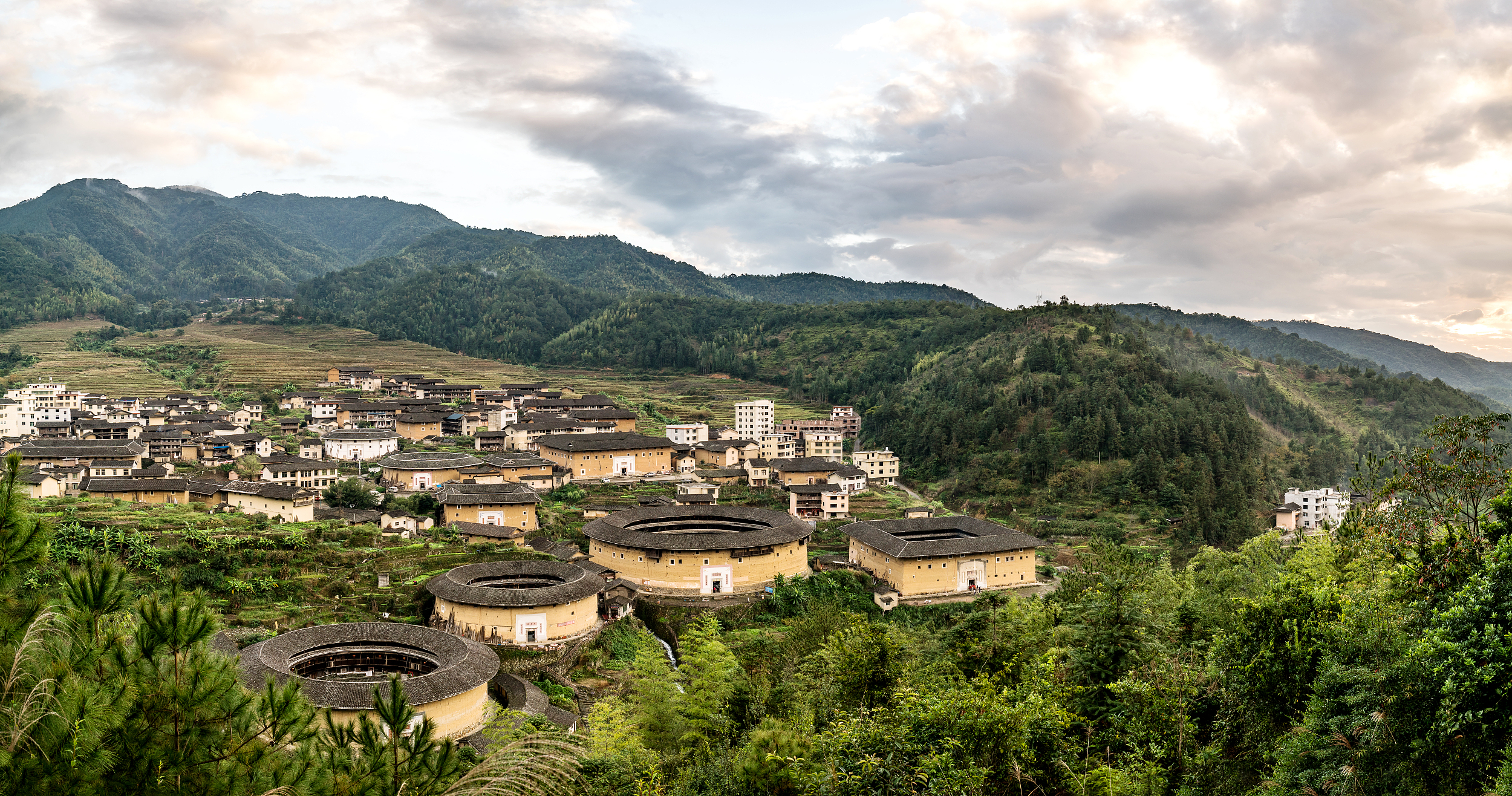
2026 Longyan Travel Guide: must-see attractions, popular food, hotels, transport & travel experiences (updated in January)
387 posts
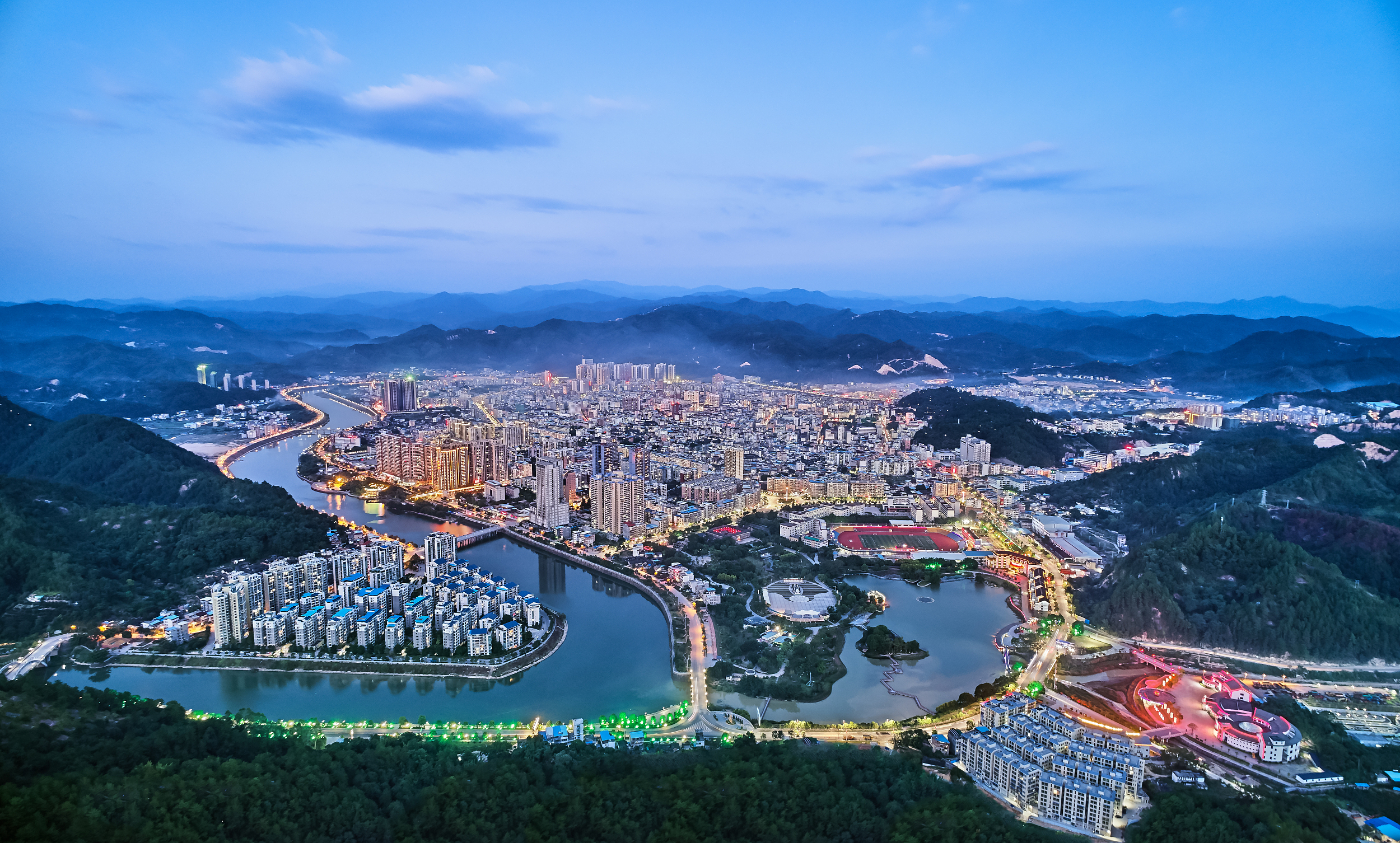
2026 Meizhou Travel Guide: must-see attractions, popular food, hotels, transport & travel experiences (updated in January)
286 posts
Post
More recommendations
Popular Trip Moments
A tranquil lakeside spot away from the city for taking photos | There's a kind of happiness called: the relaxed feeling of living in a small county town ~ Jiaoling, Guangdong | Jiaoling, the World Longevity Hometown, China's Green Famous County | Guangzhou Art Museum, Intangible Cultural Heritage Museum, Guangzhou, China (Metro Line 11) | In Meizhou! How is this different from Dali! It's so photogenic | Explore Meizhou with 1000 Yuan | Hidden Gems of Guangdong! These 5 Stunning Small Counties Will Blow Your Mind—Visiting Just 2 Makes You a Winner | First time Expience China Safari zoo.❤️ | Changtan Scenic Area | A poetic and idyllic villa. | Passionate autumn nights, warmth in full bloom - Hakka Farmer "BBQ Beer Music Square". | I found the secret garden hidden in the corner of the green field! | Meizhou Reverse Tourism | Jiaoling Changtan | Zui Mei Academy - A homestay with more than just a vast collection of books | Meizhou's Great Outdoor Camping Spot | Jiankeng Village Chenwu | Lotus Garden 🌺The tranquility and elegance of a Chinese courtyard 🏮🌳 | 🌿🦆 Meizhou Wetland Park ~ Nature’s Secret Garden🌿🦆🌳 | Check in at Peihong Villa in Jiaoling, Meixian County, Guangdong
Recommended attractions at popular destinations
Popular Attractions in Bangkok | Popular Attractions in Manila | Popular Attractions in Tokyo | Popular Attractions in Taipei | Popular Attractions in Hong Kong | Popular Attractions in Seoul | Popular Attractions in Kuala Lumpur | Popular Attractions in Los Angeles | Popular Attractions in Shanghai | Popular Attractions in New York | Popular Attractions in Shenzhen | Popular Attractions in Osaka | Popular Attractions in Singapore | Popular Attractions in London | Popular Attractions in Guangzhou | Popular Attractions in San Francisco | Popular Attractions in Beijing | Popular Attractions in Macau | Popular Attractions in Bali | Popular Attractions in Jakarta | Popular Attractions in Paris | Popular Attractions in Ho Chi Minh City | Popular Attractions in Istanbul | Popular Attractions in Phuket | Popular Attractions in Chicago | Popular Attractions in Seattle | Popular Attractions in Toronto | Popular Attractions in Orlando | Popular Attractions in Cebu | Popular Attractions in Chiang Mai
Popular Restaurants in Jiaoling
牛客来牛排(蕉岭店) | Jinyu Cake (jiaolingfuqian) | Anxiuzhenrouwan (dongmen) | Jinmaixiangdangaofang (chengnan) | NIAN ZENG FAN DIAN | LIN GU LIAO LI SHOU SI CI SHEN LIANG BAN | 醉爱烧烤 | 深井烧鹅皇(蕉岭店) | YU HE ZAO CAN | 森态源休闲山庄 | 大口九(新东路店) | 古茗(府前路店) | 芒记甜品店(蕉岭奥园广场店) | 小如家的炸鸡与披萨 | 华莱士·全鸡汉堡(蕉城店) | 七港九(奥园广场店) | 西关名点(蕉岭店) | 益禾堂(蕉岭店) | 优卡芙(诚信大厦店) | KEN DE JI JIAO LING FU QIAN DIAN | 煌记云吞(蕉岭店) | 富泰牛肉汤 | 伟记饭店 | 潮汕海鲜排档 | JI ROU A MIAN HUAN DONG LU LAO JIE | 宴庆楼酒家 | 小家园 | 蕉岭县小天地餐饮部(东兴三街店) | 信誉快餐(蕉岭五及第) | 江记鸡肉腌面(城南店)
Popular Ranked Lists
Top 50 Must-Visit Restaurants in Gold Coast | Top 50 Must-Visit Restaurants in Budapest | Top 50 Luxury Hotels near Tonosho | Popular Best Things to Do in Weinan | Top 10 Luxury Hotels near Recreio dos Bandeirantes | Top 50 Must-Visit Restaurants in Qinhuangdao | Top 50 Must-Visit Restaurants in Tongxiang | Popular Best Things to Do in Zhaotong | Top 10 Luxury Hotels in Hurghada | Popular Best Things to Do in Changzhi | Popular Premium Hotels Near Kinshasa | Popular Best Things to Do in Yangquan | Popular Best Things to Do in Suifenhe | Popular Best Things to Do in Chizhou | Popular Best Things to Do in Jishou | Top 10 Best Things to Do in Hinggan League | Top 50 Must-Visit Restaurants in Wuyuan | Popular Best Things to Do in Ziyang | Popular Best Things to Do in Linxia Prefecture | Top 50 Must-Visit Restaurants in Christchurch | Top 50 Must-Visit Restaurants in Kuala Lumpur | Popular Best Things to Do in Xinchang | Top 10 Best Things to Do in Chongzuo | Top 50 Must-Visit Restaurants in Xuzhou | Top 50 Must-Visit Restaurants in Busan | Popular Best Things to Do in Wuzhong | Top 50 Must-Visit Restaurants in Johor Bahru | Top 20 Best Things to Do in Aksu Prefecture | Top 50 Must-Visit Restaurants in Phuket | Popular Best Things to Do in Panzhihua
About
Payment methods
Our partners
Copyright © 2025 Trip.com Travel Singapore Pte. Ltd. All rights reserved
Site Operator: Trip.com Travel Singapore Pte. Ltd.
Site Operator: Trip.com Travel Singapore Pte. Ltd.