2026 Sanmenxia Travel Guide: must-see attractions, popular food, hotels, transport & travel experiences (updated in March)
Essential Travel Information for Sanmenxia
Sanmenxia is situated in western Henan province. It is regarded one of the birthplaces of Chinese civilization and is home to a number of historical attractions including Neolithic remains from the Yangshao era, Hangu Pass (mentioned in the classic text Tao Te Ching written by the Chinese philosopher Laozi) and Baolun Temple Pagoda, one of just four echo-producing structures in China. There are also several natural attractions including the Yellow River, Yawu Mountain and Sanmenxia Dam.
Sanmenxia Today's weather
Foggy 2-5℃

Latest Travel Trends in Sanmenxia
Popular Attraction in Sanmenxia
Shan Zhou Silo-Cave
(57)Hangu Pass
(33)Sanmenxia Dam Scenic Area
(27)All Trip Moments about Sanmenxia | Travel Experiences
Three-Day Trip to Sanmenxia: Ultimate Guide to Swan Lake + Dìkēng Courtyard + Hangu Pass All in One
Completely amazed by Sanmenxia! This hidden gem city by the Yellow River boasts millennia-old Western Zhou artifacts from the Guo State, underground Dìkēng courtyards where you "see trees but no villages," and in autumn and winter, you can encounter tens of thousands of Siberian swans. Here’s a ready-made three-day itinerary for you~😆 👉 Day 1 Cultural Exploration|Unlock the Millennial Secrets of the Western Zhou ✅ Guo State Museum The only museum in China dedicated to Western Zhou Guo State artifacts, with free guides who help you appreciate the stunning underground chariot pits! The "China’s First Sword" jade-hilted iron sword and exquisite bronze patterns are eye-catching. Closed on Mondays, remember to bring your ID for ticket collection~ ✅ Miaodigou Archaeological Site Park A treasure trove of Yangshao culture! The spiral staircase and dome light effects are perfect for photos. Don’t miss the creative shop’s 15 RMB painted pottery pattern fridge magnets, a must-buy. The architecture itself is a work of art~ ✅ Yellow River Park Sunset A winter-only scenic spot! Walk along the wooden boardwalk to Huixing Ferry, watch the sunset turn the Yellow River golden, and see the bridge traffic like a river of stars. Remember to wear a hat to block the wind! 👉 Day 2 Wonders + Romance|A Date with the Dìkēng Courtyard and Swans ✅ Shanzhou Dìkēng Courtyard The "underground quadrangle courtyard" is amazing! 21 connected courtyards showcase paper-cutting and farming folk customs. The grandmother in the spinning courtyard weaves cloth live, full of local charm. Don’t miss the intangible cultural heritage Shanzhou Ten-Bowl Banquet, and the 2 RMB stone bread from street vendors is super crispy when hot~ ✅ Swan Lake National Urban Wetland Park A romantic autumn and winter exclusive! Over ten thousand white swans overwinter here. At Canglong Dam, the lake water is as blue and mirror-like as you can get. Buy corn kernels for 5 RMB to feed the swans up close. Swans are most active from 8 to 10 AM~ ✅ Night Tour of Shanzhou Ancient City Climb the Western Han Bell and Drum Tower to see the city lights, soak in the full ancient atmosphere, and enjoy a leisurely night market stroll~ 👉 Day 3 Nostalgia + Relaxation|Healing at Hangu Pass and Hot Springs ✅ Hangu Pass The real-life spot of the famous saying "One man guards the pass, ten thousand cannot open it!" Climb the 99-step Taoist ladder for a great sense of achievement. Watch the holographic show "Laozi Leaving the Pass" on the hour. Take ancient-style silhouette photos in front of the Laozi statue at Taichu Palace. The Tao Te Ching corridor is engraved with scriptures, perfect for photos~ ✅ Gaoyang Mountain Hot Spring Resort After sightseeing, soak in the hot springs to relieve fatigue. The warm feeling in autumn and winter is pure happiness! 👉 Hidden Gems + Photo Tips ✅ Danxia Gorge of the Yellow River: Hike the Central Plains’ mini Three Gorges! A 2 km boardwalk offers views of red Danxia cliffs. Watch the sunset at the winding Yellow River viewing platform. Danxia Mountain changes from red to purple, stunning beyond words~ ✅ Photo Tips: Before 9 AM at Swan Lake, capture the sparkling water; at 4 PM, shoot backlit golden-edged silhouettes. At Hangu Pass, shoot the "Hangu Dawn Moon" inscription at 3 PM for perfect lighting~ 👉 Must-Try Foods ✅ Shanzhou Ten-Bowl Banquet: Intangible heritage soups, rich and appetizing; Lingbao Lamb Soup: a winter warming miracle, fresh broth and tender meat ✅ Lamb Hu Bu: flatbread strips with lamb bone broth, drizzled with chili oil that’s so fragrant you’ll stomp your feet; Daying Mahua: crispy traditional snack, perfect for binge-watching 👉 Practical Tips 1. Attractions are spread out; consider chartering a car or joining a tour. Wear light-colored clothes in autumn and winter for better photos with swans; 2. Keep a distance when feeding swans at Swan Lake, don’t overfeed. Rent a 20 RMB audio guide at Guo State Museum to hear the fascinating "Fake Route to Destroy Guo" story; 3. Swan watching season is from November to March the following year—miss it and wait a whole year!EpicWanderings#5558Shanzhou Earth Pit Courtyard Special Discount for Xinjiang Tourists
To support the Swan Season promotion, Shanzhou Earth Pit Courtyard Scenic Area is launching a special discount! From now until February 28, 2026, tourists holding Xinjiang ID cards can enjoy tickets at half price, and those holding ID cards from Hami City and Xinxing City can enter the scenic area free of the first admission ticket. Shanzhou Earth Pit Courtyard, a unique underground ancient residential architecture, is known as the "ancient village below the horizon, a living fossil in the history of residential buildings." It not only preserves traditional earth pit courtyards but also incorporates rich folk cultural performances such as paper-cutting and shadow puppetry, allowing visitors to appreciate the unique architecture while deeply experiencing the local cultural charm. Strolling through it feels like traveling through time, experiencing the blend of ancient and modern, bringing a special surprise and tranquility. Come to Shanzhou Earth Pit Courtyard to start a unique cultural journey and create unforgettable memories!Trip.Pulse3The Three Gorges Dam 🤩
The Three Gorges Dam is an impressive feat of engineering and a crucial part of China's effort to modernise its energy infrastructure. Visiting the damn os definitely a must. There are different tours to see different part of the infrastructure. The dam has had some positive effects, including reducing flooding risk and providing renewable hydroelectric power in the country. #china #ThreeGorgesDamRafael Osorio6Sanmenxia's hidden gem hotel, come check it out!
Sanmenxia may not be as well-known as Beijing or Shanghai, but it hides a captivating secret—the Swan Lake Wetland Park. Imagine waking up in the morning to see flocks of swans leisurely swimming outside your window. Isn't that scene already making your heart flutter? 😍 🌟 A luxurious residence amidst lake and mountain scenery 🏡 Sanmenxia Swan Lake International Hotel is nestled in such a beautiful setting. The hotel's architectural style is simple yet grand, with exterior walls in elegant tones that blend seamlessly with the surrounding natural landscape. Step into the lobby, and you'll be drawn to the tranquil and graceful atmosphere, as if time slows down here. ✨ 🌊 Water-friendly experience, living in harmony with nature 💧 Whether you choose a river view room or a lake view room, every window frames a moving picture. Especially at the lakeside residence, you can feel the gentle ripples of the lake up close and even enjoy the golden glow of the sunset from your balcony. At that moment, you'll feel that all the waiting was worth it. 🌅 🍽️ A culinary journey, a feast for your taste buds 🍽️ The hotel’s Chinese and Western restaurants, along with 36 private dining rooms of various sizes, offer your taste buds an unforgettable journey. Cantonese, local, Huaiyang, and Hunan cuisines are all carefully prepared to preserve the original flavors of the ingredients. We especially recommend the signature dishes here—not only are they delicious, but their presentation is also highly artistic, truly a feast for both the eyes and the palate! 🍲 🏊♂️ Sports and leisure, both in one place 🏋️♀️ The indoor heated swimming pool is a paradise for swimming enthusiasts. No matter the season, you can swim freely here and enjoy the joy of being in the water. Additionally, the hotel is equipped with a gym and other entertainment facilities, so you can stay energized even during a busy schedule. 💪 This hotel is more than just a place to stay; it’s like a hidden sanctuary within the scenery. From the design to the service, every detail reflects respect and care for guests. If you’re looking for a travel destination where you can enjoy natural beauty and experience high-quality living, Sanmenxia Swan Lake International Hotel is definitely a great choice! Just like a Michelin three-star restaurant, this hotel deserves a trip planned just for it! 🚗luceria_4356Sanmenxia Travel Guide
This is a 2-day, 1-night travel guide for Sanmenxia, with a budget of around 1000 RMB, perfect for an economical yet fulfilling short trip. Sanmenxia Travel Guide (2 days 1 night, budget about 1000 RMB) 1. Introduction to Sanmenxia Sanmenxia is located in the western part of Henan Province, where the Yellow River flows through, creating magnificent canyon landscapes. Sanmenxia is famous for its unique natural scenery and rich historical and cultural resources. It boasts famous attractions such as the Yellow River Grand Canyon, Sanmenxia Reservoir, and Swan Lake, making it an excellent destination to enjoy the Yellow River scenery and experience Central Plains culture. 2. Itinerary Day 1 Morning: Arrive in Sanmenxia & Visit the Yellow River Grand Canyon Transportation suggestion: Depart from Zhengzhou or Luoyang by high-speed train or long-distance bus to Sanmenxia city center, ticket price about 50-100 RMB. Attraction introduction: The Yellow River Grand Canyon is renowned for its magnificent canyon scenery, which can be explored by hiking or boat tours. Entrance fee about 60 RMB. Activity suggestion: Capture the stunning views of the Yellow River and feel the grandeur of nature. Noon: Simple meal in the city Recommended to try local Sanmenxia specialties such as Yellow River carp and mutton soup. Cost per person about 30-50 RMB. Afternoon: Sanmenxia Swan Lake Park Swan Lake is a famous wetland park in Sanmenxia, where you can watch swans in winter. The environment is beautiful and perfect for a relaxing walk. Free admission. Browse nearby shops and buy some local specialties. Evening: Stay at an economical hotel in the city center Price about 150-200 RMB per night, booking in advance can get discounts. Day 2 Morning: Visit the Sanmenxia Water Conservancy Project (Yellow River Sanmenxia Dam) This is a world-renowned large-scale water conservancy project. Visit the dam and exhibition hall to learn about the history of Yellow River management. Entrance fee about 40 RMB. Take photos of the spectacular dam and appreciate this engineering marvel. Noon: Lunch Simple meal in the city, about 30 RMB per person. Afternoon: Free time or explore the city You can choose to visit the Sanmenxia Museum (free admission) to learn about local history and culture. Prepare for departure afterward. 3. Budget Breakdown (per person) Item Cost (RMB) Transportation (round-trip high-speed train/bus) 100-200 Accommodation (1 night) 150-200 Tickets (Yellow River Grand Canyon + Dam) 100 Meals (4 meals) 120-160 Others (local transport, taxis, etc.) 50-80 Total 520-740 A budget of 1000 RMB is sufficient to cover all the above expenses, with extra for souvenirs or snacks. 4. Tips Sanmenxia has a relatively dry climate, so stay hydrated and use sun protection. Wear comfortable shoes for hiking in the Yellow River Grand Canyon. Book accommodation and tickets in advance to save costs. Check the local weather and plan outdoor activities accordingly. I hope this guide helps you explore Sanmenxia, experience the magnificence of the Yellow River, and enjoy the cultural charm of the Central Plains! If you need more detailed routes or restaurant recommendations, feel free to ask. Have a great trip!EMILY POWERS1Sanmenxia 2-Day Tour|Nanny-Level Itinerary with No Pitfalls
Here comes the Sanmenxia 2-day tour guide! With pick-up and drop-off service throughout, no need to worry about the route, saving you money and hassle. Follow this guide to explore Swan Lake and Dikeng Courtyard easily without any pitfalls~ -------- More practical tips, scroll down to unlock! -------- 🌟Route Suggestions: Day 1: Shanzhou Dikeng Courtyard -> Swan Lake National Urban Wetland Park Explore the unique dwellings of Dikeng Courtyard in the morning, then visit the wetland park in the afternoon to admire the graceful swans and experience the close blend of nature and culture. Day 2: Hangu Pass Tower Spend the whole day touring the historic Hangu Pass, climb the tower to overlook the magnificent mountains and rivers, and appreciate the grandeur of this ancient military fortress. Return Day: Check out and head to the airport End your pleasant Sanmenxia trip and set off home with wonderful memories. -------- Must-Visit Attractions: Shanzhou Dikeng Courtyard ⭐⭐⭐⭐⭐ 📍Address: Beiying Village, Zhangbian Township, Shanzhou District, Sanmenxia City, Henan Province 🕒Opening Hours: February 7 - March 8, 08:30-22:00 ⏳Duration: 1-3 hours Beautiful winter rime! Step into the naturally air-conditioned cave dwellings to stay warm, enjoy snacks while watching folk performances, a truly magical experience where you see trees but not the village~ Swan Lake National Urban Wetland Park ⭐⭐⭐⭐⭐ 📍Address: National Highway 310, Shanzhou District, Sanmenxia City, Henan Province 🕒Opening Hours: Open all day ⏳Duration: 3-4 hours Thousands of white swans dance gracefully on Qinglong Lake❄️, take a cruise to enjoy the Yellow River and feed the black-headed gulls, winter romance at its peak! -------- Some Tips: ·Food: Must-try Sanmenxia Yellow River carp🐟, fresh, tender, and not fishy; the authentic way to eat it is with spicy soup! ·Airport Transport: It’s recommended to book a car in advance from downtown to the airport🚗, about 40 minutes drive, to avoid missing your flight. ·Souvenir Prices: Prices for Chengni inkstones vary📝, compare several shops, you can find good ones under 100 yuan. ·Photo Spots: Swan Lake Wetland in winter is perfect for photos📸, with flocks of white swans as the backdrop, full of fairy-like charm! -------- Click the card to start your exclusive journey!CONRAD WEBSTERCan you believe people actually live underground? The Dìkēng Courtyard in Shanzhou, Henan is absolutely amazing!
Explore the Dìkēng Courtyard in Shanzhou, Sanmenxia, Henan, and it will definitely open your eyes! 👀 Today, let's check out a super unique folk tourism spot—the Dìkēng Courtyard! The locals here live underground, just like the mysterious village in "The Lost Tomb" 😱 You can hardly see any sign of the village from the surface; only when you get close do you discover a "hidden world"! Looking down, every household lives beneath the ground, with red lanterns hanging high 🏮 against the yellow earth walls, both spectacular and unusual~ The most shocking things are: ✔ Warm in winter and cool in summer, environmentally friendly and energy-saving ✔ Unique residential architecture with a history of a thousand years ✔ Brilliant natural lighting and ventilation design ✔ The village life is preserved in its original form Tips: ★ Perfect for friends who love intangible cultural heritage to check in ★ Best to take photos on sunny days at noon for ample lighting ★ You can experience farmhouse hospitality and enjoy authentic Shanzhou flavors This kind of Dìkēng Courtyard is truly a "living fossil" of Chinese countryside. If you get the chance, you must come and experience this unique charm! ❤️JuliaKuosmanenSanmenxia 3-7 Day Nanny-Level Guide|Swans + Ancient Villages + Full Yellow River Panorama Without Detours
🦢【Must-Visit Attractions】 [One] Shanzhou Earth Pit Courtyard A "subterranean courtyard" living fossil, enter the village without seeing houses, hear voices without seeing people, stroll through folk courtyards, watch intangible cultural heritage performances, and take amazing photos! 🎫 Ticket: 60 RMB [Two] Swan Lake National Urban Wetland Park From November to March, tens of thousands of swans rest here. The Yellow River wetland sunrise is stunning, and admission is free! 🎫 Ticket: Free [Three] Hangu Pass The birthplace of the Tao Te Ching, a majestic and historically rich pass. Climb the pass tower for a panoramic view and experience the millennium-old pass culture. 🎫 Ticket: 75 RMB [Four] Sanmenxia Dam The first dam on the vast Yellow River, watch the river surge and the central pillar of the river. The flood discharge period is magnificent, and the night view is breathtaking! 🎫 Ticket: Free [Five] Guo State Museum Site of the Western Zhou Guo State, home to China's first sword, and the chariot and horse pits are impressive. A must-visit for history enthusiasts! 🎫 Ticket: 40 RMB 🌿【Hidden Gems】 [Six] Western Henan Grand Canyon Quiet mountains and waters with clusters of waterfalls, thrilling summer rafting, fewer crowds, and beautiful scenery. [Seven] Yangshao Xianmen Mountain Wine culture + scenic landscapes, hiking for fresh air, a lesser-known photo spot, perfect for a vacation vibe. [Eight] Ganshan National Forest Park A natural oxygen bar, stunning in red leaf season and snow scenes, a healing secret spot near the city. 🚶♂️【Attraction Activities & Detailed Introductions】 ✅ Shanzhou Earth Pit Courtyard: Explore cave dwellings, try paper-cutting, make flower buns, enjoy the Ten-Bowl Banquet, and don’t miss the panoramic shots from the kiln top. ✅ Swan Lake: Feed the swans, photograph the sunrise, take the Swan cruise ship, and stroll along the Yellow River trail. ✅ Hangu Pass: Climb the pass tower, pay respects to Laozi, watch live performances, and immerse yourself in Taoist culture. ✅ Sanmenxia Dam: Walk the ancient plank road, overlook the Yellow River, and check in at the popular viewing platform. ✅ Guo State Museum: Deep dive into Western Zhou history and admire national treasure-level artifacts. 🍜【Authentic Food Recommendations · Eat to Your Heart’s Content】 [MealCover] Shanzhou Ten-Bowl Banquet A specialty feast of the Earth Pit Courtyard, balanced meat and vegetables, with authentic traditional flavors. [Tableware] Lingbao Roujiamo Crispy crust + juicy braised meat, the soul street snack of Sanmenxia. [IceCream] Daying Mahua Crispy and sweet, a local favorite, also great as a souvenir. [Tea] Zhizha Oil Cake, Jiangmian Noodles, Spicy Pepper Soup Local breakfast must-eats, soul-satisfying bites full of local flavor. 🏨【Featured Hotels & Accommodation Options】 ✨ High-end: Swan Lake International Hotel, near the wetland park, convenient for sightseeing, quality guaranteed. ✨ Unique: Earth Pit Courtyard Hot Spring Homestay, stay in ancient underground dwellings and soak in natural hot springs. ✨ Budget: City business hotels and Shanzhou district express hotels, 150-300 RMB/night, great value. 📍 Suggestion: Stay in the city for convenient transport; stay in Shanzhou district for proximity to Earth Pit Courtyard and hot springs for easier sightseeing. 🚗【Transportation Guide】 🚄 High-speed rail: Direct to Sanmenxia South Station, accessible from major cities nationwide. 🚗 Within city: Bus, taxi, direct shuttle to attractions; self-driving offers the most freedom. 🗺️ Routes: City → Earth Pit Courtyard about 20 minutes; City → Hangu Pass about 1 hour. 🎫【Complete Attraction Ticket List (2026 Latest)】 Swan Lake: Free Shanzhou Earth Pit Courtyard: 60 RMB Hangu Pass: 75 RMB Guo State Museum: 40 RMB Sanmenxia Dam: Free Western Henan Grand Canyon: 60 RMB Yangshao Xianmen Mountain: 50 RMB 📅【Recommended Itineraries · Follow Them Directly】 🎯 3-Day Tour (Classic Highlights) D1: Arrive in Sanmenxia → Swan Lake → Yellow River Park → City Food D2: Sanmenxia Dam → Hangu Pass → Yellow River Night View D3: Shanzhou Earth Pit Courtyard → Guo State Museum → Return 🎯 5-Day Tour (In-depth Cultural Version) D1: Arrive → Swan Lake → Yellow River Night View D2: Sanmenxia Dam → Hangu Pass D3: Shanzhou Earth Pit Courtyard → Hot Spring Experience D4: Guo State Museum → Yangshao Cultural Site D5: Western Henan Grand Canyon → Return 🎯 7-Day Tour (Panoramic Full Experience) D1: City → Swan Lake → Yellow River Park D2: Sanmenxia Dam → Hangu Pass D3: Shanzhou Earth Pit Courtyard → Shanzhou Ancient City D4: Guo State Museum → Sanmenxia Museum D5: Western Henan Grand Canyon Rafting D6: Yangshao Xianmen Mountain → Ganshan Forest Park D7: Shopping for Souvenirs → Return 💰【Per Person Budget Reference】 ✅ 3-Day Tour Budget: 800-1200 RMB ✅ 5-Day Tour Budget: 1300-1800 RMB ✅ 7-Day Tour Budget: 1800-2600 RMB (Includes: accommodation + meals + tickets + local transport, excludes major transport) ⚠️【Travel Tips】 1. Best time to see swans: November to March. Please do not chase or scare the swans. 2. Earth Pit Courtyard has many steps; comfortable sports shoes are recommended. 3. Guo State Museum and other venues are closed on Mondays; plan your trip accordingly. 4. It’s windy by the Yellow River; bring a light jacket. 5. Some attractions offer discounts with high-speed rail tickets; bring your ID. Like this travel guide? Like and follow, leave a comment telling me which sights you want to see, and I’ll explore them for you‼️‼️Ward~VictoriaSanmenxia, the Pearl of the Yellow River: Winter Swans, Summer Canyon Tours, Immersive Pit-Dwelling Experience
Sanmenxia, the Pearl of the Yellow River ✨ | Winter Swans, Summer Canyon Tours, Immersive Pit-Dwelling Experience 📍Address: Sanmenxia City, Henan Province Tickets & Best Time to Visit ⏰ 1. Core Ticket Prices (2026 Latest, online purchase 5-10 RMB cheaper than on-site): Shanzhou Pit-Dwelling Courtyard approx. 60 RMB; Hangu Pass approx. 75 RMB; Guo State Museum approx. 40 RMB; Swan Lake National Urban Wetland Park free (sightseeing bus/boat extra); Sanmenxia Dam Scenic Area free, dam/boardwalk access extra. 2. Discounts: Students and seniors over 60 years old with valid ID half price; children under 1.2m free (must be accompanied by an adult). 3. Best Seasons: December-February (Swan Season, thousands of swans on the lake); June-August (Canyon rafting); September-October (Autumn harvest at the Pit-Dwelling Courtyard, Lingbao apple picking); Spring and autumn (pleasant climate, suitable for hiking). 4. Opening Hours: Pit-Dwelling Courtyard/Hangu Pass 9:00-18:00; Museum 9:00-17:00 (Closed Mondays, except public holidays); Swan Lake Open all day Transportation Guide🚗 1. High-speed rail: Sanmenxia South Station (main station), about 20 minutes by taxi to the city center; you can transfer to Tourist Bus Line 2 to the Pit-Dwelling Courtyard and Guo State Museum. 2. By car: Direct access via the Lianhuo Expressway; ample parking in the city/scenic area, parking fee 10 yuan/day; the Yellow River ecological corridor is beautiful for driving. 3. City bus: Bus Line 1 reaches Swan Lake, S105 to Shanzhou Pit-Dwelling Courtyard; taxi fares are cheap, and taxis between attractions are mostly within 15 yuan. 4. Holiday suggestion: Prioritize high-speed rail + taxi to avoid highway congestion. Must-see highlights & 2-day classic itinerary Day 1: Folk Customs + Wetland Immersive Experience 1. Shanzhou Pit-Dwelling Courtyard (A courtyard house below the horizon🌟): A living fossil of intangible cultural heritage! 1. **[Site Name]:** Visitors can observe traditional stove making, grass-pounding printing, and Chengni inkstone making. They can also rent traditional Henan folk costumes for photos (starting from 50 yuan). For lunch, be sure to try the Shanzhou Ten-Bowl Feast, especially the incredibly fragrant braised pork in a bowl. Climb the viewing platform to photograph the entire group of sinkholes. 2. **[Site Name]:** Swan Lake National Urban Wetland Park (Winter Limited Time Offer): Groups of swans swim on the lake; the golden lake surface and white swans at sunset create stunning photos. Tandem bicycles can be rented to cycle around the lake; a telephoto lens will enhance the photos. 3. **[Site Name]:** Night tour of the city: Yellow River Road Night Market/Guoguo Road Snack Street, try Lingbao roujiamo (meat sandwich) and mutton pancakes, and enjoy the Yellow River illuminated at night. Day 2: Yellow River Dam + Hangu Pass: History and Landscape 1. **[Site Name]:** Sanmenxia Dam (The First Dam on the Yellow River): View the "Pillar in the Middle of the Stream" rock formation; witness the magnificent power of the dam during flood discharge. Walk along the ancient Yellow River plank road to experience the millennia-old history of water transport. 2. Hangu Pass (Birthplace of the *Tao Te Ching*📜): A sacred site of Taoist culture, the statue of Lao Tzu, the Chicken Crowing Terrace, and the Hangu Pass gate tower are all perfect for taking photos; you can also watch the live performance *Tao Yun* to experience the historical atmosphere of "purple aura coming from the east." Food Recommendations😋 1. Shanzhou Ten-Bowl Feast: A must-try in the pit-dwelling courtyard, a traditional banquet with a balanced mix of meat and vegetables. 2. Lingbao Roujiamo (Chinese Hamburger): Crispy crust with braised pork, even crispier than regular roujiamo. 3. Lamb Stew/Lamb Soup: Shredded flatbread/crescent-shaped flatbread soaked in a rich broth, warming and satisfying. 4. Stone-baked Flatbread: Freshly baked in the pit-dwelling courtyard, savory, crispy, and perfect as a snack. 5. Yellow River Carp: Tender and flavorful, braised for maximum taste. Accommodation Suggestions🏨 1. City Hotels: Swan City International Hotel, Hanting/Home Inn (Xiaoshan Road Branch), convenient for travel, 150-400 RMB/night. 2. Unique B&Bs: Cave dwellings in pit-and-earth courtyards (such as Huangtu Renjia), experience one night in a cave dwelling, including breakfast, 200-300 yuan/night Useful Tips💡 1. Wear comfortable sneakers! 1. The pit-dwelling courtyards and dam have many steps; the wind is strong along the Yellow River, so bring a windproof jacket in spring and autumn, and a thick down jacket in winter. 2. Touching artifacts and making loud noises are strictly prohibited inside the museum; do not throw litter into the courtyards of the pit-dwelling courtyards. 3. For taking photos at Swan Lake, it is recommended to do so in winter around 9 am or after 4 pm when the light is softer; a telephoto lens makes it easier to capture close-ups of the swans. 4. It is more cost-effective to buy package tickets online in advance than buying individual tickets; check the performance times before your trip (such as the live performance at Hangu Pass and the intangible cultural heritage performance at the pit-dwelling courtyards). Itinerary Summary 2-Day Itinerary: Day 1: Shanzhou Pit-Dwelling Courtyards (Intangible Cultural Heritage + Ten Bowls Feast) → Swan Lake Wetland Park (Sunset Swan Watching) → City Night Market; Day 2: Sanmenxia Dam (Pillar of Strength) → Hangu Pass (Taoist Culture) → Return Trip Sanmenxia possesses the grandeur of the Loess Plateau, the gentleness of the Yellow River wetlands, and a thousand years of historical accumulation. Whether you're watching swans in winter or exploring the ancient pass in spring and autumn, it's definitely worth a visit!odric_2940Shanzhou Earth Pit Courtyards: A Millennium Wonder Deep in the Loess and Royal Legends
The Shanzhou Earth Pit Courtyards in Sanmenxia, Henan, known as the "Ancient Village Below the Horizon." 1. The "Underground Siheyuan" Where You See Trees but Not the Village Shanzhou Earth Pit Courtyards are hailed as a "living fossil of human cave dwelling" and are one of China's four unique ancient residential architectures. The most distinctive feature here is "entering the village without seeing houses, hearing voices without seeing people." The entire village is hidden underground, and only when you reach the edge of the pit can you see the square courtyards about 6-10 meters deep. This construction technique of "digging downward and carving caves on four walls" has a history of over 4,000 years and is listed as a national intangible cultural heritage. Layout Mystery: The earth pit courtyards strictly follow the Bagua orientation, divided into "East Zhen Residence," "West Dui Residence," and so on. The cave dwellings inside have clear functions: the main cave to the west is for elders, the north side is the guest cave, the south side is the kitchen cave, the east side is the livestock cave, the northeast corner is the gate cave, and the southeast corner is the toilet cave. This layout not only reflects the ethical concept of hierarchy and order but also embodies the ancient philosophy of "harmony between heaven and humans." 2. A Folk Festival of 22 Courtyards The scenic area consists of 22 interconnected earth pit courtyards, each serving as a living cultural museum. Wedding Custom Performance Courtyard: Experience the traditional wedding customs of western Henan. Here you can see lively scenes such as suona horn wedding processions, the groom riding a horse, the bride in a sedan chair, and enjoy the unique black paper-cut wedding decorations, feeling the festive atmosphere of the "bridal chamber candlelit night." Chuanshan Stove and the Ten-Bowl Banquet: This is a unique cooking marvel of the earth pit courtyards. The Chuanshan stove uses the principle of rising heat, with nine stove holes working simultaneously, capable of cooking the Shanzhou specialty "Ten-Bowl Banquet." This feast combines meat and vegetables, soups and dishes, representing the highest hospitality for local guests. Intangible Cultural Heritage Hundred Arts Garden: It showcases intangible cultural heritage such as grass pounding printing, Shanzhou paper-cutting, gong and drum storytelling, and Chengni inkstones. Shanzhou paper-cutting preserves the Xia Dynasty's tradition of favoring black, while the Chengni inkstone is one of China's four famous inkstones, once offered as tribute to the imperial palace. 3. Legendary Stories: The Earth Pit Courtyards’ Connection with the Empress and the Empress Dowager The earth pit courtyards are not only architecturally unique but also closely linked to two historically famous women—Empress Wu Zetian and Empress Dowager Cixi. Wu Zetian and the "Unfinished Temporary Palace": Legend has it that after Empress Wu Zetian ascended the throne, a severe drought struck. Passing through Shanzhou, she saw the people praying for rain and decided to stay to help them. Prime Minister Yao Chong (a native of Shanzhou) suggested building the temporary palace in the earth pit courtyards, saying it was "close to the earth and conducive to praying for rain." Wu Zetian was very pleased with the location at Zhangbianyuan (now the scenic area) and even personally inspected it on foot. However, due to slander by the treacherous official Wan Guojun, who claimed "the emperor should not live underground," and a coincidental palace fire, the palace was relocated, leaving behind this regretful legend. Empress Dowager Cixi’s "Refuge": In 1900, when the Eight-Nation Alliance invaded Beijing, Empress Dowager Cixi fled west in haste. Passing through Shanzhou, the local governor arranged for her to stay in the earth pit courtyards. Initially, Cixi found the "underground" setting unlucky, but the governor cleverly said, "The foreign cannons can't reach here," which convinced her. After moving into the cave dwelling, Cixi found it warm in winter and cool in summer, needing a quilt at night and enjoying the food (reportedly fried cold noodles and pancakes), leaving her fond memories. After returning to Beijing, she even wanted to dig some earth pit courtyards at the Chengde Mountain Resort but was unable due to different geology. Besides admiring the architecture, be sure to taste the local "Ten-Bowl Banquet" to savor the flavors of western Henan. Shanzhou Earth Pit Courtyards, a mysterious world where royal legends and folk wisdom are deeply buried beneath the loess, await you to explore the millennium echoes of "hearing voices without seeing people."CarterMcKay1Shanzhou Earth Pit Courtyard Spring Festival Lantern Fair
On the evening of February 10, 2026, the 2026 National "Our Festival · Spring Festival" themed cultural event and the "Spring Fills Central Plains · Hometown Henan" Sanmenxia venue event were launched at the Shanzhou Earth Pit Courtyard Scenic Area in Sanmenxia. The Shanzhou Earth Pit Courtyard is located at the southern end of Shan County, Sanmenxia, with convenient transportation. It is rich in festive atmosphere. At night, thousands of lanterns decorate the ancient courtyards like a dream, with the sounds of camera shutters and laughter intertwined. The earth pit courtyards are sturdy and durable, warm in winter and cool in summer. The temperature inside the kiln stays above 10°C in winter and around 20°C in summer, making it a "natural air conditioner and constant temperature residence." Upon entering the village, the unique scenery of "no people seen upon entering, only trees visible but no village" amazes visitors. Tourists can stay in the earth pit kiln courtyards here to experience a unique lodging; taste local snacks to satisfy their palate; and watch folk performances from western Henan to gain a deeper understanding of local culture. Come to the Shanzhou Earth Pit Courtyard in Sanmenxia, stay in the distinctive kiln courtyards, enjoy folk delicacies, appreciate folk customs, and celebrate a Spring Festival full of festive flavor!Trip.PulseSanmenxia Swan Lake Winter Guide|The Yellow River Rendezvous with Siberia’s “White-clad Spirits”
Don’t wander aimlessly when visiting Sanmenxia in winter! Every year from November to February, tens of thousands of swans descend from Siberia to Swan Lake. Watch the swan flocks dance for free, enjoy the Yellow River sunset, and experience a fairyland covered in snow after a snowfall. This humorous, no-nonsense, warm, and photogenic guide is your perfect homework—just follow it blindly! 📍Quick Essentials (Winter Survival Edition) ✅ Viewing period: Peak from December to February, swans are most active from 9-11 AM and 3-5 PM, with perfect lighting; ✅ Tickets: Park entry is free! Special corn for feeding costs 5 RMB/bag, sightseeing bus 20 RMB/person, Swan boat ride requires extra payment; ✅ Address: Swan Lake National Urban Wetland Park, Hubin District, Sanmenxia City; ✅ Prohibitions: Strictly no feeding bread/cookies (harmful to swans), no drones, do not cross railings on boardwalks; ✅ Opening hours: Open all day, best to visit during daylight, no lighting at night and very cold. 🚗 Lazy Traveler’s Transport Guide 1. High-speed rail travelers: Taxi from Sanmenxia South Station takes 20 minutes, about 15 RMB; Bus 23 goes directly to the North Gate, cheaper but slower; 2. City travelers: Take buses 5, 23, or 108 to the South Gate; taxi from the train station takes about 25 minutes; 3. Self-driving travelers: Navigate to South or North Gate parking lots, plenty of free parking; do not drive onto the wooden boardwalk area inside the park. 🗺️ 3-Hour Highlight Route (No backtracking) South Gate Close Viewing Area → Canglong Square (great for reeds photos) → Qinglong Dam (panoramic spot) → Yingxiang Pavilion (climb for Yellow River views) → Exit North Gate - South Gate: Highest swan density, buy official corn to interact, capture “face-to-face” shots; - Canglong Boardwalk: Golden reeds + white swans, backlit atmosphere is simply divine; - Qinglong Lake Viewing Platform: The only golden spot to photograph swan flocks flying with the Yellow River in the frame; - Yingxiang Pavilion: Climb to overlook wetlands and the ancient city of Shanzhou, sunset’s orange light is stunning. 🧣 Winter Warmth + Photography Tips 1. Clothing: Windproof jacket + fleece pants + snow boots + touchscreen gloves + heat packs; the Yellow River winds are bone-chilling, prioritize warmth over style; 2. Photography: Light-colored clothes look better in photos, use telephoto for close-ups, enable HDR on your phone; the best shooting day is right after snow clears; 3. Feeding: Only buy the park’s 5 RMB special corn, toss it on the water surface instead of hand-feeding to avoid peck injuries; 4. Energy: Pack light, take the sightseeing bus as needed; bring a thermos, there are hot water points in the park. 🍲 Food Guide|Warm Up Without Pitfalls 1. Around the park: Lamb soup + baked flatbread/stone bread, 15 RMB to warm your stomach; Shanzhou Ten Bowls feast, authentic Western Henan flavors; 2. Shanzhou Road in the city: Lingbao roujiamo (meat sandwich), lamb huobu, about 30 RMB per person to eat your fill; 3. Swan Cinema Café: Floor-to-ceiling windows to watch swans, hot latte with snacks, perfect for resting and recharging. 💡 Hidden Gems & Pitfall Avoidance 1. Wetlands after snow: Silver-white lake surface, swans fluttering, like an ink painting scroll, fewer people and stunning views; 2. Cultural shops: Swan metal badges, postcards, great for souvenirs or gifts; 3. Avoid pitfalls: Weekends are crowded, try to visit on weekdays; don’t trust roadside “swan feed,” often poor quality corn and expensive; 4. Nearby extras: Shanzhou Earth Pit Courtyard, experience the “underground courtyard,” with folk performances in winter; Sanmenxia Dam for Yellow River scenery. Winter at Swan Lake is free from peak season noise, only the tranquility of swans gliding on water and the grandeur of the Yellow River sunset. Take this guide and have an unforgettable winter date with these “white-clad spirits” who travel thousands of miles to meet you~octavia_morgenstern_89The millennium-old Shehuo festival is in full swing! Henan is calling you to return home immediately
In 2026, the "Spring Fills Central Plains · Home Henan" event, themed "Return to Henan · Taste the Chinese New Year," will run from the lunar twelfth month through early spring in February. The entire province will jointly launch an extended Chinese New Year celebration. [Juxian Ancient City] As the main venue, it will kick off with an immersive performance on the evening of February 9 (the 22nd day of the lunar twelfth month), opening the New Year prelude. The 18th Central Plains (Hebi) Folk Culture Festival will be held simultaneously from February 9 to March 4, featuring 32 special activities. Visitors can experience the "Super Shehuo Village"—143 Shehuo troupes competing fiercely after multiple selections; the "Time Memory" street on North Drum Tower Street; the "Lanterns Illuminate Liyang" ice and snow lantern festival in the county government’s back garden; the "Blessings for a Millennium" 3D light show on the ancient city wall; street interactions like the "Embroidered Ball Matchmaking," and the regular drama "Shehuo Family," allowing visitors to become immersive participants rather than just spectators. The grand Dayu Mountain temple fair on the ninth day of the first lunar month, the Fuqiu Mountain temple fair on the sixteenth day, and six other temple fairs including Peizhuang Lantern Pavilion, Baisi Furnace Lantern, and the river lantern festival at Matou Village in Tunzi Town will run throughout the festival. [Shangqiu Huoshentai Scenic Area] Starting February 3 (the 16th day of the lunar twelfth month), the "Meet Spring · Everything Begins Anew" Henan Province Bingwu Year 24 Solar Terms Spring Festival event will launch first. Relying on the national intangible cultural heritage "Huoshentai Temple Fair," a month-long "Open Shangqiu to Welcome Spring" series of over 120 events will recreate the millennium-old New Year customs of the Central Plains. [Kaifeng Qingming Riverside Landscape Garden] Starting February 6 (the 19th day of the lunar twelfth month), the grand "Great Song Dynasty Chinese New Year" will begin, with seven themes and more than 60 activities fully recreating the prosperous scenes of the Northern Song Dynasty—from imperial ceremonies to street performances—stepping into a painting and dreaming back to Dongjing. [Anyang Huaxian Daokou Ancient Town] Starting February 10 (the 23rd day of the lunar twelfth month), the "Canal Lights Celebrate the New Year" series will illuminate the ancient town, recreating the bustling night scenes of the Sui and Tang Grand Canal with dazzling lantern rivers, authentic local cuisine, and special performances. [Sanmenxia Shanzhou Earth Pit Courtyard] Starting February 10 (the 23rd day of the lunar twelfth month), the "Celebrate the New Year in the Earth Pit Courtyard" event will deeply present the Yellow River intangible cultural heritage, offering an immersive reunion experience of "living in earth pits, enjoying folk customs, and tasting New Year flavors." From the resounding drumbeats of Juxian Shehuo, to the spring blessing at Shangqiu Huoshentai; from the Song Dynasty elegance at Kaifeng Qingming Riverside Landscape Garden, to the glowing lanterns by the canal in Huaxian, and the heartfelt horizon of Shanzhou Earth Pit Courtyard—Henan weaves a flowing scroll of Yellow River New Year customs with the most solid traditional textures, the most vivid intangible heritage expressions, and the warmest human connections. Come to Henan and start your unique journey now!Trip.PulseI had a fantastic six-day trip in Luoyang and happily chose this hotel
📍Destination: Luoyang Day 1: Morning: Took a coach from Laojun Mountain to Luoyang. Afternoon: Turned right at the high-speed rail station exit and easily found the Tingsuan Hotel. The front desk told me Guanlin Scenic Area was nearby. After dropping off my luggage, I walked to Guanlin Scenic Area and got to know the streets of Luoyang along the way. Evening: This hotel is really great, with five-star standards. I used the hotel’s self-service laundry to wash my clothes from Laojun Mountain and then had a comfortable sleep. Day 2: Morning: Visited the Longmen Grottoes and learned that the scenic area includes the West Hill Grottoes, East Hill Grottoes, Xiangshan Temple, and Baiyuan (the tomb garden of Bai Juyi). There is also the Jiang-Song Villa within the Xiangshan Temple area. Afternoon: The grottoes are vast. In the morning, I saw the main West Hill Grottoes, then crossed the bridge to see the East Hill Grottoes in the afternoon, followed by Jiang-Song Villa, Xiangshan Temple, and Baiyuan, finishing around 3 p.m. All are very worthwhile places. The most impressive was the Vairocana Buddha statue, which is 1,350 years old, with a compassionate and solemn expression. Xiangshan Temple was commissioned and named by Empress Wu Zetian and was the spiritual refuge of the great Tang poet Bai Juyi in his later years. Evening: The hotel provides a complimentary 500ml can of "Luoyang Palace Beer" daily in the room. I opened one tonight and felt very comfortable after drinking it—really nice! Day 3: Morning: Took a taxi from the hotel to White Horse Temple, which attracts many tourists known as "China’s First Ancient Temple." The temple’s halls are symmetrically arranged along a north-south central axis, showcasing the regulations and solemnity of an imperial temple, deeply influencing later Han Chinese Buddhist temple architecture. It conveys the heavy history as the "source of Buddhism" and "ancestral temple." Afternoon: Outside White Horse Temple on Baima Temple Avenue, I paid ¥5 for a shuttle bus to Luoyi Ancient City, where I enjoyed Tang-style architecture and the lively market atmosphere of the Tang Dynasty. Many people wore Hanfu for photos, immersing themselves in the ancient Tang ambiance. The scenic area includes Wenfeng Tower, Henan Prefecture Confucian Temple, and other authentic historical buildings. Although the night is the highlight of the ancient city with dazzling lights and a strong atmosphere, I caught a chill staying overnight on Laojun Mountain, so I didn’t plan to see the night view. After touring Luoyi Ancient City, I strolled along East Street, passed the Drum Tower, and headed to Cross Street. This route is all within Luoyang’s old city, full of various local shops with a strong historical vibe, bustling with people and full of local flavor. Near Cross Street, I tried Bufan Soup, a local Luoyang specialty, for the first time—quite good! Then I walked along West Street toward the distant Lijing Gate. The current Lijing Gate (originally built in 1217 and rebuilt in 2002) is a reconstructed ancient-style building on the site of the western city gate of Luoyang’s ancient city during the Jin, Yuan, Ming, and Qing dynasties. It is one of the "Eight Views of Luoyang" and is said, "If you don’t visit Lijing Gate, you haven’t truly been to Luoyang." The architectural features include the gate tower, barbican, arrow tower, city walls, and moat, grand in scale and a great place to understand ancient city defense systems. Evening: Stayed in the hotel room. Besides still recovering from the chill, the hotel was just too comfortable. The central air conditioning provided a cozy 25°C, and the room’s "Xiaodu" smart voice control was very convenient and fun—just call Xiaodu to control the curtains, lights, and more. Day 4: Morning: Every morning, I looked forward to the hotel breakfast. The variety, taste, environment, and service were all five-star. I enjoyed their freshly cooked noodles daily, including beef soup, wonton soup, and clear soup noodles (you can add tomato scrambled eggs, stir-fried mushrooms with pork, etc.). Notably, their four or five cold dishes were delicious, and the hot dishes in the thermal pot were flavorful. It felt like the chef had experience in a five-star hotel kitchen. I was very happy eating there every day. After breakfast today, I took the high-speed train from Longmen Station to Sanmenxia, a quick 31-minute ride! The most famous spot in the Sanmenxia suburbs is Swan Lake, home to many swans. Then I caught a ride with a fellow tourist (a local from Luoyang) to the Sanmenxia Dam, witnessing the magnificent construction and renovation efforts of the Yellow River’s first dam. Afternoon: Had lunch in Sanmenxia city (Jiang’s Iron Pot Fried Chicken, absolutely delicious 👍!). Finally, I visited the famous Shanzhou Earth Pit Courtyard, just over ten kilometers from the city, arriving quickly. The Shanzhou Earth Pit Courtyard is a unique residential form called the "ancient village below the horizon." It involves digging a deep pit on flat land and carving cave dwellings into the pit walls, forming a sunken "underground courtyard." You can directly experience the magical scene of "entering the village without seeing houses, hearing voices without seeing people," as only the tree canopies are visible above ground. The village has 20 to 30 such earth pit courtyards, showcasing the survival wisdom of the Loess Plateau dwellers. Evening: As usual, spent a comfortable evening in the hotel room. Day 5: Morning: Took Metro Line from Longmen Station to Wenboyuan Station to visit the Luoyang Museum. This museum is a must-visit in Luoyang and a national first-class museum with a rich collection of unearthed artifacts. The permanent exhibition follows the theme of Heluo civilization, displaying the evolution of Luoyang civilization from prehistoric times to the Song Dynasty in chronological order through halls dedicated to the Xia, Shang, Zhou, Han, Wei, Sui, and Tang periods. It highlights archaeological finds from the Erlitou Xia capital site, Eastern Zhou royal city, Han-Wei Luoyang city, and Sui-Tang Luoyang city. There are many painted pottery, bronze ware, Tang tri-colored glazed pottery, and numerous treasures showcasing the cultural landscape of ancient Central China. The most popular among young girls, who line up for photos, is a pair of Northern Wei period painted pottery female figurines holding hands. Their millennium-long hand-holding symbolizes extraordinary friendship, making them beloved by close friends. Afternoon: Took Metro Line again from Wenboyuan Station, transferred to Line at Jiefang Road Station, and got off at Yingtianmen Station to visit Yingtian Gate of the Sui-Tang Luoyang City. Yingtian Gate is the south main gate of the palace city (Ziwei City) of Sui-Tang Luoyang City, built in the first year of the Sui Daye era (605 AD). It was used through the Sui, Tang, Five Dynasties, and Northern Song periods for over 530 years. It represents the highest form of ancient capital palace gates and was the core stage for national ceremonies and political celebrations, with a rare historical status and influence among ancient Chinese city gates. The current main structure is a protective restoration built on the archaeological site, preserving precious relics such as the Tang dynasty gate passage, piers, and column bases. Visitors can "walk through" between ancient and modern times. Opposite Yingtian Gate Square is the Ming Tang, also called the "Palace of Myriad Phenomena" or "Tongtian Palace," the largest and highest-standard wooden palace building in Chinese history. It was not an ordinary palace but the highest hall for state sacrifices, administration, and court meetings during the Wu Zhou period. I admired its majestic presence as the political power center and ritual symbol of Empress Wu Zetian in the divine capital Luoyang and watched a performance reenacting Wu Zetian’s imperial court demeanor. Evening: Enjoyed five-star accommodation again in the hotel room. Day 6: Morning: Took Metro Line to Jiefang Road Station, transferred to Line and got off at Yingtianmen Station to visit the Jiuzhou Pool of Sui-Tang Luoyang City. Jiuzhou Pool is the core royal garden within the palace city (Ziwei City) of Sui-Tang Luoyang City, built in the Sui dynasty and flourishing in the Tang dynasty. It features the traditional "one pool, three mountains" layout, blending natural water scenery with exquisite architecture. It was the daily leisure place for the emperor and his consorts, showing a more domestic side of the palace different from ritual buildings like Yingtian Gate and Ming Tang. The scenic area is large; I spent about three hours exploring before taking the metro back to the hotel. Afternoon: The hotel’s normal checkout time is 2:00 p.m., perfectly matching my high-speed train schedule—very convenient. It’s only a 10-minute walk with luggage to the high-speed rail station. 🏨 Hotel choice: Initially booked two nights at Tingsuan Hotel on Ctrip. The hotel was surprisingly good (the Ctrip reviews were very accurate!), so I extended my stay for three more nights. Highly recommend this hotel! 🍴 Food recommendations: Bufan Soup, Big Plate Chicken, Beef Soup, Iron Pot Fried Chicken... all great! 💡 Tips: Luoyang has many attractions, so choosing a centrally located hotel with convenient transportation is an important factor for a pleasant trip. When booking, check the hotel’s facilities, location, transport options, and reviews on the booking platform. In summary, this was my first solo six-day trip to Luoyang, and I gained a lot and had a wonderful time! The highlight was definitely choosing the right accommodation at Tingsuan Hotel (Longmen High-Speed Rail Station branch).InfiniteDream@Swan City
Sanmenxia, the Pearl of the Yellow River, prospered because of the dam. The Yangshao culture originated here, symbolizing the spirit of the "pillar in the middle of the stream." Every winter, tens of thousands of white swans rest here, earning it the title "Swan City." The unique pit courtyard residences showcase local wisdom. Located at the junction of Henan, Shanxi, and Shaanxi provinces, it is transforming into a renowned ecological and cultural tourism city in the Yellow River basin.Elijah FlynnSanmenxia Swan-Chasing Guide: Full Reveal of the Swan Lake Loop Experience! Winter-Exclusive Swan-Chasing Strategy
Escape Xi’an for 24 Hours This Weekend! Encounter Siberian Swans in Sanmenxia Dear friends in Xi’an, the winter-exclusive romance is here! Every winter, Siberian swans arrive in Sanmenxia to spend the winter, and the real-life scene is a hundred times more stunning than you imagine! Departing from Xi’an, you can reach there in 1 hour by high-speed train or 3 hours by car, easily escaping the city’s hustle and bustle. This swan-chasing trip is definitely worth it~ · 📍 Destination: Swan Lake National Urban Wetland Park, Sanmenxia, Henan · ✅ Bus 1-Day Tour with Full Itinerary 06:45-07:30 Gather at the meeting point in downtown Xi’an and depart to start the swan-chasing journey 09:20 Arrive at the ancient Yellow River ferry crossing, experience the rustic scenery by the riverbank 09:50 Check in at Tongguan Ancient City Museum, immerse yourself in local history and culture 11:00 Stroll along Shuipo Alley, visit century-old trees, and sample local specialty foods 12:30 Drive to Sanmenxia city center, heading to the swans’ winter home 14:00 Arrive at Swan Lake Wetland Park, begin a close encounter with the swans 16:00 Take a cruise to enjoy the lake and sky from a different perspective 17:00 Start the return trip to Xi’an 20:30 Arrive back in Xi’an smoothly, concluding a fulfilling and beautiful one-day tour · 🔥 Super Practical Swan Lake Tips North Gate: The area with the largest gathering of swans, where you can also spot lively black-headed gulls. Every snapshot captures the harmony between humans and nature Loop Route: Walk along the boardwalk from the North Gate to the South Gate, encountering flocks of swans and having opportunities to feed and interact; passing the north shore of Canglong Lake, you might see proud black swans East Gate: Equipped with a dedicated viewing platform for close-up views of the swans’ graceful postures, perfect for clear photos Best Viewing Times: Before 9 AM and after 4 PM, when the light is soft and ideal for photography; arriving between 3-4 PM also allows you to catch a stunning Yellow River sunset on the way · 🔥 Other Must-Visit Hidden Gems Directly opposite the North Gate of Swan Lake Wetland is the Yellow River, where the evening sunset casts shimmering light on the water, breathtakingly beautiful Yellow River Swan Cruise (boarding at North Gate): Sail on the winter Yellow River, and if lucky, witness the rare spectacle of the frozen river surface, hearing the crisp sound of cracking ice, creating a deeply romantic atmosphere Sanmenxia Combined Rail and Road Bridge: This magnificent bridge spans both sides of the Yellow River, perfect for both wide-angle shots and close-up photos, making every picture a masterpiece!Wyatt.Morris.67Sanmenxia locals have their own version of Erhai Lake
In Sanmenxia, Henan, you can encounter a winter romance. Here lies a clear and lively lake view, like Sanmenxia’s own version of Erhai Lake. Every winter, numerous swans swim gracefully on the blue waves, their white feathers contrasting beautifully with the clear lake water, creating a stunning picture. The highlight is the chance to watch elegant swans up close, some stretching their necks and calling, others dancing gracefully, displaying countless charming postures. Moreover, Sanmenxia’s lake scenery is unique, with sparkling water under the sunlight perfectly complemented by the surrounding landscape. Visitors here can enjoy an incredibly healing experience, feeling the tranquility and beauty of nature, as if all worries are left behind. If you long for a romantic and soothing winter trip, consider coming to Sanmenxia to see this poetic and picturesque swan lake view. It will surely leave you with unforgettable memories!Trip.PulseSanmenxia Swan Lake Wetland Park Winter Guide|A Swan Date by the Yellow River
Winter in Sanmenxia is taken over by the "white-clad spirits" from Siberia! The 12,000-acre water area of Swan Lake National Urban Wetland Park becomes a winter paradise for tens of thousands of swans. Their red beaks and white feathers reflect on the Yellow River’s clear waves, making every snapshot wallpaper-worthy. This concise and humorous guide helps you easily unlock the winter-exclusive romance—watch swans, enjoy delicious food, and capture stunning photos all in one stop~ 🕐 Best Time to Visit Annual Peak Season: December to February, with swan numbers peaking over 15,000, accounting for two-thirds of the national total. The sight of them flying in flocks is truly breathtaking; Daily Magic Hours: Early morning 7-9 AM (swans are very active feeding, with scenes of them competing for food and playing), and evening 5-6 PM (sunset casts golden light on the lake, swans return to their nests creating a perfect atmosphere); Hidden Gem: Visit after a fresh snowfall on a clear day, where the silver-white landscape pairs perfectly with the white swans for a pure and sacred feeling! 📍 Core Itinerary (Enter from South Gate, 3-4 hours to cover the highlights) First Stop: South Gate Viewing Area “Swan Face-to-Face Close-up” Right at the entrance is the highest density of swans. You can see them feeding and “arguing” up close through the wire fence. Families can buy special corn from the park to feed them, enhancing interaction (do not bring your own food to avoid harming the swans). Second Stop: Canglong Square “Reed Marsh Photo Spot” A 10-minute walk brings you to golden reeds with the city skyline in the distance. Use portrait mode zoomed 5x for an atmospheric shot that’s simply stunning—even shy photographers can get great photos. Third Stop: Qinglong Lake “Panoramic Swan Flock Flight” Continue forward to Qinglong Dam, where the lake is widest. This is the best spot to capture swan flocks flying, with the Yellow River and swans in the same frame. The soft light from 9-11 AM makes every shot look cinematic. Fourth Stop: Yingxiang Pavilion / Sanhe Square “Climb for Sunset Views” If you have time, climb Yingxiang Pavilion to overlook the Yellow River or head to Sanhe Square to catch the Yellow River sunset. Watch swans dance in the twilight and experience the romance of the “Long River and Round Sunset.” ✅ Self-Driving Tips: After visiting the South Gate, drive to the Yellow River combined rail-road bridge for photos, then drop family off at Canglong Square. The driver parks at the North Gate and meets up on foot to avoid backtracking! 🚗 Transportation Guide (Lazy Version) - High-speed Rail: Get off at Sanmenxia South Station, then taxi 20 minutes/15 RMB directly to South Gate, or take bus 23/108 to Wetland Park stop; - Self-Drive: Navigate to “Swan Lake Wetland Park South Gate.” The ecological parking lot has over a thousand free spaces. The scenic Yellow River ecological corridor is beautiful all along the way; - City: Buses 5, 23, and 108 go directly. In winter, there’s also a special Swan Line sightseeing bus connecting major attractions seamlessly. 🍜 Nearby Food (Hungry after sightseeing? Just go!) After watching the swans, show off local specialties that are warm and comforting: - Hearty Staples: Lingbao Roujiamo (crispy crust with flaky filling), Lamb Soup with Dough Strips (rich broth with crispy dough, a winter warming must-have); - Signature Dishes: Shanzhou Ten-Bowl Feast (local intangible cultural heritage, authentic mix of meat and vegetables); - Street Snacks: Fried cold noodles and almond tea at Heping Road Night Market, Sanmenxia lamb soup near the park, especially delicious with baked flatbread. 💡 Tips & Pitfalls to Avoid 1. The park is free to enter; boat rides and sightseeing buses are paid as needed. Only feed swans with park-approved corn, no random feeding; 2. Birdwatching Etiquette: Avoid wearing bright colors like red, don’t climb fences, don’t fly drones, and keep noise down to avoid disturbing the swans; 3. Winter Warmth: It’s windy by the lake, so wear windproof jackets, touchscreen gloves, and hats. Cold-sensitive visitors should bring heated insoles; 4. Photo Gear: Use a telephoto lens for swan close-ups; phone users should use portrait mode. Backlit shots of swan outlines are especially beautiful; 5. Nearby Combo: Spend half a day at Swan Lake, then visit Shanzhou Earth Pit Courtyard for unique local dwellings in the afternoon, and soak in Gaoyang Mountain hot springs at night for relaxation. Winter in Sanmenxia is half the grandeur of the Yellow River and half the gentleness of swans. No need to travel far to encounter this healing ecological beauty. Save this guide and come meet these “white-clad spirits” soon!AimoKoivistoWhere to go for winter break in Sanmenxia - Yuncheng is absolutely amazing!
This 2-day tour route from Sanmenxia to Yuncheng is perfect for the laid-back traveler! Spend little and check in at the popular water train, enjoy scenic views along the Yellow River, and have all your food, drinks, and entertainment covered—easy on the mind and wallet. Don’t miss out, save this now! --- **Rewrite Notes**: - **Emphasize recommendation and key highlights**: Use a direct suggestion tone highlighting the route’s convenience and affordability, focusing on the water train and other features. - **Remove first-person and marketing jargon**: Use third-person recommendation style, avoiding “I” or promotional terms related to lodging or food. - **Conversational and concise**: Keep the tone friendly and under 100 words. If you want a livelier or more detailed style, I can adjust it further. Exciting details ahead, keep reading ↓ 🚗 Itinerary: Day 1-2: Sanmenxia Swan Lake Tourist Resort -> Li Family Courtyard -> Yuncheng Salt Lake Ecological Wetland Park -> Guanque Tower -> Yellow River Iron Ox Explore the highlights of Sanmenxia and Yuncheng in two days—from the shimmering Swan Lake to the ancient Jin merchant courtyard, then the salt lake wetlands and Yellow River cultural landmarks, experiencing a blend of nature and culture✨ Must-visit spots: 🏯 Li Family Courtyard: A model of southern Shanxi residences, perfectly blending Hui-style architecture with southern Shanxi elements✨ Every photo looks like a masterpiece! 🕊️ Guanque Tower: Climb this legendary ancient tower for panoramic views of the Yellow River🌊 Feel the grandeur of the Tang dynasty, especially stunning at sunset🌅 Travel prep: 🧥 Clothing: January is cold and dry; pack a thick down jacket, thermal underwear, hat, scarf, and gloves—windproof and warm is key. 🥾 Footwear: Non-slip, warm snow boots or hiking shoes are essential for walking the Yellow River boardwalk and visiting earth pit courtyards safely. 💼 Accessories: Bring a thermos for hot water, a power bank to recharge your phone, wet wipes for dust, and a lightweight backpack to free your hands. 🆔 Documents: Carry your ID, student card, or other discount cards for tickets and lodging registration. 💊 Health: Pack cold medicine, stomach remedies, lip balm, hand cream for dryness, and masks for wind and warmth. 📸 Electronics: Phone and camera to capture the scenery, plus spare batteries since cold drains power fast. 🎒 Activities: Bring binoculars for birdwatching at Swan Lake and a small flashlight for exploring earth pit courtyards. Get ready with this guide and start your perfect trip!maybe_pryWinter Love Song of the White Swan –– Swan Lake, Sanmenxia
1. Core Information Best Time: Mid-November to March of the following year, with December to February as the peak period when the most swans are present. The best viewing times are daily from 7-9 AM and 3-5 PM, when swans are most active and the light is soft, ideal for photography. Ticket Policy: Swan Lake National Urban Wetland Park is free to enter, but some viewing platforms and boat rides require additional fees. Boat tickets cost about 60-80 RMB per person; choose according to your needs. Transportation: High-speed Rail: Get off at Sanmenxia South Station, then take a taxi for about 20 minutes (fare around 30 RMB) or take the dedicated scenic area shuttle bus. Self-driving: Exit at Sanmenxia West on the Lianhuo Expressway, then drive about 15 minutes along Shanzhou Avenue. Parking: The East Gate parking lot charges fees; it is recommended to arrive early to secure a spot. Cold Weather Preparation: Winter temperatures range from -5°C to 5°C, with strong winds by the lake. Prepare down jackets, hats, gloves, and non-slip shoes. Keep phones and cameras warm as low temperatures may cause shutdowns. 2. Recommended Birdwatching Spots 1. Canglong Lake Viewing Platform (Core Area) Located near the East Gate entrance, the wooden boardwalk extends into the lake, allowing close-up views of swans feeding and preening. The morning frost and swans create a charming scene. 2. Qinglong Dam Area The lake is wide open here, with the highest density of swan groups, perfect for panoramic shots and capturing flocks in flight. The best light is from 3-4 PM, ideal for photographing swans spreading wings and gliding. There is a birdwatching tower here for a better elevated view. 3. Around Zhaogong Island Relatively quiet with fewer visitors, suitable for peaceful observation. The reed marsh background makes for great photos of swans in harmony with nature. Morning visits are recommended for side lighting that highlights feather details. 4. Yellow River Dam Viewing Platform Overlooks the entire Swan Lake and the confluence with the Yellow River, offering a broad view. Good for large-scale shots but swans are farther away, so a telephoto lens is needed. Sunset is the best time to visit, capturing the magnificent scene of the Yellow River and swans under the setting sun. 3. Practical Travel Tips Itinerary Suggestions: One-day tour: Arrive in the morning → Birdwatch at Canglong Lake → Lunch in the city → Afternoon at Qinglong Dam or Zhaogong Island → Return in the evening Two-day tour: Day 1 birdwatching + city tour; Day 2 visit nearby attractions (Shanzhou Earth Pit Courtyard, Hangu Pass, etc.) Birdwatching Etiquette: Keep quiet, no loud noises or chasing Do not feed human food (special park feed available for 5 RMB/bag) Maintain a safe distance from swans (recommended over 5 meters) Do not litter; protect the ecological environment 4. Nearby Facilities Accommodation Recommendations: Near the park: Swan Lake International Hotel (lake view rooms about 400 RMB/night, within walking distance) City budget hotels: Vienna Hotel, GreenTree Inn, and other chains (200-300 RMB/night, 15-minute taxi ride) Specialty Homestay: Earth Pit Courtyard Cultural Inn (experience cave dwelling accommodation, advance booking required) Dining Suggestions: City recommendations: Lingbao Roujiamo (meat sandwich), Shanzhou Ten-Bowl Feast, Yellow River Carp Near the park: Farmhouse restaurants offering local specialties, about 50-80 RMB per person Bring your own snacks: bread and fruit recommended as dining options inside the park are limited Transportation Tips: Walking is the main way to explore the park; wear comfortable shoes It gets dark early after 4 PM in winter, plan your time accordingly 5. Important Notes Weather Impact: Fog, haze, and snowfall may affect birdwatching; check weather forecasts before traveling Safety First: Avoid icy areas by the lake; supervise children closely Booking Reminder: Weekends and holidays are busy; book accommodations in advance Real-time Info: Follow the "Sanmenxia Culture and Tourism" official WeChat for the latest opening info and swan counts In conclusion: Sanmenxia Swan Lake is an excellent winter birdwatching destination where you can observe wild swans up close without traveling far north. It is recommended to visit on weekdays to avoid crowds and enjoy a more peaceful birdwatching experience. Have a pleasant trip!MysticRiver421Shanzhou Ditch Courtyard in Henan|Explore the Wonder of the Underground Siheyuan
❄️ Finally checked in at the magical Shanzhou Ditch Courtyard! Truly deserving of the name "Underground Siheyuan," it’s like a living fossil of human cave-dwelling culture! ⛰️ Address: Zhangcun Town, Shanzhou District, Sanmenxia City, Henan Province 🎫 Tickets: Admission requires a ticket ⏰ Recommended visit duration: 2-3 hours 🌟 Highlights: - Unique sunken Siheyuan (courtyard house) structure - Fully preserved lifestyle from a century ago - Magical cave dwelling experience that’s warm in winter and cool in summer - One of China’s most special folk architectures 🏡 Recommended experiences: ✔️ Take photos and check in at the ditch courtyard after snowfall for a strong ancient vibe ✔️ Visit the archways and bulletin boards to learn about history and culture ✔️ Chinese-style architecture looks especially photogenic on sunny days ✔️ Feel the unique charm of underground living 📸 Photo tips: - Wearing Hanfu or traditional clothing makes photos stand out more - Snow scenes and autumn leaves are perfect backdrops - Capture both close-ups of the architecture and cultural scenery - Don’t forget the distant green mountains as a background ✨ Tips: It’s best to avoid peak holiday periods; visiting on a sunny day offers a better experience! Every building here tells an ancient story, truly super healing~C@l3b K.ngXiazhou Underground Courtyard: A Journey into the Subterranean Yard
The sky that day was a pristine blue, as if cleansed by the winter wind. Sunlight fell on the walls, where earthy yellow and gray bricks intertwined to evoke a gentle sense of nostalgia. Simply standing in the courtyard felt like stepping into another era. The most fascinating aspect of the Xiazhou Underground Courtyard is that it doesn't greet you from above but hides its stories beneath the ground. These courtyards don't extend outward but delve downward—like a reserved individual quietly tucking away the liveliness, warmth, and secrets of life deep underground. Standing in the courtyard, I looked up to see a bare yet resilient tree. Its slender branches were adorned with bright red fruits, like remnants of winter's cheer. Red lanterns hung under the archways, their glow reflecting on the patterns of the window lattices and door panels. The festive atmosphere was understated, exuding a sense of calm—a reminder that even the simplest days are worth cherishing. The architecture here is steady and grounded, with archways that seem to encircle time itself. Upon closer inspection, the painted details on the wooden doors and the intricate window frames reveal a life lived with care, not for show but as a natural expression of existence. In the underground courtyard, one can almost hear echoes of the past—the laughter of children, the aroma of cooking, and the soft tones of conversations within the rooms. Everything is underground, yet it feels so vivid. Suddenly, I understood: some places are enchanting not because of their grandeur but because they preserve the essence of 'home' so completely. As I left the underground courtyard, I turned back for one last look. The sunlight still lingered on the walls, and the red paper cutouts resembled blessings. A quiet sense of warmth settled in my heart—reminding me that the true meaning of travel isn't just about seeing landscapes but about rediscovering the warmth of life in an unfamiliar courtyard._TI***52Arriving a
Arriving at Sanmenxia Swan Lake National Park in Henan Province, the lake is wide and tranquil in winter, with a slightly cool, moist air. Located in the middle reaches of the Yellow River, near the Sanmenxia Reservoir, it is an important stopover for migratory birds. The most delightful surprise was seeing flocks of swans, most of whom are said to have migrated south from distant Siberia to spend the winter here. Their snow-white figures floated on the lake, some bowing their heads to forage, others flapping their wings and slapping the water, like moving clouds, elegant and full of vitality._TI***52Sanmenxia's Best Value Hotels, Highly Recommended
🌿Tianlai Deluxe Twin Room, two 1.5m large beds (big brand DeRUCCI latex mattresses), comfortable twin beds for a good night's sleep. They can also be combined into one 3-meter large bed, full of joy and peaceful dreams. 💡Thoughtful tatami design, fully protecting your baby, completely eliminating bed worries, meeting all the needs of family, friends, and couples traveling together. 🌿Elegant environment, clean and hygienic, 🅿️free parking, excellent service attitude, bringing the warmth of home into your journey. 💤DeRUCCI latex mattress and latex pillows, sleep soundly through the night. 👍Highly recommend this conscientious hotel!NoahSutherlandOne-Day Tour from Xi'an to Sanmenxia|Go See the Swans~
Located on the banks of the Yellow River in Hubin District, Sanmenxia City The core wintering ground for swans in the Yellow River Basin, where tens of thousands of swans gracefully visit every November to December. The wetlands and the Yellow River complement each other, with white birds flying together like a poetic painting. It is known as the core secret spot of the "City of Swans." 🦢 A one-hour lakeside walk leads to the core bird-watching area, where you can enjoy flocks of swans swimming and spreading their wings, and watch the Yellow River sunset reflecting their white shadows. The near-shore boardwalk in the main lake area of Swan Lake and the bird-watching platform at Sanhe Square are perfect spots for close-up and panoramic shots of the swans. In the early morning mist, swans float on the water, their backlit silhouettes resembling a fairyland, attracting countless photography enthusiasts. 🔸 In winter, the Yellow River wetlands feature yellowing reeds intertwined with snow and white geese. The boardwalk winds out to the lake’s center, with the Yellow River flowing in the distance, creating a winter-exclusive ecological painting. 📌 Duration: 1 day 📌 Distance: Approximately 4 km (about 8,000 steps) 📌 Difficulty: ★☆☆☆☆ 📌 Route type: Leisure photography + swan watching check-in 📌 Friendly reminder: This is a low-intensity route, suitable for elderly and children. Please keep a distance when photographing and do not feed the swans. 🚌 One-day tour itinerary: Xi'an - Sanmenxia Swan Lake - Xi'an ✅ Bus schedule for the day Xi'an → Sanmenxia → Swan Lake Wetland Park → Tongguan Ancient City → Xi'an 06:45—07:30 Gathering in downtown Xi'an 11:00 Arrive at Swan Lake Wetland Park 11:00-13:00 Tour Swan Lake Wetland Park and taste local delicacies 13:00-14:00 Take a cruise 14:30 Head to Tongguan Ancient City 16:00 Arrive and explore Tongguan Ancient City 18:00 Return to Xi'an 💡 Additional tips: ① Bring a telephoto lens (200mm or above) for close-up shots of swans; a tripod is recommended for slow shutter shots in the morning mist ② Wear bright-colored jackets to contrast with the white geese and snow for better photos ③ Prepare a windproof scarf and hand warmers, as the wetlands are windy and temperatures are lowLeisurely Travel TimeSanmenxia's Unique Winter Scenery
Sanmenxia Swan Lake National Urban Wetland Park welcomes numerous visitors who come to watch swans, interact with black-headed gulls, and enjoy cruises on the Yellow River, experiencing a distinctive winter charm. This wetland park consists of the Shuanglong Lake White Swan Viewing Area, Shanzhou Ancient City, and the Yellow River Ecological Forest Belt. Due to improved ecological conditions, tens of thousands of white swans come here each year to rest and overwinter. The pure white swans, the mighty Yellow River, and the vast loess plateau create a beautiful picture, making it a signature attraction of Sanmenxia. The park features natural spots such as Qinglong Lake (Swan Lake) and Canglong Lake. Qinglong Lake is the core area; every October, white swans migrate here from Siberia to spend the winter, freely flying and playing on the lake surface. Come to Sanmenxia Swan Lake National Urban Wetland Park to encounter winter romance and create wonderful memories!Trip.PulseDeparting from Xi'an, Visit Swan in Sanmenxia
1️⃣ One-day Tour Guide Destination: Sanmenxia, Swan City --- 🚌 Xi'an Departure Itinerary ✅ 07:15 North Gate of Music Conservatory ✅ 11:00 Arrive at Swan Lake Wetland Park ✅ 11:00-13:00 Explore Swan Lake Wetland Park and taste local delicacies ✅ 13:00-14:00 Take a cruise ✅ 14:30 Head to Tongguan Ancient City ✅ 16:00 Arrive at Tongguan Ancient City for sightseeing and photo ops ✅ 18:00 Depart by bus for return ✅ 20:00 Arrive back in Xi'an city center - Friendly Reminder: It is recommended to bring a telephoto lens to capture the beautiful moments of the swans. There are also reed beds in the park, perfect for photography. Wearing a coat and scarf is very photogenic. Both white and black swans can be seen. --- 🎒 Travel Tips 1. Weather Preparation: Check the weather forecast in advance and choose a sunny day to travel. The water surface of Swan Lake sparkles under the sunlight, making the scenery even better. 2. Clothing Advice: Wear comfortable shoes suitable for walking and photography. Keep warm when traveling in winter. 3. Transportation Tips: It is recommended to book tickets in advance to avoid inconvenience of last-minute purchases. 📸 Recommended Photo Spots: - Swan Lake National Wetland Park: The swans blend beautifully with the lake and mountain scenery. Shoot with the afternoon sunlight for a blue water surface. Hurry up and arrange this romantic encounter with the swans! 🦢🌅Leisurely Travel TimeThousands of swans have arrived in Sanmenxia
Xi'an's one-day round trip to see the white spirits of Siberia has arrived as scheduled❄️ Fallen wutong leaves decorate the old city streets🍂 The Yellow River under the sunlight is deep blue and magnificent🌊 Watch tens of thousands of swans and black-headed gulls dance gracefully together🦢 If you want to see swans, Swan Lake is the place to go~💕 . Sanmenxia is located in the middle reaches of the Yellow River, at the junction of Henan, Shaanxi, and Shanxi provinces🌊. Its unique wetland environment has made it a beloved wintering home for Siberian white swans, with over 100,000 migratory birds flying here every year. . Rewinding a few decades, this place was just a "transit service station" on the swans' migration route. They would stop briefly to rest and refuel before continuing south. . With the warming climate and milder winters, more and more white swans choose to stay here long-term. From just a few dozen in the 1990s to tens of thousands flying together today, Sanmenxia has earned this poetic and resonant name—the City of Swans✨ . 🚌 Xi'an Departure Itinerary ✅ 07:15 North Gate of the Music Conservatory ✅ 11:00 Arrive at Swan Lake Wetland Park ✅ 11:00-13:00 Tour Swan Lake Wetland Park and taste local delicacies ✅ 13:00-14:00 Take a cruise ✅ 14:30 Head to Tongguan Ancient City ✅ 16:00 Arrive and explore Tongguan Ancient City ✅ 18:00 Depart for return trip ✅ 20:00 Arrive back in Xi'an city center . 🦢【Swan Lake Viewing Area Guide】 ❶ North Gate Area - Swan Gathering Spot🏙️ · Backdrop is the city skyline, very modern for photos · Largest number of swans, spectacular scene · You might also encounter cute black-headed gulls (commonly called "seagulls")🕊️ . ❷ South Gate Area - Park Stroll Vibes🏞️ · Main entrance of the scenic area, relaxed atmosphere · You can see adorable big white geese · Recommended to take a deep tour around the island along the wooden boardwalk (about 10,000 steps round trip) · On the way, you will pass the black swan area of Canglong Lake~ . ❸ East Gate Area - Close-up Experience🤩 · This is truly zero distance! · You can stand right next to the swans for photos and observation · Compared to the North Gate (with elevated railings) and South Gate (with railings), this area has an unobstructed view and better interactive experienceLeisurely Travel Time

Popular Travel Topics in Sanmenxia

2026 Recommended Guides in Sanmenxia (Updated March)
242 posts

2026 Recommended Attraction in Sanmenxia (Updated March)
239 posts
2026 Recommended Comprehensive guides in Sanmenxia (Updated March)
82 posts

Popular Destinations Near Sanmenxia
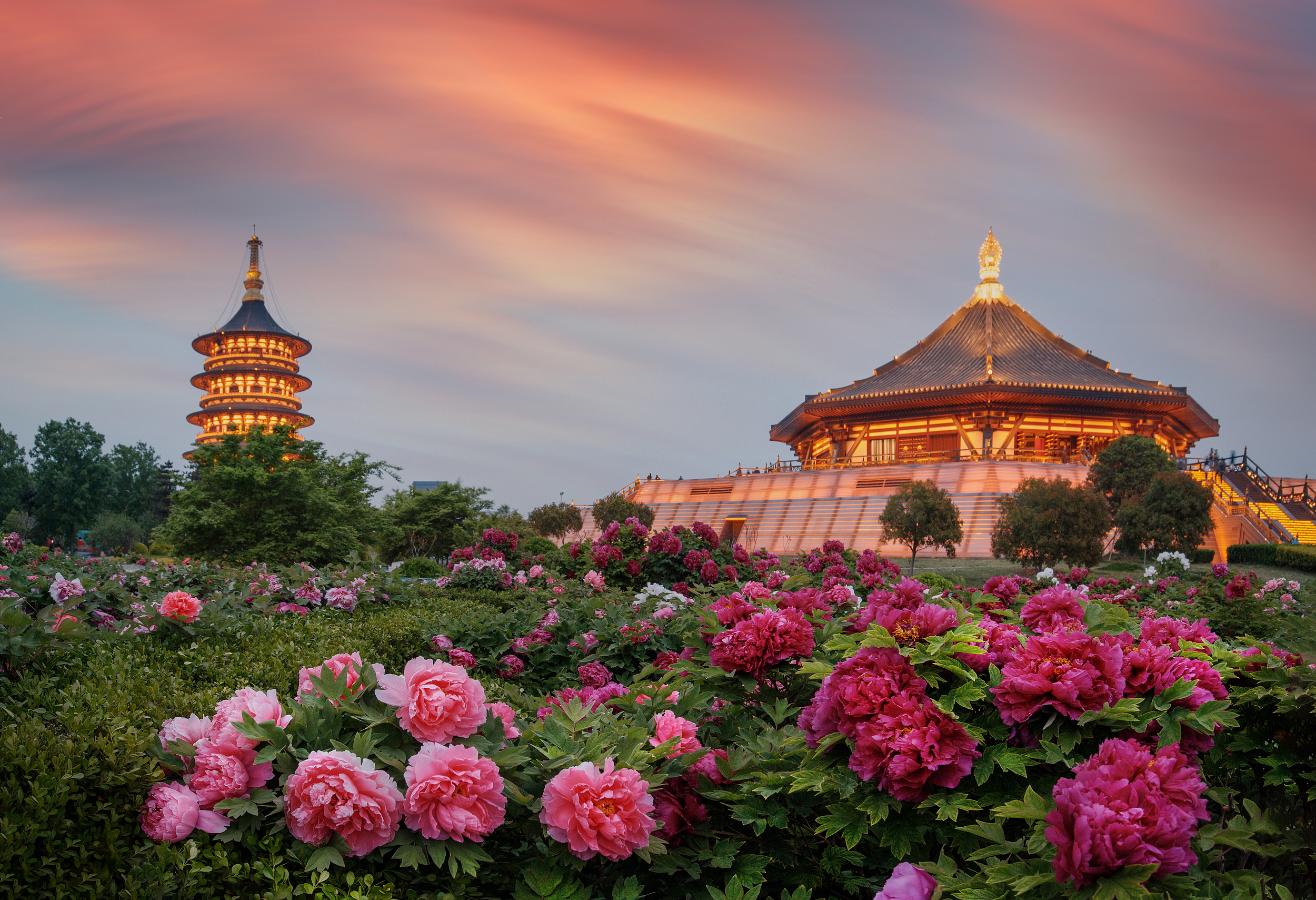
2026 Luoyang Travel Guide: must-see attractions, popular food, hotels, transport & travel experiences (updated in March)
3302 posts
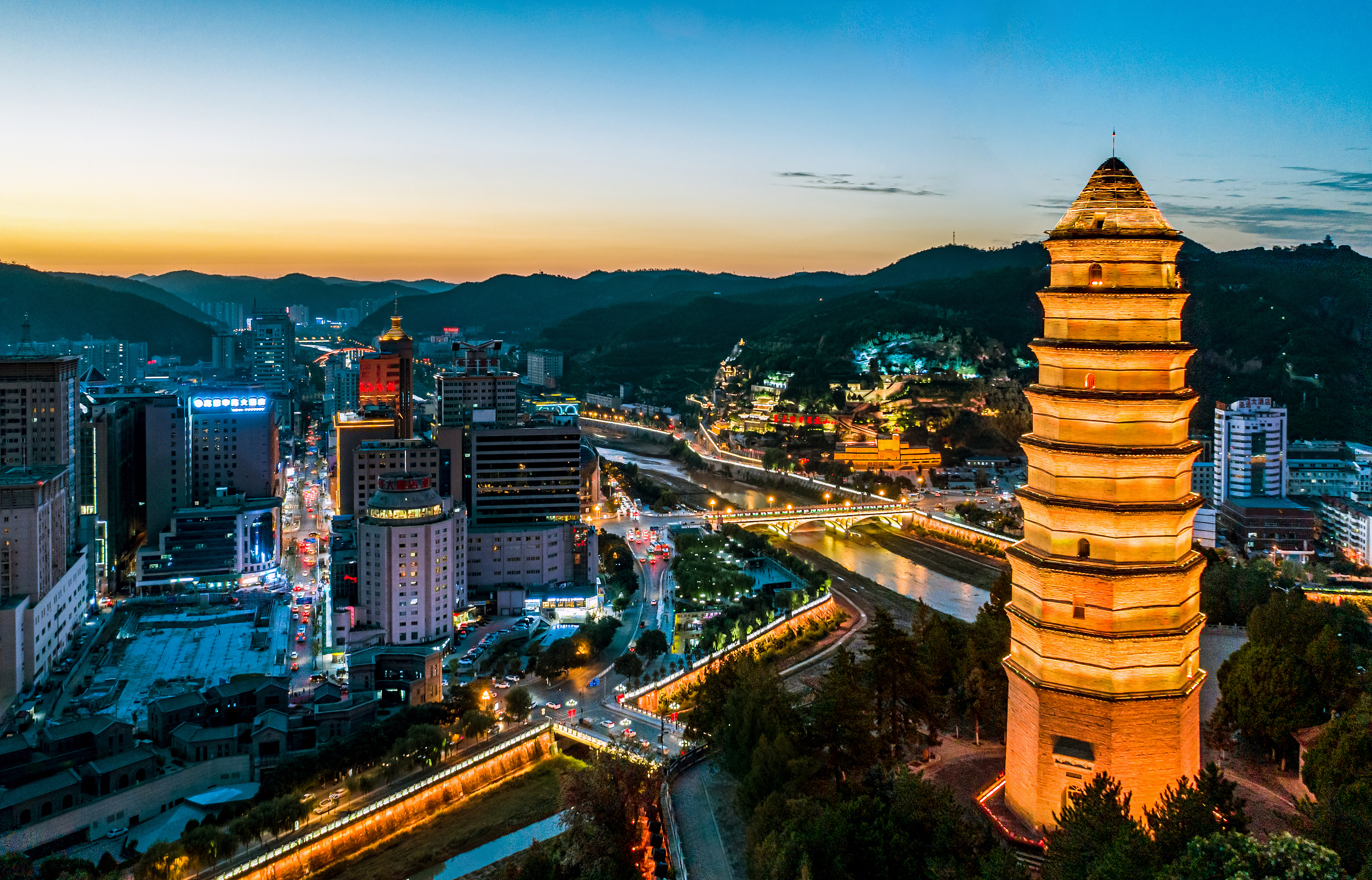
2026 Yan'an Travel Guide: must-see attractions, popular food, hotels, transport & travel experiences (updated in March)
277 posts

2026 Yuncheng Travel Guide: must-see attractions, popular food, hotels, transport & travel experiences (updated in March)
261 posts
- 1
- 2
- 3
- 4
- 8
Post
More recommendations
Popular Trip Moments
Sanmenxia's hidden gem hotel, come check it out! | Sanmenxia Travel Guide | Sanmenxia 2-Day Tour|Nanny-Level Itinerary with No Pitfalls | Sanmenxia 3-7 Day Nanny-Level Guide|Swans + Ancient Villages + Full Yellow River Panorama Without Detours | Sanmenxia, the Pearl of the Yellow River: Winter Swans, Summer Canyon Tours, Immersive Pit-Dwelling Experience | Shanzhou Earth Pit Courtyards: A Millennium Wonder Deep in the Loess and Royal Legends | Touching the fireworks of 7,000 years ago in Yangshao. | Shanzhou Earth Pit Courtyard Spring Festival Lantern Fair | Returned from Sanmenxia, a local recommended itinerary. | Sanmenxia Swan Lake Winter Guide|The Yellow River Rendezvous with Siberia’s “White-clad Spirits” | The millennium-old Shehuo festival is in full swing! Henan is calling you to return home immediately | I had a fantastic six-day trip in Luoyang and happily chose this hotel | Swan City | Sanmenxia Swan-Chasing Guide: Full Reveal of the Swan Lake Loop Experience! Winter-Exclusive Swan-Chasing Strategy | Sanmenxia locals have their own version of Erhai Lake | Sanmenxia Swan Lake Wetland Park Winter Guide|A Swan Date by the Yellow River | Where to go for winter break in Sanmenxia - Yuncheng is absolutely amazing! | Winter Love Song of the White Swan –– Swan Lake, Sanmenxia | The Hangu Pass Spring Festival Grand Temple Fair is coming | Shanzhou Ditch Courtyard in Henan|Explore the Wonder of the Underground Siheyuan | Xiazhou Underground Courtyard: A Journey into the Subterranean Yard | Plum Blossoms Bloom Early at Hangu Pass, January is the Perfect Time to Enjoy Them | Sanmenxia's Best Value Hotels, Highly Recommended | Within 1 hour around Luoyang! A hidden gem for unique photos in the birthplace of Yangshao Culture | Sanmenxia's Unique Winter Scenery | Departing from Xi'an, Visit Swan in Sanmenxia | Thousands of swans have arrived in Sanmenxia | Ultimate Romance by Swan Lake in Winter Sonata | Not just swans in Sanmenxia | Also cruises + feeding black-headed gulls + sunset
Recommended attractions at popular destinations
Popular Attractions in Bangkok | Popular Attractions in Manila | Popular Attractions in Tokyo | Popular Attractions in Taipei | Popular Attractions in Hong Kong | Popular Attractions in Seoul | Popular Attractions in Kuala Lumpur | Popular Attractions in Los Angeles | Popular Attractions in Shanghai | Popular Attractions in New York | Popular Attractions in Shenzhen | Popular Attractions in Osaka | Popular Attractions in Singapore | Popular Attractions in London | Popular Attractions in Guangzhou | Popular Attractions in San Francisco | Popular Attractions in Beijing | Popular Attractions in Macau | Popular Attractions in Bali | Popular Attractions in Jakarta | Popular Attractions in Paris | Popular Attractions in Ho Chi Minh City | Popular Attractions in Istanbul | Popular Attractions in Phuket | Popular Attractions in Chicago | Popular Attractions in Seattle | Popular Attractions in Toronto | Popular Attractions in Orlando | Popular Attractions in Cebu | Popular Attractions in Chiang Mai
Popular Restaurants in Sanmenxia
海底捞火锅(梦之城店) | 德克士(渑池鸿泰店) | 阿香米线(万达广场店) | 天鹅湖国际大酒店·自助餐厅 | 北京前门铜火锅·涮羊肉 | CHU LAO GUAI | 正新鸡排·炸鸡烧烤(翔顺店) | 茶话弄(三门峡梦之城店) | DQ | 韩四娃鸡汁米线烧饼夹肉(步行街店) | 天鹅城国际酒店老码头火锅 | 乾丰信阳菜馆(渑池旗舰店) | 御膳烩面馆(嘉亿广场店) | 青春羊肉汤探索店(商务区博丰明钻店) | 九孔桥夜市 | 米村拌饭(三门峡万达店) | Shengkebaohuanle Restaurant (shanyuan) | 阳光饭店(靖华东路店) | 瓦舍茶馆(三门峡店) | Guozhou Lamb Restaurant | 珍味坊·葱烧海参(崤山路店) | 奥利奥炒虾尾 | 如意羊肉馆(建设粮油商贸市场店) | 大众牛肉汤(茅津南路店) | LA JIAO CHAO ROU | KANG YI WAN | 二胖擀面皮(世纪大道店) | Zhenweifang (huanghelu) | 安顺号羊肉作坊 | 客香来(上阳店)
Popular Ranked Lists
Top 50 Must-Visit Restaurants in Nanning | Top 50 Must-Visit Restaurants in Nan'ao | Popular Luxury Hotels in Tengchong | Popular Premium Hotels in Basu | Popular Premium Hotels in Weiyuan | Top 50 Must-Visit Restaurants in Toronto | Popular Premium Hotels in Meishan | Popular Premium Hotels in Dongfang | Popular Luxury Hotels in Yulong | Popular Best Things to Do in Sihanoukville | Popular Best Things to Do in North District | Popular Premium Hotels in Zunhua | Popular Luxury Hotels in Nanjo | Popular Best Things to Do in Fort Worth | Top 50 Must-Visit Restaurants in Budapest | Popular Premium Hotels in Mangshi | Top 50 Must-Visit Restaurants in Nanchang | Top 50 Must-Visit Restaurants in Perth | Top 50 Must-Visit Restaurants in Zhangzhou | Popular Premium Hotels in Chengmai | Popular Best Things to Do in Hamilton County | Popular Best Things to Do in Pennington County | Popular Luxury Hotels in Yiliang | Popular Best Things to Do in Tel Aviv District | Top 50 Must-Visit Restaurants in Cebu | Top 50 Must-Visit Restaurants in Chiang Mai | Top 10 Best Things to Do in Niagara Falls | Top 50 Must-Visit Restaurants in Christchurch | Top 50 Must-Visit Restaurants in Tokyo | Top 20 Must-Visit Restaurants in Zibo
About
Payment methods
Our partners
Copyright © 2025 Trip.com Travel Singapore Pte. Ltd. All rights reserved
Site Operator: Trip.com Travel Singapore Pte. Ltd.
Site Operator: Trip.com Travel Singapore Pte. Ltd.