Things to do in Guiyang
Explore top experiences
Top 10 attractions in Guiyang


Traveler favorites curated for you


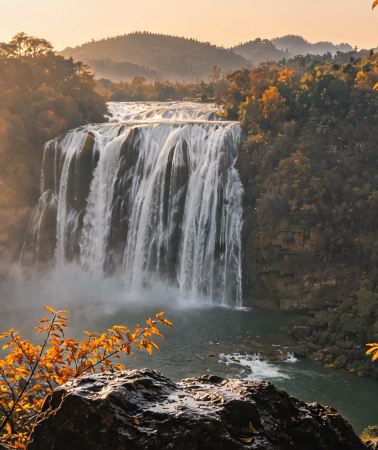
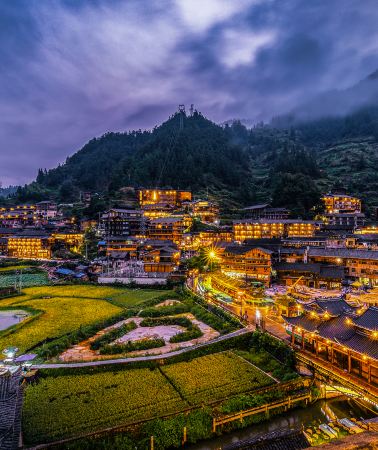
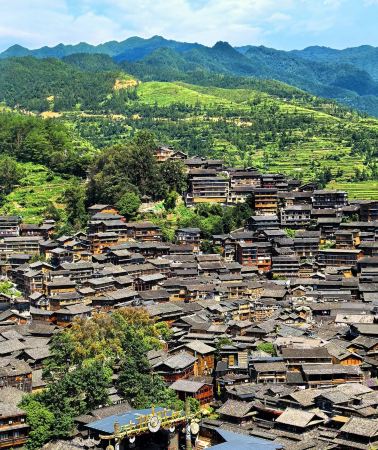
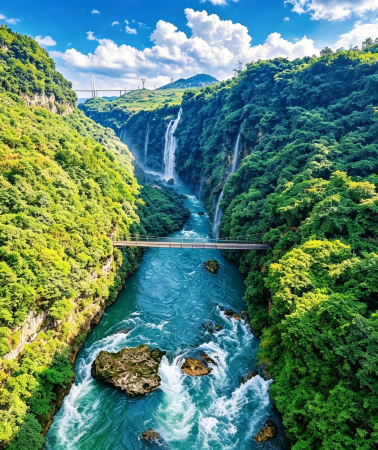
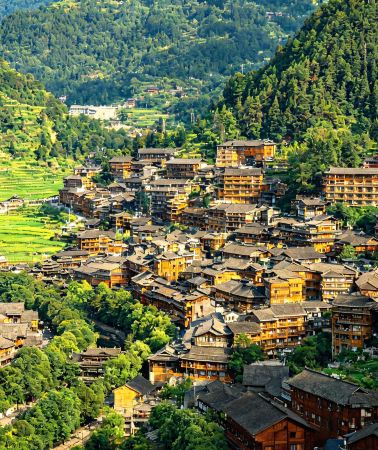
 5D4N • China + Guiyang + Huangguoshu Waterfall + Xijiang Qianhu Miao Village + Libo + Tianyan Scenic Area
No group sharing, flexible schedule, door-to-door service for your comfort and privacy. | Explore amazing karst landscapes, waterfalls and experience authentic Miao & Dong traditions. | A worry-free journey focused purely on sightseeing.Savings GBP 44
From GBP 453GBP 496

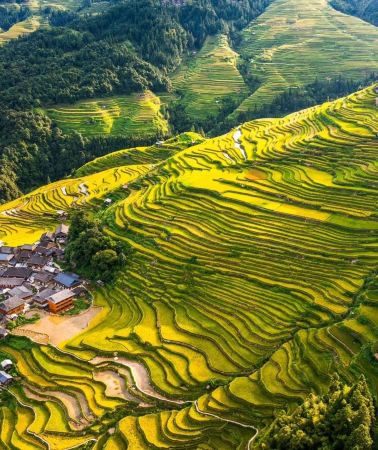
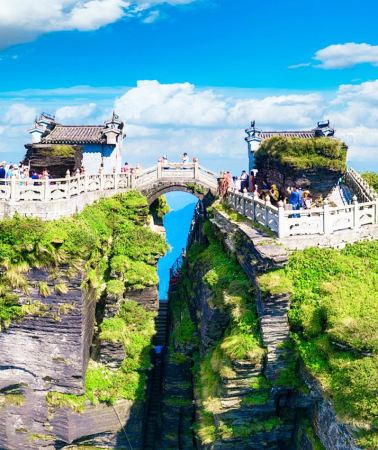
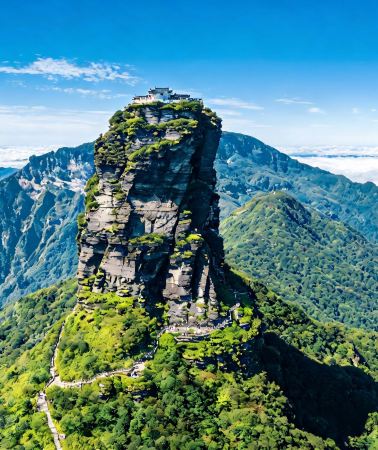
 6D5N • Guizhou Guiyang + Libo + Xijiang Qianhu Miao Village + Zhenyuan + Huangguoshu Waterfall + Fanjing Mountain
Explore each attraction with an excellent full-time, award-winning guide. Enjoy five special meals, including a traditional long-table banquet in Xijiang Qianhu Miao Village. | You will stay in local 4-star hotels and spend one night at a local-style inn in Xijiang Qianhu Miao Village, and take a 2 + 1 business-class coach for a more comfortable journey. | This package includes a complimentary aerial photography experience and a three-piece travel set with a U-shaped pillow, eye mask, and earplugs.From GBP 280
Experiences you can't miss in Guiyang
Featured Day tours in Guiyang
View all Day tours
Free cancellation
Instant confirmation
From£38.82
5.0/5
· 2 reviewsFree cancellation
Instant confirmation
From£53.10
Free cancellation
Instant confirmation
Book now for tomorrow
From£50.32

5.0/5
· 1 reviewFree cancellation
Instant confirmation
From£58.16

Free cancellation
Instant confirmation
Book now for tomorrow
9% off
Limited-time sale
From£66.89£74.32
4.0/5
· 1 reviewFree cancellation
Instant confirmation
Book now for tomorrow
From£32.88

4.0/5
· 1 reviewFree cancellation
Instant confirmation
From£37.93

5.0/5
· 1 reviewFree cancellation
Instant confirmation
Book now for tomorrow
From£46.78
Featured Outdoor & sports in Guiyang
View all Outdoor & sports
Free cancellation
Instant confirmation
Book now for tomorrow
From£75.86
Free cancellation
Instant confirmation
Book now for tomorrow
From£50.32
From£239.96

From£86.35
From£189.01
Free cancellation
Instant confirmation
From£41.60
Featured Culture & history in Guiyang
View all Culture & history
Free cancellation
Instant confirmation
From£63.09

From£222.14
Free cancellation
Instant confirmation
Book now for tomorrow
From£35.40
Free cancellation
Instant confirmation
From£30.85
More things to do
Private Tours in Guiyang
View More Private Tours in Guiyang


Group Tours in Guiyang
View More Group Tours in Guiyang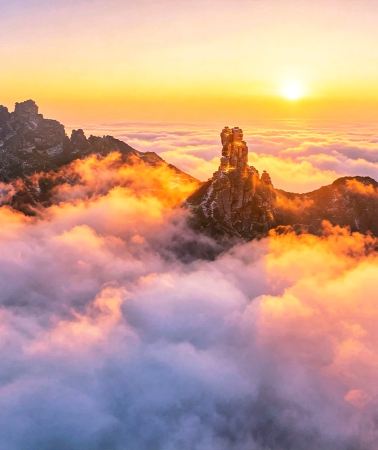
Guiyang Today's weatherOvercast 11-15℃
Guiyang weather for the next 2 days11/6: 12-16℃, 11/7: 13-18℃
Free things to do in Guiyang


What travelers say about Guiyang

li李❤️9 March 2026
5.0
I had a very comfortable time here. The service was gentle, the environment was soothing, and it lifted my spirits. My baby loved it, and the photos of the fish turned out great. Very satisfied! 👍 The performance was also very beautiful.
Guizhou Polar Ocean World

东边有河7 September 2026
4.0
Very fun! Highly recommended.
The arrangements were good. A safety briefing was given before the activities began, and hot showers followed – the water pressure was great and comfortable!
Some details could be improved, such as the lockers. Is it too much trouble to collect and refund the deposit?
Also, the 30 yuan for the "Liberation Shoes" (a type of traditional Chinese shoe) is better included in the total cost; charging 30 yuan on-site is inconvenient.
The shower facilities were excellent, and the staff were very friendly!
Qingzhen Shilong Cave

铁甲小宝爱旅游23 March 2025
4.0
Colorful Guizhou City is so interesting! It has all kinds of Guizhou characteristics, like a miniature of Guizhou. The buildings are very distinctive, and there are a lot of snacks, which are very satisfying. There are also performances, which are quite interesting. I feel like I have visited all of Guizhou in one trip here, which is really good! I recommend everyone to come and have fun!
Colorful Guizhou City
139***1523 July 2026
5.0
All the instructors were very responsible. The trails were quite difficult and prone to falls, and the local instructors helped each of us across. Thank you for your hard work! A special thank you to the instructors from the north for taking such good care of us throughout the trip. It was a very enjoyable journey.
Huanglong Cave

LHCY31 October 2020
5.0
The fountain is a landmark building in the center of Guiyang. It was originally named "Bronze Statue Platform". After liberation, the bronze statue was demolished and the fountain was built. Later, it was demolished due to traffic needs, and a small fountain was built at each intersection. There was originally a building in the center of Guiyang, which was called "Fountain" by the locals. The "Fountain" was originally named "Bronze Statue Platform". It is located about 15 meters away from the Beimen Bridge in Guiyang. It was named because a bronze statue of Zhou Xicheng was cast there. The construction began in about 1933 and took two and a half years to complete in the summer of 1935. The Bronze Statue Platform covers an area of about 15 square meters and is divided into two layers, the outer layer is slightly octagonal and square, and is surrounded by white cotton stone with fine carvings and flowers. It is about 1.2 meters high, and there are doorways on all sides to enter. The second-floor fence is slightly lower, and the platform is paved with square stone slabs, and there are exotic flowers and trees for visitors to enjoy. Today, the fountain is a famous business district in Guiyang. It is also one of the earliest business districts in Guiyang. The entire business district is centered on the fountain, and the prosperous commercial streets of Guiyang such as Zhonghua Road and Yan'an Road are the axis, gradually radiating to the surrounding areas. At present, there are four commercial projects in the business district that have been in operation for many years, namely, Guomao Plaza, Nanguo Huajin, Zhicheng Famous Store and Longgang Parkson.
Penshuichi

Fighter196427 August 2025
5.0
Covering 5,000 mu (approximately 1,000 acres), it's six times the size of Huaxi Park and is ideal for hiking, boating, picnics, and wilderness survival training. The area around Nanzhumen, with its large mountains and dense forests, needs to improve bridge guardrail repairs and establish a leisure station.
Guanshanhu Park

zanbusier2 October 2026
5.0
The zoo experience exceeded our expectations; the three of us had a wonderful time. The attractions were larger and more varied than we imagined, and most importantly, there were many opportunities to interact with and feed the animals. Feeding the tigers and lions from inside the vehicle was absolutely amazing!
Guizhou Wildlife Park

最美不过蓝天2 June 2025
4.0
Guiyang Huaxi Park is located in Huaxi District, Guiyang City. The park was built in the Qing Dynasty by a scholar. It is a large wetland park with a good ecological environment. It is suitable for children to visit.
Huaxi Park

Colone16 February 2026
4.0
Originally built in 1596 (the 24th year of the Wanli reign of the Ming Dynasty), it underwent several renovations during the Qing Dynasty and reached its final form in 1806 (the 5th year of the Jiaqing reign). It is one of the few remaining pavilions among the "Nine Gates and Four Pavilions" and is listed as a national key cultural relic protection unit along with Jiaxiu Tower. Located on the eastern gate of the old city, it is free to visit (the pavilions are closed on Mondays, but the outer perimeter can be explored). The main structure is a three-story, three-eaved, unequal-sided, nine-cornered pyramidal roof. The ground floor is square, while the second and third floors are nine-cornered. It features 81 beams and 54 columns, all multiples of 9, a unique design in China.
🌟Highlights & Must-See Spots
1. Architectural Uniqueness: The nine-cornered, unequal-sided pyramidal roof is extremely rare in ancient Chinese architecture; pure mortise and tenon structure, strong earthquake resistance; gray-blue barrel tiles, simple and elegant painted decorations, simple and dignified; from the top, one can overlook the streets and alleys of Guiyang's old city, creating stunning photos of both the old and new cityscapes.
2. Cultural Landmark: Dedicated to Wenchang Dijun, Kui Xing, and Wu'an Wang, it was a place where scholars from Guizhou during the Ming and Qing dynasties prayed for success in their studies; it preserves Qing dynasty inscriptions and records of renovations, witnessing the inheritance of Guiyang's literary tradition.
3. Convenient Location: Accessible by walking/bus from the city center, ideal for a half-day trip combined with Jiaxiu Tower and the Nanming River; free admission, perfect for quiet historical exploration and architectural sketching.
4. Comfortable Atmosphere: The courtyard is tranquil, with fewer tourists than Jiaxiu Tower, making it less crowded for taking photos; nearby are traditional Guiyang snacks, allowing you to sample local flavors after your visit.
⚠️Shortcomings & Pitfalls
1. Closure Restrictions: The main building is closed on Mondays; limited internal exhibits, no fixed free guided tours, and occasional unlicensed guides with inconsistent pricing.
2. Parking Difficulties: Narrow streets and scarce parking spaces in the old city; prioritize public transportation (bus/subway) to avoid driving in circles. 3. Physical Fitness Required: The stone steps leading to the pavilion are steep; the elderly and children should proceed slowly. The path is slippery on rainy days; avoid wearing leather shoes or high heels.
4. Surrounding Noise: Located next to a main road, there may be traffic noise at certain times, affecting the tranquil experience.
✅Suitable Groups & Travel Suggestions
- Recommended: Architecture/cultural relic enthusiasts, photographers, families seeking cultural exploration, and those strolling through the old town;
- Not Recommended: Those with mobility issues, those seeking large-scale amusement rides.
- Time: Enter the park after 9:00 AM on weekdays, with a 1-hour visit; climb to the top in the evening to photograph the sunset; the light and shadow effects in the old town are excellent.
- Transportation: Take the subway to Zhongshan West Road/Fountain Pool Station, then transfer to a bus or cycle; if driving, park in the surrounding shopping mall parking lot and walk;
- Etiquette: Refrain from making noise, do not touch cultural relics, and do not use flash photography.
Wenchang Pavilion
Trip Moments in Guiyang