Kuqa

Things to do in Kuqa

Search attractions or local attractions & tours
Search

Explore top experiences

Top 10 attractions in Kuqa
View all Attractions
Tianshan Mysterious Grand Canyon
No. 8 of Best Things to Do in Xinjiang

Tianshan Mysterious Grand Canyon

7.3
4.6/5
2.5k reviews

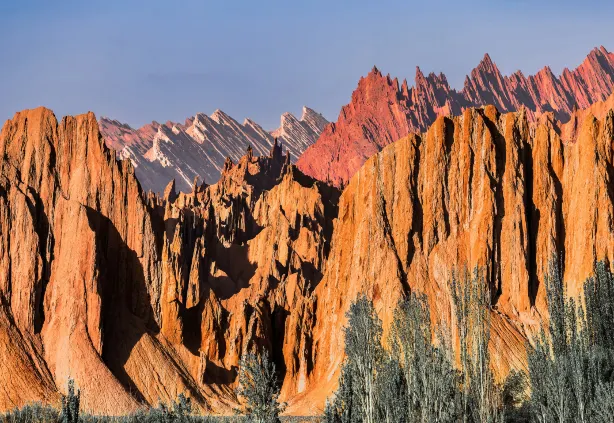
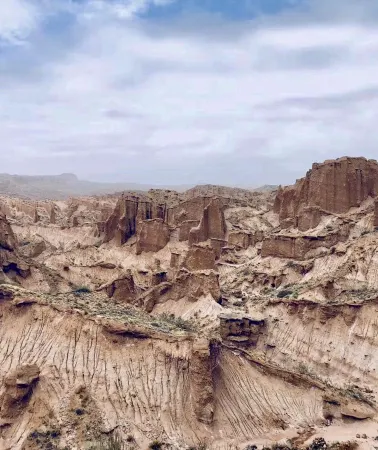
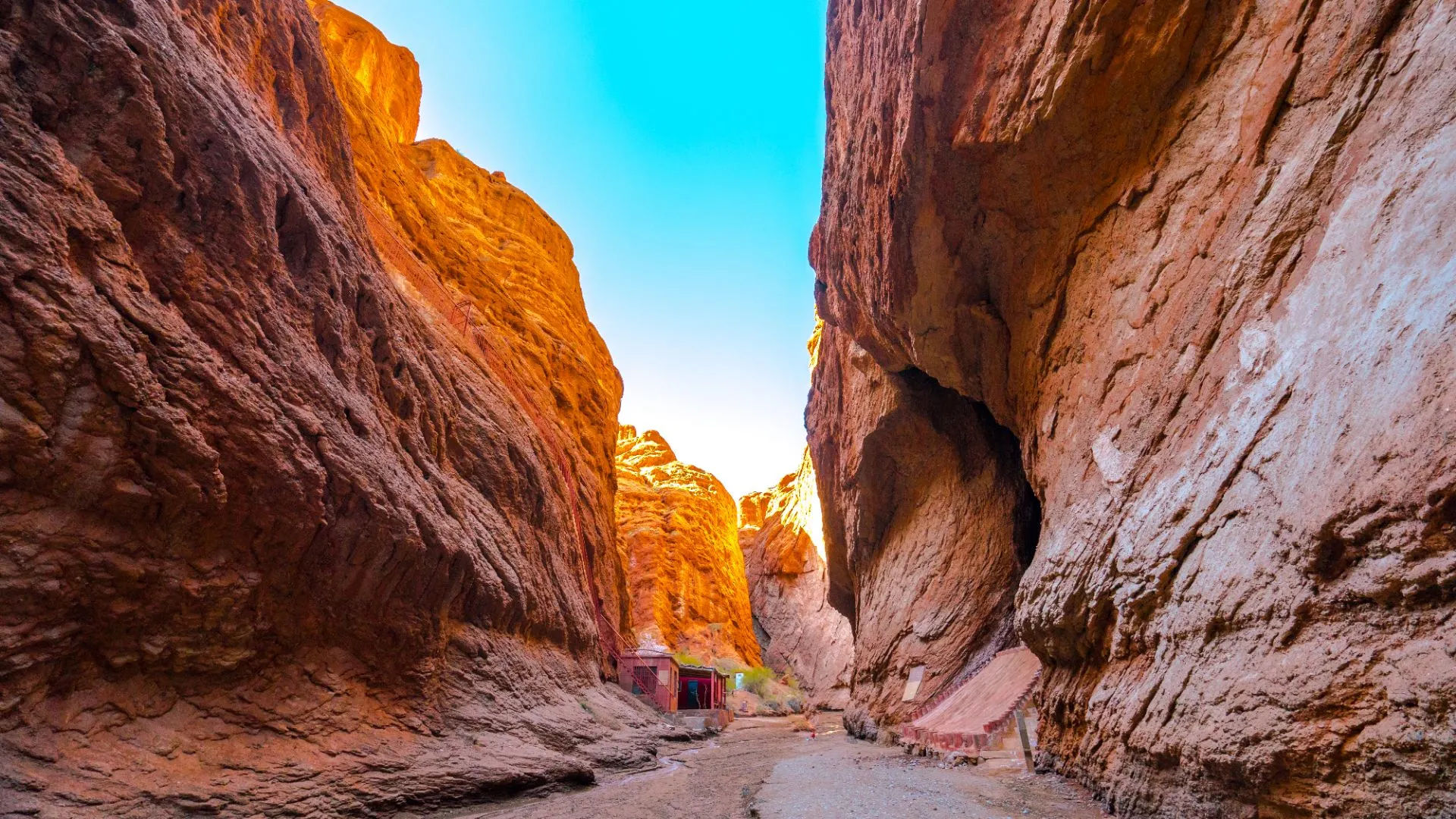
Tianshan Mysterious Grand Canyon is also calledTianshan Mysterious Grand Canyon, located in northern Kuqa, Aksu Prefecture, Xinjiang. "Kizilia" means "red cliffs" in Uyghur, as the grand canyon is composed of massive red-brown mountain formations. The red-brown peaks of Tianshan Mysterious Grand Canyon soar into the sky, appearing like clusters of burning flames under sunlight. Entering the canyon and walking among the reddish-brown mountains feels like stepping into a tranquil, cool world. The canyon mouth is quite open, but as you venture deeper, the path winds through peaks, alternating between wide and narrow sections—some spots are barely wide enough for one person to pass sideways. The canyon floor is relatively flat, allowing for leisurely strolls most of the time, flanked by towering rock walls. Looking up, against the backdrop of the blue sky, countless bizarre peaks and rocks take on myriad forms: the divine dog guarding the valley, the swirling ancient castle, the apparition cave, the jade maiden spring, and views like the Tianshan Mysterious Grand Canyon's resting camel peak—each vividly lifelike. Hidden in the canyon, the Tianshan Mysterious Grand Canyon-Ai Grotto is less than 2 km from the valley entrance, perched high on a sheer cliff. Research indicates the grotto was built during the mid-Tang dynasty. The small cave measures less than 5 m in depth and approx. one person's height, with an arched ceiling. Fragments of murals remain on three walls, unusually featuring Chinese characters—a stark contrast to hundreds of other grottoes in ancient Western Regions, clearly showcasing traces of Han culture.

Kuqa · 45.8 km from downtown
Kuqa Prince's Mansion
No. 3 of Best Things to Do in Aksu Prefecture

Kuqa Prince's Mansion

6.9
4.1/5
1.9k reviews

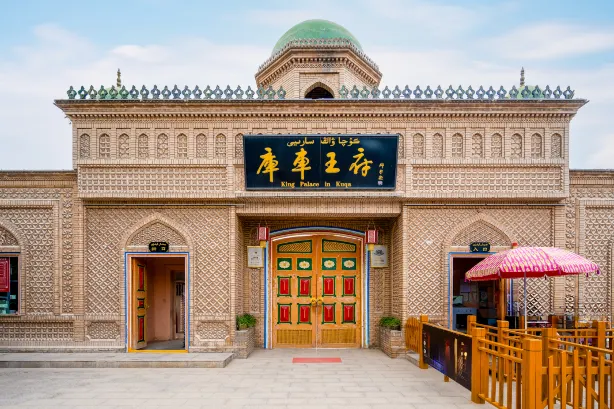
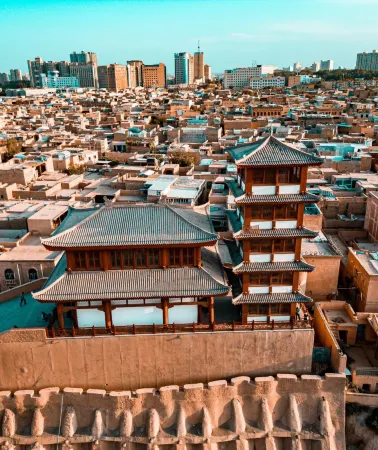
King Palace In Kuqa is located in the old town of Kuqa County, Aksu Prefecture, Xinjiang. It served as the residence for generations of Kuqa's local Uyghur princes since 1759. The original palace was reduced to ruins, and the current structure was meticulously reconstructed on its original site based on the memories of the last Kuqa prince, Dawut Mahsut. Covering a vast area of approximately 200–300 meters in length and width, the palace complex features multiple Uyghur-style buildings with vibrant interior designs, offering excellent photo opportunities throughout. The grounds include beautifully landscaped gardens and green spaces, creating a pleasant environment. The palace tour is divided into three main sections: the Kucha cultural exhibition area, the palace visiting area, and the ancient city wall. Visitors can explore the site on foot, with a recommended visiting time of around 2 hours. The Qiuci Culture Exhibition Area showcases the cultural customs of the ancient Qiuci Kingdom in Xinjiang's history, featuring numerous textual and pictorial descriptions, precious artifacts of Qiuci Buddhism, as well as exhibits of production tools, coins, and folk crafts from the ancient Qiuci Kingdom. The old city wall is an ancient structure within the princely residence and can be briefly viewed. The key visiting area is the princely residence section, which is displayed in its original form, including items once used by successive Kuqa kings. Wax figures recreate the daily life scenes of the princely family, allowing visitors to explore and experience the atmosphere of the Kuqa kings' lives. It's important to note that Dawut Mahsut, the last Kuqa king (also the last prince officially recognized by China's central government) who once resided in the princely residence, passed away on July 30, 2014. Visitors today can no longer meet him but can only tour the princely residence.

Kuqa · 3.4 km from downtown
Subash Buddhist Ruins
No. 7 of Best Things to Do in Aksu Prefecture

Subash Buddhist Ruins

5.6
4.7/5
239 reviews

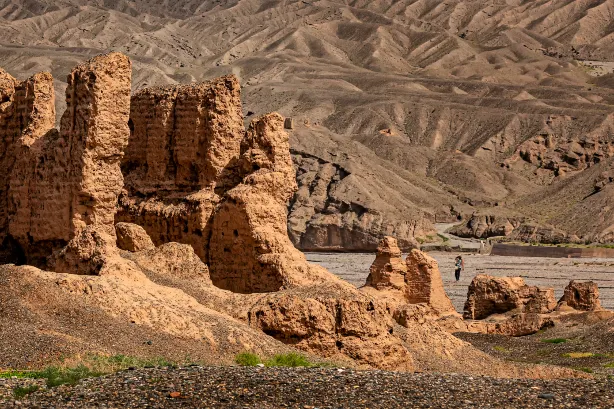
The Subash Buddhist Ruins, originally named "Subash Buddhist Temple" and also known as "Zhaohuli Grand Temple," are bisected by the roaring Kuqa River. Legend has it this river is the downstream section of the "Mother-Child River" from Journey to the West. These ancient ruins were first built during the Eastern Han Dynasty (1st century AD) and reached their zenith during the Sui and Tang Dynasties (6th–8th centuries AD). The renowned monk Xuanzang stopped here on his westward journey to India to obtain Buddhist scriptures. Seeing the temple filled with monks and bustling with incense offerings, he stayed for over two months to preach and spread Buddhist teachings. By the mid-7th century, after the Tang Dynasty's Anxi Protectorate relocated to Kucha, eminent monks from central China gathered here, with daily rituals flourishing amid morning bells and evening drums. However, the temple was burned down during warfare in the 9th century, leading to its gradual decline until its complete abandonment in the early 14th century. The East Subashi Temple faces the West Subashi Temple across the river. The East Temple has a slightly smaller architectural scale. The current ruins include a Buddhist hall with niches remaining on its damaged walls, and a pagoda standing outside the hall. The pagoda's base is square, with a three-tiered structure and a cylindrical upper section, now standing at a remaining height of approx. 8m. Surrounding the area are monastic quarters, meditation rooms, and other Buddhist architectural complexes.

Kuqa · 17.5 km from downtown
Old City of Kuche
No. 1 of Night Attractions in Aksu Prefecture

Old City of Kuche

5
4.7/5
41 reviews

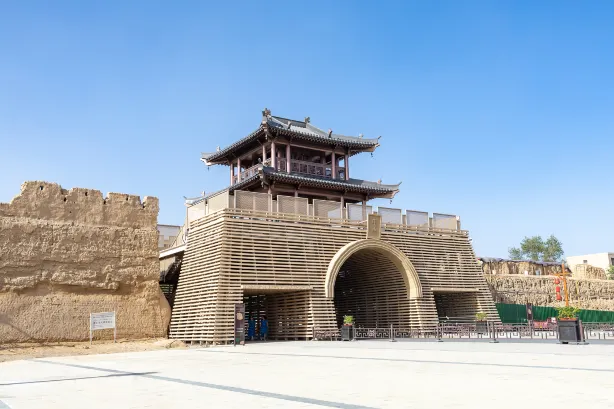
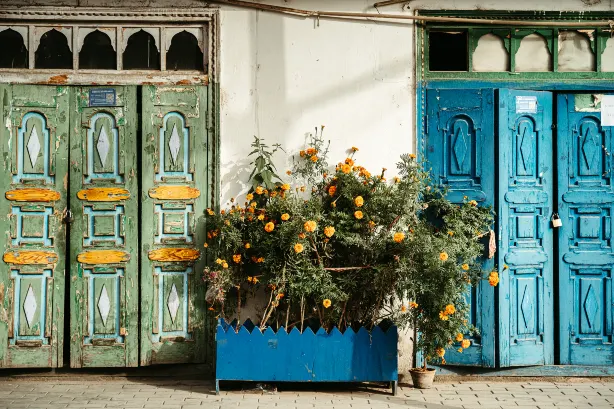
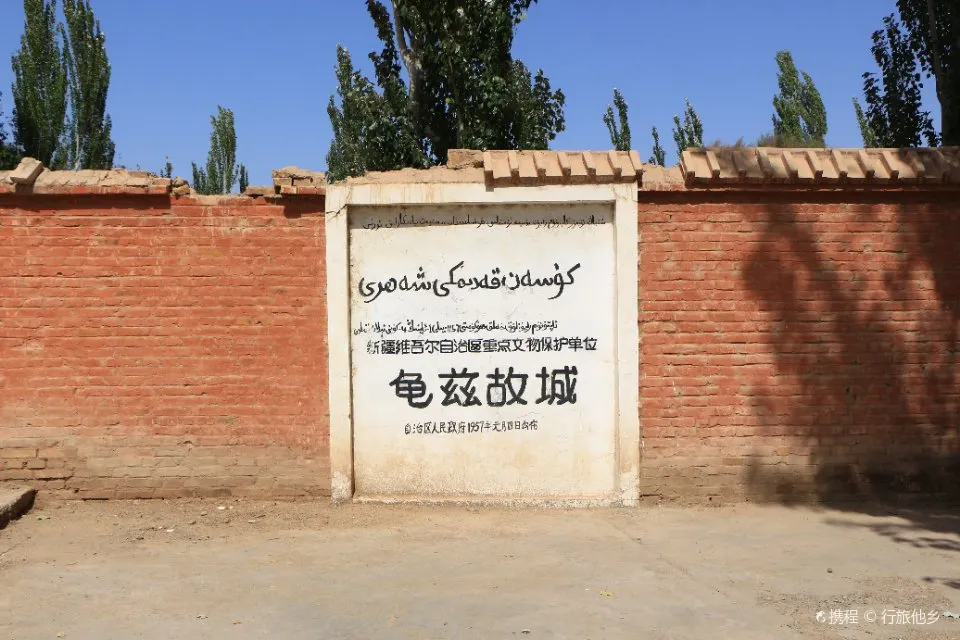
Old City of Kuche is the core remnant of the ancient Qiuci Kingdom capital and an important hub on the ancient Silk Road. The old city layers the historical strata of the Han and Tang dynasty Qiuci Ancient City with the old city of the Ming and Qing dynasties, and still retains city walls and ruins from multiple periods. The streets and alleys crisscross, lined with a large number of preserved earthen dwellings. The walls are rammed with loess mixed with wheat straw, and the flat roofs are used for drying grain and cooling off; the wooden doors are carved with scrolling lotus and geometric patterns, and the copper rings are often shaped like ram horns or the sun, full of rich Western Regions flair. Strolling through the old city, the Resitan Historical and Cultural District is the liveliest place to visit. Along the street, you can see old shops making naan, pottery, and mulberry paper, where traditional crafts remain vibrant to this day. The brick-carved archway of the Kuche Temple is also located on this street. Qiuci Alley, Qingcheng Alley, Jigu Alley, and Menbazha are distinctive alleys, each with its own theme. Inside the alleys, ethnic costumes, floral hats, and other decorations complement old-fashioned ornaments, making every spot a great place for photos. After nightfall, folk song and dance performances are often staged in the alleys, allowing visitors to immerse themselves in the unique charm of the thousand-year-old Qiuci culture. The ancient buildings in the old city blend architectural elements from the Central Plains, the Western Regions, and even further afield, reflecting the diverse cultural convergence of this ancient Silk Road city.

Kuqa · 2.9 km from downtown
Free attraction
Qiuci Museum

Qiuci Museum

4.7
4.1/5
36 reviews

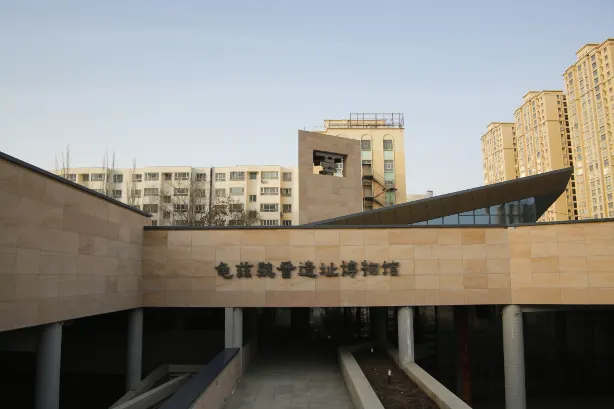
Qiuci Museum is located in Kuqa, Xinjiang. It officially opened in May 2025 and is a comprehensive museum centered on Qiuci culture. The main building has three floors, a floor area of approx. 16,000 square meters, and a collection of over 2,000 artifacts (sets). Kuqa, historically known as Qiuci, was the capital of the ancient Qiuci Kingdom, the seat of the Tang Dynasty's Protectorate General to Pacify the West, and a hub on the northern route of the Silk Road. If you want to systematically understand this history, this is a great starting point. The museum's core highlight is the historical and cultural exhibition themed "Buddhist Kingdom on the Silk Road: Millennium of Qiuci," featuring Kucha Music and Dance. Using digital means such as holographic projection and 3D restoration, the flying apsaras of the Kizil Caves, the scriptures of the Subashi Buddhist Temple, and Kucha Music and Dance are vividly recreated; in the display cases, Han Dynasty bamboo slips, tax records on Uyghur wooden tablets, fragments of Tocharian Buddhist scriptures and the Analects, and Persian silver coins placed alongside Kaiyuan Tongbao coins make the convergence of Gandharan, Persian, and Central Plains civilizations in Qiuci intuitive and tangible. The Kucha Music and Dance Buddhist Hall presents the artistic achievements of Qiuci as a Buddhist center through grotto mural restorations and Buddha statue displays; the Ancient Coin Hall, Ethnic and Folk Customs Hall, and other galleries supplement the narrative from economic and folk perspectives. The ancient mummy known as the "Qiuci Beauty" attracts much attention from visitors. Its appearance matches the customs of Qiuci recorded in Xuanzang's "Great Tang Records on the Western Regions," and the burial specifications are quite elaborate. It is recommended to set aside two to three hours to explore at a leisurely pace; the adjacent Qiuci Wei and Jin Ancient Tomb Site Museum preserves underground brick-chamber tombs from the Jin and Sixteen Kingdoms period; if you have enough time, you can visit it as well.

Kuqa · 516m from downtown

More things to do

Private Tours in Kuqa

View More Private Tours in Kuqa

Kuqa Today's weatherOvercast -2-10℃
Kuqa weather for the next 2 days11/30: -2-7℃, 12/1: -3-6℃

Free things to do in Kuqa
What travelers say about Kuqa

user-avatar
gary liu12 November 2026
5.0
We drove from the Kizil Scenic Area to the Mysterious Grand Canyon, and perhaps we were a bit tired of the same attractions. The Mysterious Grand Canyon seems very famous, but the actual scenery is similar to the Kizil Scenic Area. However, it's not as fun as the former. I felt the service was mediocre. What struck us most was that the sandy bottom of the canyon was very flat, and some streams were untreated. Although the water was shallow, our shoes sometimes got wet. The scenic area should treat these springs and streams to prevent them from overflowing onto the roads. Overall, it felt somewhat overrated.

Tianshan Mysterious Grand Canyon
user-avatar
我是金宝宝6 November 2026
4.0
Our first stop in Kuqa: the Kuqa Royal Palace, a place that seems to open a heavy page in the modern history of southern Xinjiang. Built during the reign of Emperor Qianlong of the Qing Dynasty, this residence was once the power center for the Qing court's conferment of the hereditary title of "Kuqa King," governing the vast oasis on the northern edge of the Tarim Basin. Vermilion pillars uphold its majesty, and intricate brick carvings silently tell the story of the rise and fall of twelve generations of princes. The most captivating place is the former residence of the last prince, Dawuti Mahesuti—a legendary figure who, from the last hereditary prince to a staunch patriot, lived through a period of dramatic change. Here, we had our first close encounter with the murals of the Kizil Grottoes.

Kuqa Prince's Mansion

user-avatar
Anonymous user28 October 2026
5.0
This is a highly recommended attraction, but the experience is significantly diminished without a car. The scenic area is vast; even with a car, the journey takes about three hours, including a short rest at the cliffside café (less than an hour). It's senior-friendly; you won't need to walk much if you don't visit the cliffside café. The entire area is by car. The roads are excellent, and all types of vehicles can pass. Visiting in the morning is ideal; there's no need to wait for the afternoon sun. The canyon doesn't feel deep, but rather expansive. A visit to the adjacent Tianshan Mysterious Grand Canyon in the afternoon would be perfect.

Kizilya Scenic Spot

user-avatar
密码20139 November 2026
5.0
I asked myself, why do I have such a strong affinity for the Subashi Buddhist Temple ruins? The answer is that it preserves the quietest and longest period of time in Kucha. There are no newly renovated decorations, no bustling shops, only the rammed earth ruins, lying quietly on both banks of the Kuqa River. The wind, blowing through the collapsed niches, sounds like the lingering echoes of monks chanting a thousand years ago, slowly spreading across the Gobi Desert. The remaining traces of murals and the base of the pagoda don't try to please visitors; they simply and frankly reveal the marks of time. This is where Xuanzang stopped to preach on his journey to the west; a single record from the Tang Dynasty imbues this barren land with a weighty story.

Subash Buddhist Ruins

user-avatar
M14***4912 October 2026
4.0
Unless you're a professional or an enthusiast, there's no need to make a special trip here, and the price isn't great. However, it was very quiet during the National Day holiday, and the walk in and out took no more than 20 minutes. It's just one floor with a few excavation sites of Wei and Jin dynasty tombs, so you can see the fusion of Kucha and Central Plains cultures. I did manage to buy some Kucha travel-themed fridge magnets here, but the ones from other places weren't particularly special.

Qiuci Wei and Jin Ancient Tomb Site Museum

user-avatar
didiann20017 June 2025
4.0
It's OK. There are performances. If I hadn't been with a tour group, I probably wouldn't have come! The main reason is that the time is not good. It's the hottest time in the afternoon. I don't want to do anything but lie down! I suggest that the scenic spot sell bags. People who come to visit will definitely buy them!

Kuqa Big Nang City

user-avatar
小豆冰果29 October 2025
5.0
The Kuqa Grand Mosque is the second largest mosque in Xinjiang after the Kashgar Id Kah Mosque. It is located at the highest point of the Heidun Bazaar in the old city of Kuqa, Aksu Prefecture, Xinjiang Uygur Autonomous Region, about 4 kilometers from the new city of Kuqa. The following is a brief introduction:

Kuche Temple

user-avatar
jyayoi26 October 2026
5.0
You can drive in; just buy a self-driving ticket at the entrance. On a sandstorm day, it has a desolate feel. Unfortunately, the visibility was poor, so you couldn't see the beacon towers standing in the valley.

Kizilgaha Beacon Tower

user-avatar
Lcrack125 March 2020
5.0
Free to walk around. The long road you pass by when you take the bus to Kuche Palace is the main street of the old city. The facades on both sides of the road are colorful and have a vicissitudes of life. They are a little older than those in Yining Old City, but the door and window decoration designs don't seem to be repeated. Each facade is unique. The alleys that lead into the residential area are all set up with security checks, so I didn't go in to see.

Old City of Kuche

user-avatar
武汉老龙4 October 2020
5.0
Visit the Qiuci Museum. After seeing all the 100,000 peaks in Qiuci, I realized that the Five Mountains are mediocre. In the future, I want to be like Xu Xiake, traveling all over the west and then east. Although the museum is not big, you can come and see it if you have time.

Qiuci Museum

Popular cities near Kuqa

Frequently asked questions

How can I contact Trip.com customer support?

Get help anytime, anywhere within 30 secondsContact customer support

Change and cancellation policies vary by attractions and tours. Please check the product details page for more information.

Ticket prices may vary between weekdays and weekends, as well as during peak and off-peak seasons. When booking with Trip.com, you can also use Trip Coins to get extra savings. For more tips on booking discounted tickets, please visit Trip.com for the latest information.