
Things to do in Zhengzhou
Explore top experiences
Top 10 attractions in Zhengzhou


Henan Museum
Located in the city of Zhengzhou, Henan Museum has a rich collection of exhibits displaying Henan's 5,000-year history and offering a window into traditional Henanese culture. The museum has eight exhibition halls that can be visited in chronological order. The collection includes several national treasures, including the lotus crane vase, cloud copper chest, Saohao vase, Jiahu bone flute, Wushu copper plate and more. Be sure to visit them all.Zhengzhou · 4.1 km from downtown

Songshan Shaolin Scenic Area
It is said that "all martial arts originate fromShaolinNot only Chinese people who grew up deeply influenced by Shaolin kung fu, but also many international friends visiting Henan will go to see Shaolin temple. It is not only a sacred place for martial arts worldwide, but also the ancestral temple of Zen Buddhism. Striking some classic martial arts poses for photos at Shaolin temple makes the swords and shadows of the martial world seem to flash before your eyes. AboutShaolin TempleTwo keywords 1. The founder of Zen Buddhism The Shaolin Temple is a sacred Buddhist site in China and the ancestral temple of Chan Buddhism. In 527 AD, the renowned Indian monk Bodhidharma (known as the founder of Zen) traveled by sea to southern China, crossed the Yangtze River northward into the Central Plains, and arrived at Shaolin. He meditated and taught dharma in the mountains behind the Shaolin Temple, first advocating the Chan teaching of "mind-to-mind transmission," thereby establishing the temple's revered status as the ancestral home of Chan Buddhism. Nowadays, many visitors come to Shaolin Temple to pray for blessings and peace. The origin of martial arts After the "Thirteen monks with staffs rescued Li Shimin" incident in the early Tang Dynasty, Shaolin Temple became renowned worldwide for its exquisite "Shaolin Kung Fu," and since thenShaolinMonks practicing martial arts has become a common tradition passed down through generations. The Shaolin Temple is the birthplace of Shaolin kung fu, andShaolinThe pai school is a martial arts sect with a wide influence, long history, and numerous boxing styles in the wulin (martial arts world). Since ancient times, it has been regarded as "the foremost martial arts sect in the world" and the supreme authority of martial arts by Chinese people. The Shaolin Temple scenic area - pagoda forest is the burial ground of Shaolin Temple's successive abbots, serene and solemn. You might even catch glimpses of the movie "Shaolin Temple" here. Travel tips What to do? How long to stay? Recommended self-guided tour activities: Half-day tour:Shaolin Temple- Pagoda forest - Chuzu nunnery - Damo cave - Songshan Shaolin scenic area -Songshan Shaolin scenic area - Shaolin temple martial arts hallPerformance The Shaolin Temple complex mainly consists of three parts: the Changzhu Yuan Pagoda Forest, the Chuzu Nunnery, and the Songshan Shaolin attraction - Damo Cave. Most visitors traveling to Shaolin Temple from Luoyang or Zhengzhou choose this route. The layout of Shaolin Temple is typical of Han Chinese Buddhist temples, featuring central axis symmetry. After entering the mountain gate, you can walk straight ahead. The temple is not large, and the visit can be completed within an hour. The Shaolin Temple scenic area - pagoda forest is located approx. 400 m west of Shaolin Temple, serving as the burial ground for the temple's eminent monks throughout history. As the Buddhist saying goes: "Saving one life is better than building a seven-story pagoda." Here, you can learn about the life stories of Shaolin Temple's eminent monks across different dynasties. The Chuzu Temple and Songshan Shaolin attraction - Damo Cave are also near the Shaolin Temple, accessible by walking. The Chuzu Temple was built by people of the Song Dynasty to commemorate Bodhidharma's wall-gazing meditation, while the Songshan Shaolin attraction - Damo Cave is the very place where Patriarch Bodhidharma meditated facing a wall for nine years. 1-day tour:Shaolin Temple-Tallinn-Sanhuangzhai In the morning, follow the half-day tour itinerary to visit Shaolin Temple first, then proceed to the Shaolin Temple attraction - Pagoda Forest. The location is approx. 5 min walking distance from the Shaolin Temple attraction - Pagoda Forest.Shaolin cablewayAfter taking the cable car to Sanhuangzhai station, it takes about 30 minutes to reach the destination on foot.Sanhuangzhai scenic areaPortal. ActivitiesSanhuangzhai scenic areaIt takes at least 3-4 hours to explore the attraction, which features many unique geological views. The Sanhuangzhai cliffside plank walk is a must-see. Walking along the cliffside path with towering cliffs on one side and a sheer drop on the other is both a physical and mental challenge. 2-day tour:Shaolin Temple- Songyang scenic area - Zhongyue scenic area Shaolin Temple andSongyang academy, Mount SongLocated in Dengfeng, visitors with ample time can purchase a combo ticket for all three sites and explore them over two days. On the first day, visitShaolin scenic areaIn the evening, watch the live performance of "Zen Shaolin Music Ceremony", and the next day, head to Songyang, which is far from downtown Dengfeng.Zhongyue scenic area. Where can I see authentic Shaolin kung fu? Nowadays, it is difficult for ordinary visitors to witness the martial arts training of Shaolin monks at Shaolin temple. However, visitors can use the Shaolin temple combo ticket to watch the Shaolin kung fu performance at the Shaolin martial arts hall in Songshan Shaolin scenic area, approx. 700 m east of Shaolin temple. Performance time: The performance time at Songshan Shaolin scenic area - Shaolin temple martial arts hall is subject to the on-site announcement. Each performance lasts 30 minutes. The cost is included in the admission ticket. Where is a good place to stay?There are some farmhouse inns and guesthouses around Shaolin Temple, but the conditions are average. If you're not in a hurry, it's not recommended to stay here. If you need to stay overnight, Dengfeng city center is a good choice, as it offers convenient access to the three major attractions of Songshan Mountain. Shaolin TempleIs vegetarian food available?Since you're visiting Shaolin Temple, don't miss the vegetarian cuisine. The vegetarian restaurant inside Shaolin Temple is called "Huanxidi" and is worth trying. Shaolin story The most stubborn holdout in history: When it comes to stubborn holdouts, they didn't just appear in modern times. As early as the Tang dynasty, the Shaolin Temple emerged as such a case. Emperor Li Yuan of Tang issued an order for its demolition but failed. When Li Shimin came to power, not only was the Shaolin Temple spared from punishment, but it also received generous rewards. Compared to today's holdouts, the Shaolin Temple can be called the most legendary stubborn holdout in history. The origin of the matter was an imperial edict issued by Li Yuan, ordering the demolition of all temples within Henan province, including the Shaolin Temple. After receiving the imperial decree, hundreds of monks at Shaolin Temple refused to comply, standing united and resolute in collective defiance. Li Yuan had no choice, as the Tang dynasty was newly established and could not afford to gain a reputation for cruelty. He tacitly allowed the temple's "retention" but revoked the 4,000 acres of temple land previously granted by the Prince of Qin. Later, when Li Shimin became emperor, he granted Shaolin Temple an additional 4,000 mu of land, permitted the temple to train monk soldiers, lift the prohibition against killing, and consume alcohol and meat. Inside the temple, there is a stele titled "Emperor Taizong of Tang's decree to the Shaolin Temple abbot," which records this historical event. You may want to see it when visiting the Shaolin Temple.Dengfeng · 11.6 km from downtown

Enjoy Animal Kingdom
Enjoy Animal Kingdom is located in Xinmi, the cultural new district of Zhengzhou, the capital of Henan province. As a key cultural and tourism project in Henan, it is an internationally acclaimed animal-themed park built by Enjoy Resort International with significant investment. The park features six themed areas, 19 large-scale amusement rides, and is expected to showcase over 200 species and more than 3,000 rare wild animals. Integrating animal viewing, science education, animal performances, amusement rides, theater shows, and 4D cinemas, it is a comprehensive animal-themed park with interactive features. Enjoy Animal Kingdom consists of six themed areas: Dream Wildlife Park, Fantasy World, Emerald Bay, Life Island, Dragon Valley, and Jiabao Town. The most notable feature is the interactive safari experience, where visitors can ride open-view amphibious safari vehicles or VIP safari vehicles to interact closely with rare wildlife, traversing mountains, jungles, and rivers for an immersive animal encounter. Additionally, Enjoy Animal Kingdom offers unique attractions such as the family-friendly dual-track racing roller coaster "Tortoise and Hare Race," Fantasy Box, and other rare domestic rides. Spectacular shows like the "Tree of Life" performance, three animal theaters, a 4D cinema, and five interactive theaters run throughout the day. With its distinctive, diverse, and high-quality full-day products, the park provides vibrant experiences for visitors, establishing itself as a new benchmark for cultural tourism in the Central Plains region. Six themed play areas to unlock six interactive animal park experiences Enjoy Animal Kingdom is dedicated to providing travelers with safe and fun interactive animal experiences. It utilizes advanced technology and equipment to create six distinct themed play areas, offering diverse interactive fun. The park is designed with Life Island at its center, with the main entrance at Jambo Town to the south. The four themed areas—Emerald Bay, Dreamy Safari, Dragon Valley, and Fantasy World—are arranged around Life Island. Jambo Town welcomes you into a colorful fantasy world. "Citizens of the animal kingdom" interact warmly with you here, where candy, toys, balloons, and cotton candy take center stage. Fairy tales begin here—follow Captain Jambo's footsteps to unlock surprises layer by layer! Jambo Town also features Zhengzhou's first "Coca-Cola themed store," offering novel experiences and the charm of this globally renowned brand. As the highlight of Enjoy Animal Kingdom's animal interactions, Dreamy Safari recreates the natural landscapes of Asia, Africa, and Latin America. Dozens of rare large wildlife species, including Siberian tigers, white tigers, white lions, South American tapirs, giraffes, and yaks, roam freely in their habitats, replicating the wild. Led by Captain Jambo, travelers board amphibious sightseeing vehicles or VIP tour buses, accompanied by guides, to explore the rugged and mysterious Predator Canyon and the vast grasslands and rivers, coming face-to-face with wild animals and experiencing the untamed beauty of nature. The white tiger diving show demonstrates their wild instincts, serving as both training and a stunning visual spectacle. The Tiger Restaurant in Dreamy Safari allows travelers to dine while admiring the majesty of the forest king, offering a unique animal-themed dining experience. Abundant animal resources and interactive displays create a magical adventure. Nestled in the southwest of Enjoy Animal Kingdom, Emerald Bay is a picturesque primitive coastal tribe. Here, you'll set sail with Captain Jambo to explore wondrous oceans and lakes. The tribe is home to adorable animals like internet-famous alpacas, capybaras, kangaroos, and vibrant macaws, scarlet ibises, hornbills, and toucans, alongside a mysterious pirate ship—more adventures await discovery! At the heart of Enjoy Animal Kingdom lies Life Island, a vibrant garden oasis. A colossal sacred tree, the "Tree of Life," rises from the island, stretching toward the sky. It connects heaven and earth, symbolizing the origin and eternity of all life. The island features beautiful gardens with flowers, fountains, and animal sculptures, alongside high-tech 4D films and captivating performances. Venture into Dragon Valley, where legends speak of five hidden magic stones guarded by dragons. This area boasts thrilling rides, making it a hub of screams and laughter for visitors. Interactive animal viewing mode: fun and educational for double the joy Enjoy Animal Kingdom features three distinctive characteristics: free-roaming wildlife populations, interactive tours via animal sightseeing vehicles, and the organic integration of animal exhibition areas with themed entertainment zones. It combines animal conservation, scientific research, tourism, sightseeing, Attractions & Tours, and popular science education into one comprehensive experience. Through extensive planting of native vegetation and landscape enrichment, the park recreates natural habitats such as jungles, grasslands, and lakes, striving to present visitors with the authentic ecology of wildlife. The park is home to a diverse array of wildlife populations, including rare predators like white lions and white tigers, as well as large African species such as African lions, spotted hyenas, and giraffes. Popular internet-famous animals like alpacas, raccoons, and long-eared rabbits are also showcased here. Large birds like scarlet ibises, flamingos, macaws, hornbills, and toucans—totaling over 200 species and more than 3,000 rare terrestrial, aquatic, and aerial animals—add to the park's abundant wildlife. To create a unique wildlife experience, Enjoy Animal Kingdom innovatively introduced an interactive sightseeing vehicle mode. Travelers can ride a magical bus through the predator zone, where beasts may run alongside the vehicle or even climb onto the roof to curiously inspect it. Through the bus's high-safety tempered glass, visitors can observe the predators' fur and claws from just a few cm away, watching their chests rise and fall with each breath, their presence almost palpable. In the herbivore zone, visitors can stretch their hands out to feed giraffes and seize the moment for a close-up photo as they lower their heads to munch on leaves. Don't miss the clever Asian elephants waving their trunks in greeting, adorable alpacas nodding in tow, or the bold leaps of white tigers! This fun-filled interactive animal tour, complemented by educational insights from on-site guides, allows visitors to learn about nature while enjoying themselves. The park also features diverse natural landscapes, such as the grasslands and jungles of Asia, Africa, and Latin America, primitive coastal tribes, and miniature Himalayan ranges, authentically recreating wild habitats for various species while offering travelers a rich and immersive experience. Exciting performances day and night, new family-friendly facilities not to be missed In addition to the dazzling array of interactive animal experiences, Enjoy Animal Kingdom also offers travelers an equally rich variety of performances. Whether you prefer theater-style shows with real-time actor interaction, high-tech spectacles with blockbuster appeal, or parade performances that bring everyone together, Enjoy Animal Kingdom can satisfy all your desires at once! The petting zoo theater gathers adorable animals and is beloved by families. The Broadway theater combines birds and amphibious animals, allowing you to meet a variety of fascinating animal friends and experience a multi-dimensional animal show spanning land, sea, and air. The brand-new family-friendly dual-track racing roller coaster, the Tortoise and the Hare roller coaster, makes a grand debut. Dual-track roller coasters have always been a popular category, with two trains starting simultaneously and crossing each other, creating a unique and unforgettable experience. The family-friendly roller coaster is a special exception among dual-track coasters, where the whole family's adventure begins. The fantasy carousel is a particularly popular attraction in the theme park. Riding the carousel, spinning and galloping on horseback, you'll enter a romantic and magical fairy-tale world. Countless spectacular shows and endless amusement facilities all come together at Enjoy Animal Kingdom. Coca-Cola club lands in Enjoy Animal Kingdom, adding more surprises to the theme park The Coca-Cola club debuts at Enjoy Animal Kingdom in Zhengzhou, Henan. It integrates functions such as a Coca-Cola pop-up store, museum, and restaurant, offering consumers a more unique, trendy, and personalized immersive interactive experience. This marks Coca-Cola's new attempt to collaborate with cultural tourism industry partners, signaling a new phase in exploring cross-industry, multi-dimensional cooperation models.Xinmi · 15.8 km from downtown

Enjoy International Resort
Enjoy international resort is a large-scale cultural tourism and vacation complex invested and constructed by the Enjoy group. Located in the southwest of Zhengzhou, it is 37 km from Zhengzhou high-speed rail station and 25 km from Zhengzhou Xinzheng international airport, with the Zhengyao expressway passing through, offering extremely convenient transportation. As a comprehensive cultural tourism project in the central plains, Enjoy international resort strives to create a top-tier international vacation destination with distinctive central plains cultural characteristics. The resort is nestled by the Yunyan reservoir and Wuding lake, built around the "Yellow Emperor palace known as the first palace under heaven". It paints a grand masterpiece with the vast landscape as its canvas and millennia as its brush, inheriting and carrying forward the great achievements of the Yellow Emperor, the ancestor of Chinese civilization. The blessings of heaven, the virtues of earth, the grace of Leizu, and the fortune of Dahong will surely take root, be passed down, flourish, and grow in this world-class future-oriented creative city. Enjoy Animal Kingdom is an internationally-standard animal theme park built with significant investment by Enjoy International Resort, officially opened on August 18, 2020. Located in Xinmi City, the cultural new district of Zhengzhou (capital of Henan Province), it is a key cultural tourism project in Henan. With a total investment of 5 billion CNY and covering 570,000 square meters, the park features areas like Jiabao Town, Animal Kingdom, Fantasy World, Life Island, Emerald Sea, and Grand Mountains, along with 10 large amusement rides. Showcasing over 200 species and more than 3,000 rare wild animals, it integrates animal viewing, science education, behavioral displays, rides, theater performances, and 3D cinemas into a comprehensive interactive wildlife-themed destination. Zhengzhou Yinji Ice & Snow World was planned and designed by the world-renowned design firm OKE. It is a comprehensive indoor ice and snow theme park operating year-round, integrating an ice lake, snow play area, and amusement rides. Covering an area of 60 mu with an investment of 500 million yuan, it offers full-day, year-round operation. Visitors can not only enjoy winter fun but also thrilling amusement experiences. The park features a unique 3,000 m² dreamlike ice lake, a 360 m dazzling ice loop, and four themed zones: Christmas World, White Castle, Snow Cat Town, and Emerald Valley, along with eight amusement rides and twelve play attractions. Enjoy Lehai Myth World is a Chinese mythology-themed immersive experience park developed by Enjoy Cultural Tourism Group with significant investment, targeting Gen Z as the core demographic while also catering to Gen Y young adults and family-friendly visitors. Through "all-scenario performances," it integrates deity-themed photo spots, interactive immortal shows, and mythological scene-based consumption. Located within Enjoy International Resort in Zhengzhou, Henan province, this project pioneers a new exploration of Chinese mythological universes. It combines Zhengzhou's internet-famous landmark "Enjoy Ferris Wheel" with the summer water fun of Lehai Water World, offering visitors extraordinary mythological experiences—visually stunning, incredibly fun, deliciously satisfying, and perfect for photography. Zhengzhou Yinchiji Huangdigong Royal Hot Spring consists of five sections: Chinese wellness culture zone, Southeast Asian style zone, Japanese onsen therapy zone, hot spring villa zone, and functional leisure zone. It features 108 distinctive indoor and outdoor hot spring pools, along with 34 exquisite villas and courtyards. The outdoor hot spring area covers 48,000 m², while the indoor hot spring pavilion spans 4,000 m² with 2,901 lockers. Comprehensive facilities cater to diverse needs. Meticulously designed with beautiful views and comfortable hot spring experiences, it harmonizes mind and nature through scenic immersion, offering relaxation and premium enjoyment. Zhengzhou Yinchiji Huangdigong Royal Hot Spring Hotel (Animal Kingdom Branch) offers various room types in its main building, including deluxe rooms, luxury suites, family-friendly rooms, and presidential suites. The hot spring villas and luxury villas, located in separate areas, are a highlight featuring private courtyards, exclusive hot spring pools, and standalone accommodations for travelers seeking privacy. Zhengzhou Yinji Ice & Snow Hotel (Animal Kingdom Branch) is a polar ecology-themed hotel designed by the world-renowned architectural firm WATG from the United States. Covering an area of 390 mu, the hotel features various luxury suites and cozy family rooms with premium lake views. Its diverse restaurants and bars offer Chinese, Western, and Asian specialty cuisines. Banquet halls, conference venues, and multifunctional rooms cater to business and wedding needs. A 1,000 m scenic moat surrounds the hotel, creating a dreamlike private castle. The hotel boasts 1,314 themed guest rooms, distinctive specialty restaurants, a Chinese restaurant, a vibrant leisure commercial street, an outdoor wedding pavilion, a unique barbecue camping park, an outdoor slide amusement park, a 9-hole mini golf course, a fitness center, a foot spa, a children's driving school, and indoor/outdoor heated pools. Additionally, its large and small banquet halls along with 19 multifunctional meeting rooms serve as ideal venues for various events and dream weddings.Xinmi · 15.8 km from downtown

Songshan Scenic Area
Songshan Scenic Area is one of the five famous mountains in China. It is composed of Taishi Mountain and Shaoshi Mountain. This area not only boasts magnificent natural landscapes such as Sanhuangzhai and Junji Peak, but also has a number of historical and cultural landmarks such as the world famous Shaolin Temple; the Songyang Academy, one of China's four major Confucian academies; and the Taoist Zhongyue Temple of the Quanzhen School. All of these locations attract many visitors.Dengfeng · 6.4 km from downtown

zhegnhzou Movie Town
Jianye Movie Town, located along Zhengkai Avenue, is an immersive cinematic playground rooted in Zhengzhou's local culture. Built around immersive film sets with movie-themed performances at its core, it combines interactive movie-themed entertainment, cultural experiences, themed inns, folk customs, and intangible cultural heritage activities. Through its park layout and diverse activities, this attraction has become a highly photogenic hotspot for social media and a theatrical stage with an extraordinary time-travel atmosphere. Tour introduction 1. Movie Boulevard serves as the gateway to Film Town. Inspired by 1930s Zhengzhou, it faithfully recreates historic buildings from the city's early commercial era while transforming film history and production secrets into interactive experiences seamlessly integrated throughout the streetscape. The silent film era - where cinematic dreams began in 1895. Discover the enchanting charm of silent cinema and embark on your dream-making journey. 3. Movie Workshop – Uncover the magic of cinema with a panoramic view of the film industry's behind-the-scenes, offering a one-stop experience to satisfy your curiosity about movies. ④ Time capsule - A city's glorious past, preserving nearly a century of Zhengzhou's little moments, waiting for you to open the door of time. ⑤ You can also explore the "Fantasy Wonderland" and uncover the secrets of the underground imperial city. Or immerse yourself in the world of espionage at "Intelligence Station 12" and create your own spy thriller... Corner Jianghu 7. Taiji Street. This immersive attraction faithfully recreates scenes from the movie "Taiji," blending Henan's traditional martial arts culture with authentic late Qing Dynasty architecture from northern China for a fully themed performance experience. Here, mountains meet waterways and gate towers, folk markets blend with bustling imperial streets, while peculiar mechanical wonders abound... Ancient Central Plains dwellings stand opposite Western-style Trojan machines, Tai Chi kung fu merges with steampunk aesthetics, creating a grand era where Eastern and Western cultures converge and tradition coexists with modernity. 8. Capital Memories - A feast for the senses. Immerse yourself in cinematic-themed indoor streetscapes showcasing regional delicacies from across China, where enticing aromas fill the air and captivating performances bring the streets to life. 9. Film Art Gallery - A world born from a pencil, capturing the director's wildest imaginations and bringing them to life on screen. [Must-see performances] ① "Assassination Operation",Ready for an adrenaline-pumping gunfight blockbuster? Experience the thrill of dodging bullets! 2"The Ultimate of UltimatesExperience the harmony of strength and flexibility in Tai Chi, where solid and void seamlessly merge. 3"Espionage ChroniclesA battle between justice and evil, the stage adaptation of "The Disguiser" ④ Nightlife: "All the Way with Drama" As night falls and city lights come alive, step into "All the Way with Drama" to experience the vibrant evening session. Performance times and locations are subject to the attraction's daily schedule.Zhongmu · 6.5 km from downtown

Fu Tower
Zhongyuan Fu Tower, also known as Henan Broadcasting and Television Tower, is a multifunctional modern tourist attraction in Henan, China. It combines broadcasting, tourism, cross-border e-commerce, dining, cultural performances, and events. As one of Henan's top ten landmarks, it is a provincial-level civilized scenic spot and unit. Designed by Tongji University, it won the Zhan Tianyou Civil Engineering Award in 2012. Standing at 388 meters with 101 floors, it is one of the world's largest all-steel towers. The "Cloud Walk" on the 99th floor offers a thrilling experience with its 281-meter-high transparent walkway, sky slide, and swaying viewing platform, providing a 360-degree view without railings. The sky slide is a long outdoor glass slide offering a rapid descent through the steel jungle. The swaying platform, at 268 meters, features sound and light effects, making it a perfect spot for city views and romantic moments. The 97th floor is an indoor observation deck at 251 meters, showcasing panoramic views and souvenirs. It features directions to 76 global cities with their aerial distances. The 96th floor hosts the "Dynamic Space" theater with a 5D cinema, 720° glass theater, and 3D flying cinema, offering an immersive virtual adventure. The third and fourth floors house the "Splendid Central Plains" panoramic gallery, created by 13 artists from Lu Xun Academy of Fine Arts over five years. The main painting is 18 meters high and 163 meters long, covering 3012 square meters, making it one of the largest hand-painted panoramas in the world. Previously, such experiences were only available at international landmarks like the Burj Khalifa and Macau Tower. Now, you can enjoy them in Zhengzhou at Zhongyuan Futa, offering unique thrills, romance, and Instagram-worthy moments!Zhengzhou · 6.5 km from downtown

Zhengzhou Yellow River Cultural Park
The Zhengzhou Yellow River Scenic Area is located 20 kilometers northwest of Zhengzhou City on the bank of the Yellow River. It is the starting point of the “hanging river” on the ground and the boundary between the middle and lower reaches of the Yellow River. The main attractions are Yan Huang Square, the Stele Forest of the Yellow River, and the Geological Museum. Here, you can experience the magnificent scenery of the Yellow River at close quarters and learn about the rich history of the Yellow River culture.Zhengzhou · 26.4 km from downtown

Zhengzhou Fantawild Adventure
Zhengzhou Fantawild Resort is made up of Zhengzhou Fantawild Adventure, Zhengzhou Fantawild Dreamland, Zhengzhou Fantawild Water Park and matching themed hotel Fantawild Holiday Hotel.The project is committed to building a group of culturally inspired high-tech theme parks focused on creating a cultural technology project base with independent intellectual property rights, international influence and competitiveness.Zhongmu · 6.7 km from downtown

Zhengzhou Fantawild Resort
Zhengzhou Fantawild Resort is made up of Zhengzhou Fantawild Adventure, Zhengzhou Fantawild Dreamland, Zhengzhou Fantawild Water Park and matching themed hotel Fantawild Holiday Hotel.The project is committed to building a group of culturally inspired high-tech theme parks focused on creating a cultural technology project base with independent intellectual property rights, international influence and competitiveness.Zhongmu · 6.7 km from downtown
Experiences you can't miss in Zhengzhou
Featured Cultural experiences in Zhengzhou
View all Cultural experiences
5.0/5
· 1 reviewFree cancellation
FromAED 21.89

Free cancellation
Instant confirmation
FromAED 128.57

Save AED 0.97
FromAED 95.08AED 96.05

Save AED 0.97
FromAED 95.08AED 96.05

Free cancellation
Instant confirmation
FromAED 128.57

Free cancellation
Instant confirmation
Book now for tomorrow
FromAED 277.37

Free cancellation
Instant confirmation
Book now for tomorrow
FromAED 251.66

FromAED 75.50
Featured Day tours in Zhengzhou
View all Day tours
4.4/5
· 5 reviews· 34 bookedFree cancellation
Instant confirmation
Save AED 2.39
FromAED 236.57AED 238.96

4.4/5
· 23 reviews· 290 bookedInstant confirmation
Save AED 2.52
FromAED 249.01AED 251.53

3.0/5
· 1 review· 70 bookedFree cancellation
Instant confirmation
Book now for tomorrow
Save AED 10.06
FromAED 191.27AED 201.33

5.0/5
· 7 reviews· 32 bookedFree cancellation
Instant confirmation
Book now for tomorrow
FromAED 606.19


4.8/5
· 13 reviews· 82 bookedFree cancellation
FromAED 509.35

5.0/5
· 6 reviews· 87 bookedFree cancellation
Instant confirmation
Book now for tomorrow
Save AED 13.4
FromAED 254.67AED 268.07
![1-day Tour to Songshan Shaolin Scenic [Private Group of 1-6 with Dedicated Vehicle & Guide + Martial Arts Show]](https://ak-d.tripcdn.com/images//0584012000ne1bzk5D999_C_568_320.jpg_.webp?_fr=wc)
Free cancellation
Book now for tomorrow
FromAED 293.04

5.0/5
· 1 reviewFree cancellation
Instant confirmation
FromAED 740.76
Featured Outdoor experiences in Zhengzhou
View all Outdoor experiences
5.0/5
· 1 reviewFree cancellation
Instant confirmation
Book now for tomorrow
8% off
Limited-time sale
FromAED 1,227.04AED 1,333.74

5.0/5
· 1 reviewFree cancellation
Instant confirmation
Save AED 4.29
FromAED 425.20AED 429.49

Free cancellation
Book now for tomorrow
FromAED 1,496.60
5.0/5
· 1 reviewInstant confirmation
Save AED 2.33
FromAED 230.34AED 232.67

5% off
Limited-time sale
FromAED 776.59AED 817.47

Free cancellation
Instant confirmation
Book now for tomorrow
FromAED 359.93

5% off
Limited-time sale
FromAED 597.38AED 628.83

5% off
Limited-time sale
FromAED 657.12AED 691.71
Featured Food & drink in Zhengzhou
View all Food & drink
FromAED 30.40

Free cancellation
Instant confirmation
Book now for tomorrow
FromAED 230.87


FromAED 163.03

FromAED 237.98
Free things to do in Zhengzhou
Henan Museum
Zhengzhou · 4.1 km from downtown
Erqi Square
Zhengzhou · 31m from downtown
Zhengzhou Greenland Plaza
Zhengzhou · 5.9 km from downtown
Zhenwei Water City
Xinmi · 3.1 km from downtown
Sanhuang Village
Dengfeng · 9.9 km from downtown
Fuxi Mountain Tourist Area
Xinmi · 16.3 km from downtown
Zhengzhou Erqi Memorial Hall
Zhengzhou · 33m from downtown
Zhengzhou Museum
Zhengzhou · 11 km from downtown
Zhengzhou Shang Dynasty Site Museum
Zhengzhou · 1.9 km from downtown
Zhengzhou Great Guanyin Temple
Zhengzhou · 7.8 km from downtown
More ways to travel from Zhengzhou
Private Tours in Zhengzhou
View More Private Tours in Zhengzhou


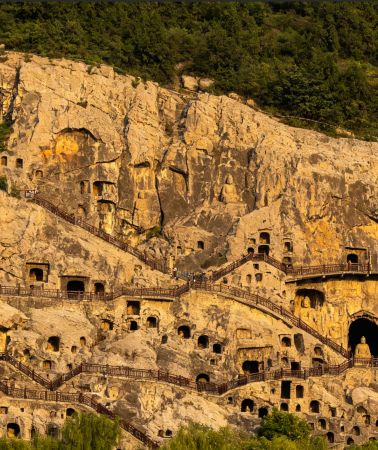
Group Tours in Zhengzhou
View More Group Tours in Zhengzhou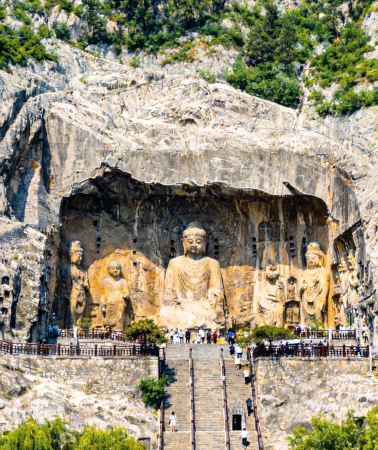
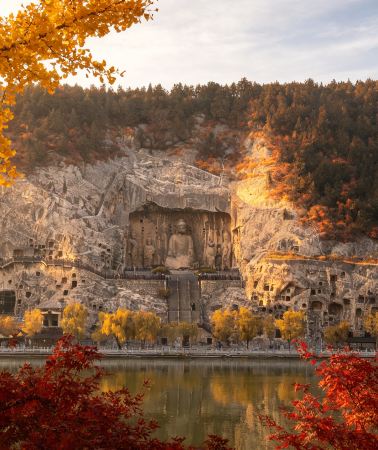
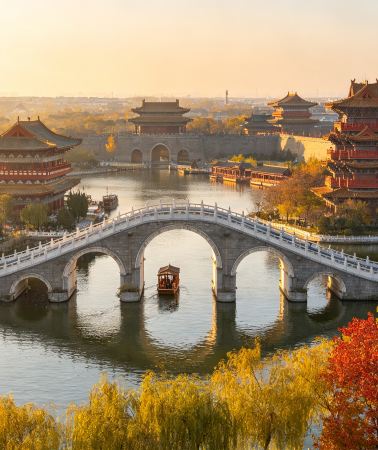
What travelers say about Zhengzhou

Soh Kien Peng21 September 2026
5.0
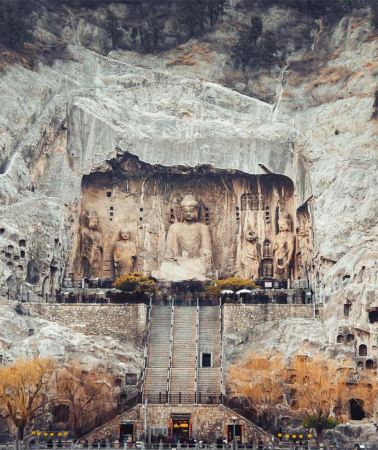
Henan is the cradle of Chinese civilization. Known as the Central Plains (中原), it is where the earliest dynasties, writing systems, bronze technology, and organized states first emerged. The fertile soil of the Yellow River nurtured farming communities as early as 5000 BCE, laying the foundation for Chinese culture.Luoyang, in Henan, is historically celebrated as the Ancient Capital of Thirteen Dynasties (十三朝古都), while Kaifeng (开封) is recognized as the Ancient Capital of Six Dynasties (六朝古都). Luoyang’s White Horse Temple (白马寺) is revered as the birthplace of Chinese Buddhism, and the Longmen Grottoes (龙门石窟) — with over 100,000 Buddhist statues — are honored as a UNESCO World Heritage site. Kaifeng, meanwhile, was the world’s largest city during the Northern Song dynasty, a thriving metropolis of commerce and culture.Henan as a whole is culturally dense and historically profound. The Henan Museum located at Zhengzhou is a must-visit, serving as a microcosm of Chinese civilization across thousands of years.I visited Henan Museum on a weekday and was struck by the sheer size of the crowd. Admission is free, but locals must register in advance. As a foreigner, I simply presented my passport, wrote my name in the register, and was then free to explore.The Henan Provincial Museum features one main permanent exhibition, Ancient Civilization of the Central Plains, divided into eight chronological galleries, alongside four themed galleries — Bronze of Chu, Ancient Jade, Treasures of Ming & Qing, and Musical Instruments. Each gallery highlights a different facet of Henan’s role as the cradle of Chinese civilization.I was deeply impressed by the exquisite porcelain, bronze bells and ritual vessels, the earliest pottery, oracle bones and early writing, Buddhist sculptures, and funerary art. My visit lasted about 3 hours enough to take in all the galleries and appreciate Henan’s extraordinary legacy.Article published at TripAdvisor on 20 Sep 26
Henan Museum

洪虹17 September 2026
5.0
Upon entering the Shaolin Temple scenic area, take the shuttle bus to the Pagoda Forest Station. From there, walk for about 5-10 minutes to reach the Shaolin Cableway. After exiting the cableway, walk a short distance to reach Shuce Cliff. After visiting Shuce Cliff, I returned to the cableway via the same route, without walking any further. It's very convenient and doesn't strain your legs.
Songshan Shaolin Scenic Area

年糕醋10 September 2026
5.0
Great for taking photos. Less crowded on weekdays, queues go quickly. Weekends are expected to be more crowded. The rides are gentle and suitable for children. There are also special children's play areas with many animals.
Enjoy Animal Kingdom

Anonymous user2 February 2026
4.0
It combines a zoo and an amusement park. Suitable for children under 10. It has everything, but nothing is done exceptionally well. The price-performance ratio isn't high. At least not as good as Qingming Riverside Park or Wansui Mountain Martial Arts City. The food inside is a bit pricey.
Enjoy International Resort

行者NO125 August 2026
4.0
I was deeply influenced by the movie "Shaolin Temple" when I was a child. Visiting the real Shaolin Temple, I found it wasn't as big as I had imagined, but the young actors' kung fu performance was wonderful, which fulfilled my martial arts fantasies.
Songshan Scenic Area

M23***4431 August 2026
5.0
The iron flower display was absolutely stunning, far exceeding my expectations! Definitely worth seeing. The staff were incredibly hardworking and dedicated.
When the staff and performers lined the path to see us off at closing time, I was deeply moved by their genuine emotions.
Due to time constraints, I only visited the night session; I'll definitely come again next time.
The food was also delicious—a happy carb feast!
zhegnhzou Movie Town

rick_cgl5 September 2026
5.0
The Fort Fushi Tower offers observation decks at higher elevations. The inner ring has railings for safety, while the outer ring is outdoors and requires you to be secured with a safety harness. The entire tour is on foot; please keep your phone in a case and store your belongings there.
Fu Tower

吴小米L15 September 2026
4.0
The Yellow River Cultural Park is a spiritual landmark representing the roots of Chinese civilization. The park is vast, lush with greenery, and resembles a forest park. A sightseeing bus costs 20 yuan, and a cable car costs 50 yuan. Main attractions include: views of the Yellow River, a cable car ride up Dayu Mountain, the site of Chairman Mao's inspection of the Yellow River, and Yanhuang Square. A well-planned visit takes about two hours. The cable car opens at 9:00 AM.
From Zhengzhou city center, you can take bus route 18 or tourist route 16 to the park entrance. The nearby train station is called Yellow River Scenic Area Station, a 15-minute train ride from Zhengzhou, but the location is desolate and train services are infrequent. The park staff are aggressive in their sales pitches and have poor manners.
Zhengzhou Yellow River Cultural Park

竹签QAQ30 August 2026
5.0
There are many attractions. Besides those relying on the facilities, there are also interactive rides along the way where you can exchange your points for park tokens. There are many thrilling rides, enough to experience them all in a day. In the evening, there's a water festival and performances, where everyone can play and have fun together – a truly enjoyable experience.
Zhengzhou Fantawild Adventure

M06***7823 February 2026
5.0
Zhengzhou Fantawild Dream Kingdom (Mythology/Family-Oriented): Qinling Adventure, Magic Castle, Jungle Dragon; During the Spring Festival, there will be a 3000㎡ Xiongling Snow Valley ski area, a Boonie Bears IP performance, and the Boonie Bears Dream Galaxy fireworks show.
Zhengzhou Fantawild Resort
Popular cities near Zhengzhou


Frequently asked questions
What are the must-do things in Zhengzhou?
Don't miss these attractions in Zhengzhou: Henan Museum, Songshan Shaolin Scenic Area, and Enjoy Animal Kingdom. If you like Cultural experiences, try Zhengzhou Van Gogh Starry Sky Art Museum (4D light show + mirror maze + sunflower field). If you enjoy Day tours, try Zhengzhou Departure: Songshan Shaolin Scenic + Martial Arts Hall + Pagoda Forest + Sanhuang Village Group Day Tour.
What are the must-try foods and restaurants in Zhengzhou?
You can give Zhengzhou Azhuang new Henan cuisine trending restaurant reservation service and Tianxia Grand Feast Zhengzhou | Historical Banquet & Optional Ancient Costume a try. Before you go, please check their opening hours and menus online. Reservations are recommended, especially during peak hours.
What are the recommended tours and excursions in Zhengzhou?
When choosing a tour, start with how much time you have and the kind of experience you're looking for. Trending options right now include Zhengzhou Departure: Songshan Shaolin Scenic + Martial Arts Hall + Pagoda Forest + Sanhuang Village Group Day Tour, Luoyang Shaolin Temple and Longmen Grottoes Day Tour(Optional Group Tour), and Free Kung‑fu Show|One‑Day Tour to Shaolin Temple & Pagoda Forest at Songshan/Door‑to‑Door Pick‑up+First‑entry ticket included/Martial‑arts Training Option Available. Check the real-time availability and itinerary before you book.
What's the typical cost of day tours and activities in Zhengzhou?
As of 24 September 2026, the reference price for day tours and activities in Zhengzhou is around AED 191.27 – AED 740.76. Rates vary by duration, group size, transportation, tickets, meals, and any special admission requirements. Before you book, please confirm the billing currency and whether the price is quoted per person or per group.
How can I contact Trip.com customer support?
Get help anytime, anywhere within 30 secondsContact customer support
Can I change or cancel my booking?
Change and cancellation policies vary by attractions and tours. Please check the product details page for more information.
How can I get discounted prices?
Ticket prices may vary between weekdays and weekends, as well as during peak and off-peak seasons. When booking with Trip.com, you can also use Trip Coins to get extra savings. For more tips on booking discounted tickets, please visit Trip.com for the latest information.
Trip.com picks
Popular Airport Transfers
Zhengzhou airport transfersZhengzhou Xinzheng International Airport transfersShanghai Pudong International Airport transfersGuangzhou Baiyun International Airport transfersTaiwan Taoyuan International Airport transfersBeijing Capital International Airport transfersBeijing Daxing International Airport transfersHong Kong International Airport transfersShanghai Hongqiao International Airport transfersChongqing Jiangbei International Airport transfersSanya Phoenix International Airport transfersChengdu Tianfu International Airport transfers