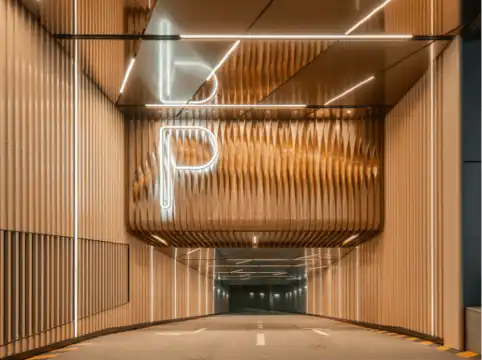
Hotels with Parking in Shangyou
Set your dates for top Shangyou hotels with free parking.
Swipe down to view more
Filter by:
Hotel Star Rating
≤2345
Guest Rating
9+8+7+6+Shangyou Hotels with Parking
Recommended Shangyou hotels with hassle-free parking.
Most Booked
Lowest price
Closest to downtown
Highest Rated
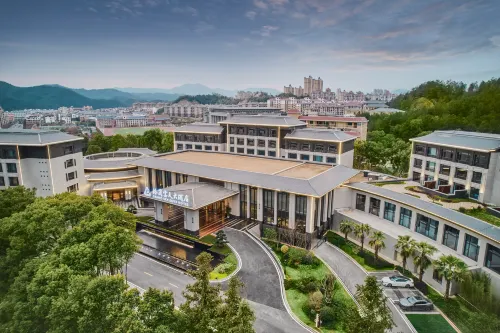

99+
Hotels in Shangyou
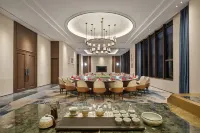
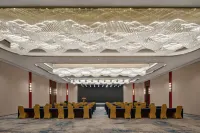
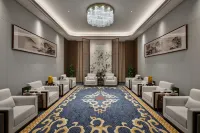
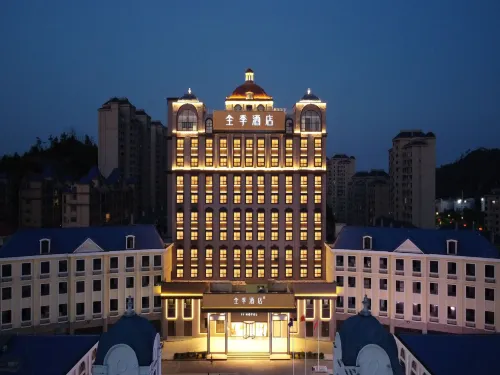
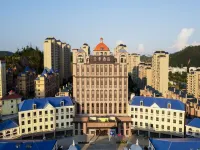
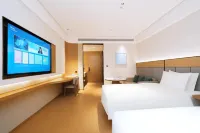
"Strong five-star recommendation Shangyu Grand Skylight Hotel! This time, Xiao Wang at the front desk was very intimate and meticulous, carefully helping to dress up the romantic birthday scene, the atmosphere was fully furnished, and the details were full of special surprises. The hotel has an elegant environment, the rooms are clean and tidy, the smart facilities in the whole house are convenient to use, and the location is convenient. The staff was gentle and courteous throughout the whole process, the service exceeded expectations, a super warm stay experience, it is too suitable to choose here for your birthday, and will come again next time!"
Excellent
324 reviews
9.7/10
1 night
From AED 181

99+
Hotels in Shangyou
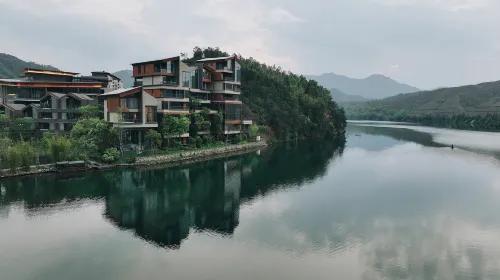
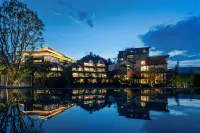
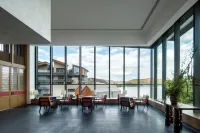
The word "unna" pronounced "Wu Na", means home.
The home of Hakka, and the sentiment of travelers in their unique language.
"Two days of immersive ”fog” experience
In addition to the first sight - ”majestic” and ”beautiful”
More details are worth mentioning - ”pay attention to”
1️⃣ Cosmetic mirror: In many hotels, I feel that I can’t see my face clearly in the mirrors. Either the light is wrong or the mirror color is strange... Wu Na’s cosmetic mirror is a surprise. The front light of the mirror is very good. There is also an independent dressing table. It’s absolutely amazing. Female friendly 👍
2️⃣ Catering: Generally, hotels have noodles, but they are not cooked carefully and they all rely on the guests to season themselves. Wu Na’s spicy beef rice noodles - I couldn’t help it and ate three bowls a day; home-brewed rice wine - better than Japan Sake is more refreshing. I accidentally drank too much yesterday. Grandma Wang, who doesn’t usually drink, said she wanted to buy a few bottles to take home today [呲呲]
3️⃣ Decoration and collectibles: You can see both Hakka style and diverse world... Even the glass interior in the elevator is so exquisite, looking out of the elevator window is like a beautiful picture frame
4️⃣ Leisure activities: Boating on Nanhu Lake - panoramic scenery, especially suitable for families supporting the elderly and young; cycling - I was on it recently. There were so many people on this trip that I didn’t bring a car, but as soon as I entered the hotel, I saw that Wuna was ready Bicycle, happy [呲呲]
Muna, hidden beauty, warm and bright!"
Outstanding
122 reviews
9.5/10
1 night
From AED 333

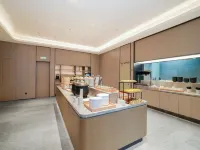
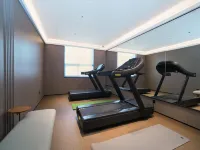
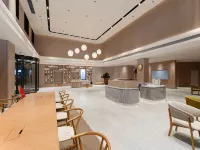
64
Hotels in Shangyou
"I came to Shangyou to visit friends, and my friend recommended this hotel. The hotel is located in a well-known local oil painting industrial park. It is a newly opened hotel with luxurious decoration, avant-garde lobby design, polite service staff, spacious rooms and comfortable mattresses. I ordered a takeaway in the evening and it was delivered by a robot. It was fun and interesting. The breakfast was also very rich. I will choose this hotel again next time I come. It was a great experience."
Outstanding
360 reviews
9.5/10
1 night
From AED 127
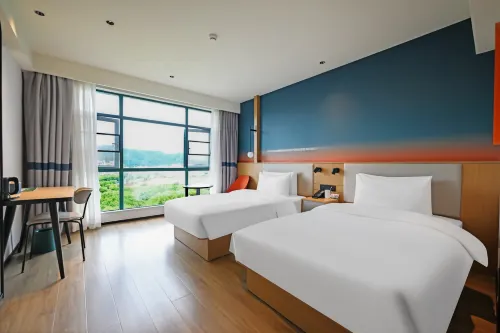
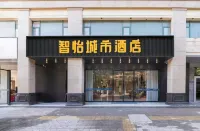
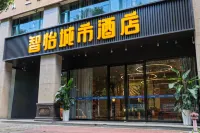
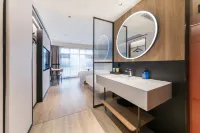


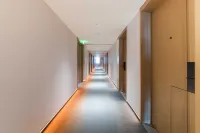
58
Hotels in Shangyou
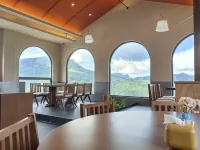
"There is a bus stop sign at the door and the transportation is convenient. There are also a lot of food around. The hotel is well-equipped, with washing machines and dryers, and dry clothes can be worn in time in rainy weather. It is very friendly to people on business trips."
Excellent
376 reviews
9.7/10
1 night
From AED 81


99+
Hotels in Shangyou
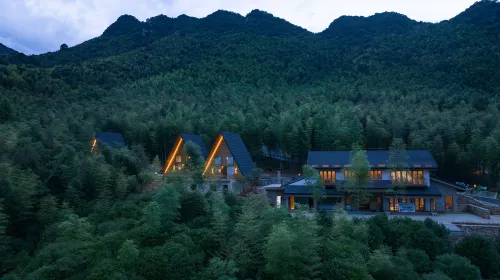
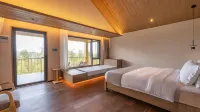
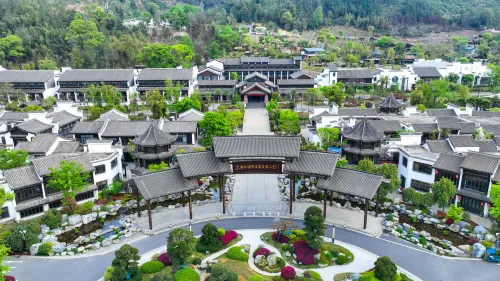
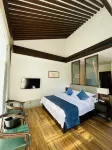
"The clerk is easy-going and the check-in efficiency is high. The kiln roast meal has a unique flavor and a complete selection of Chinese food. The homestay is located on the mountainside, surrounded by bamboo forests. Take a free shot of the insect cave view, the mountain air is comfortable, the parking space is sufficient, and the whole family is comfortable to play and eat for a short trip."
Very Good
154 reviews
9.3/10
1 night
From AED 252
99+
Hotels in Shangyou
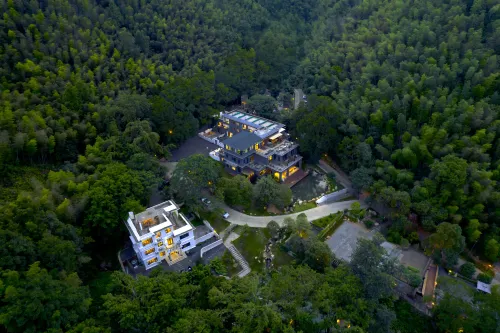
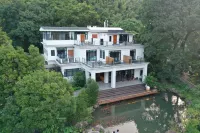
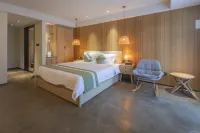
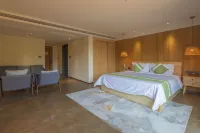
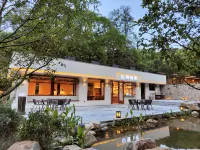
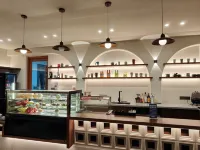
The Yangming Hot Spring Resort Town, Ganzhou is an ideal spot for travelers wanting to discover the city. Visitors to Shangyou will find that the Yangming Hot Spring Resort Town, Ganzhou is a fantastic accommodation choice. From the hotel, Ganzhou Huangjin Airport is approximately 39km away. Ganzhou Huangjin Airport is approximately 39km away by road. With multiple attractions nearby including Tianmu Yangming Dream Water World, Luzhou Tianmu Yangming Hot Spring and Shangyou Nanhu Water Sports Center, guests will find plenty to keep themselves occupied. This hotel makes a great place to kick back and relax after a long day of sightseeing. This Shangyou hotel features parking on site. This hotel is a popular accommodation for guests traveling with families.
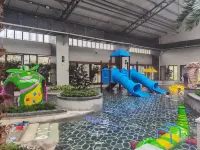
"We stayed in a log cabin, which was quite unique, hexagonal in shape. Although not large, it was very clean and tidy, with no unpleasant odors, and very cozy. The mattress and pillows were very comfortable. I personally think it would be more suitable for couples. The electric cart service was readily available, and parking was convenient. There were two slow-charging stations, and the driver took us to charge our carts (because they're hard to find at night) and then returned us to our cabins – a very nice experience! The hot springs were excellent, with a popular infinity pool, private pools where you can even watch movies while enjoying the hot springs! There was also a wave pool, a swimming pool, and a water park for children. It's also very close to downtown Ganzhou. Highly recommended!"
422 reviews
8.2/10
1 night
From AED 190

99+
Hotels in Shangyou
The Muxinji ﹒ Valley Su (Shangyou Branch) provides a great place for travelers to relax after a busy day. The Muxinji ﹒ Valley Su (Shangyou Branch) offers a pleasant stay in Shangyou for those traveling for business or leisure. In terms of transportation, Ganzhou Huangjin Airport is approximately 50km away. Ganzhou Huangjin Airport is the closest option for those who prefer to fly, approximately 50km away. Seeing Shangyou's sights from this hotel is easy with Eucalyptus King Adventure Forest Park, Doushui Lake · Bihui Bay and Yangming Lake Scenic Area all close by. After a long day of sightseeing, guests can retire to the comfort of the hotel. Guests of this Shangyou hotel can make use of the parking facilities. If you demand a high level of service, our guests have indicated that this hotel has excellent standards. This hotel is particularly popular with those traveling with families.
"Version 1 (platform general · detailed heart version + staff praise)
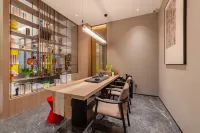
Shangyu Muxinji is really the ceiling of Ganzhou parent-child vacation! ✨ The experience of the half-mountain wooden house I lived in this time was full. The wooden house room type was clean and comfortable. The window was full of greenery, quiet and healing, and the stay experience was great.
The most surprising thing is the oversized forest children's paradise in the park. The powerless facilities are particularly rich. The baby can play crazy all day and not be heavy, completely liberating parents! The wooden house we live in is super close to the park, and it can be reached in a few steps. It is especially worry-free to take the baby to travel.
The key points are to praise the staff in the park, the whole service is particularly intimate and thoughtful, the check-in is efficient, any needs are responded quickly, the attitude is gentle and patient, and the problem will be solved as soon as possible. The details are full and people feel particularly warm.
The whole homestay is hidden in the bamboo sea and mountain forests. The air is fresh and the environment is quiet. It is a one-stop way to eat, live and play. It is super suitable for walking the baby or relaxing. It has been included in the second brush list!"
Very Good
206 reviews
9.2/10
1 night
From AED 148
70
Hotels in Shangyou
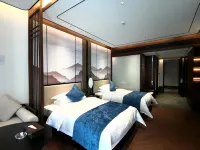
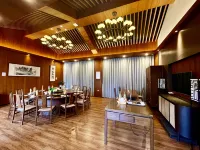
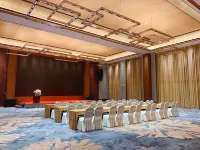
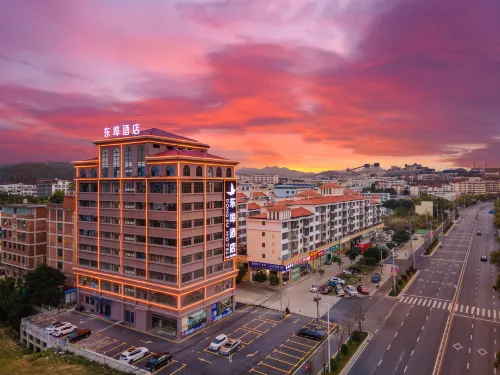
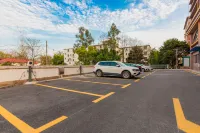
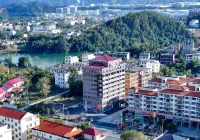
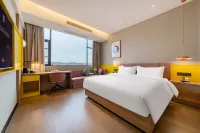
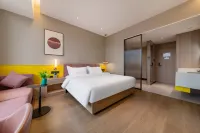
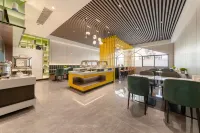
Welcome to Shangyou Dongbu Hotel, a comprehensive hotel located on the Yinbin Avenue in Huangbu, Shangyou, Ganzhou City, with a total investment of over ten million yuan. The hotel is only 2 kilometers away from the highway exit, approximately 10 kilometers from Nanhu International Fishing Center, and just a 15-minute drive from Tianmu Hot Spring, boasting a highly advantageous geographical location. Dongbu Hotel is a one-stop accommodation that integrates lodging, dining, and conferencing, primarily catering to business trips, couple vacations, and leisure activities. With 88 guest rooms well-equipped with every convenience, each room is meticulously designed, featuring comfortable beds, spacious closets, and practical desks. Additionally, we offer an ultra-large private parking lot, 24-hour intelligent robot services, a smart guest room control system, and spacious bathrooms with separate wet and dry areas. These amenities and services are tailored to provide you with a comfortable and convenient lodging experience. In terms of dining, Dongbu Hotel also excels, offering an extensive variety of healthy buffet breakfast options to indulge in a delightful culinary journey as you wake up in the morning. Apart from lodging and dining services, Dongbu Hotel also prides itself on its state-of-the-art conferencing facilities. With spacious conference rooms and advanced audio equipment, we can cater to various conference sizes, providing professional service support for both business meetings and seminars. At Dongbu Hotel, you will be pampered with warm and attentive service. Our dedicated staff team is highly professional, ready to assist you with various personalized services such as ticket booking and laundry. We will go the extra mile to meet your needs and make you feel the warmth and comfort of home. In conclusion, Dongbu Hotel is your ideal lodging choice in the Shangyou area of Ganzhou City. We are committed to delivering exceptional service and support, ensuring a comfortable and convenient stay. Whether you are here for business trips, couple vacations, or leisure activities, we have the perfect lodging solution for you. We look forward to welcoming you!
"The hotel is very new, the service is very good, close to the industrial area, convenient for business trips, it is recommended"
Excellent
390 reviews
9.7/10
1 night
From AED 86
92
Hotels in Shangyou
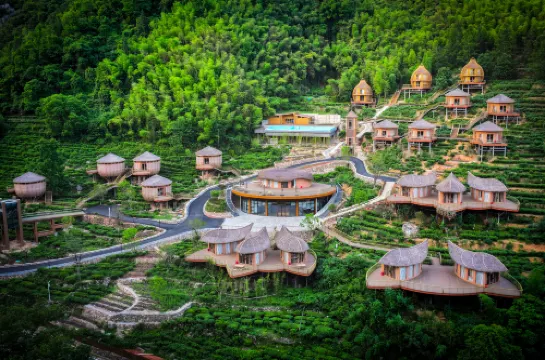
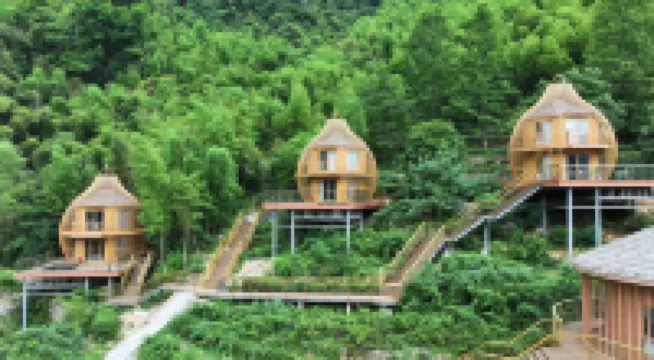
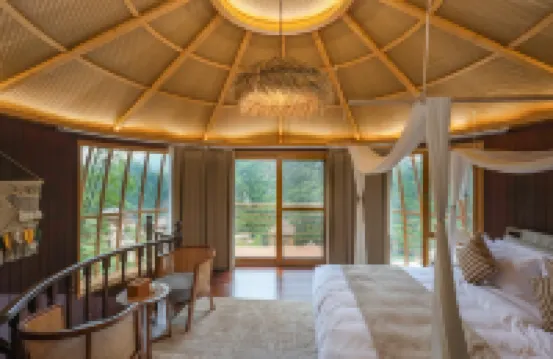
"The room was clean and warm, with floor heating and air conditioning, and the facilities were very new. The supporting yard and the outside aisle are good, and the night lighting is very distinctive. Meals are good, cheap, authentic local dishes. I will choose to play next time."
Outstanding
61 reviews
9.4/10
1 night
From AED 241
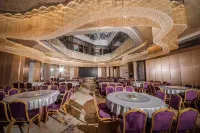
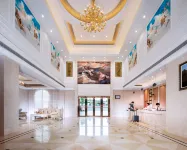
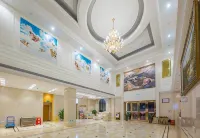
99+
Hotels in Shangyou
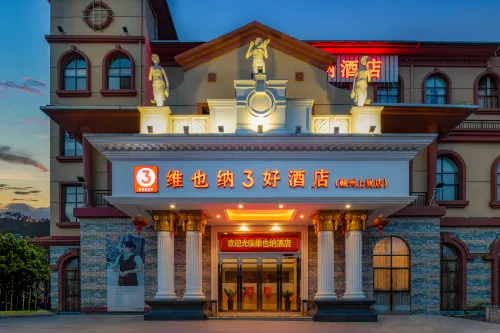
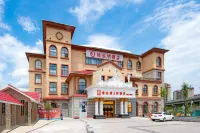
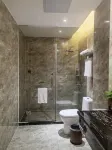
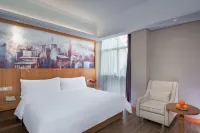
The Vienna 3 Best Hotel (Ganzhou Shangyou Branch) is an ideal spot for travelers wanting to discover the city. The Vienna 3 Best Hotel (Ganzhou Shangyou Branch) offers a pleasant stay in Shangyou for those traveling for business or leisure. The hotel is approximately 33km away from Ganzhou Huangjin Airport. The nearest airport is Ganzhou Huangjin Airport, approximately 33km from the hotel. There is no shortage of things to see in the area, with the Shangyou Cultural Center (Shuikou Road), Heita Park and Shangyou Museum all nearby. This hotel makes a great place to kick back and relax after a long day of sightseeing. This Shangyou hotel provides parking on site. When it comes to Shangyou hotels, the Vienna 3 Best Hotel (Ganzhou Shangyou Branch) is highly regarded for its excellent facilities. This hotel is a popular accommodation for guests traveling for business.
"I found this hotel on the way back to my hometown. It's close to the highway and the hotel is clean and hygienic. I stay here for one night every year when I pass by. The hotel I booked online originally did not include breakfast, but when I arrived at the hotel I was told that I could have breakfast. They didn't check tickets or ask how many people were in the room. I just ate. The breakfast was quite light. I always had a bowl of rice noodles every time I came here. Thumbs up"
Good
230 reviews
9.1/10
1 night
From AED 73
Latest Reviews for Shangyou Hotels
See all
Read genuine traveler ratings & reviews to find your perfect stay.
Lanju Jiangtou Pastoral Eco-Resort
10/10
Perfect
Posted on Aug 25, 2025
Guest User
民宿位於社溪鎮江頭村,林間隱”包含兩個房間,帶院子和大泡池,風景不錯,空氣清新,有水上樂園,還可以看松鼠,但WIFI時有時無,入住是週末,滿房,餐廳前台帥哥人超好👍。
Price per night from:AED 105
Hua Hong Business Hotel
9.9/10
Perfect
Posted on Aug 18, 2025
Guest User
The hotel is very good, clean and tidy, the room has no smell, the location of the hotel is also very close to the county center, it is convenient to buy things, the front desk is very warm, the service attitude is good, next time I have the opportunity to live, the overall feeling of staying can give five-star praise 👍👍
Price per night from:AED 43
Shangyou Huangcheng Jiuju Homestay
9.5/10
Outstanding
Posted on Jul 27, 2025
Guest User
The room is clean and tidy, the boss is friendly and kind, the transportation is convenient, the car is easy to park, and the scenery of the hydrophilic homestay is super beautiful.
Price per night from:AED 85
Jinwang Hotel
9.3/10
Very Good
Posted on Oct 5, 2025
Guest User
Treasure Hotel! Jinwang Hotel National Day stay experience is great! Get off the ”Shangyu East” high-speed, parking and laundry are free, the room is clean. Surprisingly, the boss opened the ”one tea” store at home, and the main thing was to return to the Ganyu alpine tea. Living here, it is too convenient to taste local tea! highly recommended! Shangyu Tourism #One-stop tea accommodation
Price per night from:AED 56
Wellton International Hotel (Shangyou)
9.1/10
Good
Posted on Jun 17, 2026
 Guest User
The room exceeded expectations, and the price was a special price at that time. The single room I ordered also upgraded the room type. The service was very good. There was also a rich variety of breakfast for breakfast. As always, I recommend everyone to come to the upstream hot springs and stay at the Walton Hotel.
Price per night from:AED 137
Mediterranean Resort Hotel
9.0/10
Good
Posted on Jan 24, 2026
M36431****
The room facilities are very good, the breakfast is very good, overall it is very good. Convenient transportation, close to the main road, there is a dumpling shop nearby, the quality and taste are very good.
Price per night from:AED 67
Shangyouhuahai Hotel
8.7/10
Posted on Mar 31, 2024
Guest User
Very good environment, the room is spacious!
Price per night from:AED 54
Mengyu Shanshe Homestay (Yangming Lake Scenic Area Store)
8.5/10
Posted on Feb 17, 2026
Guest User
The room was nice and very quiet, that is, the surrounding facilities were not operated and there were a little few people. But this is good, as far as accommodation is concerned, very comfortable.
Price per night from:AED 95
Shangyou Jianhua Business Hotel
8.2/10
Posted on Mar 13, 2021
Guest User
The location of the hotel is very good, the room is quiet and clean. The boss, the proprietress has a great service attitude.
Price per night from:AED 45
Liangshan Puyue Hotel
8.1/10
Posted on Aug 16, 2026|Mountain View Double Bed Room
Guest User**Brushed to this new hotel, looked cheap and placed the order, just received the hotel's phone call, asked what time to arrive, said that the weather is hot to open the air conditioner for us, and sent us welcome fruit after arriving, and asked if you want to add pillows, the price in the early 200s, This price-performance ratio service is really full [strong] [strong] What is the point? There is also a gym and laundry room. The laundry room is really super friendly to people like me who never like to wash their clothes by themselves. [smiling] [covering face] The weather is so hot, I stayed in the room with my boyfriend in the afternoon for an afternoon, When I went to dinner at night, the front desk lady (smiling so sweet and beautiful sister Xiao Huang, super enthusiastic) recommended to the Morino Chef Forest on the side, it is really a beautiful and comfortable place, and there is a band singing. If you like to take pictures and punch in, you like to drink coffee. It is super recommended here, by the way, The snails and snacks here are delicious [color][color][strong][strong]
Price per night from:AED 107
Frequently Asked Questions
What are the best hotels with Parking in Shangyou?
If you’re heading to Shangyou for work or a holiday, Shangyou Grand Skylight Grand Hotel (price from AED 126) , Liangshan Puyue Hotel (price from AED 140) and The PASSAGE of unna (price from AED 382) are the best hotels for you.
How much does it cost to stay in Shangyou hotels with Parking?
For hotels with Parking in Shangyou, the average price on weekdays is AED 198, and the average price on weekends (Friday - Saturday) is AED 204.
Which Shangyou hotels with Parking are best for couples?
Many hotels with Parking in Shangyou are perfect for couples looking for a romantic getaway. Muxinji ﹒ Valley Su (Shangyou Branch) (price from AED 168) is an excellent choice for couples.
Which hotels with Parking in Shangyou are good for families?
Shangyou Grand Skylight Grand Hotel (price from AED 126), The PASSAGE of unna (price from AED 382) and MuXinJi cloud path (price from AED 267) are popular choices for families. Spend quality time with your kids and family!
What are the best luxury hotels with Parking in Shangyou?
If you’re after premium services and first-class amenities, you’ll find plenty of luxury hotels with Parking in Shangyou to suit your needs. Shangyou Grand Skylight Grand Hotel (price from AED 126), The PASSAGE of unna (price from AED 382) and Yangming Hot Spring Resort Town, Ganzhou (price from AED 256) are some of the best luxury hotels available.
Which pet-friendly hotels in Shangyou have Parking?
Shangyouhuahai Hotel (price from AED 46), Shangyou Jianhua Business Hotel (price from AED 30) and Hua Hong Business Hotel (price from AED 31) are pet-friendly. Stay with your pets at a place that makes them feel at home!
What are the best hotel deals for Shangyou hotels with Parking?
Trip.com offers great travel deals all year long. Visit the promotions page to find the latest discounts and special offers on Trip.com.
Shangyou Hotels with parking Information
| Number of Reviews | 4,610 |
|---|---|
| Total Properties | 42 |
| Weekday Avg. Price | AED 198 |
| Weekend Avg. Price | AED 204 |
| Trending hotel | Shangyou Grand Skylight Grand Hotel |
Keep Exploring
More Accommodation Types
Business Hotels in ShangyouHomestays in ShangyouHotels with Wifi in ShangyouMountain view Hotels in ShangyouHotels with balcony in ShangyouFamily Friendly Hotels in ShangyouHotels with Hot Tub in ShangyouHotels with breakfast in ShangyouHotels with bar in ShangyouHotels with parking in Shangyou4-Star Hotels in Shangyou3-Star Hotels in Shangyou2-Star Hotels in Shangyou
Find More Hotels with Facilities
Hotels with parking in Provincia di CaltanissettaHotels with Airport Shuttle in VarHotels with parking in AbhaHotels with parking in Niagara FallsHotels with parking in Province of CagliariHotels with Airport Shuttle in JambianiHotels with parking in BattambangHotels with Pools in SupetarHotels with parking in RhodesHotels with Airport Shuttle in CartagenaHotels with Gym in KingsportHotels with Pools in Al KhobarHotels with parking in Corvara in BadiaHotels with Gym in Philadelphia CountyHotels with Pools in New London CountyHotels with Gym in JetisHotels with Airport Shuttle in Lahore DistrictHotels with Gym in YangjiangHotels with Gym in Parker CountyHotels with Airport Shuttle in Pauri Garhwal