Hotels with Parking in Kanazawa
Set your dates for top Kanazawa hotels with free parking.
Swipe down to view more
Filter by:
Hotel Star Rating
≤2345
Guest Rating
9+8+7+6+Kanazawa Hotels with Parking
Recommended Kanazawa hotels with hassle-free parking.
Most Booked
Lowest price
Closest to downtown
Highest Rated



75
Hotels in Kanazawa
A stay at Hotel Mystays Kanazawa Castle places you in the heart of Kanazawa, within a 5-minute drive of Omicho Market and 21st Century Museum of Contemporary Art. This hotel is 1.5 mi (2.4 km) from Kenrokuen Garden and 1.5 mi (2.5 km) from Kanazawa Castle.
Make use of convenient amenities, which include complimentary wireless Internet access and a vending machine.
Enjoy a satisfying meal at まれ serving guests of Hotel Mystays Kanazawa Castle. Buffet breakfasts are available daily from 6:30 AM to 9:30 AM for a fee.
Featured amenities include dry cleaning/laundry services, a 24-hour front desk, and luggage storage. Self parking (subject to charges) is available onsite.
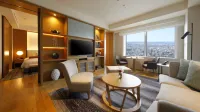
Make yourself at home in one of the 206 guestrooms featuring refrigerators. Complimentary wireless Internet access is available to keep you connected. Private bathrooms with showers feature complimentary toiletries and hair dryers. Conveniences include safes and blackout drapes/curtains, and you can also request irons/ironing boards.
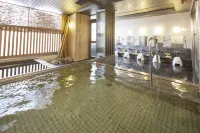
"This hotel is excellent! It's super close to JR Kanazawa Station, making it easy to walk to Omicho Market, the castle town area, and the Samurai District. Plus, public transport is conveniently nearby. The hotel staff were wonderful, and they even offered free drip coffee and access to a large public bath. If I visit Kanazawa again, I'd definitely choose this hotel."
Very Good
679 reviews
8.9/10
1 night
From €39


99+
Amazing
876 reviews
9.6/10
1 night
From €95
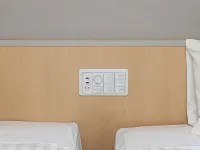


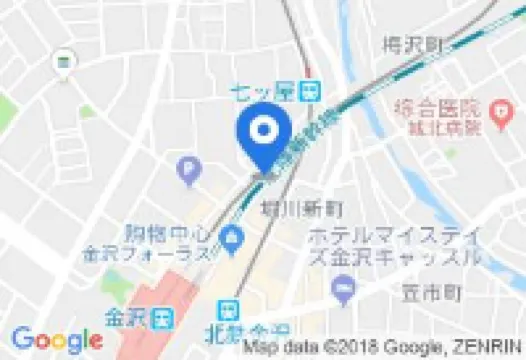
99+
Hotels in Kanazawa
Featured facilities: Parking, Laundry room, Restaurant
Great
775 reviews
9.0/10
1 night
From €38
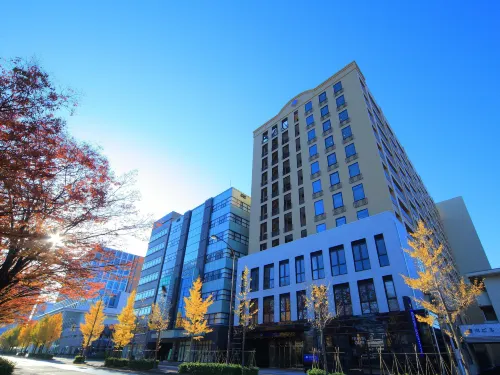


99+
Hotels in Kanazawa
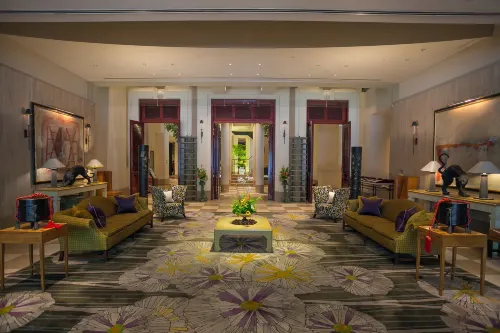
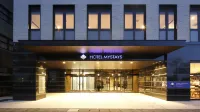
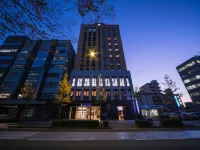
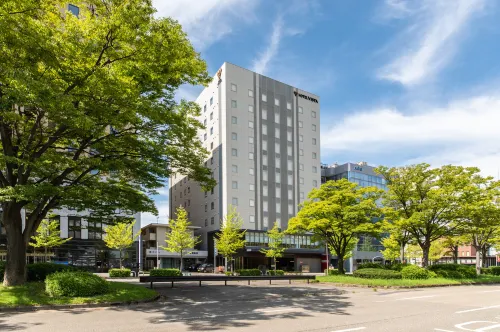
Ideally located in the prime touristic area of Kanazawa, HOTEL MYSTAYS PREMIER Kanazawa promises a relaxing and wonderful visit. Featuring a complete list of amenities, guests will find their stay at the property a comfortable one. All the necessary facilities, including free Wi-Fi in all rooms, 24-hour front desk, facilities for disabled guests, Wi-Fi in public areas, car park, are at hand. Designed for comfort, selected guestrooms offer television LCD/plasma screen, towels, internet access – wireless, internet access – wireless (complimentary), non smoking rooms to ensure a restful night. The hotel's peaceful atmosphere extends to its recreational facilities which include fitness center. No matter what your reasons are for visiting Ishikawa, HOTEL MYSTAYS PREMIER Kanazawa will make you feel instantly at home.
"Very good location for being close to the train station, although it's about a 35-40 minute walk to places of interest. There's a 7-Eleven right next door, and a more complete supermarket and restaurants at the station. The rooms are huge for Japan, the beds are very comfortable, and the bathroom is standard for the country. The hotel has a well-equipped gym and a very nice reading room. They do not clean the rooms until after the fourth night. They are not flexible with check-in; for example, after our 4-night reservation, we rebooked another 4 nights, but they made us wait 4 hours between checking out of the first room and checking into the second room. I think they could have paid more attention to us, since we had booked with them again and on a regular basis, but they paid no attention at all."
Great
516 reviews
9.2/10
1 night
From €39



99+
Hotels in Kanazawa
Located in Kanazawa (Hirooka), Hotel Vista Kanazawa is within a 5-minute drive of Omicho Market and 21st Century Museum of Contemporary Art. This spa hotel is 2.2 mi (3.5 km) from Kenrokuen Garden and 2.3 mi (3.8 km) from Honda Koen Park.
Pamper yourself with a visit to the spa, which offers massages. Additional amenities at this hotel include complimentary wireless internet access and a vending machine.
At Hotel Vista Kanazawa, enjoy a satisfying meal at the restaurant. Buffet breakfasts are available daily from 6:30 AM to 9:30 AM for a fee.
Featured amenities include complimentary wired internet access, dry cleaning/laundry services, and a 24-hour front desk. Self parking (subject to charges) is available onsite.
Make yourself at home in one of the 213 air-conditioned rooms featuring refrigerators and minibars. Complimentary wired and wireless internet access keeps you connected, and flat-screen televisions are provided for your entertainment. Private bathrooms with showers feature complimentary toiletries and bidets. Conveniences include phones, as well as safes and electric kettles.
"This hotel offers great value for money, even though it was slightly overpriced due to Japan's spring break. The room was quite spacious. I especially loved the hotel's large public bath; it was so relaxing and washed away all the fatigue. The breakfast was also good, but since there were many tour groups, we sometimes had to wait for a table in the morning. It's an 8-minute walk from Kanazawa Station West Exit. The area isn't very lively; if you prefer a more vibrant atmosphere, I'd recommend staying near the East Exit."
Great
288 reviews
9.2/10
1 night
From €39



99+
Hotels in Kanazawa
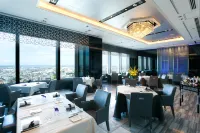
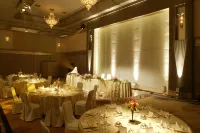
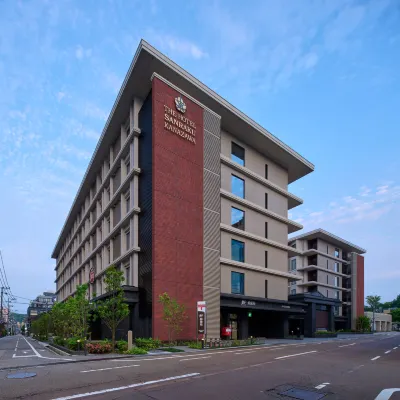
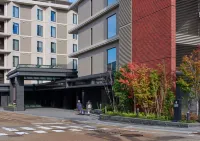
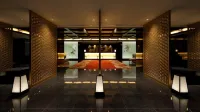
THE HOTEL SANRAKU KANAZAWA is centrally located in Kanazawa, a 3-minute walk from Omicho Market and 10 minutes by foot from Kanazawa Castle. This upscale hotel is 0.5 mi (0.8 km) from Oyama Shrine and 0.7 mi (1.1 km) from Kenrokuen Garden.
Take in the views from a garden and make use of amenities such as complimentary wireless internet access and concierge services. This hotel also features shopping on site and a vending machine.
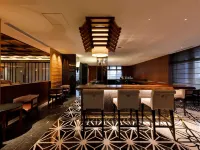
At THE HOTEL SANRAKU KANAZAWA, enjoy a satisfying meal at the restaurant. Quench your thirst with your favorite drink at the bar/lounge. Buffet breakfasts are available daily from 7:00 AM to 11:00 AM for a fee.
Featured amenities include dry cleaning/laundry services, a 24-hour front desk, and luggage storage. Self parking (subject to charges) is available onsite.
Stay in one of 215 guestrooms featuring flat-screen televisions. Complimentary wireless internet access keeps you connected, and digital programming is available for your entertainment. Private bathrooms with shower/tub combinations feature rainfall showerheads and complimentary toiletries. Conveniences include safes and desks, and housekeeping is provided daily.
"The hotel is clean, and the front desk staff are very helpful. There’s a laundry machine on every floor, which makes it very convenient for guests. The only downside is that no hot bath. The location is excellent — Omicho Market is just steps away. Higashi Chaya Geisha District is within waking distance also.
Overall, this hotel is good staying at. But, I personally feel hotel rate is at higher price due missing hot bath amenities.."
Amazing
263 reviews
9.4/10
1 night
From €93



73
Hotels in Kanazawa
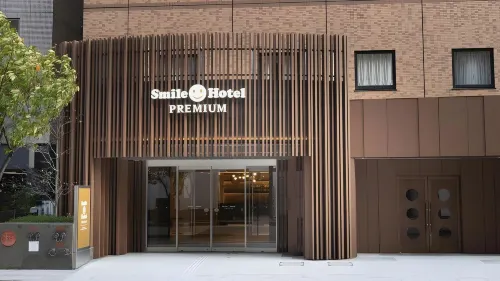
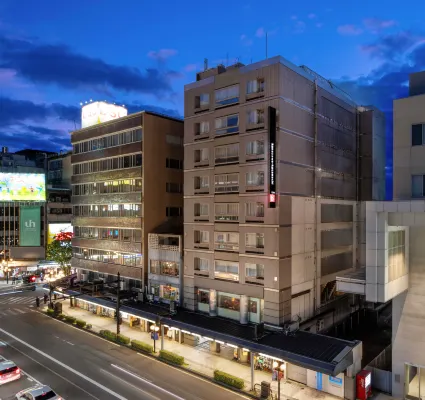
With a stay at Smile Hotel Premium Kanazawa Higashiguchi Ekimae, you'll be centrally located in Kanazawa, within a 5-minute drive of Omicho Market and Kenrokuen Garden. This hotel is 0.1 mi (0.2 km) from Motenashi Dome and 0.1 mi (0.2 km) from Ishikawa Ongakudo.
Featured amenities include dry cleaning/laundry services, a 24-hour front desk, and laundry facilities.
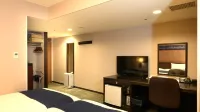
Make yourself at home in one of the 208 air-conditioned guestrooms. Complimentary wireless internet access is available to keep you connected. Private bathrooms have bidets and slippers. Conveniences include coffee/tea makers, and housekeeping is provided once per stay.
"Turn left at the bus stop along the east exit of Kanazawa Station, then turn left again at the first intersection and walk 200 meters, and you'll find it. The room was clean and tidy, and check-in was handled by a self-service machine at the front desk. Shopping and dining nearby are very convenient. I would definitely stay here again. Overall, I'm very satisfied."
Great
473 reviews
9.2/10
1 night
From €24





99+
Hotels in Kanazawa
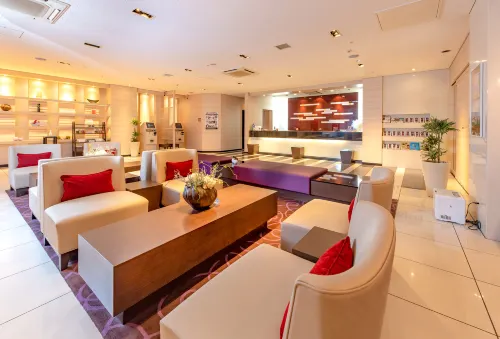
This hotel is all twin room. Room size 32 square meters.The bed is 120 cm width.
"It seems to have been recently renovated. It's spacious, clean, and affordable, but parking isn't very convenient."
Very Good
3 reviews
8.0/10
1 night
From €13





99+
Hotels in Kanazawa
With a stay at JR WEST GROUP VIA INN KANAZAWA, you'll be centrally located in Kanazawa, within a 5-minute drive of Omicho Market and Kenrokuen Garden. This hotel is 0.7 mi (1.1 km) from Motenashi Dome and 0.7 mi (1.1 km) from Ishikawa Ongakudo.
Make use of convenient amenities such as complimentary wireless internet access, a banquet hall, and a vending machine.
Continental breakfasts are available daily from 7 AM to 10:30 AM for a fee.
Featured amenities include complimentary wired internet access, express check-out, and dry cleaning/laundry services. Limited parking is available onsite.
Treat yourself to a stay in one of the 206 guestrooms, featuring fireplaces and flat-screen televisions. Complimentary wired and wireless internet access keeps you connected, and pay movies provides entertainment. Conveniences include refrigerators and electric kettles, and housekeeping is provided daily.
"The location is extremely convenient as the hotel is directly connected to Kanazawa Station. It was very easy to go everywhere since the hotel is inside the station building itself — just enter the station and take the elevator to the 3rd floor for reception.
The receptionist was very friendly and helpful during the self check-in process at the machine. The room was comfortable, clean, and quite spacious. The hotel also provides luggage storage, which was very convenient while waiting for the next train schedule.
It was also very easy to find food because there are many restaurants around the station, plus a 7-Eleven convenience store nearby."
Great
239 reviews
9.3/10
1 night
From €33
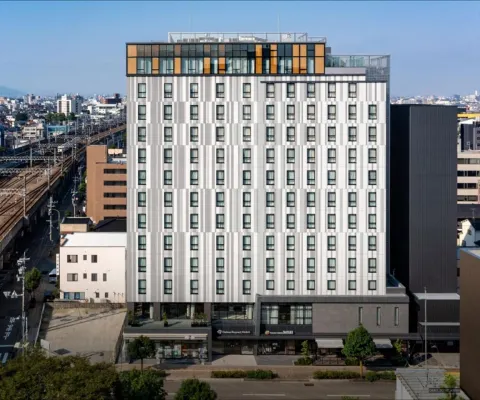
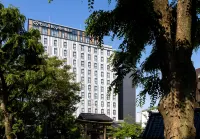
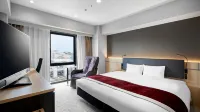
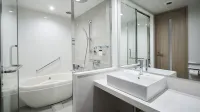


61
Hotels in Kanazawa
With a stay at Daiwa Roynet Hotel Kanazawa-eki Nishiguchi in Kanazawa (Hirooka), you'll be within a 5-minute drive of Omicho Market and Kenrokuen Garden. This hotel is 0.3 mi (0.5 km) from Ishikawa Ongakudo and 0.3 mi (0.5 km) from Motenashi Dome.
Pamper yourself with onsite massages or make use of the other amenities, which include complimentary wireless internet access and shopping on site. Additional features at this hotel include a television in a common area and a vending machine.
Grab a bite from the grocery/convenience store serving guests of Daiwa Roynet Hotel Kanazawa-eki Nishiguchi. Buffet breakfasts are available daily from 7:00 AM to 10:00 AM for a fee.
Featured amenities include dry cleaning/laundry services, a 24-hour front desk, and multilingual staff. Self parking (subject to charges) is available onsite.
Stay in one of 188 guestrooms featuring flat-screen televisions. Complimentary wireless internet access keeps you connected, and digital programming is available for your entertainment. Private bathrooms with shower/tub combinations feature complimentary toiletries and hair dryers. Conveniences include phones, as well as safes and desks.
"Absolutely loved this hotel! It's very new, the service is excellent, and the bedding is super comfortable. It's just a few minutes' walk from the JR station, which is incredibly convenient, and there's a 7-Eleven right downstairs. Plenty of restaurants and shops nearby too! Plus, there's a bus to Komatsu Airport."
Amazing
372 reviews
9.5/10
1 night
From €48
Latest Reviews for Kanazawa Hotels
See all
Read genuine traveler ratings & reviews to find your perfect stay.
Hyatt House Kanazawa
9.5/10
Amazing
Posted on Jun 20, 2026
Guest User
Very satisfied. Of the four hotels I stayed at in Japan this trip, this was my favorite. It's very close to the station, and there are plenty of restaurants, a supermarket, convenience stores, and a McDonald's nearby. The best part is the free water and ice available on our floor, so my friend didn't have to go downstairs to buy ice or water for drinks, which was super convenient. My friend even wanted to just stay at this hotel and not leave! 😂 The only downside is that because it's so close to the station, you can hear Shinkansen trains at night, but it wasn't too bad.
Price per night from:€106
kanazawakigen
9.5/10
Amazing
Posted on Jun 25, 2026
Guest User
I only left this place this morning, but I already want to go back. It felt like a home, the host/owner and his wife are super lovely, greeted me every time I came back or said goodbye to me whenever I left. It felt like I was coming home at the end of the day. You get a tea on arrival and I opted for the bento box breakfast for my first morning. I came down at 10 and it was there waiting for me, they play nice Japanese music while your waiting downstairs, although the hosts weren’t fluent in English we could communicate just fine, there English was good enough, although I did try to speak Japanese, the room was so nice and big, I love a tatami room it’s so cosy, I liked snuggling up in the bed at night and watching my tablet, the bathrooms where nice and I just loved the ryokan feel. If I ever find myself in kanazawa again which I willl, I will most definitely stay here again! If you don’t book here your not doing kanazawa right.
Price per night from:€36
Daiwa Roynet Hotel KANAZAWA-MIYABI
9.4/10
Amazing
Posted on Apr 27, 2026
Feiyu2834
If there's a Daiwa, I'll always choose Daiwa first! This one is at Kanazawa West Exit. Just walk past the entrance of the HYATT Regency hotel on your right, then turn right again, and you're there. I got a random room type, which turned out to be a twin room. I arrived at Kanazawa Station at 13:01 and at the hotel at 13:06. The front desk said there was a room available and checked me in right away, saving me the hassle of storing my luggage. So grateful! 🥹 The toilet is separate, the sink is separate, and the shower room even has a bathtub. The space is plenty big, clean, and tidy!!! Highly recommended!!!
Price per night from:€45
Hotel Kanazawa
9.3/10
Great
Posted on Feb 11, 2026|Double Room - Non-Smoking
Shuishangdexiangrikui
This was our first stop on our Ishikawa prefecture road trip. The hotel is conveniently located just a 1-minute walk from the Shinkansen station, and the overnight parking fee of 1000 yen is very reasonable. There are also plenty of amenities nearby. The room itself was modern and spotless. They even had a capsule coffee machine, and the breakfast offered great value for money.
Price per night from:€68
ANA Crowne Plaza KANAZAWA by IHG
9.1/10
Great
Posted on Apr 2, 2026
Guest User
I was a bit worried about the room facilities based on previous reviews, but after checking in, I found everything to be great. The breakfast, however, didn't quite live up to its price point, though it was certainly satisfying.
Price per night from:€51
HOTEL AMANEK Kanazawa
9.1/10
Great
Posted on Mar 16, 2026
Guest User
Comfortable stay at a well located hotel in Kanazawa. The rooms were clean and functional, and the overall stay was smooth. The onsen was a nice touch and perfect for relaxing after a day of exploring the city. There is also a laundry room available, which was very convenient during the trip. A good option if you are looking for a simple and comfortable base in Kanazawa.
Price per night from:€41
Minn Kanazawa
9.1/10
Great
Posted on Jun 12, 2026
 Anonymous User
Overall had a comfortable 6 nites stay. Location wise is good as walking distance to Kanazawa Station. Please note there is no room cleaning for stay less than 1 week. Had daily breakfast but dont expect buffet style as they only serve coffee tea juices , there is bread and soup rotation every day. Comment on soup perhaps staff can heat up soup as served warm only. Laundry is avail. Wd be nice if guest can be a bit more responsible to collect and clear their clean laundry after it is completed instead leaving it there overnight of which i have noticed it on a few occasion when all laundry machines are occupied. Other than that - there is no coffee tea bags in the guestroom although there are mugs n electric kettle available. Why there is none available at the Lounge for guest to take to the room as lounge is only open for breakfast 7am to 9am. There are no guests sitting in the lounge after 9am.
Price per night from:€35
The Square Hotel Kanazawa
9.0/10
Great
Posted on Apr 12, 2026
Anonymous User
Best was the receptionist! A young and very professional gentleman that helped us with everything along our stay, he normally works in Kyoto but came for a week to the hotel in kanazawa. Hope to see you at the hotel insomnia KYOTO next time we pass through. Highly recommend this hotel!
Some weights at the gym would have been the cherry on top of the cake :)
Price per night from:€60
ANA Holiday Inn KANAZAWA SKY by IHG
8.9/10
Very Good
Posted on May 1, 2026
ella01010This hotel offers excellent value for money; it's very upscale and clean. The room with an extra bed comfortably accommodates three people, and the bathroom has a separate shower and toilet, so no one has to fight for the bathroom. If you're driving, there's a dedicated parking lot next door for 1,000 yen per night. A skywalk connects the parking lot to the hotel's 3rd floor, making access very convenient. I'll definitely choose to stay here again next time I visit Kanazawa.
Price per night from:€34
Koko Hotel Premier Kanazawa Korinbo
8.8/10
Very Good
Posted on Apr 27, 2026
TatianaK.
The Koko Hotel surprised us with its service for guests, such as welcome drinks and good breakfast, as well as its large rooms occupied with a sofa and table in there. Besides, the hotel is located right in the city center, that is very convenient for exploring Kanazawa's main tourist destinations, museums, and even for shopping.
However, what we really appreciated was the hotel's staff. We had never encountered such warm hospitality, respect, and assistance in our problem that we had faced as we arrived to the hotel. To be specific, my son lost his bag, but he couldn't remember where it could happen whether it was in a local bus from the Kanazawa station or in a highway bus that we took from Shirakawa-go station. The hotel manager called both the local bus company as well as and to the highway bus company to get reliable information. Unfortunately, the bag couldn't been find.
Price per night from:€34
Frequently Asked Questions
What are the best hotels with Parking in Kanazawa?
If you’re heading to Kanazawa for work or a holiday, KOKO HOTEL Kanazawa Station(formerly Hotel Wing International Premium Kanazawa Ekimae) (price from €30) , CHISUN BUDGET Kanazawa Ekimae (price from €24) and Smile Hotel Premium Kanazawa Higashiguchiekimae (price from €28) are the best hotels for you.
How much does it cost to stay in Kanazawa hotels with Parking?
For hotels with Parking in Kanazawa, the average price on weekdays is €166, and the average price on weekends (Friday - Saturday) is €188.
Which hotels with Parking in Kanazawa are good for families?
Henn na Hotel Kanazawa Korimbo (price from €32) is a popular choice for families. Spend quality time with your kids and family!
What are the best luxury hotels with Parking in Kanazawa?
If you’re after premium services and first-class amenities, you’ll find plenty of luxury hotels with Parking in Kanazawa to suit your needs. Hotel Nikko Kanazawa (price from €85), The Hotel Sanraku Kanazawa 21th December 2022 Open (price from €107) and Hyatt Centric Kanazawa (price from €129) are some of the best luxury hotels available.
What are the best hotel deals for Kanazawa hotels with Parking?
Trip.com offers great travel deals all year long. Visit the promotions page to find the latest discounts and special offers on Trip.com.
Kanazawa Hotels with parking Information
| Total Properties | 109 |
|---|---|
| Number of Reviews | 10,328 |
| Highest Price | €1,139 |
| Lowest Price | €27 |
| Weekday Avg. Price | €166 |
| Weekend Avg. Price | €188 |
Keep Exploring
More Accommodation Types
Family Friendly Hotels in KanazawaPet friendly Hotels in KanazawaSolare Hotels in KanazawaHotels with Gym in KanazawaHotels with parking in KanazawaPensions in KanazawaHotels with spa in KanazawaVillas in KanazawaApartments in KanazawaKOKO HOTELS Hotels in Kanazawa2-Star Hotels in Kanazawa3-Star Hotels in Kanazawa5-Star Hotels in Kanazawa4-Star Hotels in Kanazawa
Find More Hotels with Facilities
Hotels with Gym in Municipality of PiranHotels with Gym in GlasgowHotels with parking in HulunbuirHotels with Gym in PlymouthHotels with Pools in SavonaHotels with Pools in XiningHotels with Airport Shuttle in LingchuanHotels with Pools in HinjewadiHotels with parking in LingshiHotels with parking in CharlestonHotels with Gym in Bekasi CityHotels with Pools in Franklin CountyHotels with parking in Porter CountyHotels with Pools in Montecatini TermeHotels with Gym in HuazhouHotels with Gym in ZhijiangHotels with Pools in NordwestmecklenburgHotels with Gym in Rancho CordovaHotels with Pools in Porto de PedrasHotels with spa in New London County