4-Star Hotels in Fujian, China
Enter your dates for the latest hotel rates and availability.
Swipe down to view more
Filter by:
Hotel Star Rating
≤2345
Guest Rating
9+8+7+6+Top 4-Star Hotels - Fujian
Choose your travel dates to see the latest prices
Most Booked
Lowest price
Closest to downtown
Highest Rated


98
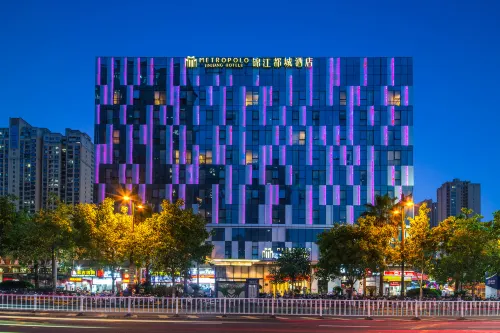
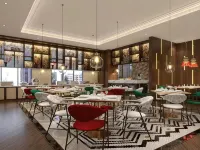
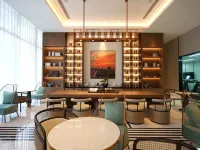
Hotel near Jinjiang Wanda Plaza/Wudianshi Traditional Blocks,Jinjiang
No. 13 of 4-Star Select Hotels in Jinjiang

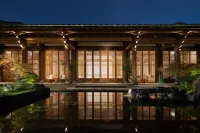
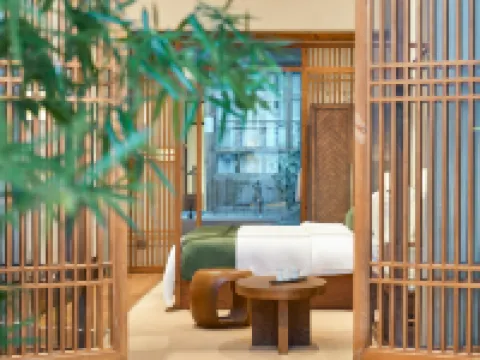
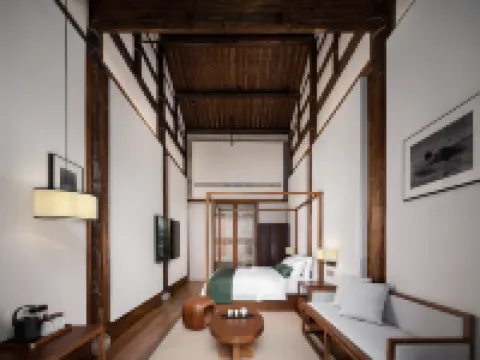
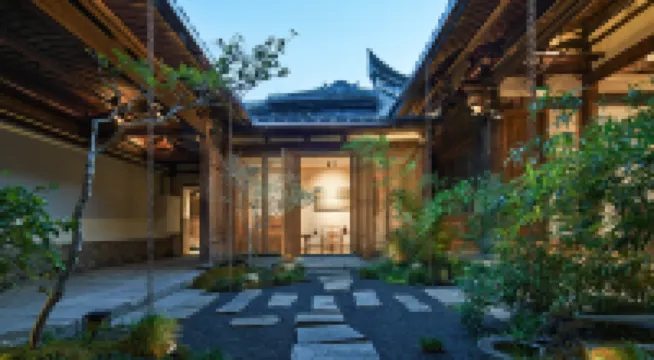
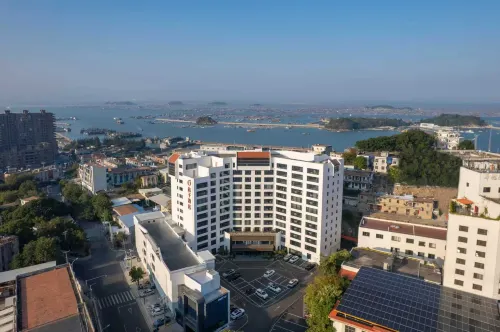
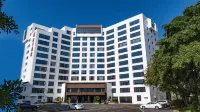
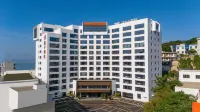
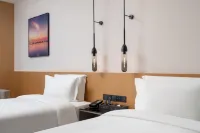
The Quanzhou Jinjiang Wudian Wanda Plaza Jinjiang Metropolo Hotel provides a great place for travelers to relax after a busy day. Visitors to Jinjiang will find that the Quanzhou Jinjiang Wudian Wanda Plaza Jinjiang Metropolo Hotel is a fantastic accommodation choice. Traveling to the hotel is easy with Quanzhou Jinjiang International Airport located approximately 4km away and Quanzhounan Railway Station roughly 13km away. This hotel is located near many of Jinjiang's attractions including Wudian City Folk Museum, Sunshine Plaza and Zuchang Gymnasium. After a long day of sightseeing, guests can retire to the comfort of the hotel. This Jinjiang hotel offers parking on site. If cleanliness is important to you, this hotel makes an excellent choice, as our guests consider this to be one of the cleanest hotels in the city. This hotel is a popular accommodation for guests traveling for business.
"An excellent choice for frequent business travelers. The location is super convenient, right near Wanda Plaza. The rooms are spacious and bright, perfect for getting work done. The self-service laundry room is a lifesaver for long trips, and the gym is great for squeezing in a workout during downtime. All the facilities are well-maintained. It makes business trips so much more hassle-free."
Very Good
1385 reviews
9.2/10
1 night
From IDR 537,878
99+
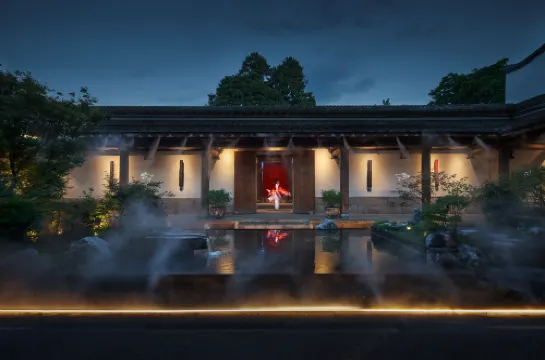
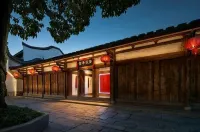
Hotel near Dongjiekou Shopping Center,Fuzhou
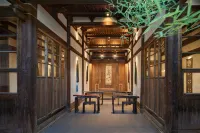
The hotel is nestled within the Sanfang Qixiang historical and cultural district, a listed immovable cultural heritage site. The 400-year-old Zeng Family Mansion is the former residence of Zeng Gong, a literary giant of the Northern Song Dynasty, and his descendants. This family produced generations of talent, with four consecutive generations of direct descendants achieving the prestigious imperial examination rank of jinshi (metropolitan graduate) during the Qing Dynasty, making it a distinctive jinshi lineage mansion in Sanfang Qixiang.The entire courtyard retains the original layout of alleys and courtyards, with public atriums and private guest courtyards created in distinct zones. Every flower, every tree, and every step presents unique cultural landscapes.The hotel restores a century-old courtyard with sustainable native aesthetics, weaving the elegance of guqin music throughout its layout. It integrates the textures of Minyu ethnic dwellings, traditional intangible heritage lacquer art, and Eastern flower arrangement aesthetics into every spatial detail. With a full suite of light luxury amenities, it combines a cultural boutique, guqin exhibition hall, art gallery, intangible heritage tea ceremony, Hanfu photography experiences, and literary gatherings. Guests enjoy Gongfu tea, three traditional intangible heritage makeup sessions, handmade floating lacquer fans, and the appreciation of lacquerware and lacquer paintings, creating an exclusive immersive high-end ancient city micro-retreat aesthetic sanctuary in Sanfang Qixiang.
"Pretty hotel in pretty old ancient buildings. Lots of high curbs in the hotel. The staffs were very helpful with our luggage. Every corner of the hotel looks pretty and photogenic. The welcome tea is nice! The hotel lobby with wooden high ceiling is so impressive and pretty. The tea rooms that we can choose to have our breakfast are pretty and aircon cooling too.
The hotel room looks so much better than the pictures in their booking site. High ceiling, warm note and comes with a comfortable soothing wooden smell.
The bathroom comes with ancient look door with wooden planks and in btw can be look through, but overall looks new and clean. Amazed by the bidet toilet in the ancient wooden setting. Its a good mix of modern and ancient in the most appropriate way. We almost didn't feel like leaving the hotel. Bathtub outside looks so pretty as well, especially on rainy days and early mornings, but we were worried about the mosquitos.
The hotel is 1 minute away from the main shopping/touristy street, and you can get all the teas and gifts from there.
Note that the hotel is located far from the main road. Nearest road side for dropoff and boarding is at the Starbucks, which sometimes seems far when you are tired and seems near when you leave the hotel for the day. About 8 mins walk away i think. There are little shops along the way as well. And the street looks super cool at night with all the lanterns along the way. As mentioned earlier, the hotel staffs gladly helped you with your luggage to the boarding point.
Overall great experience! Love it!"
Excellent
605 reviews
9.6/10
1 night
From IDR 1,144,987


99+
Hotel near Stone Scenic Spot In Old Town,Dongshan
No. 1 of 4-Star Select Hotels in Dongshan Island
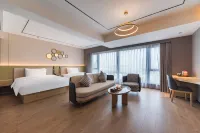
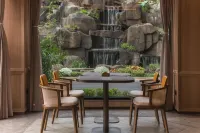
Orange Hotel is a mid-to-high-end brand under Huazhu Group. Originating from Orange County, California, USA, the hotel draws its design inspiration from the California sunshine and local cultural characteristics. With "California sunshine" as its core design theme, the hotel lobby typically adopts orange and green as the main color tones, creating a vibrant and sunny atmosphere. Orange Hotel advocates youthfulness and minimalism, adhering to the fundamental tone of being sunny, energetic, vigorous, free and casual. Deriving its brand core from these elements, the hotel promotes a life attitude of loving life, sports and environmental protection as well as pursuing health and positivity, along with a healthy and sustainable lifestyle. From the moment you step into the hotel, you will be surrounded by a relaxed, comfortable and natural atmosphere. It offers a pleasant living experience that relieves the fatigue of your journey, allowing you to embrace every day with a sunny mood. Located on Dongshan Island, one of the "Top 10 Most Beautiful Islands in China", Orange Hotel is situated in Tongling Town, the core business district of Dongshan Island. The island is home to scenic spots such as Nanmen Bay, Jinluan Bay and Sufeng Mountain, as well as numerous filming locations for movies.The hotel boasts 132 guest rooms, each equipped with full-panoramic floor-to-ceiling windows that are like natural picture frames, presenting the magnificent sea views and mountain views without reservation. It is fully equipped with facilities including an open Chinese-Western buffet restaurant, a laundry room, a fitness center, meeting rooms and a parking lot, and provides 24-hour attentive butler service. Undoubtedly, it is an ideal quality choice for your travel, vacation and leisure trips.
"The hotel is just a few steps from Nanmen Bay, making it super convenient for catching sunsets and exploring the snack street. The floor-to-ceiling windows in the room offer great views, and the room itself is very spacious. The smart devices are a fantastic touch and easy to use."
Excellent
1159 reviews
9.6/10
1 night
From IDR 1,046,465

86
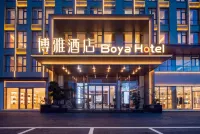
Hotel near Wanda Plaza/Guanghua Temple,Putian
No. 11 of 4-Star Select Hotels in Putian
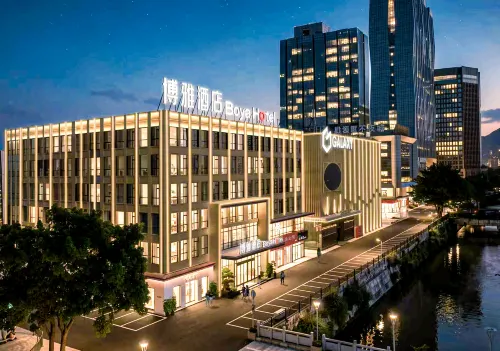
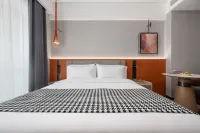
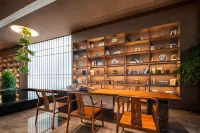
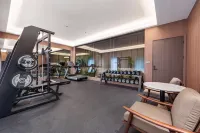
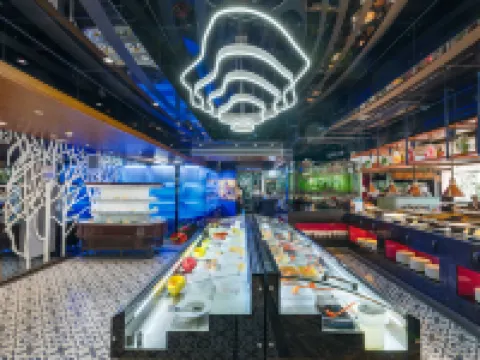
"I highly recommend this five-star hotel. The Boya Hotel truly offers excellent quality. The lobby is stylish and grand, with a comfortable lounge area and a business tea room. The rooms feature smart controls, allowing you to manage the lighting with voice commands. The cleanliness is impeccable and thorough. The breakfast buffet is very rich, offering freshly grilled steak, a variety of hot dishes, fresh fruits, and delicious freshly ground soy milk. The staff provides thoughtful service, and the hotel's location in the Lianchuang business district makes it very convenient for dining and shopping."
Excellent
374 reviews
9.6/10
1 night
From IDR 596,459

99+
Hotel near Zhongshan Road Area,Xiamen
No. 2 of 4-Star Select Hotels in Xiamen
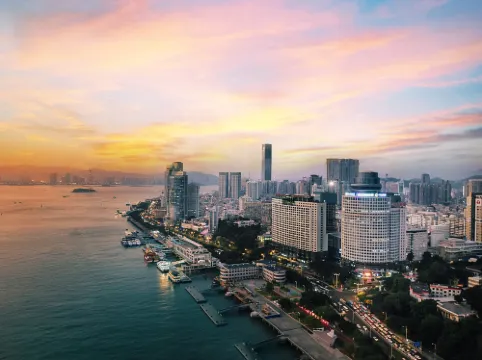
The Tegoo Hotel (Xiamen Taigu Jiudian) is a boutique-style hotel located close to Xiamen's main business district and its celebrated pedestrian shopping street Zhongshan Lu. The Gulangyu ferry terminal is just a stone's throw away. The hotel's unusual name is inspired by the original name of the old ferry pier, "Taikou Wharf." Other key Xiamen attractions including scenic Huandao Road and Southern Putuo Temple are also close at hand. Xiamen Railway Station is 7 km (4.3 mi) away and Xiamen Gaoqi International Airport is just a 20-minute drive. The wide range of rooms and suites here feature unique decoration styles and beds boast memory foam mattresses. Boutique rooms make up for their lack of a window with murals painted by local artists but other room types offer panoramic windows with sea or city views and open bathtubs. To really splash out, go for the Tegoo Suite, an 85 sq m (915 sq ft) suite which gets the morning sun, offers panoramic views and has a 100" screen and projector for those cozy nights in. Public areas are decked out in a neo-classical style and offer Wi-Fi throughout.The Tegoo Wharf restaurant offers buffet style breakfast lunch and dinner with a good mix of international and western dishes. 24-hour in-room dining is also available. Head to the 27th floor Le Good Bar for a pre or post-dinner drink and enjoy the lovely views. Conference facilities include a 100-person conference room and a 20-person meeting room.
"This is an older hotel, but the rooms are spacious with high ceilings. The service is warm and thoughtful; they even proactively offered a drying rack for clothes. The lunch and dinner offer great value for money, even better than breakfast. I suggest making the breakfast menu more diverse with new dishes and more rotation. The only drawback is that the facilities could use an update. I've noted a few issues:
1. The curtains are installed inside the window frame, which prevents them from fully covering the glass, letting light in during the morning. This was a poor experience. Perhaps replacing the curtains is too expensive, but offering some blackout strips for guests who need them would be helpful.
2. The toilet seat no longer has a soft-close feature, so it makes a loud noise when it falls. I recommend replacing it or adding bumper strips.
3. The hairdryer is an old model, not the modern high-speed, low-noise type. I also suggest regularly cleaning the filter on the back of the hairdryer, as it was completely clogged with fibers.
4. The bathroom has an exhaust fan, but it wasn't working. When I asked the front desk, they said the room had fresh air. However, the fresh air system and bathroom exhaust fan are two different systems. The fresh air system supplies air and cannot replace the bathroom exhaust fan. I recommend repairing and enabling the bathroom exhaust fan."
Outstanding
5755 reviews
9.4/10
1 night
From IDR 567,168

99+
Hotel near Zhongshan Road Area,Xiamen
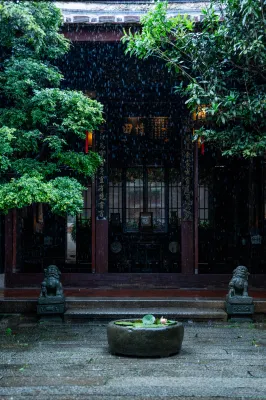
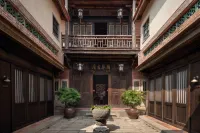
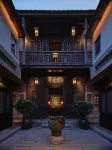
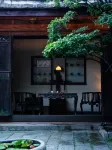
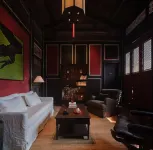
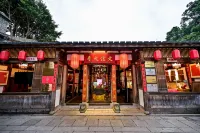
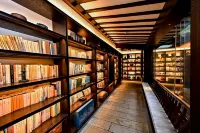
Lanqin Gucuo is a beautifully preserved Minnan-style residence built during the Jiaqing period of the Qing Dynasty, quietly nestled in the vibrant Zhongshan Road district of Xiamen. With its original wooden beams, red brick walls, and tranquil courtyard layout, it offers a rare glimpse into authentic southern Fujian heritage. Just a short walk from Gulangyu ferry terminal, Bashi Market, and Zhongshan Park, the inn provides both cultural richness and everyday convenience. Guests are invited to enjoy traditional tea in a serene courtyard, relax with a book in thoughtfully designed lounge areas, and fully immerse themselves in the rhythm of Xiamen’s slower, more poetic side. Lanqin Gucuo is more than a place to stay—it’s a cultural retreat that connects history, comfort, and the art of living well.
"My stay this trip was absolutely perfect, I genuinely recommend it! The hotel is located right in the city center, with the subway, shopping malls, and attractions all within walking distance, making sightseeing and shopping incredibly convenient. The front desk staff were warm and efficient; they even thoughtfully upgraded my room and provided a welcome fruit platter. They were always quick to resolve any issues, which was really heartwarming. The room itself was cozy and spotless, with soft and comfortable bedding that ensured a great night's sleep. The bathroom facilities were complete with stable water pressure, and the soundproofing was excellent. Every corner of the hotel is Instagram-worthy, and I'll definitely choose to stay here again on my next trip!
Ambiance: Extremely comfortable
Service: Staff were very attentive"
Excellent
194 reviews
9.7/10
1 night
From IDR 1,376,648

99+
Hotel near Dongjiekou Shopping Center,Fuzhou
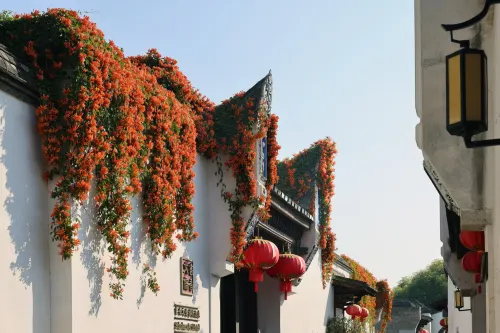
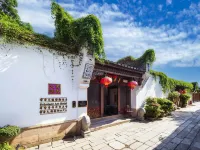
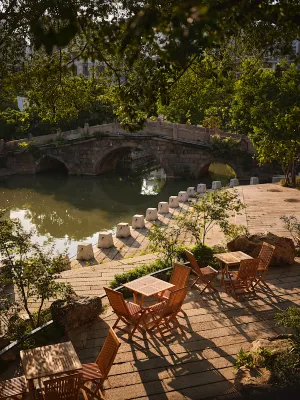
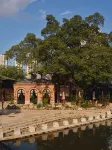
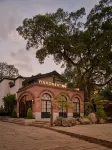
The Shuxiang Wenru Hotel is located at No. 50 Wenru Lane, the heart of Fuzhou's Three Lanes and Seven Alleys, occupying a prime and unparalleled location within the scenic area. Nestled amidst a cluster of well-preserved Ming and Qing dynasty ancient houses, the hotel opens directly onto cobblestone lanes, with Nanhou Street, former residences of notable figures, and unique cultural and creative shops just a short walk away, offering exceptional convenience for sightseeing, shopping, and photo opportunities. Sheltered from the bustle of the streets, the hotel's serene courtyard provides a tranquil retreat—guests can step out to enjoy the lively local atmosphere and return to the peaceful embrace of the courtyard, making it the ideal choice for an immersive stay in Three Lanes and Seven Alleys. 。
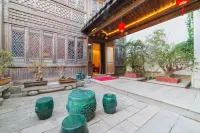
Originally the mansion of Chen Maohou, a Qing Dynasty imperial scholar, the hotel carries over 200 years of cultural heritage. The entire compound retains the original layout of Min-style ancient architecture, complete with saddle-shaped walls, carved wooden beams, courtyard water features, and winding corridors with floral halls. Every brick and tile reflects the scholarly legacy of the Luo-Chen family. The hotel embraces an elegant neo-Chinese design, with Fujian’s intangible cultural heritage—exquisite bodiless lacquerware—as the central aesthetic theme, seamlessly blending traditional Chinese elements throughout the space. Handcrafted lacquer decorations, classical calligraphy and paintings, and intricately carved wooden window frames adorn the guest rooms and public areas, exuding warmth and refinement. Free from excessive ornamentation, the design recreates the understated elegance of ancient literati residences, with every corner embodying Eastern aesthetics—each snapshot captures the essence of Chinese cultural ambiance.
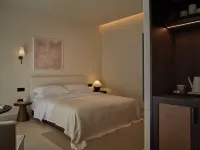
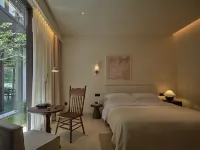
The hotel offers a diverse range of room types to suit various travelers, including scenic deluxe rooms, courtyard golden hot spring suites, family suites, and standalone courtyard villas. Each room honors the historical architecture’s integrity, preserving the beauty of original wooden structures while incorporating modern comforts, striking a perfect balance between classical charm and contemporary convenience. The standalone courtyard hot spring rooms are a standout feature, allowing guests to indulge in private hot springs without leaving their quarters, offering a complete Fuzhou cultural retreat within a traditional Chinese courtyard.
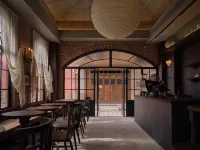
Dining is a highlight of the hotel, featuring a Michelin one-star Fujian cuisine restaurant dedicated to authentic Fuzhou flavors. Using locally sourced fresh ingredients, the restaurant’s star chefs craft distinctive Fujian delicacies, enabling guests to savor Michelin-level dishes without stepping outside the ancient compound—a one-stop immersion into Fuzhou’s culinary culture. Beyond dining, the hotel offers diverse cultural experiences, including Hanfu rentals for children and adults, and treasure-hunt activities for families, catering to couples, family trips, and cultural or business travelers. Staying here allows guests to delve into the millennia-old history of Three Lanes and Seven Alleys, appreciate the artistry of bodiless lacquerware, experience genuine Chinese courtyard living, and relish Michelin-starred cuisine—unlocking a seamless blend of dining, accommodation, and exploration in Fuzhou’s cultural heartland.
"I stayed at the Shuxiang Wenru Jintang Suite with my parents and children over the weekend, and the experience exceeded my expectations! The hotel is located in the ancient residences of Wenrufang, within the Sanfang Qixiang historic area. The ancient-style courtyard is serene and elegant, and the rooms are spacious and comfortable. The Jintang hot spring bath was just right for our family to relax in, perfect for older guests. Downstairs is the Wenru Jiuhou restaurant, which is also a Ctrip Food Global Platinum restaurant. The Minnan (Fujian) cuisine is authentic and exquisite, with signature dishes like Buddha Jumps Over the Wall tasting genuinely traditional. Everyone, young and old, can find something they love to eat. The staff were attentive and thoughtful, and the breakfast was rich and varied. They were all very kind. With dining and accommodation all in one place, there's no need to rush around, and exploring Sanfang Qixiang is also incredibly convenient. It's an excellent choice for a family weekend getaway, highly recommended! [Let me see][Let me see][Let me see]"
Excellent
1070 reviews
9.6/10
1 night
From IDR 1,427,240

99+
Hotel near Shangxiahang/Power Long,Fuzhou
"The most healing homestay in Fuzhou is located next to the historical and cultural district of Nangong River Estuary, adjacent to the South Park, hiding between the ancient Hesi, quiet in the middle of noisy, like breaking into a poetic secret place isolated from the world 🌿
24-hour butler service, the stay is very ritual, first choose the shower gel taste you like, three brands, both flower fragrance, but also wooden post-tuning, people are a little surprised, is my favorite brand.
Includes small refrigerator, snacks, son likes it very much, this is also considered for families with children.
The room has its own balcony, and you can see the characteristic Fuzhou building by pushing the door. It feels very quiet when it rains.
The window of the room is like a painting. When the sun is shining, the light and shadow are shining. When it rains, it has a melancholy temperament, which is very suitable for emptying the pressure. The whole room is very simple, but not out of style.
Here I took a photo of my son with an 18-year-old salute.
It is very interesting to come to Fuzhou this summer vacation. It is a wise choice to choose ~ when you choose Yin.
Breakfast is more amazing, semi-self-service mode, but I didn't expect it to be related to Fuzhou characteristics, relying on the mountain to eat the mountain, relying on the sea to eat the sea. Wuyishan black tea, sea cucumber millet porridge, salmon side dishes, seafood fishing, Fuzhou special meat swallows, this breakfast is like a feast, opening a very wonderful day.
This historical and cultural district of Nangong Estuary, Zengfan's thousand-year-old ancient temple, is the Ming and Qing Haisi Road, China-Qingfeng Gong's trade port, but also witnessed the ”department department into the city with the tide boat” century-old bustling, quiet and simple.
Afternoon tea under the century-old elm tree, the water in front of the door facing the Millennium Road Bridge, the water, bridge, tree, saddle wall with the same frame, a living flowing ink painting.
During the day, stroll along the old street of Nangong River Estuary, explore the story of ancient squats, and return to the hotel in the evening to sit and blow a hair. You don't need to travel far, you can take a vacation in the center of Fuzhou. You really don't have to catch the attractions when you come to Fuzhou. Living here is enough to slowly enjoy the old city. 🌙"
Perfect
25 reviews
9.8/10
1 night
From IDR 2,018,373
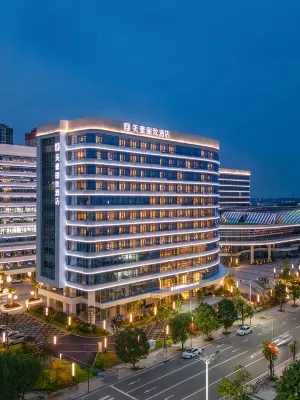
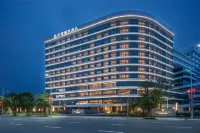
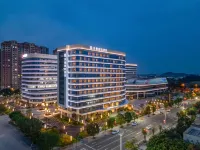
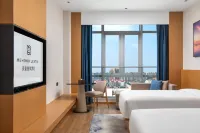
99+
Hotels in Xiuyu District,Putian
No. 3 of 4-Star Select Hotels in Putian
Mehood Lestie Hotel: A Prime Choice for Your Trip in Putian
Strategic Location at the Core Transportation Hub
Mehood Lestie Hotel is situated at the heart of Putian's transportation network. It's just a 3-minute walk from Putian High-Speed Railway Station, enabling seamless connections to high-speed rail travel. This offers an efficient and convenient experience for both business travelers and leisure tourists. The area around the hotel boasts a dense network of bus routes. Lines such as No. 20 and No. 36 provide direct access to the city center and various scenic spots. For self-driving guests, the hotel is easily reachable via the expressway, facilitating a "one-stop" travel plan.
Surrounded by Scenic Spots for Cultural Immersion
The hotel enjoys a superior geographical location with abundant tourism resources nearby. It's about a 30-minute drive from the ferry terminal of Meizhou Island, known as the "Oriental Mecca," where you can fully immerse yourself in the Mazu culture. Within walking distance, you can reach commercial areas like Wanda Plaza to indulge in shopping and culinary delights. The hotel is also adjacent to the Putian Convention and Exhibition Center, making it convenient to participate in various exhibition activities. Whether you're interested in exploring intangible cultural heritage arts such as wood carving and jade carving or appreciating natural landscapes, the hotel serves as an ideal base.
Outstanding Brand with a Light Luxury Style
Mehood Lestie Hotel is a mid-to-high-end brand under the Mehood Hotel Group, renowned for its exquisite and elegant light luxury style. The brand incorporates intangible cultural heritage elements like paper art and Longquan celadon, enhancing its cultural heritage and artistic value. It creates a "tranquil haven amidst the bustle" for travelers.
Remarkable Advantages for an Upgraded Experience
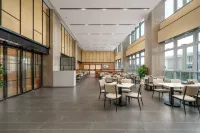
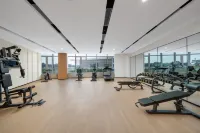
The hotel offers a multitude of guest rooms, each equipped with Gomons V10 mattresses to ensure a comfortable sleep. Smart devices such as self-check-in machines and delivery robots enhance convenience. The public areas and guest rooms adopt a modular design, allowing for flexible configurations while combining a sense of sophistication with practicality. The dining service features a color scheme of gold and dreamy blue. The breakfast is rich and diverse, incorporating local specialties. Additionally, facilities like a gym and a self-service laundry room meet various needs. Humanized designs, such as eco-friendly guest supplies and aviation-grade lighting, demonstrate care in every detail. The service team is warm and attentive, from facilitating quick check-in to providing thoughtful introductions to the surrounding area, making guests feel at home. With its high cost-effectiveness and humanistic warmth, Mehood Lestie Hotel stands as an excellent choice for your trip to Putian.
"The hotel service was excellent. The front desk staff, especially one lady, was incredibly helpful. They were understanding when I needed a late checkout after being out for an errand, and they didn't charge me extra when I asked them to print a document. The hotel is also conveniently located within walking distance of the high-speed train station. I originally planned to move to a hotel in the city center after one night, but because of the great service, I decided to extend my stay here."
Excellent
877 reviews
9.6/10
1 night
From IDR 809,479

99+
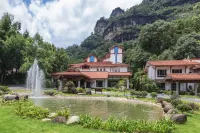
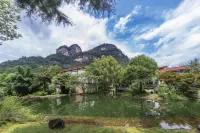
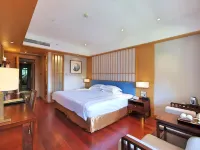
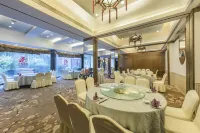
Hotel near Wuyishan Scenic Area,Wuyishan
No. 8 of 4-Star Select Hotels in Wuyishan
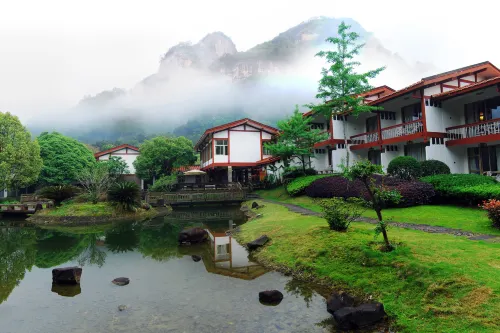
The Wuyi Mountain Villa (Wuyi Shanzhuang) is located at the foot of Dawang Feng
"The room was great, and the stay was very pleasant. The front desk staff were incredibly enthusiastic and genuinely helpful. They even assisted us in planning our itinerary for the next two days, as we had no idea where to go. We're so grateful! The location is perfect, right inside the scenic area, which is super convenient – you'll see what I mean when you get here. The bus stop for the scenic spots is right next door. Loved it! (●♡∀♡)"
Very Good
2232 reviews
9.3/10
1 night
From IDR 716,283
Recent Reviews for Fujian Hotels
See all
Nanping Colorful Village Homestay
9,4/10
Outstanding
Posted on Nov 24, 2025
Elizabeth Frances Rose
This place makes me wish there was an option for six stars.
I study Asian art for a living, and I travelled to Jianyang to visit the home of Jian ware, classic tea bowls of the Song dynasty (960 to 1279 CE), distinguished by their black and brown glazes. Over the last few decades, firing Jian ware in the Song tradition has been revived in the area. I chose Nanping Colourful Village Homestay because it was in Jianyang, affordable, and accepted international guests. What I found was a luxury resort with all the warmth and personal attention of a homestay.
I asked the front desk about an excavated Song kiln site in a nearby village, and the receptionist brought me the manager, who arranged for someone to take me the next day. My driver was Ms. Huang, an employee of the resort whose job involves buying and selling contemporary pieces. She knew everything about Jian ware! The kiln site isn’t run as a tourist site, so I was only able to view it because Ms. Huang arranged for it to be opened for me.
I had told them I was vegetarian, so for lunch they took me to lunch at a vegetarian buffet. Then we visited the town’s Jian ware museum, where they have exhibits on the history of tea and Jian ware, historical pieces, and the work of contemporary Jianyang potters.
To my delight, Mr. Gao, the potter-in-residence at the resort, uses a Song-style wood-fired dragon kiln, built right on the grounds! His pieces that range from beautiful but quite affordable to exquisite and appropriately expensive. They include both iridescent silvery oil spot and orange-to-black hare’s fur pieces. I am still thrilled that I was able to purchase wood-fired pieces on my limited budget.
For dinner, the resort’s restaurant prepared vegetarian versions of Fujian cuisine for me. The food was all delicious, featuring classic Fujianese mountain ingredients like local bamboo and mushrooms.
Then we visited Mr. Gao’s dragon kiln, and later his studio, where he experiments with different local clays and glaze recipes. The rich colours and iridescence of Jian ware are the result of the iron-rich local material fired at high temperature, and the results are as unpredictable as they are beautiful.
The next day, they drove me to Mr. Chen’s family tea plantation in the mountains, where they grow famous northern Fujian teas. These fine teas were all wonderful, smooth and rich with a touch of smoke, and sometimes fruity in flavour. We strolled through mountainsides of tea bushes and visited groves of centuries-old tea trees.
This is a perfect place for an immersive experience in China that is also very comfortable and convenient. I often find tourist experiences in China claustrophobic due to the press of people, but the resort was spacious and airy, and they took me to places where there was no one else but us and the occasional local going about their business. Everyone was very patient with my limited Chinese language skills. They were also happy to work with translator apps on our phones, so if you don’t speak any Chinese, you will be fine.
This would be a great place to come as a family. There are gardens and rides for kids right next to the resort. You can learn how to whip Song-style tea and carve your name into the base of your own Jian ware cup. Not far away is a historical theme park with a collection of real architecture from the Ming (1368 to 1644 CE) and Qing (1636 to 1912 CE) dynasties. The employees wear period dress and there are performances and activities. Nearby there are hiking trails, historical sites, and lovely villages to visit.
It’s also very close to Wuyi Mountain National Park, so it would be a perfect place to stay if the mountains are your destination. If you ask, they could arrange for you to visit famous sites or take you to breathtaking places that only locals know, whatever you want. They can also arrange transport to and from the train station or airport.
Price per night from:IDR 1,121,023
Vishan Garden Boutique Hotel( Zhongshan Road Pedestrian Street Store)
9,7/10
Excellent
Posted on Jul 6, 2026
 Guest User
Found a gem for our family trip to Xiamen! The Weishang Garden Hotel's family room is simply divine.
It's in a prime location on Zhongshan Road, with a charming Nanyang retro vibe. Stepping out, you're surrounded by street food and shopping districts. It's super close to the ferry terminal and the Bashi market, saving us a lot of travel time.
The room is incredibly spacious, bursting with a playful, child-friendly atmosphere. My kids instantly fell in love with the bunk bed with a slide, and the safety rails gave us parents peace of mind. There were dolls, building blocks, and a small tent – enough to keep the little ones entertained for half the day, meaning we didn't have to keep an eye on them constantly.
The room also features a private little balcony, and the faint scent of tea in the corridor made us feel instantly relaxed upon entering. The entire room is equipped with smart devices, and the toiletries were clean and high-quality. The bathroom has a separate wet and dry area, and the floor is covered with soft mats, so we didn't have to worry about the kids bumping themselves while running barefoot.
Robot delivery is available 24/7, and the concierge was incredibly responsive to our requests. The bedding was soft, ensuring a comfortable night's sleep. It's spacious and comfortable enough for a family of three or even families with two children. Our kids were already asking to come back next time we left. This is definitely our top choice for family accommodation!
Price per night from:IDR 963,920
Citywell Hotel (Quanzhou Food Street)
9,4/10
Outstanding
Posted on Sep 2, 2026|Linglongge (dry And Wet Separation+deep Sleep Mattress+smart Home)
LeyedelvchengThe staff were very kind. The room I originally booked faced a wall of noisy air conditioning units, so the hotel staff upgraded my room, which I really appreciated! As for the downsides, this building houses a basketball court and a bar. Before 8:30 PM, you could hear the thumping of basketballs in the room, and after midnight, the music from the bar was very loud. Both day and night were affected. I assume this is a fundamental issue that can't be changed. There are parking spaces at the entrance, but they are incredibly small. When full, it's hard to even open the car door, and my car door handle even got a chip of paint knocked off by a neighboring car opening their door. Breakfast was decent. I wouldn't really recommend it!
Price per night from:IDR 551,192
Kulangsu Resort Xiamen
9,7/10
Excellent
Posted on Nov 11, 2025
Chek Chin Liung
My recent stay at the Kulangsi Resort in Xiamen was nothing short of exceptional. From the moment we arrived, it was clear this was a special place dedicated to providing a tranquil and luxurious getaway.
Wonderful Environment:
The resort is beautifully situated, offering a perfect blend of lush, manicured gardens and serene landscapes. It feels like a hidden oasis away from the city's hustle and bustle, yet it remains conveniently located. The views are stunning, and the overall atmosphere is one of peace and relaxation. It's an ideal spot for both couples and families looking to unwind.
Excellent Hotel Facilities:
The facilities are top-notch. Our room was spacious, impeccably clean, and featured a modern design with all the amenities one could ask for. The bed was incredibly comfortable, ensuring a great night's sleep. Beyond the room, the swimming pool was a delight, and the fitness center was well-equipped. Every corner of the resort is maintained to a very high standard.
Standout Service from 小陈 (Xiao Chen):
While every staff member we encountered was professional and friendly, one individual truly made our stay unforgettable: a gentleman named 小陈 (Xiao Chen). His service was, without exaggeration, world-class. He was incredibly thoughtful and anticipatory, always seeming to know what we needed before we even asked. From offering insightful local tips to ensuring every small detail of our room was perfect, his attention to care was remarkable. He embodies the true spirit of hospitality and is a tremendous asset to the Kulangsi Resort.
Verdict:
I wholeheartedly recommend the Kulangsi Resort. The beautiful environment and excellent facilities provide the perfect backdrop, but it's the outstanding service from people like Xiao Chen that transforms a great stay into a truly memorable one. We will definitely be returning.
这次在厦门 Kulangsi 度假村的体验令人难以忘怀。这里不仅环境优美,设施一流,更有一位服务人员让我们感受到了什么是真正世界级的服务。
优美环境:
度假村的环境设计得非常出色,犹如一个远离尘嚣的世外桃源。绿植郁郁葱葱,景观宁静雅致,处处都透露出一种静谧与和谐。无论是散步还是静坐,都让人心旷神怡,是放松身心的绝佳去处。
一流的酒店设施:
酒店的设施堪称完美。我们入住的房间宽敞明亮,干净整洁,现代感的装修风格搭配齐全的设施,细节考虑周到。床品尤其舒适,保证了高质量的睡眠。此外,游泳池、健身中心等设施也都维护得非常好,体验感极佳。
值得称赞的服务——特别感谢小陈:
酒店的整体服务水准很高,但我们必须特别表扬一位员工——小陈。他的服务让我们感受到了什么是“超五星”的标准。小陈先生非常细心周到,具有极强的预见性,总能在我们提出需求之前就提供贴心的帮助。从专业的入住引导,到详尽的本地游玩建议,再到对房间细节的关注,他真正做到了“宾至如归”。他热情而专业的服务态度,是这家度假村最宝贵的财富。
总结:
我毫无保留地推荐厦门 Kulangsi 度假村。绝佳的环境和设施已经足够吸引人,而像小陈这样优秀的员工所提供的卓越服务,更是让这次住宿从“很好”升华到了“完美”的体验。我们一定会再次光临。
Price per night from:IDR 982,559
Metropolo Jinjiang Hotels(Fuzhou Three Lanes And Seven Alleys east street)
9,3/10
Very Good
Posted on Jul 24, 2026|Boutique Business Room
Guest User
Pros:
1. The location is excellent, very close to the scenic area. It's super convenient for dining and shopping. There's also a Sanfu and a 7-Eleven downstairs, and Cotti Coffee from the first floor can be delivered directly to your room.
2. The front desk staff's service attitude was great; they pretty much fulfilled every request and even agreed to upgrade our room type. Although it was a less desirable 'end room,' it was acceptable. When we needed disposable chopsticks, cups, etc., they brought them up without hesitation, and extra blankets were provided free of charge.
3. The room's overall cleanliness was good. The bedding was clean, with no stains or hair. The showerhead in the bathroom also had no water marks or limescale. Thumbs up!
Cons:
1. The hotel seems to have been open for quite a while; the linens are pretty old, which made me a bit hesitant to use them. There were large oil stains on the table surface; I tried to wipe them off, but they wouldn't budge, which was a bit off-putting. I hope they can add a tablecloth to cover it.
2. Please remember to disinfect the sink in the restroom; it had a strong odor.
3. The message board needs to be cleaned; there were pencil shavings as soon as I opened it.
4. Disposable items like the toothbrush were quite poor. The toothpaste and toothbrush were surprisingly separate, and the toothbrush was very uncomfortable to use—too big and too hard.
5. The pillows were average, and there were no special sleep pillows or buckwheat pillows available.
Price per night from:IDR 567,168
Sanfang Qixiang Shuxiang Wenru Hotel
9,6/10
Excellent
Posted on Sep 21, 2026|Shu Xiang Men Di Family Two-Bedroom Suite with Tub (Taihu Stone and Bamboo View)
Guest UserI stayed at the Shuxiang Wenru Jintang Suite with my parents and children over the weekend, and the experience exceeded my expectations! The hotel is located in the ancient residences of Wenrufang, within the Sanfang Qixiang historic area. The ancient-style courtyard is serene and elegant, and the rooms are spacious and comfortable. The Jintang hot spring bath was just right for our family to relax in, perfect for older guests. Downstairs is the Wenru Jiuhou restaurant, which is also a Ctrip Food Global Platinum restaurant. The Minnan (Fujian) cuisine is authentic and exquisite, with signature dishes like Buddha Jumps Over the Wall tasting genuinely traditional. Everyone, young and old, can find something they love to eat. The staff were attentive and thoughtful, and the breakfast was rich and varied. They were all very kind. With dining and accommodation all in one place, there's no need to rush around, and exploring Sanfang Qixiang is also incredibly convenient. It's an excellent choice for a family weekend getaway, highly recommended! [Let me see][Let me see][Let me see]
Price per night from:IDR 1,427,240
Auto Macy Hotel
9,6/10
Excellent
Posted on Aug 25, 2025|Ting Yu Luo Double Bed Room (100-Inch Large Screen Projection + Smart Control + Mini Fridge)
Muguangshangmei
On my first night in Longyan, I stayed at the Antumanxi Hotel and was completely captivated by its modern aesthetic design! Driving? They offer complimentary parking, which was super convenient ✨.
🌟Room Highlights:
The smart controls get a perfect score! 💯 With electric curtains, a smart toilet, and a voice control system, it's a lazy person's dream! My absolute favorite was the extra-large sofa, perfect for sprawling out and binge-watching shows – pure bliss! The bathroom features a dry/wet separation, and the toiletries are premium. I personally found the bedding to be incredibly comfortable and pressure-free – even fussy sleepers will drift off instantly 😴.
🍽️Breakfast Lovers, Pay Attention:
They offer Longyan's local specialties like 'Bo Ji Ban' and 'Yu Zi Bao'! The freshly-made noodle soup is a must-try! Pair it with a cup of coffee to kickstart your energetic day ☀️.
Price per night from:IDR 694,981
Huasao·1949 Designer Parent-Child Vacation Type Smart Homestay (Nanjing Yunshuiyao Waterwheel Store)
9,3/10
Very Good
Posted on Jan 18, 2026
Anonymous User
I usually do not choose homestay when other modes are available. However in Yunshuiyao homestay is the only choice. Given that 1949 has to preserve the local architecture do not expect 5 star hotel facilities. For all the constraints of a ”min su” the staff do go the distance to ensure they meet the demands of guests. I checked out a happy guest and will recommend 1949 to other travelers.
Price per night from:IDR 535,215
Quanzhou West Lake Hotel Apartment
9,3/10
Very Good
Posted on Feb 19, 2026
Maoxiaomao~
Quanzhou West Lake Hotel boasts an excellent location right next to West Lake Park, offering great transport links. The 'Little White Car' stop right outside provides direct access to the ancient city's core. The hotel facilities are new and comprehensive, with spacious and bright rooms. Some room types even feature oversized floor-to-ceiling windows, offering expansive views of West Lake – truly a sight to behold. The front desk staff are warm and attentive, making check-in a breeze, and the intelligent robot delivery service is a convenient touch. The hotel's quiet environment makes it ideal for families or business travelers, and its high value for money makes it a fantastic choice for visiting Quanzhou.
Price per night from:IDR 1,054,453
GuangLai Hotel (Xiamen International Conference and Exhibition Center)
9,6/10
Excellent
Posted on Aug 21, 2026|Superior King Room (Double Bed)
Guest UserThe room's overall decor is exquisite and creates a wonderful ambiance. The lighting is soft and not harsh, the space is generous, and the bedding is soft and comfortable to sleep in. The floor-to-ceiling windows provide excellent natural light, and the blackout curtains work perfectly. The room is well-equipped with a TV, a large wardrobe, a desk, and a separate lounge area. A mini-fridge is also provided, and the hygiene is top-notch. The location is convenient, and I'm very satisfied overall. It definitely deserves a five-star rating! 👍
Price per night from:IDR 628,412
Frequently Asked Questions
What are the popular 4 star hotels in Fujian?
Whether you are traveling to Fujian for business or tourism, MELODY OF SEA HOTEL (price from IDR 549,343) , Vishan Garden Boutique Hotel( Zhongshan Road Pedestrian Street Store) (price from IDR 1,074,686) and Niaodao seascape chaosu (price from IDR 1,256,023) are all preferred hotels.
How much is the average rate for 4 star hotels in Fujian?
For 4 star hotels in Fujian, the average price on weekdays is IDR 1,901,132, and the average price on weekends (Friday–Saturday) is IDR 1,974,145.
Which 4 star hotels in Fujian offer sea view?
Looking for sea view hotels? Tegoo Hotel (price from IDR 317,339) and Mercure Hotel (Zhongshan Road Pedestrian Street Seaview) (price from IDR 453,341) are popular hotels with sea view.
Which 4 star hotels in Fujian allow pets?
Citywell Hotel (Quanzhou Food Street) (price from IDR 237,337) allows pets. Take your pets with you in the travel!
Which 4 star hotels in Fujian are suitable for couples?
Whether for honeymooners or couples, Mehood Lestie Hotel (Xiamen Zhongshan Road Pedestrian Street) (price from IDR 341,339) and Tegoo Hotel (price from IDR 317,339) are preferred hotels.
Which 4 star hotels in Fujian provide swimming pools?
There are many 4 star hotels in Fujian with swimming pools. Elong Hotel (price from IDR 600,011) and Citywell Hotel (Quanzhou Food Street) (price from IDR 237,337) are very popular.
Which 4 star hotels in Fujian provide fitness facilities?
MELODY OF SEA HOTEL (price from IDR 549,343), Xiamen SM Plaza Taiwan Street Ato Hotel (price from IDR 1,013,352) and ARULA Hotels & Resorts Xiamen Zhongshan Road Pedestrian Street (price from IDR 346,673) provide fitness facilities. Satisfy your fitness needs even while traveling!
Which 4 star hotels in Fujian have bars?
For 4 star hotels in Fujian with bars, MELODY OF SEA HOTEL (price from IDR 549,343) , Niaodao seascape chaosu (price from IDR 1,256,023) and ARULA Hotels & Resorts Xiamen Zhongshan Road Pedestrian Street (price from IDR 346,673) are very popular.
Which 4 star hotels in Fujian provide breakfast?
MELODY OF SEA HOTEL (price from IDR 549,343), Vishan Garden Boutique Hotel( Zhongshan Road Pedestrian Street Store) (price from IDR 1,074,686) and Niaodao seascape chaosu (price from IDR 1,256,023) provide delicious breakfast. Start your day with high-quality breakfast!
Which 4 star hotels in Fujian offer spa services?
Want to relax with spa treatment? Among 4 star hotels in Fujian, ARULA Hotels & Resorts Xiamen Zhongshan Road Pedestrian Street (price from IDR 346,673) and Meilun Jinyue Hotel (Xiamen Zhongshan Road Wenzao Subway Station) (price from IDR 474,675) are very popular.
Which 4 star hotels in Fujian provide free Wi-Fi?
Internet connection is an essential condition for travel. MELODY OF SEA HOTEL (price from IDR 549,343), Vishan Garden Boutique Hotel( Zhongshan Road Pedestrian Street Store) (price from IDR 1,074,686) and Niaodao seascape chaosu (price from IDR 1,256,023) are popular hotels with free Wi-Fi.
Which 4 star hotels in Fujian are suitable for family travel?
What deals are available for 4 star hotels in Fujian?
Trip.com provides various promotions and discounts for 4 star hotels. You can check the promotions page to see available promotions on Trip.com.
Property Information for Tourists
| Total Properties | 955 |
|---|---|
| Number of Reviews | 962,970 |
| Highest Price | IDR 20,604,447 |
| Lowest Price | IDR 263,613 |
| Weekend Avg. Price | IDR 1,974,145 |
| Weekday Avg. Price | IDR 1,901,132 |
Top Recommendations
Recommended star-rated hotels
5-Star Hotels in Nakuru4-Star Hotels in Berkshire3-Star Hotels in Hong Kong3-Star Hotels in Kisii3-Star Hotels in Cusco5-Star Hotels in Malacca5-Star Hotels in Perak5-Star Hotels in Ile-De-France5-Star Hotels in Central Macedonia5-Star Hotels in Negeri Sembilan5-Star Hotels in County Kerry5-Star Hotels in Lapland5-Star Hotels in Miyagi5-Star Hotels in Washington5-Star Hotels in Greater Accra5-Star Hotels in Pest5-Star Hotels in North Western Province5-Star Hotels in Auckland5-Star Hotels in Okinawa5-Star Hotels in West Coast5-Star Hotels in Sousse5-Star Hotels in Kagoshima5-Star Hotels in Niigata5-Star Hotels in Sindh5-Star Hotels in Hebei5-Star Hotels in Arusha5-Star Hotels in Xinjiang5-Star Hotels in Kajiado5-Star Hotels in Ica5-Star Hotels in State of Maranhao
Trip.com latest trends
3-Star Hotels in Gombe4-Star Hotels in Jura2-Star Hotels in Telangana2-Star Hotels in Jambyl2-Star Hotels in Sharjah4-Star Hotels in Kedah3-Star Hotels in Couva-Tabaquite-Talparo3-Star Hotels in Santa Cruz5-Star Hotels in Bremen3-Star Hotels in Maine5-Star Hotels in Nakuru4-Star Hotels in Berkshire3-Star Hotels in Hong Kong3-Star Hotels in Kisii3-Star Hotels in Cusco3-Star Hotels in Gaziantep Province4-Star Hotels in Maryland4-Star Hotels in Boa Vista3-Star Hotels in Chandigarh2-Star Hotels in Hawke's Bay4-Star Hotels in Lake Norman of Catawba3-Star Hotels in Greenock4-Star Hotels in Bahia de Banderas3-Star Hotels in Strongs Prairie3-Star Hotels in Pipa3-Star Hotels in Glarus3-Star Hotels in Menlo Park3-Star Hotels in Salem3-Star Hotels in Ahuachapan2-Star Hotels in Westmoreland